


Bergamot Oil for Sleep & Anxiety — Aromatic Use Guide
What Are the Benefits of Inhaling Bergamot Oil?
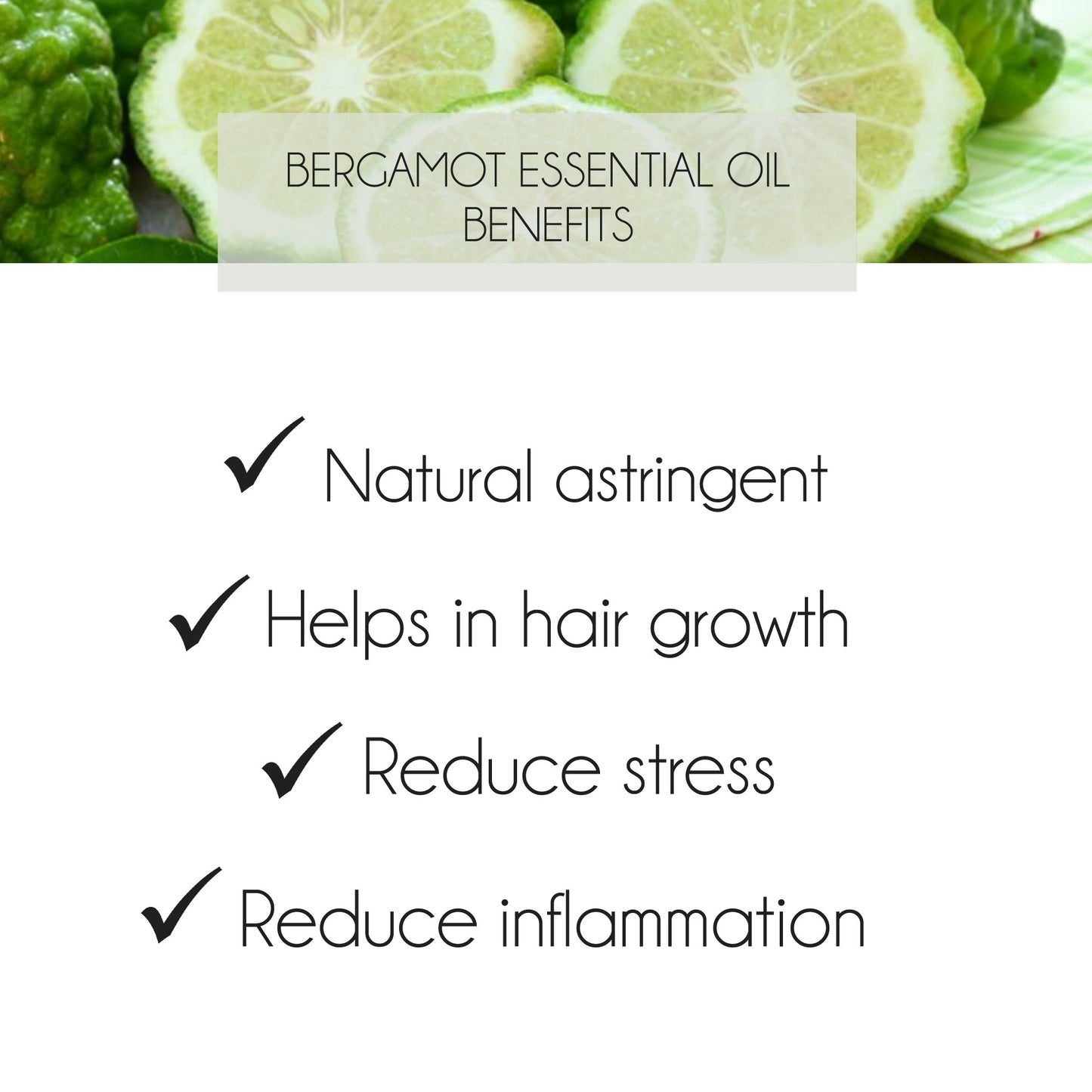
Inhaling bergamot oil aromatically is traditionally used to promote a uplifting, calming atmosphere — its citrus-floral scent profile is commonly associated with mood support and mental clarity in aromatherapy practice. purelyBlack's Bergamot Essential Oil is available as a 100% pure essential oil, dispatched from Sydney.
- Aromatic character: Bergamot's high linalyl acetate content (25–40%) gives it a distinctly floral-citrus profile that aromatherapy communities associate with a calming, uplifting atmosphere.
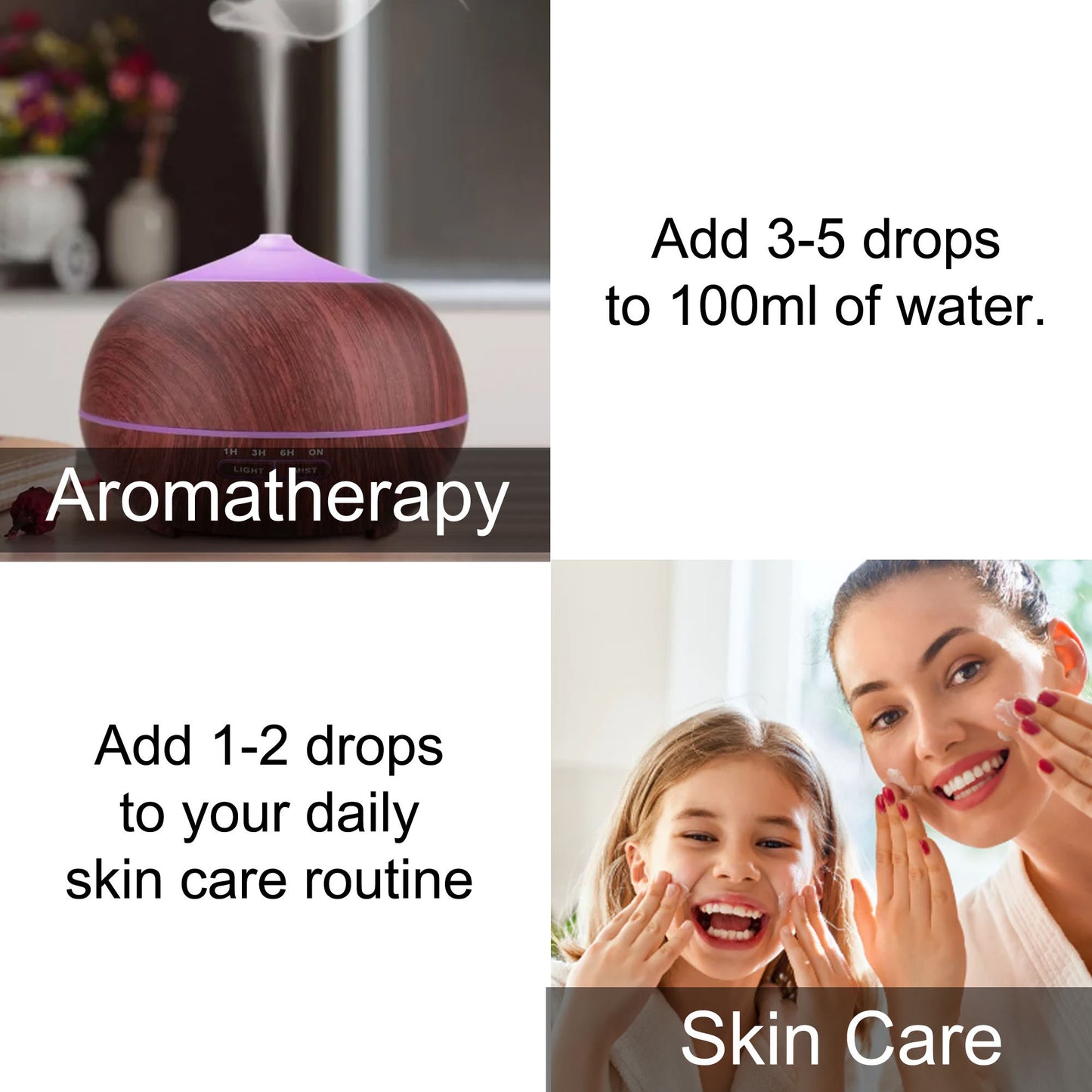
- Diffuser use: Add 3–5 drops to an ultrasonic diffuser with 100ml water — run in 30–45 minute intervals to avoid olfactory fatigue.
- Inhalation method: A drop on a tissue or personal inhaler stick provides direct aromatic access without a diffuser.
- Blending for mood: Pairs well with lavender for a calming blend, or with citrus oils for an energising atmosphere.
- Botanical source: Cold-pressed from the rind of Citrus bergamia (Rutaceae family), grown in Calabria, southern Italy.


Unlike most citrus oils that function purely as stimulants, bergamot carries linalyl acetate — the same ester found in lavender — giving it a dual aromatic character. This makes it useful across a broader range of aromatic applications, from morning diffusion to evening wind-down routines.
How to Use Bergamot for Anxiety?
When experiencing feelings of anxiousness or tension, bergamot oil is traditionally used in aromatherapy to provide aromatic comfort through diffusion, personal inhalation, or diluted topical application.
- Diffuser blend: Combine 3 drops bergamot with 2 drops lavender in 100ml water for a calming aromatic atmosphere.
- Personal inhaler: Add 5–6 drops to a blank inhaler stick for discreet, on-the-go aromatic support throughout the day.
- Topical (pulse points): Dilute to 2% in a carrier oil (12 drops per 30ml) and apply to wrists or temples — avoid sun exposure on treated skin.
- Evening routine: Diffuse 30 minutes before sleep to create a calming transition from the day.
- Important: Essential oils are complementary aromatic tools only — they are not a substitute for professional mental health support.
Aromatherapy communities consistently pair bergamot with lavender for anxious moments — the two oils share linalyl acetate and linalool as key constituents, creating a chemically complementary blend. A simple 3:2 bergamot-to-lavender ratio in the diffuser is a widely used starting point.


Does Bergamot Oil Make You Sleepy?
Bergamot oil does not act as a sedative, but its high linalyl acetate content creates a calming aromatic atmosphere that many people find supportive of winding down before sleep.
- Not a sedative: Bergamot is a citrus oil and does not function pharmacologically as a sleep aid — aromatic use creates atmosphere, not physiological sedation.
- Calming character: The floral ester linalyl acetate gives bergamot a noticeably softer, more soothing quality than most citrus oils, making it more suited to evening use.
- Better paired: For a more sleep-oriented diffuser blend, combine bergamot with vetiver or frankincense — both have deeper, more grounding aromatic profiles.
- Timing: Diffuse 30–45 minutes before bed rather than immediately at lights out, allowing the aromatic character to fill the room before sleep.
The distinction between bergamot and a true sedative oil like vetiver or spikenard is worth understanding. Bergamot brightens and softens the atmosphere simultaneously — it removes the mental sharpness of a stressful day without inducing the heavy, earthy character associated with deeply grounding oils. Used together, they complement each other well.
How to Use Bergamot Oil for Sleep?
To use bergamot oil for a sleep-supportive aromatic environment, diffuse 3–4 drops combined with a grounding oil such as vetiver or frankincense for 30–45 minutes before bedtime.
- Diffuser recipe: 3 drops bergamot + 2 drops vetiver + 100ml water — run for 30 minutes before sleep.
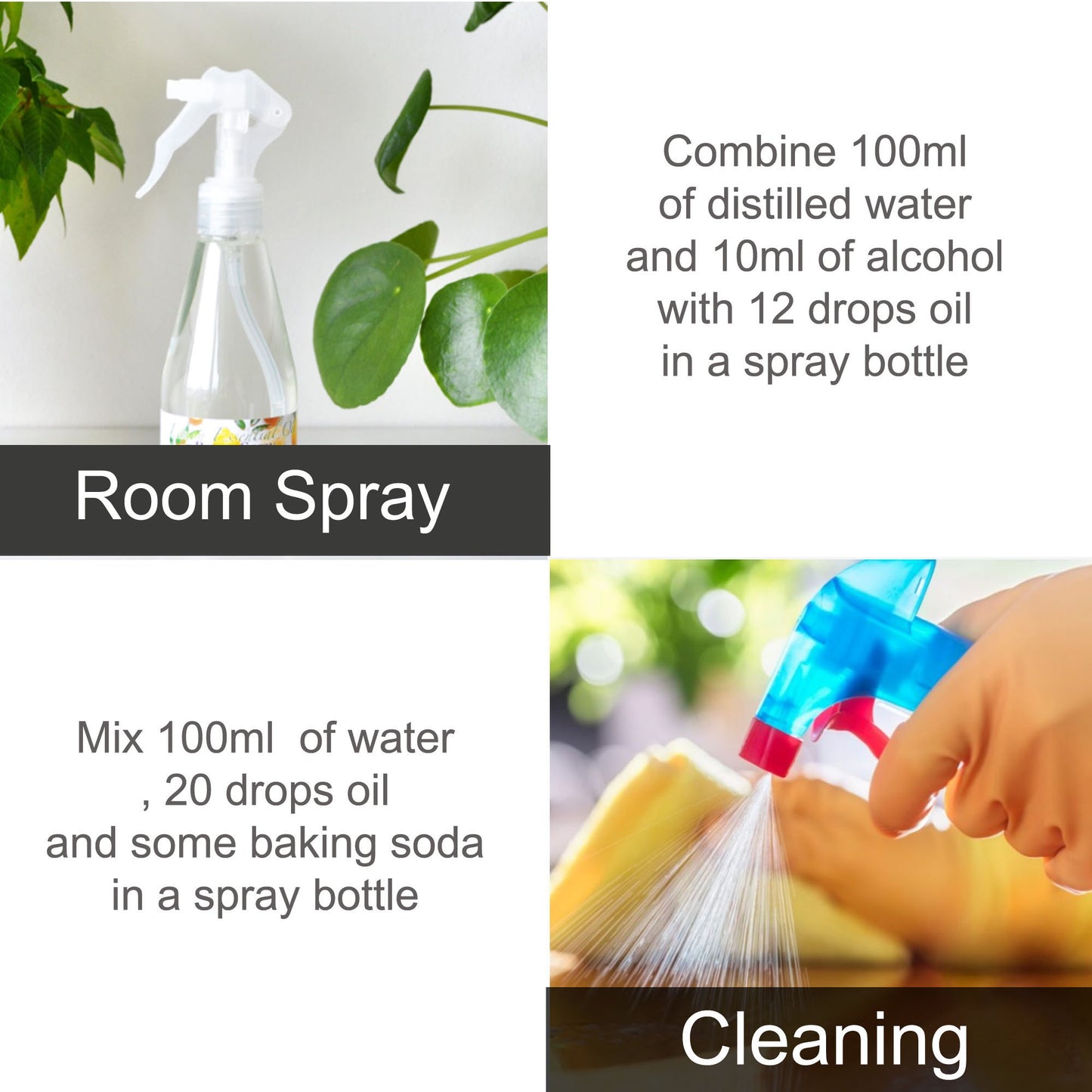
- Pillow mist: Combine 10 drops bergamot with 100ml water and a dispersant in a spray bottle — mist lightly over bedding, not directly on pillowcase.
- Topical blend: Dilute to 2% in Fractionated Coconut Oil and apply to the soles of feet before bed — away from sun-exposed skin.
- Phototoxicity note: Always apply topical bergamot blends at night — standard cold-pressed bergamot is phototoxic and must not be used on skin exposed to sunlight.
- Room size: For a standard bedroom, 3–4 drops is sufficient — more is not better, as olfactory fatigue can be counterproductive to relaxation.
For deeper context on where and how to apply bergamot oil topically, see our bergamot oil skin guide. For blending bergamot into longer-lasting aromatic formulas, see our natural perfume and cologne blending guide.
Is Bergamot Oil Safe to Inhale?
Yes, bergamot oil is safe to inhale aromatically when used in a well-ventilated space at appropriate diffuser concentrations — 3–5 drops per 100ml water is the recommended starting point.
- Diffuser safety: Always diffuse in a ventilated room with an open door or window — never in a sealed space.
- Interval diffusion: Run diffuser in 30–45 minute cycles with breaks — continuous diffusion can cause headaches or nausea even with safe oils.
- Pets and children: Citrus oils including bergamot are generally unsuitable around cats — always ensure pets can leave the room. For children under 2, avoid diffusion entirely.
- Pregnancy: Consult a qualified healthcare practitioner before using bergamot aromatically during pregnancy.
- Skin contact during diffusion: Avoid spilling undiluted bergamot on skin before going outdoors — bergapten causes photosensitivity reactions on UV-exposed skin.
Aromatic inhalation is the lowest-risk method of using bergamot oil — the molecules disperse into the air and interact with olfactory receptors without direct skin or mucous membrane contact. For the majority of healthy adults in Australia, diffusing bergamot at standard concentrations in a ventilated room presents no meaningful safety concerns.
About the Author
Written by H.R. Kim
Founder at purelyBlack — an Australian-owned perfumery and essential oil supplier based in Sydney. H.R. specialises in molecular ingredient chemistry and scent profiling, with a focus on pure, single-origin essential oils for aromatherapy, skin care, and natural wellness.
Last updated: August 2026
Disclaimer: This article is for general educational purposes only and does not constitute medical advice. It is not intended to diagnose, treat, cure, or prevent any disease. These statements have not been evaluated by the Therapeutic Goods Administration (TGA). Always dilute before topical use, patch test before wider application, and consult a qualified healthcare professional before use during pregnancy or if managing a medical condition.
