Skip to product information
1 of 1

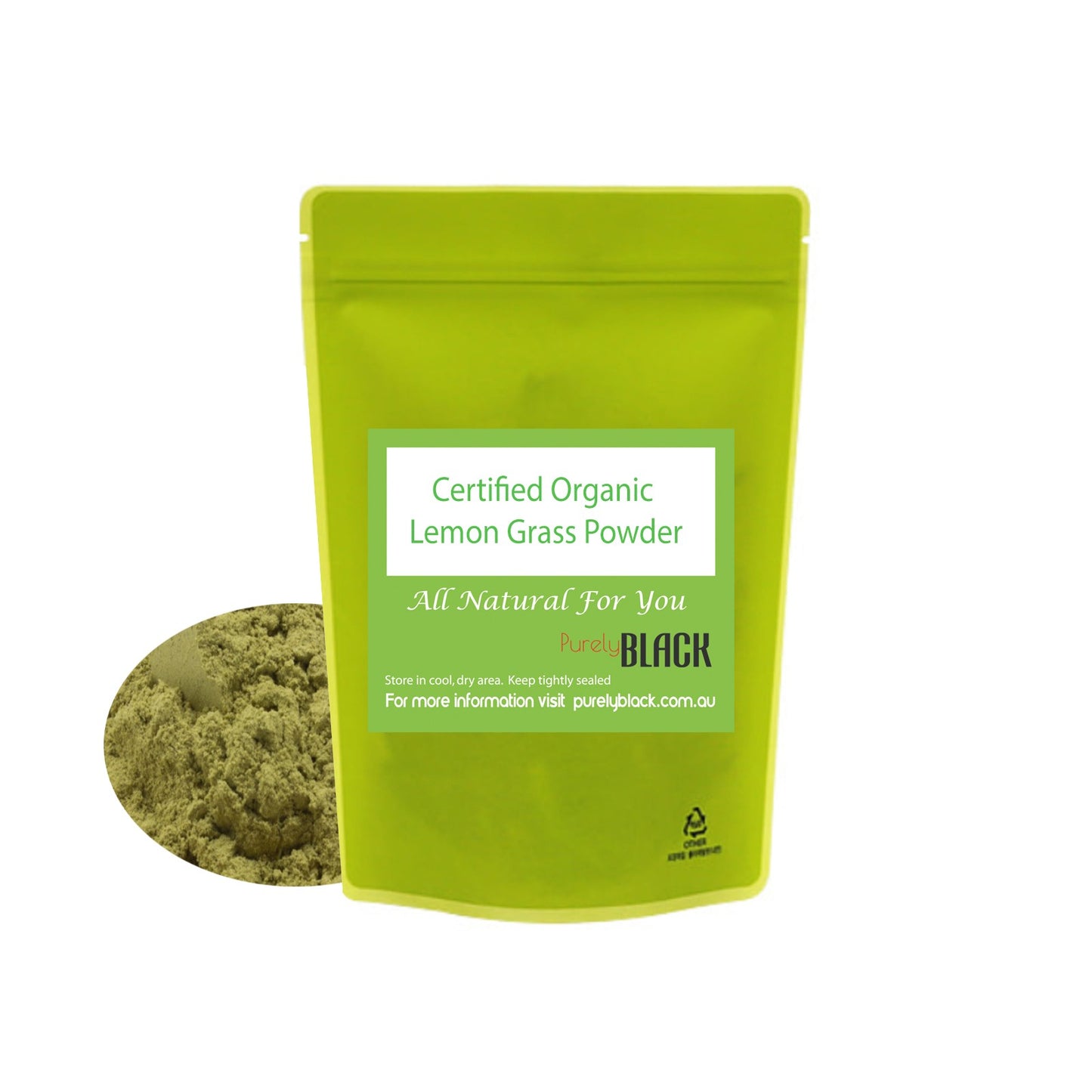
Certified Organic Lemongrass Powder for Digestive Comfort and Tea

Regular price $12.95 AUD
Regular price Sale price $12.95 AUD
Sale Sold out
Size
Quantity

What is Lemongrass Powder good for?

Lemongrass Powder supports digestive comfort, relaxation, and refreshing wellness rituals in a convenient form.

Sourced from the leaves of Cymbopogon citratus and micro-milled to preserve its citrusy aroma, this Certified Organic powder delivers the timeless appeal of lemongrass in every serving. purelyBlack's Lemongrass Powder is vegan, cruelty-free, and 100% pure—crafted for those who seek plant-based comfort and natural vitality. Explore the tabs below for detailed botanical profiles, step-by-step recipes, and safety guidelines.

PRODUCT DETAILS & PROFILE

Core Product Details

  • Botanical Name: Cymbopogon citratus (italics)
  • Plant Family: Poaceae (Grass family)
  • Plant Part Used: Leaf
  • Processing Method: Micro-Powder
  • Country of Origin: Egypt
  • Texture & Colour: Fine, light green to pale yellow-green powder with a vibrant, citrusy aroma

Quality & Purity

  • Certified Organic: Certified Organic status guarantees this lemongrass is grown without synthetic pesticides, herbicides, GMOs, or chemical fertilisers. Certified by recognised organic certification bodies, every batch meets the highest standards of purity and integrity.
  • 100% Pure & Natural: No fillers, synthetics, additives, flow agents, or preservatives. Just pure, single-ingredient lemongrass powder.
  • Vegan & Cruelty-Free: Contains no animal-derived ingredients. Never tested on animals.
  • Australian Brand: Proudly Australian-owned and operated, delivering botanical excellence with care and transparency.
  • Quality Assured: Batch-tested for purity and botanical integrity to ensure you receive the finest quality in every package.

Botanical Profile & Key Constituents

What does Lemongrass Powder smell and taste like?

Lemongrass Powder has a fresh, bright, lemony aroma with sweet herbal notes and a mild citrus flavour that is neither sharp nor sour. The scent is uplifting and clean, instantly recognisable as lemongrass, while the taste is gently citrusy with earthy, grassy undertones. Native to tropical regions of Southeast Asia, lemongrass has been used for centuries in Ayurvedic, Thai, and Vietnamese traditional wellness systems as a digestive tonic and sensory refresher. Its use spans culinary arts, herbal medicine, and aromatic rituals, making it one of the most versatile herbs in the botanical world.

  • Key Constituents: Lemongrass contains 70–85% citral (a combination of geranial and neral isomers), which is responsible for its characteristic lemon scent and traditional wellness properties. It also contains beta-myrcene (up to 11%), geraniol (1–2%), and citronellal, along with flavonoids such as luteolin, quercetin, kaempferol, and apigenin. These phenolic compounds contribute antioxidant activity and support the herb's traditional use in digestive and calming applications.
  • Traditional Heritage: Lemongrass has been used for centuries across Asia, Africa, and South America. In Ayurveda, it is valued as a cooling, digestive herb that supports comfort and balance. In Southeast Asian traditions, it is infused into teas, broths, and topical preparations. Brazilian folk medicine employs lemongrass tea for nervous system support and gastrointestinal comfort. Its role in traditional herbal systems is well-documented and continues to inform modern wellness practices.

MAIN BENEFITS & PROPERTIES

How do you use Lemongrass Powder?

Steep in hot water for tea, blend into smoothies, or add to broths and soups.

Traditional Wellness Uses

  • Digestive Comfort & Relaxation: Lemongrass has been traditionally consumed as a tea in Brazilian, Indian, and Southeast Asian wellness systems to support digestive comfort, ease bloating, and promote a sense of calm. The herb contains citral and myrcene, volatile oils traditionally valued for their soothing properties. Discover more about lemongrass powder for digestion recipes calm.
  • Refreshing Sensory Ritual: Traditionally used to support fluid balance and provide a cooling, uplifting sensory experience, lemongrass tea is cherished across tropical regions as a refreshing daily ritual. Its bright citrus aroma and mild flavour make it a comforting addition to wellness routines.

Skin & Hair Benefits

  • Natural Astringent for Oily Skin: Lemongrass is valued in traditional skincare for its astringent properties, which help tighten pores, reduce excess oil, and leave skin feeling refreshed and matte. Its antibacterial nature supports clear, balanced skin when used topically in masks or diluted applications.
  • Scalp Nourishment & Hair Vitality: Lemongrass has been traditionally used to support scalp health, reduce flaking, and strengthen hair follicles. Its cleansing properties help maintain a fresh, balanced scalp environment, while its nourishing compounds may contribute to shinier, healthier-looking hair.

Nutritional & Botanical Properties

  • Citral (70–85% of essential oil content): The dominant bioactive compound responsible for lemongrass's characteristic lemon aroma. Citral—comprising geranial and neral—contributes to the herb's traditional use as a calming, digestive-supportive botanical.
  • Beta-Myrcene (up to 11%): A monoterpene with calming properties traditionally associated with relaxation and comfort.
  • Flavonoids (including luteolin, quercetin, and apigenin): Antioxidant compounds that support the body's natural defences and contribute to overall wellness.

Is Lemongrass Powder good for digestion?

Lemongrass has been traditionally used to support digestive comfort, ease bloating, and soothe stomach discomfort. The carminative properties of lemongrass are valued in folk medicine across Asia and South America, where the herb is consumed as a tea to promote smooth digestion and relieve gas. While human clinical trials remain limited, traditional use is well-established.

Is Lemongrass Powder safe to take every day?

When consumed in traditional culinary and tea amounts, lemongrass is generally considered safe for daily use by most adults. However, moderation is key. Excessive intake may cause dizziness, drowsiness, or digestive upset in sensitive individuals. Always consult a qualified healthcare practitioner before making lemongrass a regular part of your routine, particularly if you are on medication or have underlying health concerns.

What does Lemongrass Powder taste like?

Lemongrass Powder has a fresh, citrusy flavour with mild herbal and earthy undertones and a subtle sweetness. The aroma is bright and lemony, reminiscent of fresh lemon peel without the sharp acidity. The powder brews into a pale yellow-green tea and pairs beautifully with ginger, mint, honey, and other herbs. It adds a zesty lift to smoothies, broths, and rice dishes without overpowering other flavours.

Where to Buy

Where can I buy Certified Organic Lemongrass in Australia?

purelyBlack offers Certified Organic Lemongrass with free shipping Australia-wide, available directly at purelyblack.com. Every batch is 100% pure, vegan, and cruelty-free, sourced from trusted organic farms and micro-milled to preserve the herb's natural aroma and vitality. As a proudly Australian-owned brand, purelyBlack is committed to delivering high-quality botanicals directly to your door with convenience, transparency, and care.

HOW TO USE

Lemongrass Suggested Serving

  • Traditionally, 1/4 to 1/2 teaspoon (approximately 1 to 2 grams) of lemongrass powder per cup of water is used for tea or culinary applications. Adjust to taste and start with a smaller amount if new to lemongrass.

Master Class: How to Make Lemongrass Tea

  1. Measure 1/4 to 1/2 teaspoon of Lemongrass Powder into your favourite mug or teapot.
  2. Boil 1 cup of filtered water and pour directly over the powder.
  3. Stir gently and allow the mixture to steep for 3 to 5 minutes, covered, to release the full aromatic citrus oils.
  4. Strain through a fine-mesh sieve to remove any powder particles, or drink unstrained if you prefer a fuller texture.
  5. Serve warm, sweetened with honey or jaggery if desired, and enjoy as a soothing afternoon or evening ritual.

Lemongrass Smoothie & Food Uses

  • Morning Citrus Smoothie: Blend 1/4 teaspoon lemongrass powder with 1 frozen banana, 1 cup coconut water, a handful of spinach, and a squeeze of lime juice. Refreshing and energising.
  • Thai-Inspired Broth: Add 1/2 teaspoon lemongrass powder to vegetable or chicken broth with ginger, chilli, and coconut milk. Simmer for 10 minutes for a fragrant base for soups and curries.
  • Lemongrass Rice: Stir 1/4 teaspoon lemongrass powder into cooked jasmine or basmati rice with a drizzle of sesame oil and fresh coriander. A bright side dish for Asian-inspired meals.

DIY Topical Application

  • Clarifying Face Mask: Mix 1/2 teaspoon lemongrass powder with 1 tablespoon raw honey and 1 teaspoon plain yoghurt. Apply to clean skin, leave for 10 minutes, and rinse with warm water. For external use only.
  • Scalp Tonic: Combine 1/4 teaspoon lemongrass powder with 2 tablespoons coconut oil. Massage gently into the scalp, leave for 20 to 30 minutes, then shampoo as usual. For external use only.

Pairs Well With

SAFETY & PRECAUTIONS

General Safety Guidelines

  • Consult a Healthcare Professional: Always consult a qualified health practitioner before use, especially if you are taking medication, have a pre-existing health condition, or are under medical supervision. Lemongrass may interact with medications metabolised by liver enzymes.
  • Medication Interactions: Lemongrass contains beta-myrcene and citral, which may influence cytochrome P450 liver enzymes and potentially alter the effects of certain medications. While clinical drug interactions have not been widely reported, use caution if taking prescription drugs. Consult your healthcare provider before combining lemongrass with other medicines.
  • Safe Storage: Store in a cool, dark place in an airtight container away from direct sunlight and moisture. When properly stored, the powder retains its aroma and potency for up to 12 months.

Specific Precautions

  • Pregnancy & Nursing: Lemongrass is not recommended during pregnancy. Research indicates that citral and myrcene—compounds present in lemongrass—may stimulate menstrual flow and uterine contractions, which could pose a risk of miscarriage. Avoid use during pregnancy. There is insufficient data on safety during breastfeeding; avoid use while nursing.
  • Children: Not recommended for children under the age of two years. For older children, consult a healthcare practitioner before use.
  • Sensitive Individuals: Individuals with sensitive skin or known allergies to grasses or citrus compounds should use caution. Rare cases of allergic reactions have been reported with topical use. Discontinue use if irritation or allergic symptoms occur. Excessive consumption may cause dizziness or drowsiness.
View full details