Skip to product information
1 of 3

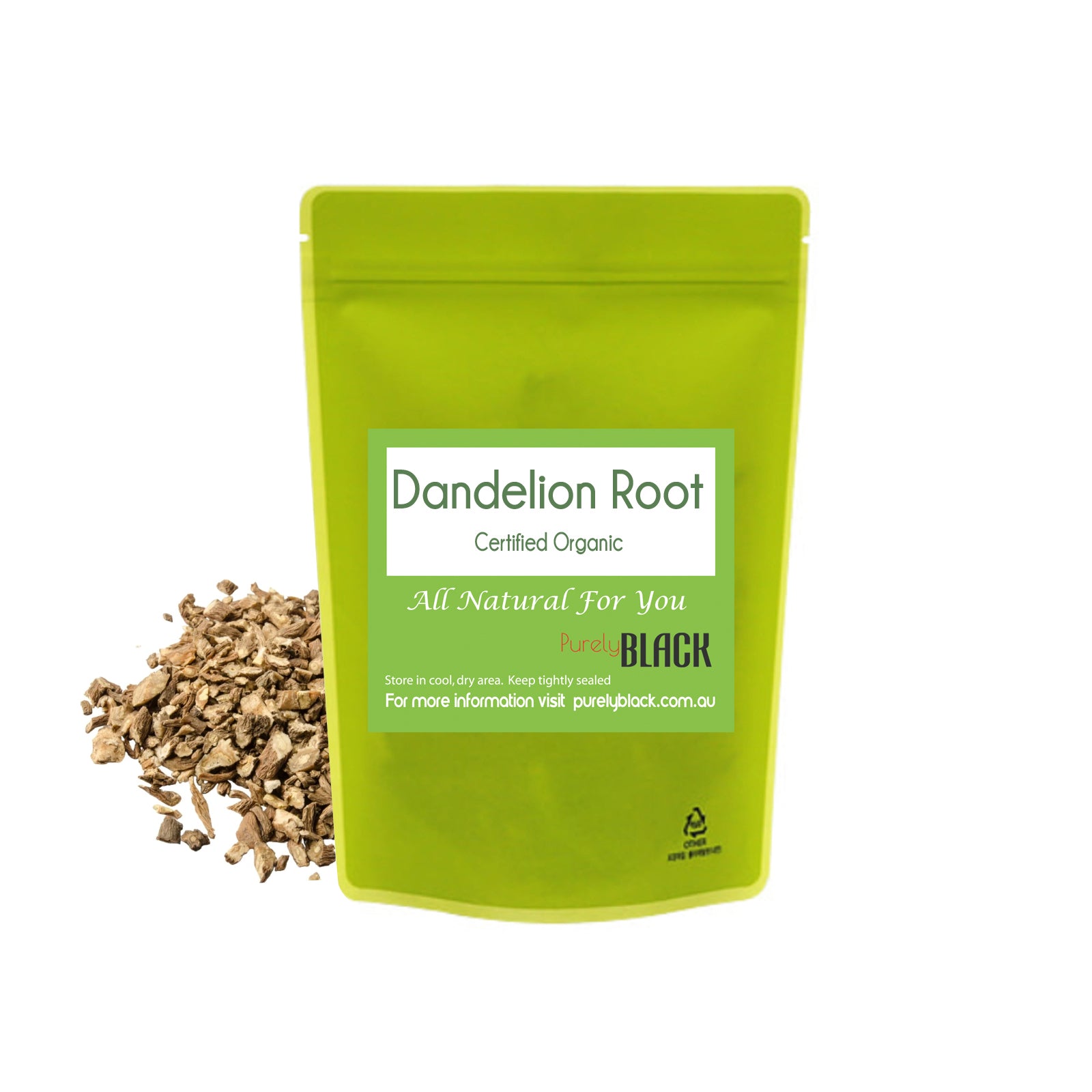
Organic Dandelion Root Dried

Regular price $10.95 AUD
Regular price Sale price $10.95 AUD
Sale Sold out
Size
Quantity

What is Dandelion Root Tea good for?

Dandelion Root Tea supports liver detox, healthy digestion, and offers a rich source of prebiotic fiber to nourish your gut microbiome.

Dandelion root contains up to 25% inulin, a naturally occurring prebiotic fiber that feeds beneficial gut bacteria. Sourced from Italy and cut to preserve its botanical integrity, this Certified Organic Taraxacum officinale root delivers a time-honored bitter principle to stimulate digestive secretions and support liver wellness. purelyBlack's Dandelion Root Tea is 100% vegan and cruelty-free, crafted for those who prefer clean, plant-based wellness. Explore the tabs below for detailed botanical profiles, step-by-step recipes, and safety guidelines.

PRODUCT DETAILS & PROFILE

Core Product Details

  • Botanical Name: Taraxacum officinale
  • Plant Family: Asteraceae (Daisy family)
  • Plant Part Used: Root
  • Processing Method: Cut Root
  • Country of Origin: Italy
  • Texture & Colour: Cut root pieces, tan to golden-brown in colour, with a slightly fibrous texture and an earthy, mildly sweet aroma reminiscent of roasted chicory.

Quality & Purity

  • Certified Organic: Grown without synthetic pesticides, herbicides, GMO inputs, or chemical fertilizers. Taraxacum vulgare L.), belonging to the Asteraceae family, is a pharmacopeial, edible plant. This certification guarantees clean, sustainably cultivated botanicals from farm to cup.
  • 100% Pure & Natural: No fillers, synthetics, additives, flow agents, or preservatives. Only pure dandelion root, cut and ready to brew.
  • Vegan & Cruelty-Free: No animal-derived ingredients. Never tested on animals. Suitable for all plant-based lifestyles.
  • Australian Brand: Proudly Australian-owned and operated by purelyBlack, committed to transparency, quality, and ethical sourcing.
  • Quality Assured: Batch-tested for purity and botanical integrity to ensure every package meets our rigorous standards.

Botanical Profile & Key Constituents

What does Dandelion Root Tea smell and taste like?

Dried dandelion root carries a warm, earthy aroma with subtle sweet notes, and brews into a mildly bitter, grounding tea reminiscent of roasted chicory or coffee. Flavor: Earthy, mildly bitter. Our Organic Roasted Dandelion Root tea has a roasted slightly nutty flavor profile with mild bitter notes, similar to a gentle black coffee but is naturally caffeine… The bitterness is gentle and balanced by the natural sweetness of inulin, a complex carbohydrate that lingers pleasantly on the palate. The Greek naturalist Theophrastus (371 BCE–287 BCE) recommended that the herb be taken as a tonic, especially against freckles and liver spots on the skin. Historically, dandelion root has been a staple in European herbal traditions and Traditional Chinese Medicine, valued for its liver-supportive and digestive properties. In the 10th and 11th centuries, Arab physicians used it to treat ailments of the liver and spleen.

  • Key Constituents: The dandelion root contains up to 25% inulin and other polysaccharides, sesquiterpene lactones and caffeic acids. Sesquiterpenoids are responsible for the bitter taste of the dandelion root. Dandelion contains vitamins A, C, E, K, B vitamins, minerals: potassium, calcium, iron, magnesium, phenolic acids: chicoric acid, chlorogenic acid, caffeic acid, flavonoids: luteolin, apigenin, quercetin derivatives, terpenoids: sesquiterpene lactones, and inulin: prebiotic fiber, mainly in roots. These compounds work synergistically to support digestive wellness, provide antioxidant activity, and nourish beneficial gut bacteria.
  • Traditional Heritage: The traditional uses of dandelion that are mentioned in the literature concern its use as a remedy in kidney diseases, diabetes, bacterial infections, diuretic, liver, kidney, and spleen disorders, and as an anti-inflammatory factor. Traditional Chinese medicine (TCM) uses dandelion, often in combination with other herbs, to treat hepatitis, to enhance immune response to upper respiratory tract infections, bronchitis or pneumonia. Dandelions were also fermented into wine for consumption by the ancient Celts, and the plants were consumed by Anglo-Saxon tribes to prevent scurvy and for use as a diuretic and laxative.

MAIN BENEFITS & PROPERTIES

How do you use Dandelion Root Tea?

Brew 1 teaspoon of cut dandelion root in hot water for 6–8 minutes to unlock its digestive and liver-supportive properties.

Traditional Wellness Uses

  • Liver & Digestive Wellness: The monographs of the European Scientific Cooperative on Phytotherapy (ESCOP) certify the action of the root as a restorer of liver and biliary function, and its indication for dyspepsia and loss of appetite was scientifically proven. Taraxacum officinale is rich in sesquiterpene lactones including taraxinic acid and taraxasterol which are responsible for the bitter taste. These constituents are responsible for its digestive, choleretic and anti-inflammatory effects through their action on inflammatory mediators. The bitter principles in dandelion—sesquiterpene lactones including taraxacin—trigger bitter taste receptors not just on the tongue but throughout the digestive tract. When stimulated, these receptors initiate a cascade of digestive processes: increased saliva production, gastric acid secretion, pancreatic enzyme release, and bile secretion. For more on how dandelion root supports your daily wellness routine, see how to drink dandelion root tea for liver detox.
  • Prebiotic & Gut Microbiome Support: The root is the richest source of inulin — a fructose-based polysaccharide that functions as a prebiotic fibre, feeding beneficial bacteria in the gut. Inulin content in the root can reach 40% of dry weight in autumn. Inulin resists digestion in the upper gastrointestinal tract, arriving intact in the colon where beneficial bacteria ferment it into short-chain fatty acids. These fatty acids—particularly butyrate—nourish colonocytes (colon cells), reduce intestinal inflammation, and support the intestinal barrier function.
  • Antioxidant & Cellular Protection: The phenolic compounds (hydroxycinnamic acids including caffeic and chlorogenic acids) and flavonoids were shown to exhibit potent antioxidant activity, helping to protect hepatic tissue against damage from free radicals. Dandelion contains different sesquiterpenoid and phenolic compounds. The bitter taste of dandelion is mainly imparted by sesquiterpenoids.

Nutritional & Botanical Properties

  • Inulin (up to 40% by dry weight): Dandelion root contains approximately 40% inulin, a fiber widely distributed in fruits, vegetables and plants. Inulin is a soluble prebiotic fiber that supports gut microbiome diversity and may contribute to healthy metabolic function.
  • Sesquiterpene Lactones (including taraxinic acid and taraxasterol): These compounds are responsible for the plant's bitter taste and are associated with digestive stimulation and liver-related activity. These compounds have been shown to influence bile production and gastrointestinal signaling, supporting traditional uses tied to digestion and detoxification.
  • Polyphenols (hydroxycinnamic acids, chlorogenic acid, caffeic acid): Dandelion contains phenolic acids: chicoric acid, chlorogenic acid, caffeic acid, and flavonoids: luteolin, apigenin, quercetin derivatives. These plant compounds contribute antioxidant activity.
  • Triterpenes (taraxasterol): Among the most relevant and predominant bioactive compounds of T. officinale is taraxasterol, which modulates inflammatory and oxidative stress pathways, helping to prevent liver damage.

Is Dandelion Root Tea safe to take every day?

For most healthy adults, moderate daily use of dandelion root tea (1–3 cups) is considered safe and is a traditional wellness practice. Moderate daily use is considered safe for most healthy adults. Dandelion root tea demonstrates excellent safety for daily consumption in most individuals. Traditional herbalists recommend 1-2 cups daily for liver support and digestive optimization. For best results, drink 15-20 minutes before meals to stimulate digestive secretions. However, always consult a healthcare practitioner before beginning any new herbal routine, especially if you have a diagnosed medical condition, take prescription medications, or are pregnant or nursing.

Can Dandelion Root Tea help with bloating?

Dandelion root tea is traditionally used to relieve occasional bloating due to its gentle diuretic and digestive-supportive properties. If you're feeling bloated, dandelion tea could provide relief because it acts as a diuretic and increases urine output. One study showed an increased urine output after two 1-cup servings of dandelion tea made from the leaves of the plant. Traditionally, dandelion root has been used to relieve PMS-related bloating due to its diuretic effect. Its prebiotic properties may also support digestive health, which is increasingly recognized as important for hormonal balance. The bitter compounds stimulate bile flow and digestive secretions, which may ease feelings of fullness and support comfortable digestion.

What does Dandelion Root Tea taste like?

Dandelion root tea has an earthy, mildly bitter, and slightly sweet flavor profile, reminiscent of roasted chicory or a gentle coffee substitute. Upon tasting the leaf, there is an instant bitter taste, settling into an earthy bitter quality, a slight acridity and a subtle sweetness. In the case of the root, the bitterness is effected by a more mucilaginous sweetness, which varies depending on the time of year it is collected — a spring root will have used up more of its carbohydrate (inulin) stores over winter and will be more bitter. Even then, the presence of inulin can linger on the tongue long after the bitterness has faded. Dandelion's bitterness is due to sesquiterpene lactones, unique to this plant, but the contribution of the inulin in the root is a reminder that this is above all a gentle bitter, and a good option to begin exploring bitter plants. When roasted, the root develops warm, toasty, and caramelized notes that appeal to coffee lovers seeking a caffeine-free alternative. The flavour is grounding, robust, and pairs beautifully with warming spices like cinnamon, ginger, or honey.

Where to Buy

Where can I buy Certified Organic Dandelion Root in Australia?

purelyBlack offers Certified Organic Dandelion Root with free shipping Australia-wide, available directly at purelyblack.com.

Proudly Australian-owned and operated, purelyBlack sources premium-quality cut dandelion root from Italy and delivers it fresh to your door. Every batch is carefully selected for botanical integrity, purity, and potency, ensuring you receive a product worthy of your wellness routine. Shopping online means you can restock your herbal apothecary from the comfort of home, with fast, reliable delivery across the country.

HOW TO USE

Dandelion Root Tea Suggested Serving

  • Use 2–3 g (≈1 tsp) dried root per 240 ml (1 cup) hot water; steep 6–8 minutes. This traditional serving size provides a gentle, grounding cup suitable for daily wellness routines.

Master Class: How to Make Dandelion Root Tea

  1. Measure 1 teaspoon (approximately 2–3 grams) of cut dandelion root into a small saucepan or teapot.
  2. Bring 240 ml (1 cup) of filtered water to a boil, then pour over the root.
  3. Cover and simmer gently for 6–8 minutes to extract the bitter sesquiterpene lactones and prebiotic inulin.
  4. Strain the tea into your mug. The liquor will be earthy and mildly bitter, with a grounding, slightly sweet finish.
  5. Enjoy plain for full herbal potency, or sweeten naturally with raw honey or blend with warming spices like ginger or cinnamon.

Dandelion Root Tea Blends & Food Uses

  • Morning Digestive Tonic: Combine 1 teaspoon dandelion root with 1/2 teaspoon ginger root and 1/2 teaspoon fennel seed. Simmer for 10 minutes. Strain and drink 15 minutes before breakfast to stimulate digestive secretions.
  • Roasted Coffee Alternative: Roast cut dandelion root in a dry skillet over medium heat for 5–8 minutes until fragrant and lightly browned. Brew as above for a rich, nutty, caffeine-free beverage.
  • Liver Support Smoothie: Add 1/2 teaspoon finely ground dandelion root powder to a smoothie with frozen blueberries, spinach, flaxseed, and almond milk for a nutrient-dense morning boost.

DIY Topical Application

  • Dandelion Root Hair Rinse: Simmer 2 tablespoons cut dandelion root in 2 cups water for 20 minutes. Strain, cool completely, and use as a final rinse after shampooing to support scalp wellness. For external use only.
  • Soothing Skin Compress: Brew a strong dandelion root tea (double the standard amount), cool to room temperature, soak a clean cotton cloth, and apply to the skin for 10–15 minutes. For external use only.

Pairs Well With

SAFETY & PRECAUTIONS

General Safety Guidelines

  • Consult a Healthcare Professional: Always consult a qualified health practitioner before using dandelion root, especially if you are pregnant, nursing, taking prescription medications, or managing a pre-existing health condition. Individual needs vary, and professional guidance ensures safe use.
  • Medication Interactions: Dandelion root might slow blood clotting, and taking it along with medications that also slow blood clotting might increase the risk of bruising and bleeding. Dandelion might decrease how much antibiotic the body absorbs, potentially reducing the effectiveness of certain antibiotics. Some medications are changed and broken down by the liver, and dandelion might change how quickly the liver breaks down these medications, altering their effects and side effects. Dandelion's diuretic effect may interfere with the body's ability to eliminate lithium, potentially increasing lithium levels to toxic levels. Always consult your healthcare provider if you take diuretics, blood thinners (warfarin), diabetes medications, lithium, or any liver-metabolized drugs.
  • Safe Storage: Store dried dandelion root in an airtight container in a cool, dark location away from direct sunlight, heat, and moisture. Proper storage preserves flavor and quality for several months.

Specific Precautions

  • Pregnancy & Nursing: There isn't enough reliable information to know if dandelion is safe to use when pregnant or breast-feeding. Stay on the safe side and avoid use. There is not enough clinical research to confirm safety for pregnant women. Some herbalists recommend dandelion leaf tea in small amounts for nutrients, but dandelion root during pregnancy may stimulate bile and digestion in ways that are not well studied, may trigger digestive upset, which could worsen morning sickness, and may have potential interactions with medications or supplements prescribed during pregnancy.
  • Children: Do not administer to children under the age of 18 because its safety has not been established in children. Consult a pediatrician before offering dandelion root products to children.
  • Sensitive Individuals: Those allergic to ragweed, daisies, or chrysanthemums may experience reactions. Dandelion belongs to the Asteraceae family, which includes ragweed, chrysanthemums, marigolds, and daisies. People who are allergic to these plants may also experience allergic reactions to dandelion, with symptoms ranging from mild (such as skin rashes, itching, or sneezing) to severe (such as difficulty breathing or anaphylaxis).
  • Gallbladder Conditions: Dandelion root stimulates bile flow. For people with gallstones or bile duct obstruction, this can cause pain, cramping, or complications. Avoid use if you have gallstones or bile duct blockage unless supervised by a healthcare professional.
  • Kidney Disease: As a diuretic, dandelion root can place extra strain on kidneys. Those with kidney disease should avoid use unless supervised by a doctor.
View full details