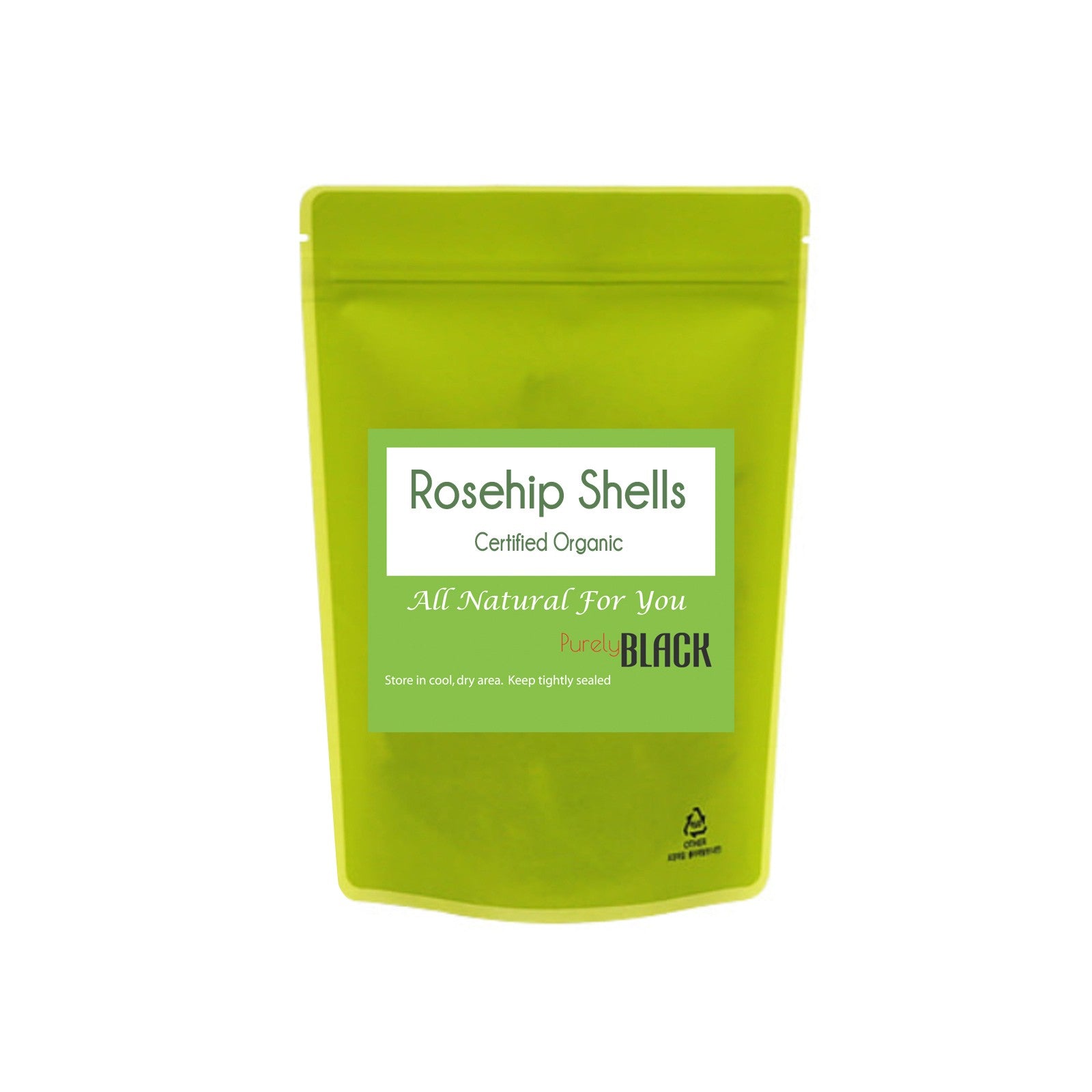
Certified Organic Rosehip Tea Loose Leaf for Immune and Joint Support
Couldn't load pickup availability
Share
What is Rosehip Tea good for?
Rosehip Tea supports vibrant immunity and joint wellness with one of nature's richest plant concentrations of vitamin C.
Harvested from the fruit of Rosa canina and processed as loose leaf from Bulgaria, this Certified Organic rosehip delivers powerful antioxidants, flavonoids, and galactolipids in every steeping. purelyBlack's Rosehip Tea is 100% pure, vegan, and cruelty-free, crafted for those who seek clean, plant-based wellness support. Explore the tabs below for detailed botanical profiles, step-by-step recipes, and safety guidelines.
PRODUCT DETAILS & PROFILE
Core Product Details
- Botanical Name: Rosa canina (italics)
- Plant Family: Rosaceae
- Plant Part Used: Fruit (rosehip)
- Processing Method: Loose Leaf
- Country of Origin: Bulgaria
- Texture & Colour: Dried rosehip fruit is small, oblong to round in shape, with a vibrant orange-red to deep red colour. The texture is firm and slightly wrinkled when dry, with a lightweight, slightly brittle quality.
Quality & Purity
- Certified Organic: Grown without synthetic pesticides, herbicides, GMO inputs, or artificial fertilisers. Certified to meet strict international organic standards, ensuring environmental sustainability and botanical integrity.
- 100% Pure & Natural: No fillers, synthetics, additives, flow agents, or preservatives. Only pure, whole rosehip fruit.
- Vegan & Cruelty-Free: Contains no animal-derived ingredients. Never tested on animals.
- Australian Brand: Proudly Australian-owned and operated, supporting local values and transparent sourcing.
- Quality Assured: Batch-tested for purity, botanical identity, and safety.
Botanical Profile & Key Constituents
What does Rosehip Tea smell and taste like?
Dried rosehip has a light, fruity aroma with subtle floral and tangy notes; when brewed, it releases a tart, citrus-like flavour with hints of cranberry and a delicate natural sweetness. Historically valued across Europe and the Mediterranean for over two thousand years, rosehip was praised by Pliny the Elder in ancient Rome and used by medieval herbalist Hildegard of Bingen as a strengthening tea. Its enduring appeal lies in both its vibrant sensory profile and its concentrated vitamin C content — so prized during World War II that British citizens were urged to forage wild rosehips to produce vitamin C syrup when citrus imports were scarce.
- Key Constituents: Rosehip is exceptionally rich in vitamin C (ascorbic acid), containing up to 426 mg per 100 g of dried fruit — more than ten times the concentration found in oranges. It also contains flavonoids such as quercetin, kaempferol, and rutin (powerful antioxidants that support cellular health and reduce inflammation); carotenoids including beta-carotene, lutein, zeaxanthin, and lycopene (which support skin, eye, and immune health); galactolipids (unique fatty compounds with anti-inflammatory properties, traditionally used to support joint comfort); tannins (mild astringent polyphenols that help tone tissues and soothe the digestive lining); and organic acids such as malic acid (which contribute to rosehip's refreshing tartness and may support digestion).
- Traditional Heritage: Rosehip has been used as food and medicine for over 2,000 years. Ancient Greek and Roman herbalists, including Pliny the Elder, documented its use for treating inflammation and digestive disorders. In medieval Europe, the German nun and herbalist Hildegard of Bingen prescribed rosehip tea as a strengthening tonic. Traditional European folk medicine valued rosehip as a remedy for colds, arthritis, rheumatism, and as a gentle diuretic. During World War II, rosehip syrup became a vital source of vitamin C in Britain when citrus fruits were unavailable. Rosehip is also used in Traditional Chinese Medicine to promote the movement of qi and blood in the lower abdomen and to support menstrual wellness.
MAIN BENEFITS & PROPERTIES
How do you use Rosehip Tea?
Steep 1 to 2 teaspoons in hot water for 6 to 8 minutes to unlock its tart, vitamin C-rich profile.
Traditional Wellness Uses
- Immune System Support: Rosehip is one of the richest plant sources of bioavailable vitamin C, with approximately 426 mg per 100 g of dried fruit. This potent vitamin C concentration supports white blood cell production, strengthens the body's natural defences, and has been traditionally used across European and Mediterranean herbal systems to ward off colds, flu, and seasonal infections during winter months.
For more on supporting immunity with herbal infusions, explore Rosehip tea immune support joint health.
- Joint Health & Inflammation: Rosehip contains galactolipids — unique plant compounds that have been shown in traditional and clinical use to support joint comfort and reduce inflammation. Historically used in European folk medicine as a remedy for rheumatism and gout, rosehip may help soothe discomfort associated with osteoarthritis and support cartilage health and mobility over time.
- Digestive Wellness: The mild astringent and demulcent properties of rosehip help soothe the stomach lining and support digestive balance. The pectin and organic acids present act as a gentle, natural aid for regular bowel movements, traditionally used to ease occasional constipation and support nutrient absorption.
Skin & Hair Benefits
- Radiant, Even-Toned Skin: Rosehip is rich in carotenoids, including beta-carotene and lycopene, as well as flavonoids such as quercetin and rutin. These antioxidants help protect skin cells from oxidative stress, support collagen synthesis, and promote skin elasticity. Traditionally used to reduce the appearance of scars, hyperpigmentation, and fine lines, rosehip has been celebrated as a skin-regenerating botanical for centuries.
- Hydration & Scalp Health: When used topically as a cooled infusion or rinse, rosehip tea delivers vitamin C and polyphenols directly to the skin and scalp, supporting moisture retention, calming irritation, and adding natural lustre to hair.
Nutritional & Botanical Properties
- Vitamin C (up to 426 mg per 100 g dried fruit): One of the most concentrated plant sources of ascorbic acid, supporting immune function, collagen production, and antioxidant defence.
- Flavonoids (including quercetin, kaempferol, and rutin): Polyphenolic compounds that exhibit anti-inflammatory and antioxidant activity, supporting cardiovascular and cellular health.
- Galactolipids: Unique fatty compounds found in rosehip that have been studied for their anti-inflammatory properties and their role in supporting joint comfort and mobility.
- Carotenoids (beta-carotene, lutein, zeaxanthin, lycopene): Powerful antioxidants that support skin health, eye health, and protection from oxidative damage.
- Organic acids (including malic acid): Contribute to rosehip's tangy, refreshing flavour and may support digestive wellness.
Is Rosehip Tea good for arthritis or joint pain?
Rosehip has been traditionally used to support joint comfort, and recent studies suggest it may help reduce inflammation and improve mobility in individuals with osteoarthritis.
Rosehip contains galactolipids, which have been shown to inhibit the production of inflammatory proteins such as COX-2 and matrix metalloproteinases. In traditional European herbal medicine, rosehip was valued as a natural remedy for joint pain, rheumatism, and gout. While rosehip is not a cure, consistent use may support joint health and complement a balanced wellness routine. Always consult a healthcare professional before use, especially if managing chronic joint conditions.
Is Rosehip Tea safe to take every day?
For most people, drinking 1 to 2 cups of rosehip tea daily is considered safe and may offer cumulative wellness benefits.
Rosehip is well-tolerated by the majority of individuals when consumed in traditional amounts. However, those with kidney stones, iron overload disorders, sickle cell anaemia, or thalassemia should avoid daily use due to rosehip's high vitamin C content. If you are on blood-thinning medication or other prescription drugs, consult your healthcare provider before incorporating rosehip into your daily routine.
What does Rosehip Tea taste like?
Rosehip Tea offers a bright, tangy, and slightly sweet flavour profile reminiscent of cranberries, tart plums, and hibiscus, with a delicate floral aroma.
The taste is refreshingly tart with a natural fruity sweetness that becomes more pronounced when sweetened with honey or maple syrup. The aroma is light and floral with subtle hints of rose. Rosehip tea is naturally caffeine-free and produces a vibrant amber to deep red infusion when steeped. Its dynamic flavour makes it versatile — equally enjoyable hot on a winter evening or chilled as a summer refresher.
Where to Buy
Where can I buy Certified Organic Rosehip Tea in Australia?
purelyBlack offers Certified Organic Rosehip Tea with free shipping Australia-wide, available directly at purelyblack.com.
Sourced from premium Bulgarian rosehip fruit and processed as loose leaf to preserve natural potency, purelyBlack's rosehip is 100% pure, vegan, cruelty-free, and rigorously quality assured. As a proudly Australian-owned brand, purelyBlack delivers clean, traceable botanicals direct to your door — no fillers, no synthetics, just the whole fruit of Rosa canina.
HOW TO USE
HOW TO USE
Rosehip Tea Suggested Serving
- Traditionally, use 1 to 2 teaspoons of dried rosehip per cup of water for a nourishing infusion. For a stronger, more concentrated flavour, increase to 1 tablespoon per cup.
Master Class: How to Make Rosehip Tea
- Measure 1 to 2 teaspoons of dried rosehip into a teapot, tea strainer, or infuser basket.
- Heat fresh filtered water to approximately 85°C (185°F) — just below boiling — to preserve vitamin C and antioxidant content.
- Pour the hot water over the rosehip and cover with a lid to retain steam and volatile compounds.
- Steep for 6 to 8 minutes for optimal flavour and antioxidant extraction. Longer steeping (up to 15 minutes) produces a deeper, more tangy brew.
- Strain the tea through a fine mesh strainer or coffee filter to remove any small hairs or sediment, then sweeten with honey or maple syrup if desired, and enjoy warm or chilled.
Rosehip Smoothie & Food Uses
- Rosehip Berry Smoothie: Blend 1 cup brewed and cooled rosehip tea with 1 frozen banana, ½ cup frozen mixed berries, 1 tablespoon chia seeds, and a handful of spinach for a vitamin C-rich morning boost.
- Rosehip Chia Pudding: Mix ½ cup brewed rosehip tea with 2 tablespoons chia seeds, a splash of almond milk, and a drizzle of honey. Refrigerate overnight and top with fresh fruit.
- Rosehip Oatmeal: Prepare your morning oats using brewed rosehip tea instead of water. Stir in cinnamon, walnuts, and a drizzle of raw honey for a nourishing, warming breakfast.
DIY Topical Application
- Rosehip Facial Toner: Brew a strong cup of rosehip tea, allow to cool completely, and pour into a clean spray bottle. Mist onto cleansed skin morning and evening to brighten and tone. For external use only.
- Rosehip Hair Rinse: Brew 2 cups of strong rosehip tea, cool to room temperature, and use as a final rinse after shampooing to add shine and support scalp health. For external use only.
Pairs Well With
SAFETY & PRECAUTIONS
General Safety Guidelines
- Consult a Healthcare Professional: Always consult a qualified health practitioner before use, especially if you are pregnant, breastfeeding, on medication, or have pre-existing health conditions.
- Medication Interactions: Rosehip contains high levels of vitamin C, which may interfere with blood-thinning medications such as warfarin (Coumadin). Use caution if taking anticoagulants, diuretics, diabetes medications, or penicillin-based antibiotics. Consult your healthcare provider before combining rosehip with any prescription medication.
- Safe Storage: Store in a cool, dark, airtight container away from direct sunlight and moisture to preserve potency and flavour. Dried rosehip typically retains quality for up to one year when stored correctly.
Specific Precautions
- Pregnancy & Nursing: Due to insufficient research on the effects of rosehip consumption during pregnancy and breastfeeding, oral consumption is generally not advised during these periods. Consult your obstetrician or midwife before incorporating rosehip into your prenatal diet. Topical use of rosehip oil is generally considered safe during pregnancy.
- Children: There is limited research on rosehip use in children. Consult a paediatric healthcare provider before offering rosehip tea to children under 12 years of age.
- Sensitive Individuals: Individuals with sickle cell anaemia, thalassemia, haemochromatosis (iron overload disorder), or a history of recurring kidney stones should avoid rosehip due to its high vitamin C content, which may exacerbate these conditions. Those allergic to roses or plants in the Rosaceae family should use caution and perform a patch test before topical use.

Something else you'll love
-
Food Grade Australian Bentonite Clay Powder
9 reviewsRegular price From $12.95 AUDRegular priceSale price From $12.95 AUD -
Organic Dandelion Root Dried
Regular price From $10.95 AUDRegular price$15.95 AUDSale price From $10.95 AUDSale -
Food Grade Activated Charcoal Powder | Natural Detox & Whitening
14 reviewsRegular price From $13.95 AUDRegular priceSale price From $13.95 AUD -
Certified Organic Ceylon Cinnamon Powder Blood Sugar Warming Support
Regular price From $10.95 AUDRegular priceSale price From $10.95 AUD