Skip to product information
1 of 1

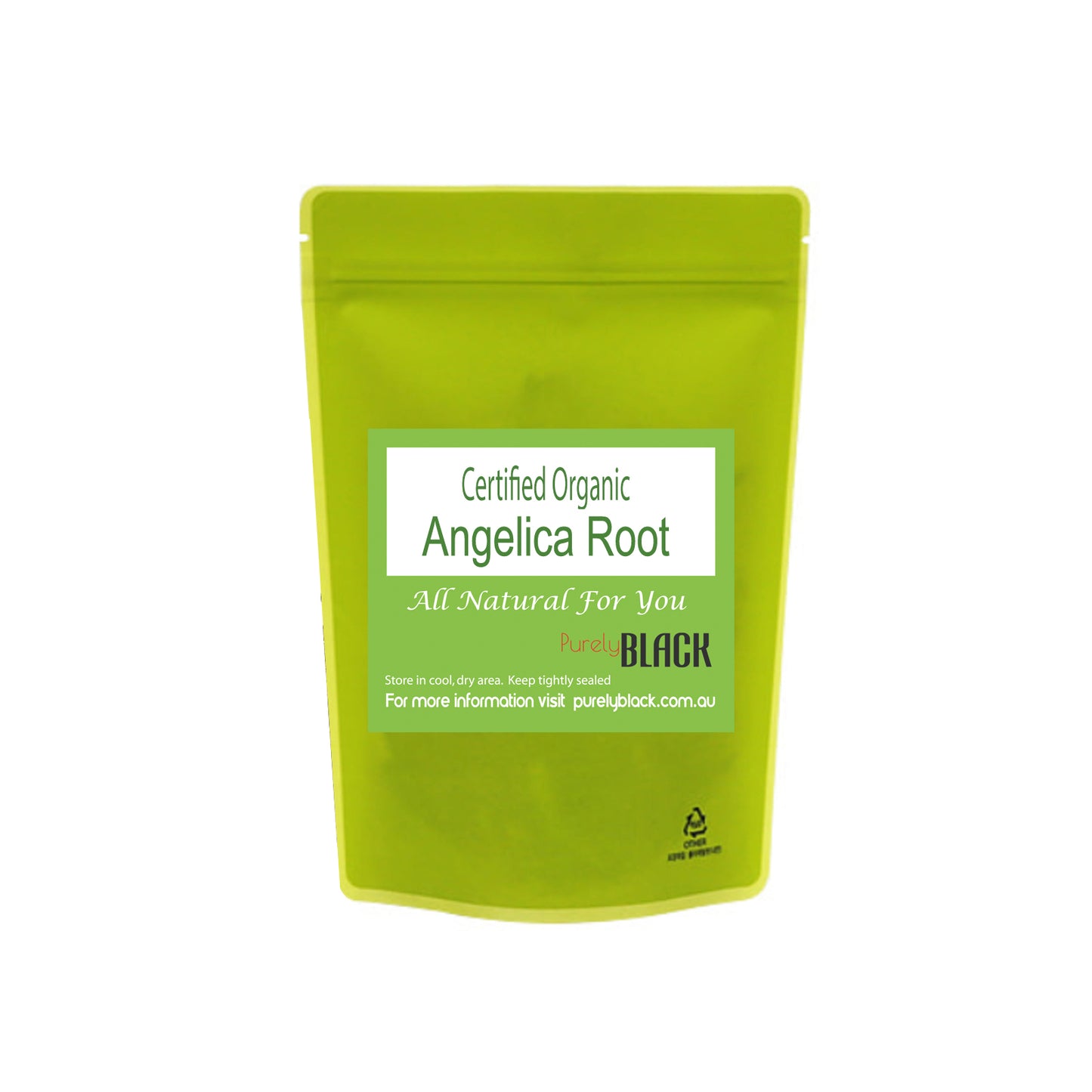
Certified Organic Angelica Root Cut for Digestion and Circulation

Regular price $10.95 AUD
Regular price Sale price $10.95 AUD
Sale Sold out
Size
Quantity

What is Angelica Root good for?

Angelica Root supports healthy digestive fire, warming circulation, and balanced respiratory wellness.

Harvested from Angelica archangelica and cut from robust Polish roots, this Certified Organic powder awakens the senses with its earthy, musky warmth. Traditionally revered across European herbalism for centuries, Angelica Root blends bitter, aromatic, and circulatory-supporting properties into a single botanical. This vegan and cruelty-free root invites you to explore ancestral wellness traditions in teas, tonics, and topical blends. Explore the tabs below for detailed botanical profiles, step-by-step recipes, and safety guidelines.

PRODUCT DETAILS & PROFILE

Core Product Details

  • Botanical Name: Angelica archangelica (italics)
  • Plant Family: Apiaceae (Carrot family)
  • Plant Part Used: Root
  • Processing Method: Cut Root
  • Country of Origin: Poland
  • Texture & Colour: Earthy brown to tan, fibrous cut root pieces with a woody, robust texture and a visible fibrous structure characteristic of hardy tap roots.

Quality & Purity

  • Certified Organic: Grown without synthetic pesticides, herbicides, or GMO inputs, meeting strict European organic farming standards. This guarantees clean, sustainable cultivation and superior botanical integrity.
  • 100% Pure & Natural: No fillers, synthetics, additives, flow agents, or preservatives. Just pure Angelica Root.
  • Vegan & Cruelty-Free: No animal-derived ingredients. Never tested on animals.
  • Australian Brand: Proudly Australian-owned and operated.
  • Quality Assured: Batch-tested for purity and botanical identity to ensure the highest standards.

Botanical Profile & Key Constituents

What does Angelica Root smell and taste like?

Angelica Root delivers a warm, musky, earthy aroma with a bitter-sweet, celery-like flavour profile. Dried Angelica Root exudes a distinctive musky scent often compared to juniper or damp forest earth, with deep herbal undertones. The taste begins earthy and slightly bitter, followed by warming, aromatic notes and a subtle sweetness reminiscent of carrot and celery. Medieval herbalists revered Angelica as the "Root of the Holy Spirit," believing it was revealed by the Archangel Michael as a protective remedy during the plague.

  • Key Constituents: The root yields 0.35–1% essential oil rich in α-pinene (up to 30%), β-phellandrene (up to 18%), δ-3-carene, limonene, and the macrocyclic lactone cyclopentadecanolide (<1%), which imparts the root's signature musky aroma. The root also contains coumarins and furanocoumarins including imperatorin, bergapten, isoimperatorin, oxypeucedanin, xanthotoxin, and archangelicin, which contribute to its traditional use as a smooth muscle relaxant, digestive stimulant, and circulatory tonic.
  • Traditional Heritage: Angelica Root has been celebrated in Traditional European Medicine for over a millennium. Medieval herbalists featured it prominently in monastery apothecaries, using it to ease digestive discomfort, support respiratory health, and "ward off malaise." Monks cultivated Angelica archangelica in monastery gardens to create the famous Chartreuse and Bénédictine liqueurs. In Ayurvedic traditions, Angelica species were valued for their CNS-supportive and warming energetic properties. The root has also been recognised in Traditional Chinese Medicine for moving stagnant energy and nourishing circulation.

MAIN BENEFITS & PROPERTIES

How do you use Angelica Root powder?

Brew Angelica Root as a warming tea, or blend into tonics and topical oils.

Traditional Wellness Uses

  • Digestive Fire & Bitter Tonic: Angelica Root is an aromatic digestive bitter that has been used for centuries across European herbal traditions to support healthy digestion. It stimulates secretions in the mouth, stomach, and gallbladder, enhancing the assimilation of nutrients and increasing circulation to the digestive tract. Traditionally taken 15–30 minutes before meals, it may help ease occasional bloating, gas, sluggish digestion, and feelings of fullness. Discover how to brew Angelica Root tea for digestion and circulation.
  • Circulatory Support & Warmth: Angelica Root is a warming circulatory stimulant and peripheral vasodilator traditionally valued for supporting healthy circulation, particularly to cold hands and feet. Its warming nature has made it a favoured winter tonic in northern European folk medicine for those seeking to invigorate stagnant energy and promote internal warmth.
  • Respiratory Comfort: Angelica Root has been used traditionally as a warming expectorant to support respiratory health during the first stages of seasonal colds, particularly for respiratory presentations with clear or pale mucus. The root's aromatic volatile oils and coumarins have been appreciated in herbal practice to ease dry coughs and bronchial congestion.

Skin & Hair Benefits

  • Topical Warming Applications: Angelica Root has a long history of topical use in European folk medicine for muscular discomfort and joint stiffness that worsens in cold, damp weather. Infused oils and poultices may be applied to ease temporary tension, support mobility, and provide warming relief.

Nutritional & Botanical Properties

  • Coumarins & Furanocoumarins: Angelica Root contains a rich profile of coumarins including imperatorin, bergapten, oxypeucedanin, isoimperatorin, and xanthotoxin. These compounds contribute to the root's traditional use as a smooth muscle relaxant and circulatory stimulant.
  • Essential Oil (0.35–1%): The volatile oil is rich in α-pinene (up to 30%), β-phellandrene, δ-3-carene, limonene, and cyclopentadecanolide, which gives Angelica Root its distinctive musky, earthy aroma. These terpenes support the root's traditional carminative and warming digestive actions.
  • Phenolic Acids & Flavonoids: Angelica Root contains ferulic acid, phenolic carboxylic acids, flavonoids, and sterols, offering antioxidant support and contributing to its traditional applications in European and Ayurvedic herbal systems.

Is Angelica Root good for digestive support?

Yes, Angelica Root is traditionally valued as a warming bitter tonic for digestive wellness.

European herbalists have long celebrated Angelica Root for its ability to stimulate digestive secretions and relieve occasional gas, bloating, and sluggish digestion. Its aromatic volatile oils and bitter compounds work synergistically to support healthy gut motility and nutrient absorption, making it a cornerstone herb in traditional digestive bitters and stomach teas.

Is Angelica Root safe to take every day?

Short-term use is traditional; long-term daily use should be under professional guidance.

Angelica Root is best used in short courses, typically a few weeks at a time, due to the presence of furanocoumarins, which may cause photosensitivity with prolonged or high-dose use. Traditional herbal doses range from 3–6 grams per day in divided servings. Always consult a qualified herbalist or healthcare practitioner before using Angelica Root daily, especially if you are on medication or have pre-existing health conditions.

What does Angelica Root taste like?

Angelica Root offers a complex, earthy, and warming flavour with bitter, sweet, and musky aromatic notes.

The root begins with a slightly bitter, earthy taste followed by warming, almost spicy undertones with a hint of sweetness. Many describe a musky, celery-like quality reminiscent of juniper and carrot, which reflects its membership in the Apiaceae family. When brewed as tea, it reveals a deep aromatic profile with a grounding, bittersweet finish that pairs beautifully with honey, ginger, or fennel.

Where to Buy

Where can I buy Certified Organic Angelica Root in Australia?

purelyBlack offers Certified Organic Angelica Root with free shipping Australia-wide, available directly at purelyblack.com.

Sourced from Poland and cut from robust, aromatic roots, purelyBlack's Angelica Root is 100% pure, vegan, and cruelty-free. As a proudly Australian-owned brand, purelyBlack delivers botanical integrity and exceptional quality straight to your door, with the convenience of seamless online ordering and expert customer support.

HOW TO USE

Angelica Root Suggested Serving

  • Traditional Tea Serving: 1–2 teaspoons (approximately 1.5–3 grams) of dried cut root per cup, simmered for 15–20 minutes. May be enjoyed 2–3 times daily. Traditionally consumed before meals to support digestive fire, or after meals to ease feelings of fullness.

Master Class: How to Make Angelica Root Tea

  1. Measure 1 to 2 teaspoons of dried Angelica Root into a small saucepan with 2 cups of water.
  2. Bring the water to a rolling boil, then reduce heat to a gentle simmer.
  3. Allow the root to simmer for 15 to 20 minutes, covered, to fully extract the warming bitter compounds and volatile oils.
  4. Strain the tea through a fine mesh strainer or cheesecloth into your mug, pressing gently on the root to release remaining liquid.
  5. Sweeten with raw honey or lemon if desired, and enjoy warm on cool evenings to awaken digestion and circulation.

Angelica Root Smoothie & Food Uses

  • Digestive Fire Tonic Smoothie: Blend ¼ teaspoon Angelica Root powder with 1 cup coconut milk, 1 frozen banana, ½ teaspoon cinnamon, 1 tablespoon almond butter, and a pinch of black pepper. Strain if desired. Serve chilled for a grounding, warming start to your day.
  • Angelica Root Herbal Honey: Infuse ¼ cup dried Angelica Root in 1 cup raw honey. Warm gently in a double boiler at low heat for 2–3 hours, then strain. Drizzle over porridge, yogurt, or warm herbal teas for a bittersweet, aromatic touch.
  • Savoury Root Broth: Add 1 tablespoon dried Angelica Root to vegetable or bone broth during the final 30 minutes of simmering. The root imparts an earthy, celery-like depth that complements root vegetables, mushrooms, and aromatic herbs.

DIY Topical Application

  • Angelica Root Warming Chest Rub: Infuse ¼ cup dried Angelica Root in ½ cup olive oil over low heat for 2 hours. Strain and mix with 2 tablespoons beeswax, melted. Stir until cool. Apply to chest and upper back to support respiratory comfort during seasonal changes. For external use only.
  • Angelica Root Infused Oil for Circulation: Steep 2 tablespoons Angelica Root in 1 cup sweet almond oil in a sealed jar in a warm spot for 2–3 weeks, shaking daily. Strain and massage into cold hands, feet, or stiff joints. For external use only.

Pairs Well With

SAFETY & PRECAUTIONS

General Safety Guidelines

  • Consult a Healthcare Professional: Always consult a qualified health practitioner before using Angelica Root, especially if you are taking prescription medications or have pre-existing medical conditions. This is essential for safe integration into your wellness routine.
  • Medication Interactions: Angelica Root contains coumarins and furanocoumarins that may interact with anticoagulant or blood-thinning medications such as warfarin, increasing bleeding risk. It may also interact with medications that carry a grapefruit warning, including certain cholesterol-lowering and anti-seizure drugs. If you are taking any of these, avoid Angelica Root unless under professional guidance.
  • Safe Storage: Store in a cool, dark place in an airtight container, such as an amber or cobalt glass jar with a tight-fitting lid. Properly stored dried Angelica Root maintains potency for 1–2 years, though fresher is always superior.

Specific Precautions

  • Pregnancy & Nursing: Angelica Root should be avoided during pregnancy and breastfeeding. It has been documented to exhibit emmenagogue effects and may stimulate uterine contractions, which could pose risks to pregnancy. Stay on the safe side and avoid use.
  • Children: Not recommended for children or adolescents under 18 years of age due to a lack of evidence regarding safety in younger populations.
  • Sensitive Individuals: Angelica Root may cause photosensitivity due to the presence of furanocoumarins. If you use Angelica Root topically or in high oral doses, avoid prolonged sun exposure or UV light. Allergic dermatitis and photodermatitis have been reported. Wear sunblock outdoors if using this root, and discontinue use if you develop skin reactions.
View full details