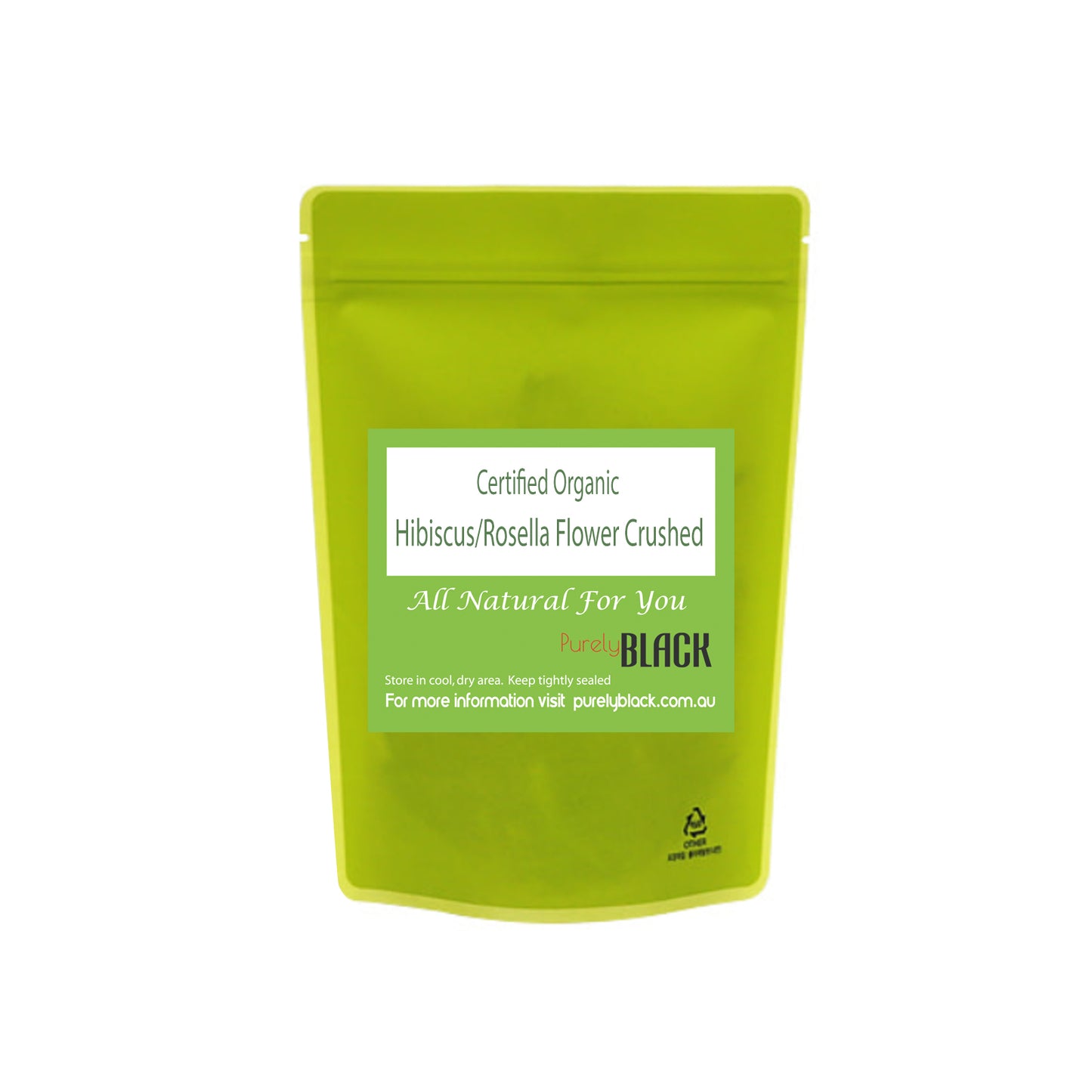
Certified Organic Hibiscus Tea Loose Leaf for Heart Health and Hydration
Couldn't load pickup availability
Share
What is Hibiscus Tea good for?
Hibiscus Tea supports cardiovascular wellness, promotes healthy hydration, and delivers powerful antioxidants from one of nature's most vibrant floral sources.
Sourced from the dried calyces of Hibiscus sabdariffa and cultivated in Egypt, this Certified Organic loose leaf flower has been treasured across Africa, Asia, and the Middle East for centuries. purelyBlack's Hibiscus Tea is 100% pure, vegan, and cruelty-free, offering a naturally tart, cranberry-like flavor rich in anthocyanins and vitamin C. Explore the tabs below for detailed botanical profiles, step-by-step recipes, and safety guidelines.
PRODUCT DETAILS & PROFILE
Core Product Details
- Botanical Name: Hibiscus sabdariffa (italics)
- Plant Family: Malvaceae
- Plant Part Used: Flower calyx (the protective, fleshy red sepals that encase the flower)
- Processing Method: Loose Leaf
- Country of Origin: Egypt
- Texture & Colour: Dried, deep ruby-red to burgundy calyces with a leathery, slightly brittle texture and a vibrant crimson hue when brewed
Quality & Purity
- Certified Organic: Grown without synthetic pesticides, herbicides, GMO inputs, or chemical fertilizers, and certified to meet strict organic agricultural standards, guaranteeing purity from soil to cup.
- 100% Pure & Natural: No fillers, synthetics, additives, flow agents, or preservatives — only pure, whole hibiscus calyces.
- Vegan & Cruelty-Free: No animal-derived ingredients. Never tested on animals.
- Australian Brand: Proudly Australian-owned and operated.
- Quality Assured: Batch-tested for purity and botanical integrity.
Botanical Profile & Key Constituents
What does Hibiscus Tea smell and taste like?
The dry calyces release a subtle, tart, berry-like aroma with faint floral and fruity notes, reminiscent of dried cranberries and rose hips. Once brewed, the tea reveals a bold, tangy, cranberry-like flavor with bright acidity and delicate floral undertones that balance the tartness, creating a clean, refreshing finish. Historically treasured across West Africa, the Middle East, and Asia, hibiscus has been consumed for centuries as a cooling, thirst-quenching beverage, and its striking ruby-red infusion has made it a ceremonial drink in Egyptian weddings and a daily wellness tonic in traditional Chinese medicine and Ayurveda, establishing hibiscus as one of the world's most celebrated herbal infusions.
- Key Constituents: Total anthocyanin content of about 359.3 mg cyanidin 3-glucoside per 100 g dry weight, total polyphenol concentration of about 598 mg gallic acid equivalent per 100 g dry weight, and total flavonoids of about 100 mg quercetin equivalent per 100 g dry weight. Four anthocyanins (Cyanidin-3-O-glucoside, Delphinidin-3-O-glucoside, Cyanidin-3-O-sambubioside, and Delphinidin-3-O-sambubioside) are present, with the most prevalent being Delphinidin-3-O-sambubioside (19.9 mg/g dry weight) and Cyanidin-3-O-sambubioside (16.13 mg/g dry weight). These anthocyanins deliver powerful antioxidant activity and contribute to hibiscus's traditional use in supporting cardiovascular wellness and metabolic balance. The extract is also rich in polyphenols, including flavonoids like quercetin and gossypetin, and phenolic acids such as chlorogenic acid, which contribute to the tea's antioxidant capacity and refreshing, tart character.
- Traditional Heritage: Hibiscus, scientifically known as Hibiscus sabdariffa, originates from West Africa, with historical use tracing back to Sudan around 4000 BC — commonly referred to as roselle, jamaica, karkadeh, red sorrel, or sour tea, this tropical shrub has spread to regions like Asia, Mexico, and the Caribbean, and symbolically represents vitality and joy in Egyptian traditions, where it features in wedding toasts, and embodies beauty and love in various cultures. Hibiscus sabdariffa, or roselle, belonging to the Malvaceae family is widely grown in many countries, and this plant is often used in traditional medicine being rich in phytochemicals like polyphenols especially anthocyanins, polysaccharides and organic acids thus having enormous prospective in modern therapeutic uses. In Ayurveda, hibiscus has a sweet and astringent taste, or rasa, and a cooling virya, or energetic effect on the body, making it a cherished botanical for balancing internal heat and supporting holistic wellness.
MAIN BENEFITS & PROPERTIES
How do you use Hibiscus Tea?
Brew 1–2 teaspoons in hot water for 5–7 minutes, enjoy hot or cold for heart health and hydration.
Traditional Wellness Uses
- Cardiovascular Support: Hibiscus has a history of traditional uses in both culinary practices and as a remedy for various health conditions, and in regions such as China and Thailand, different parts of the Roselle plant are commonly consumed as a thirst-quenching beverage. Ayurveda uses the bright, healing qualities of hibiscus flowers to support the heart and circulatory system, recognizing their ability to purify the blood, promote a clear, glowing complexion, and uplift the heart both physically and spiritually. Modern research has explored its role in supporting healthy blood pressure within normal ranges as part of a balanced lifestyle. Discover more about hibiscus tea heart health recipes benefits
- Hydration & Refreshment: Decoction, infusion, or maceration extracts from hibiscus calyces have been used in folk medicine to treat many ailments, and in Sudan, the dry calyx part of Hibiscus sabdariffa is used for making healthy drink like wine, soft drinks without alcohol and some flavonoids. In traditional Chinese medicine, hibiscus is used to promote circulation and invigorate blood flow, while in Ayurveda it is prized for removing excess heat from the body, promoting healthy skin, and aiding in hair vitality — modern wellness routines incorporate hibiscus for its refreshing qualities in daily beverages, helping to maintain hydration and support a balanced lifestyle.
- Antioxidant Support: The distinct crimson color of Hibiscus sabdariffa extract is due to compounds called anthocyanins, which function as antioxidants, protecting cells from oxidative stress — specific anthocyanins identified in hibiscus include delphinidin-3-sambubioside and cyanidin-3-sambubioside. Hibiscus tea is renowned for its high antioxidant content, with primary antioxidants including anthocyanins, flavonoids, and phenolic acids that help neutralize free radicals and reduce oxidative stress.
Skin & Hair Benefits
- Radiant Complexion: Hibiscus is traditionally used to purify the blood and promote a clear, glowing complexion. The natural organic acids and anthocyanins in hibiscus have been valued in traditional beauty rituals across India, Egypt, and the Caribbean for supporting skin's natural glow when applied topically or enjoyed as a daily tea.
- Hair Vitality: In Ayurveda, hibiscus is prized for promoting healthy skin and aiding in hair vitality. Traditional hair rinses made from hibiscus infusions have been used for generations to support scalp health, enhance shine, and maintain strong, lustrous hair.
Nutritional & Botanical Properties
- Anthocyanins (up to 1.855 mg Cya3GE/g dry weight): These vibrant pigments deliver powerful antioxidant activity and give hibiscus its signature ruby-red color, traditionally associated with cellular protection and wellness support.
- Polyphenols (up to 13.019 mg GAE/g dry weight): A diverse group of plant compounds contributing to hibiscus's traditional role in supporting metabolic balance and cardiovascular wellness.
- Flavonoids (up to 4.981 mg CE/g dry weight): Including quercetin and other bioactive compounds, flavonoids are valued in traditional herbal systems for their role in supporting healthy inflammatory response and overall vitality.
- Vitamin C, iron, zinc, and B vitamins: Hibiscus contains trace amounts of these nutrients, contributing to its traditional use as a nourishing, refreshing wellness tonic.
- Organic acids including chlorogenic acid: These natural acids contribute to hibiscus tea's characteristic tartness and its antioxidant capacity.
Is Hibiscus Tea good for daily use?
Hibiscus tea may be enjoyed daily by most healthy adults when consumed in moderation as part of a balanced wellness routine. Research supports 2–3 cups daily as safe and effective for adults, and hibiscus is commonly consumed in foods and is possibly safe in medicinal amounts, with hibiscus tea used safely in amounts of up to 720 ml daily for up to 6 weeks — side effects are uncommon but might include stomach upset, gas, and constipation. However, always consult your healthcare practitioner if you are taking blood pressure medication, blood sugar medication, or have any pre-existing health conditions, as regular consumption may interact with certain treatments.
Does Hibiscus Tea work as well as fresh hibiscus?
Dried hibiscus calyces retain the same powerful anthocyanins, organic acids, and polyphenols found in fresh flowers. Similar polyphenolic profiles were observed between fresh and dried hibiscus extracts, making dried hibiscus equally effective and far more convenient for brewing tea. The drying process concentrates the flavor and bioactive compounds, delivering a tart, robust infusion that's shelf-stable and easy to store for year-round use.
What does Hibiscus Tea taste like?
Hibiscus tea has a tart, tangy, cranberry-like flavor with floral undertones and a naturally refreshing finish. The star of the show is the tart flavor, often called sour tea for good reason — this tangy note is like cranberry juice or lemonade, giving the tea a lively, refreshing zing that wakes up your taste buds, and the tartness comes from organic acids like citric acid and ascorbic acid found in hibiscus extract. It is consumed both hot and cold and has a tart, strong cranberry-like flavor. The natural sweetness is subtle, so many enjoy it with a touch of honey, though it's equally delicious unsweetened and refreshing over ice.
Where to Buy
Where can I buy Certified Organic Hibiscus Tea in Australia?
purelyBlack offers Certified Organic Hibiscus Tea with free shipping Australia-wide, available directly at purelyblack.com. As a proudly Australian-owned brand, purelyBlack sources premium Egyptian hibiscus calyces that are 100% pure, vegan, and cruelty-free. Every batch is quality assured for botanical integrity, so you receive the vibrant color, tart flavor, and wellness benefits of true Hibiscus sabdariffa — delivered straight to your door with convenience and confidence.
HOW TO USE
HOW TO USE
Hibiscus Tea Suggested Serving
- Traditional serving: 1–2 teaspoons (approximately 2–5 grams) of dried hibiscus calyces per 240 ml (1 cup) of water. Research supports 2–3 cups daily as safe and effective for adults. Given aluminum and manganese content, limit intake to no more than one quart (approximately 4 cups) of filtered hibiscus tea per day for adults.
Master Class: How to Make Hibiscus Tea
- Measure 1–2 teaspoons of dried organic hibiscus calyces into a teapot or heatproof jug.
- Boil fresh filtered water and allow to cool slightly to 90–95°C (just off the boil).
- Pour 240 ml of hot water over the hibiscus and steep for 5–7 minutes — the liquid will turn a vibrant ruby red as the calyces release their tart, cranberry-like flavor and rich anthocyanins.
- Strain the tea to remove the hibiscus calyces and pour into your favorite cup — sweeten with raw honey or a touch of stevia if desired, or enjoy its natural tartness unsweetened.
- Serve hot for a warming, heart-healthy tonic, or chill over ice for a refreshing, antioxidant-rich summer drink — traditionally enjoyed across West Africa, Egypt, and the Caribbean as a daily wellness ritual.
Hibiscus Smoothie & Food Uses
- Hibiscus Berry Smoothie: Blend 1 cup cold-brewed hibiscus tea (prepared overnight), ½ cup frozen mixed berries, ½ frozen banana, 1 tablespoon chia seeds, and a handful of spinach. Add a squeeze of lime and a touch of honey for a tart, antioxidant-packed breakfast.
- Hibiscus Chia Pudding: Stir 3 tablespoons chia seeds into 1 cup of chilled hibiscus tea, add a splash of coconut milk and a teaspoon of maple syrup. Refrigerate overnight and top with fresh pomegranate seeds and crushed pistachios for a vibrant, nutrient-dense snack.
- Hibiscus Fruit Salad Syrup: Simmer ¼ cup dried hibiscus calyces in 1 cup water with 2 tablespoons honey for 10 minutes, strain, and drizzle over fresh watermelon, strawberries, and mint for a refreshing, ruby-hued dressing.
DIY Topical Application
- Hibiscus Hair Rinse: Steep 2 tablespoons dried hibiscus calyces in 500 ml boiling water for 15 minutes, strain, and allow to cool. After shampooing, pour the infusion over clean, damp hair and massage into the scalp. Leave for 5 minutes, then rinse thoroughly with cool water to enhance shine and support scalp health. For external use only.
- Hibiscus Facial Toner: Brew a strong hibiscus tea (2 teaspoons per 200 ml water), cool completely, and transfer to a clean spray bottle. Mist onto cleansed skin morning and evening to refresh and deliver antioxidant support. Store in the refrigerator and use within 5 days. For external use only.
Pairs Well With
SAFETY & PRECAUTIONS
General Safety Guidelines
- Consult a Healthcare Professional: Always consult a qualified health practitioner before using hibiscus if you are pregnant, nursing, taking prescription medications, or have pre-existing health conditions — particularly cardiovascular or endocrine concerns.
- Medication Interactions: Hibiscus tea may reduce the body's absorption of chloroquine, potentially reducing its effectiveness in malaria treatment. Hibiscus may alter diclofenac levels in the body, and may cause blood pressure to drop too low when taken alongside blood pressure medications. It can also decrease the effectiveness of chloroquine and may cause a significant drop in blood pressure when combined with medications for high blood pressure or diabetes. Always inform your healthcare provider if you consume hibiscus tea regularly.
- Safe Storage: Store in a cool, dark place in an airtight container away from direct sunlight and moisture. Properly stored dried hibiscus calyces can maintain quality for 12–18 months.
Specific Precautions
- Pregnancy & Nursing: Hibiscus sabdariffa is possibly unsafe during pregnancy as it might stimulate a menstrual cycle or have effects that might terminate pregnancy — avoid use. Although studies pointing to potential risks during pregnancy were conducted in animals, the findings are concerning enough to strongly discourage its consumption. Avoid use during pregnancy and lactation as information regarding safety and efficacy is lacking.
- Children: Hibiscus sabdariffa is possibly safe when used at a dose of 2 grams by mouth three times daily for up to 4 weeks in adolescents 12-18 years of age, though there isn't enough reliable information for children under 12. For safe consumption, no more than one quart a day for children, and hibiscus tea should be completely avoided by infants under six months and children with kidney failure.
- Sensitive Individuals: Hibiscus sabdariffa might affect blood sugar levels, making blood sugar control difficult during and after surgery — stop use at least 2 weeks before a scheduled surgery. Those with low blood pressure should exercise caution, as hibiscus may lower blood pressure further.
- Staining Warning: Hibiscus produces a deep ruby-red infusion that may stain light-colored fabrics, porous surfaces, and teeth. Rinse your mouth with water after drinking to minimize natural acid contact with tooth enamel. Use caution when handling steeped hibiscus to avoid staining clothing or kitchen surfaces.

Something else you'll love
-
Food Grade Australian Bentonite Clay Powder
9 reviewsRegular price From $12.95 AUDRegular priceSale price From $12.95 AUD -
Organic Dandelion Root Dried
Regular price From $10.95 AUDRegular price$15.95 AUDSale price From $10.95 AUDSale -
Food Grade Activated Charcoal Powder | Natural Detox & Whitening
14 reviewsRegular price From $13.95 AUDRegular priceSale price From $13.95 AUD -
Certified Organic Ceylon Cinnamon Powder Blood Sugar Warming Support
3 reviewsRegular price From $10.95 AUDRegular priceSale price From $10.95 AUD