

What Is Labdanum Essential Oil? Benefits, Uses & How to Use It

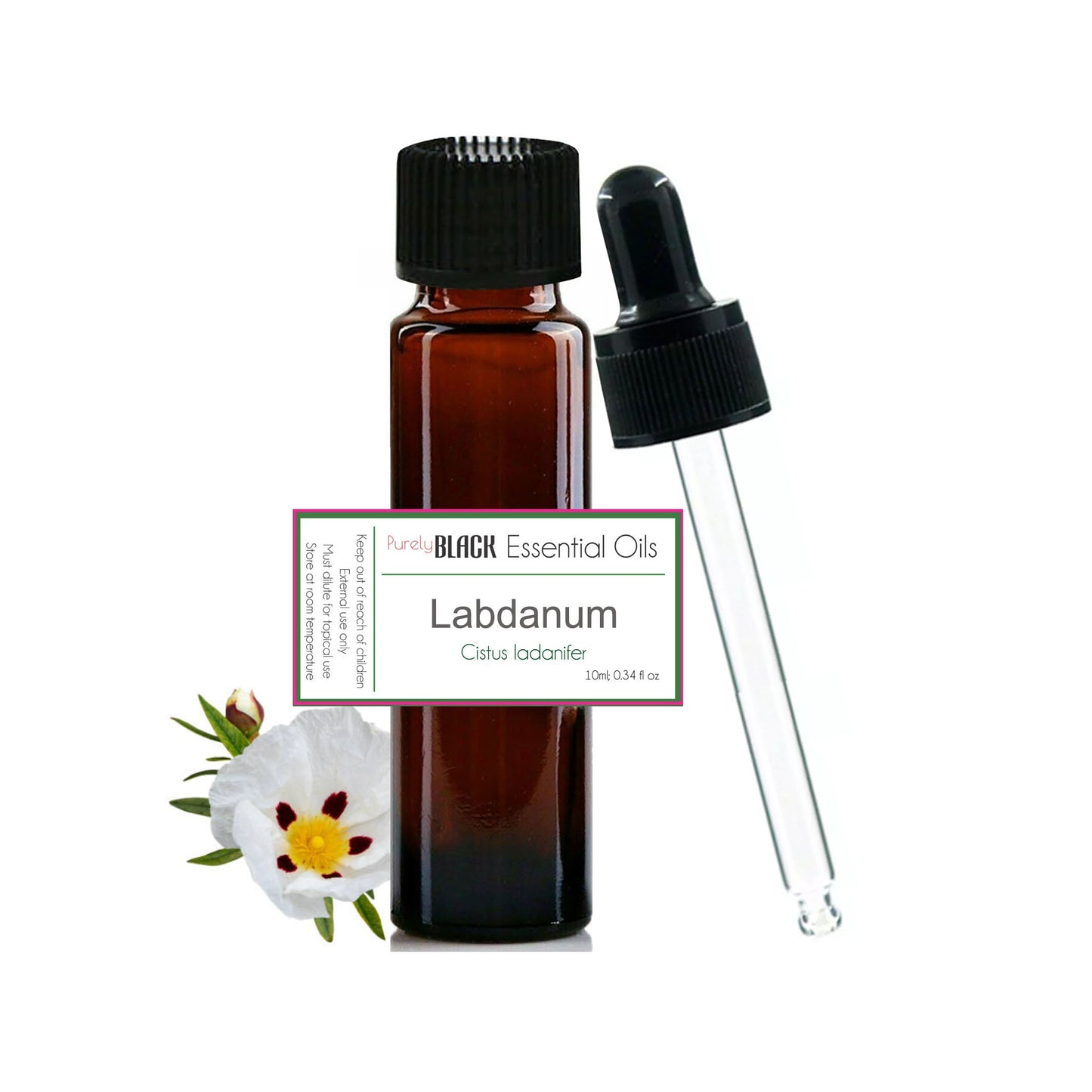
Labdanum essential oil is a deeply aromatic, resinous oil steam-distilled from the sticky gum of the Cistus ladanifer (rockrose) shrub native to the Mediterranean. Valued for its rich, amber-like fragrance, this unique botanical oil is primarily used in high-end natural perfumery, grounding aromatherapy blends, and restorative skincare formulations.
Where does labdanum essential oil come from?
Labdanum essential oil is derived from Cistus ladanifer, a flowering shrub belonging to the Cistaceae family. Commonly known as rockrose or gum rockrose, this resilient plant thrives in the dry, sun-drenched landscapes of the Mediterranean region, particularly Spain and Portugal.
During the intense summer heat, the plant secretes a sticky, highly fragrant oleoresin from its leaves and stems, which acts as a natural protective barrier. This raw resin, historically gathered by shepherds from the coats of grazing goats, is the precious source material from which the oil is obtained.
What does labdanum oil smell like?
Labdanum oil features a rich, complex aroma that is deeply warm, balsamic, woody, and reminiscent of sweet amber. Often referred to as "vegetable ambergris" due to its uncanny olfactory resemblance to rare ambergris, it serves as an exceptional base note in natural perfumery.
This powerful oil acts as a natural fixative, lending depth, mystery, and a long-lasting dry-down to aromatic creations. Its slow-evaporating scent profile reveals subtle hints of leather, spice, and dry herbs as it warms on the skin.
What are the key constituents of labdanum essential oil?
The intricate aromatic profile and skin-nourishing qualities of this oil are determined by its complex chemical makeup. Below are the primary natural compounds typically found in high-quality batches.
| Constituent | % Range | Character |
|---|---|---|
| alpha-Pinene | 30% - 50% | Fresh, woody, pine-like aroma; clarifying and purifying properties. |
| Camphene | 2% - 8% | Pungent, camphoraceous scent; offers comforting warmth. |
| Viridiflorol | 1% - 5% | Herbaceous, earthy note; highly valued for its skin-soothing benefits. |
| Bornyl acetate | 1% - 4% | Sweet, balsamic-pine aroma; contributes to a calming atmosphere. |
| p-Cymene | 1% - 3% | Warm, citrus-terpene scent; provides antioxidant support for the skin. |
How is labdanum essential oil extracted?
The extraction process begins with harvesting the sticky resin, or gum, from the Cistus ladanifer shrub during the peak of summer. This aromatic crude gum is carefully gathered and then subjected to gentle steam distillation.
The steam coaxes the volatile aromatic compounds from the dense resin, which are then cooled and condensed. The resulting liquid yields a highly concentrated, viscous, golden-brown essential oil that captures the true essence of the wild Mediterranean landscape.
How do you use labdanum oil?
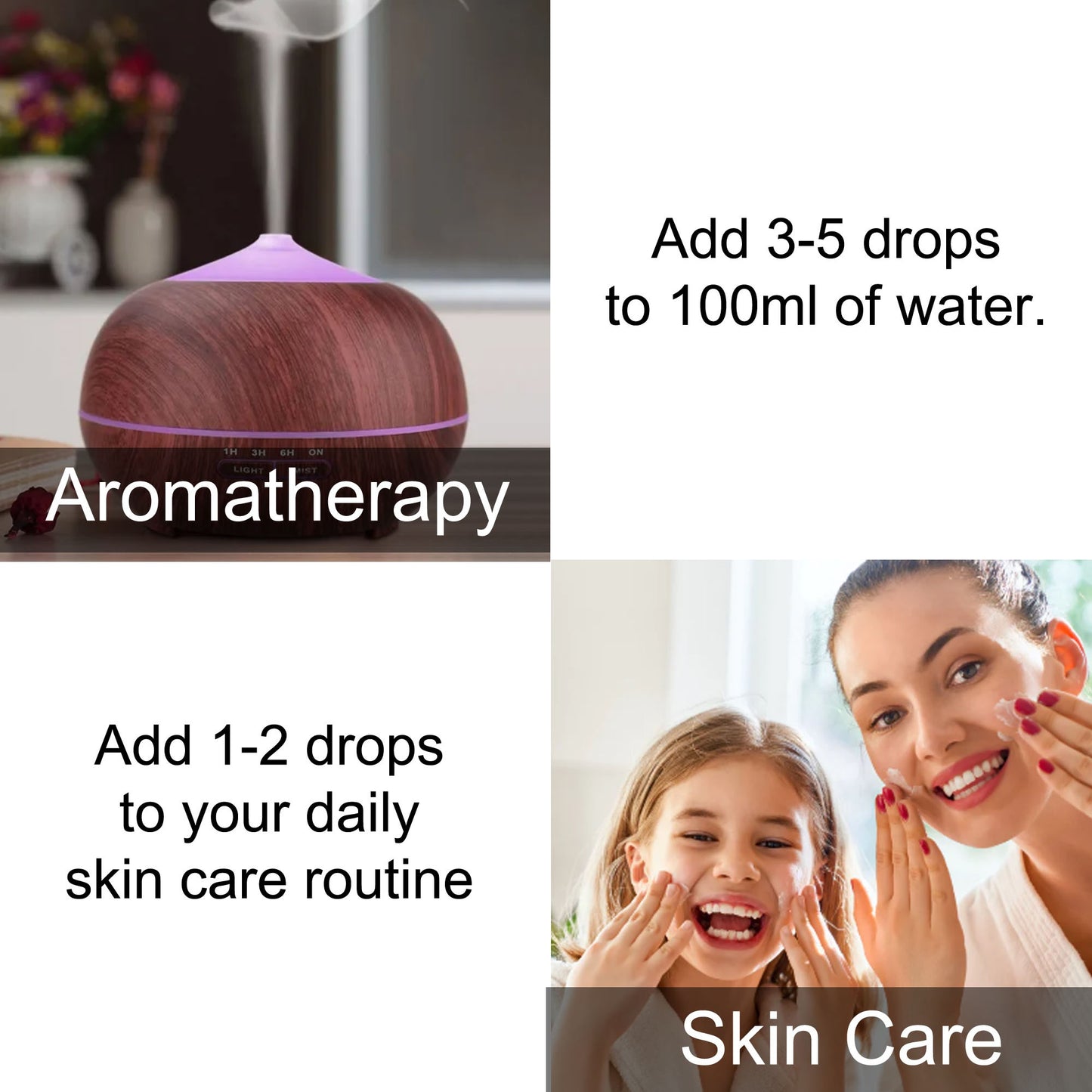
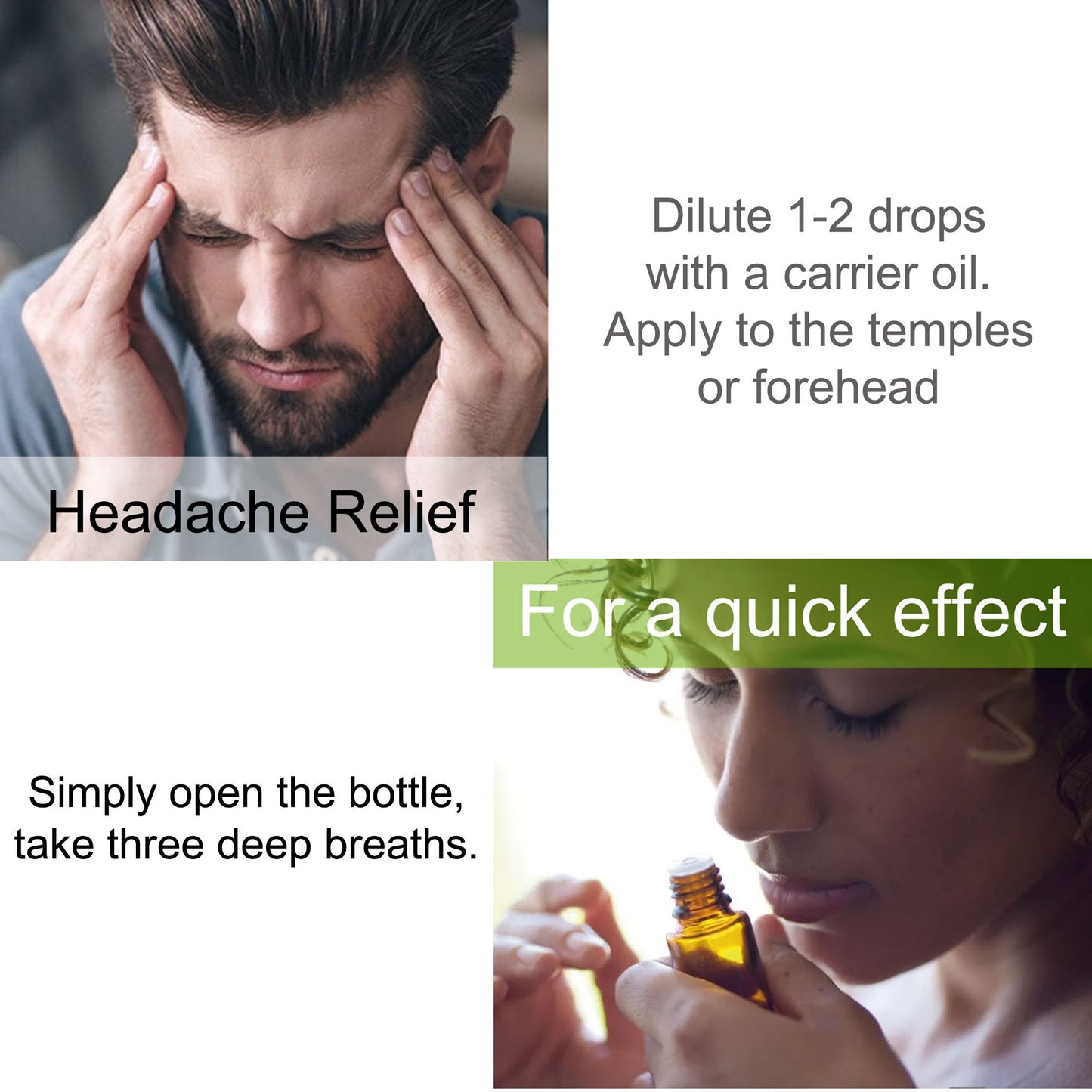
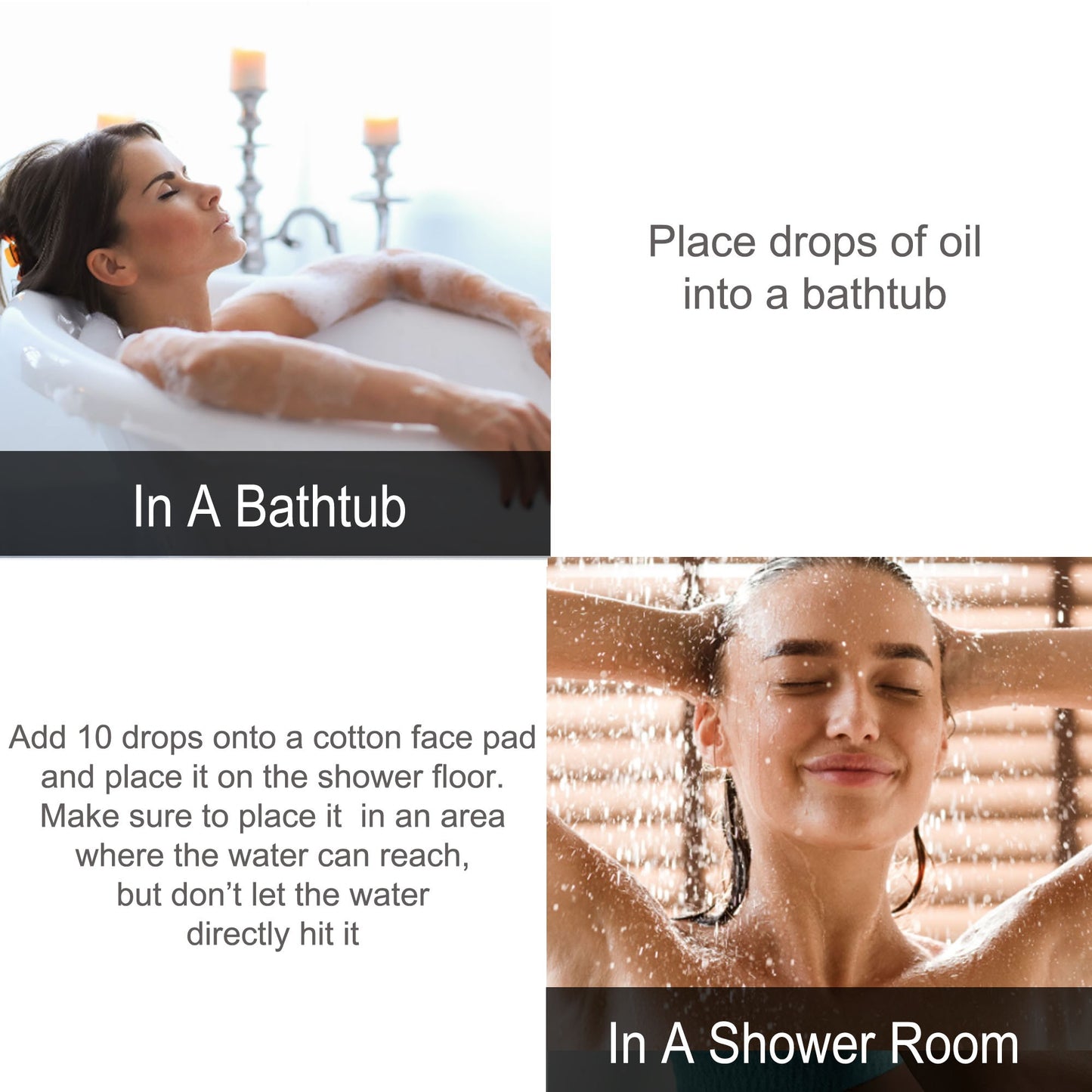
For a grounding and meditative atmosphere, add three to five drops of labdanum oil to your ultrasonic diffuser. The warm, resinous vapor helps clear the mind and encourages deep, peaceful breathing during yoga or quiet reflection.
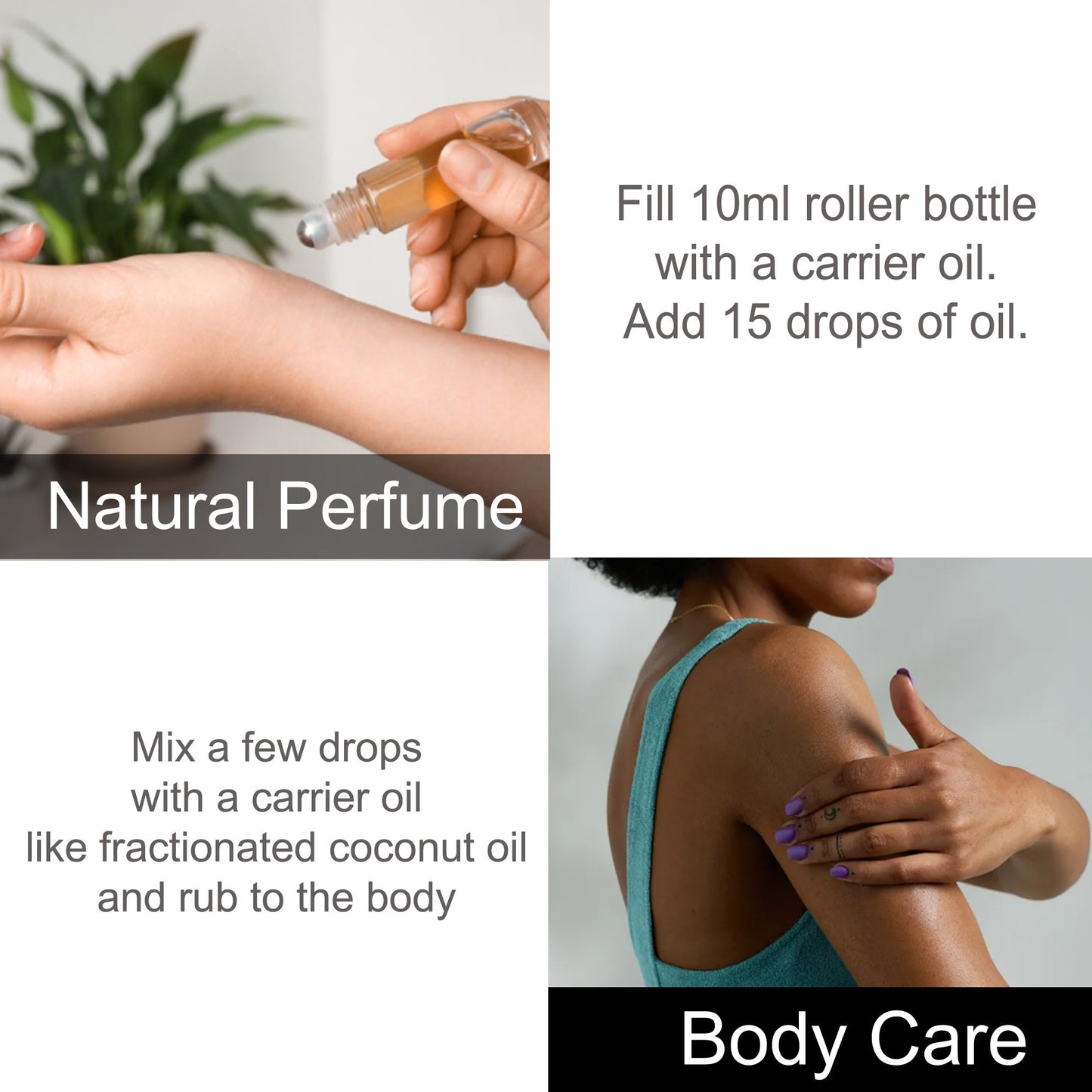
When applying topically, always dilute the oil to adhere to safe professional guidelines. The National Association for Holistic Aromatherapy (NAHA) recommends a 1% to 2% dilution for topical use on adults, which translates to mixing six to twelve drops of essential oil with 30ml of a gentle carrier oil, such as fractionated coconut oil. Please note that this botanical oil is highly concentrated and should never be used for culinary or internal purposes.
What does labdanum oil blend well with?
- Frankincense: This pairing deepens the meditative, sacred, and resinous characteristics of both oils.
- Patchouli: Adds a rich, earthy, and musky complexity that enhances the mysterious base notes.
- Sweet Orange: Lifts the heavy balsamic profile with a bright, uplifting splash of sweet citrus.
- Sandalwood: Creates a smooth, woody, and luxurious harmony that feels grounding and velvety.
- Bergamot: Introduces a fresh, spicy, and citrusy contrast that balances the dense amber aroma.
Is labdanum essential oil safe?
Labdanum essential oil is generally safe for topical and aromatic use when properly diluted. Because of its high pinene content, it is prone to oxidation, so it must be stored in a cool, dark place with the lid tightly sealed to prevent skin sensitisation.
Always perform a patch test prior to skin application, and consult a healthcare professional before use if you are pregnant, nursing, or managing sensitive skin conditions. Keep this potent botanical oil securely out of reach of children and pets.
Where to buy labdanum essential oil in Australia
When sourcing premium botanicals, purelyBlack offers an exceptional selection of sustainably sourced, high-integrity products. As a trusted Australian-owned brand, we prioritise absolute transparency, ensuring our essential oils are third-party tested and meticulously bottled to preserve their vibrant natural qualities.
Explore Our Labdanum Oil Guides
- Pure Labdanum Oil for Natural Perfumery & Scent Crafting: Benefits, Uses and Safety in Australia
- Pure Labdanum Oil for Wrinkles: Benefits, Uses and Safety
- Pure Labdanum Oil for Meditation: Benefits, Uses and Safety in Australia
Disclaimer: This information is for educational purposes only. These statements have not been evaluated by the Therapeutic Goods Administration (TGA), and this product is not intended to diagnose, treat, cure, or prevent any disease. Always consult a healthcare professional before use.
About the Author: Formulated & Written by H.R. Kim
Founder at purelyBlack — an Australian-owned botanical perfumery and essential oil supplier based in Sydney. Blending a deep knowledge of molecular ingredient chemistry with holistic aromatherapy, H.R. specialises in creating harmonious, safe, and effective essential oil blends for natural home fragrance, cosmetic balancing, and daily wellness.
