
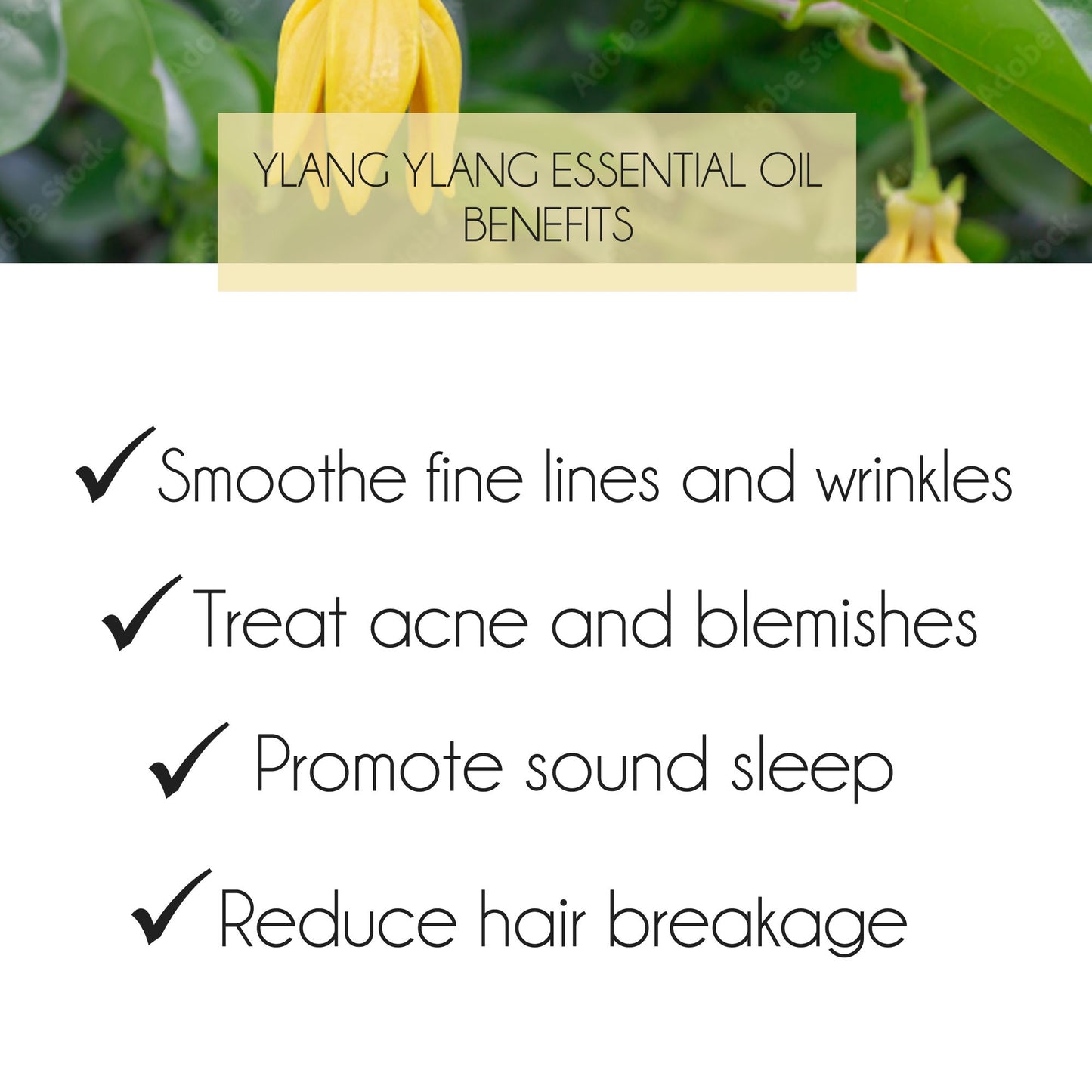
Diffusing Ylang Ylang Oil in Your Home
What Does Ylang Ylang Smell Like?
Ylang Ylang features a rich, sweet floral scent with distinct tropical, fruity undertones and a creamy, slightly spicy aromatic finish.- Floral Character: It delivers a deep, lush blossom fragrance similar to jasmine with intense sweet notes.
- Creamy Depth: The underlying aroma provides smooth, custardy layers that balance sharp top notes in blends.
- Spicy Undertones: Soft balsamic and subtly spicy accents emerge as the heart notes disperse into the room.


Aromatic Profile and Botanical Origins
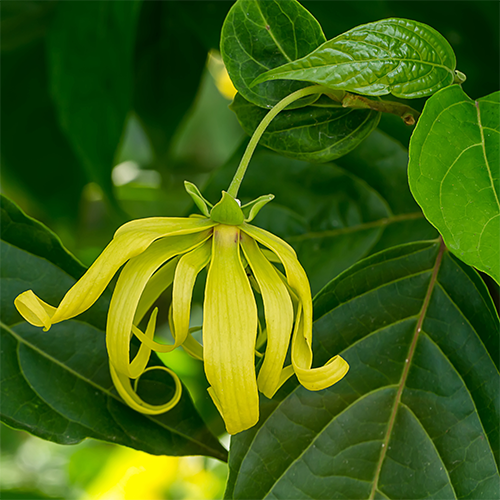
The unique aroma of Ylang Ylang comes directly from the yellow star-shaped flowers of the Cananga odorata tree, a tropical species belonging to the Annonaceae plant family. Originating from tropical regions such as Madagascar and the Comoros Islands, the delicate fresh flowers are carefully harvested at dawn when their volatile aroma compounds reach peak concentration.
Through traditional steam distillation, the vapour captures complex volatile layers that make Ylang Ylang essential oil famous worldwide. When diffused throughout Australian homes, these sweet floral top notes immediately elevate the living environment.
Diffusing Floral Aromas in Home Spaces
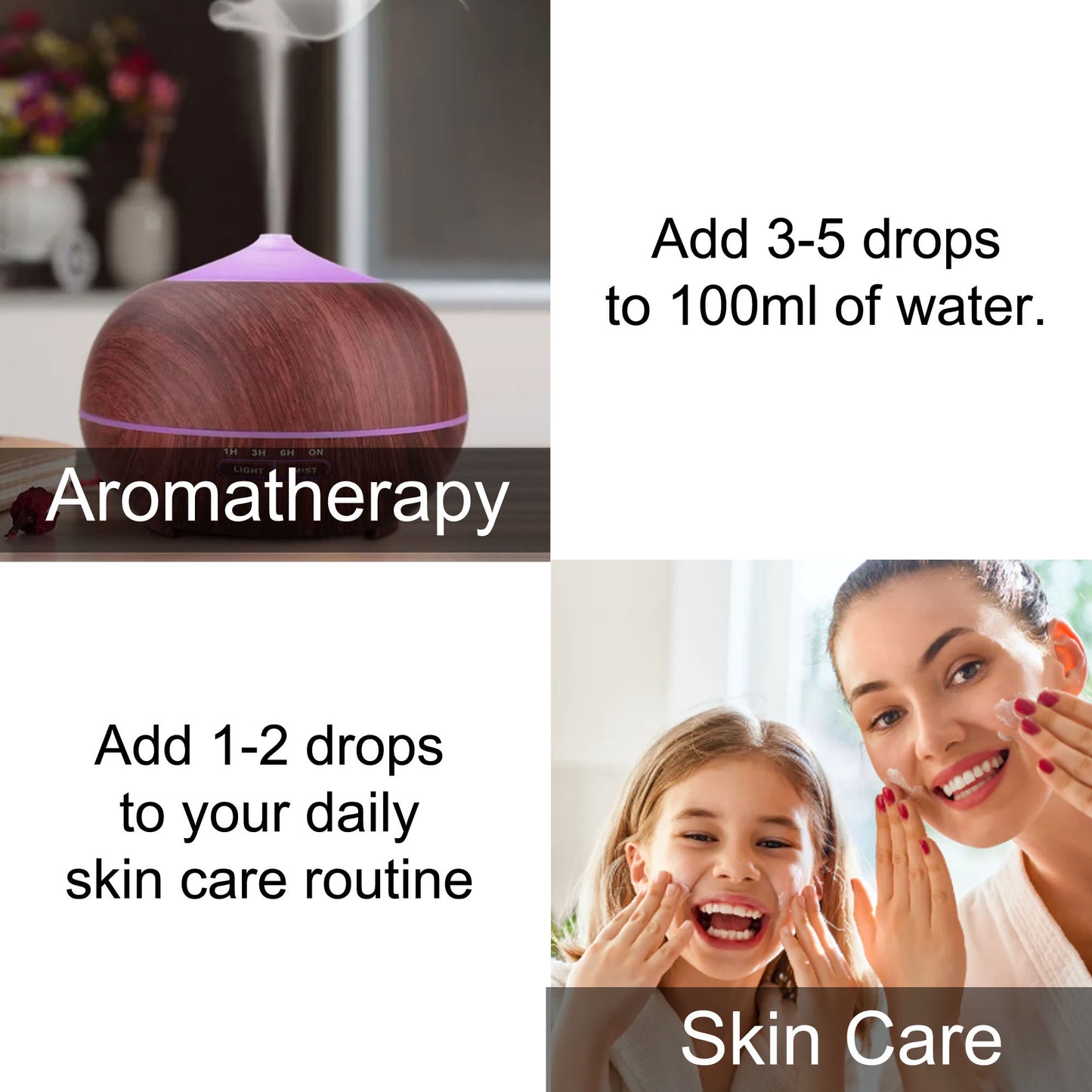
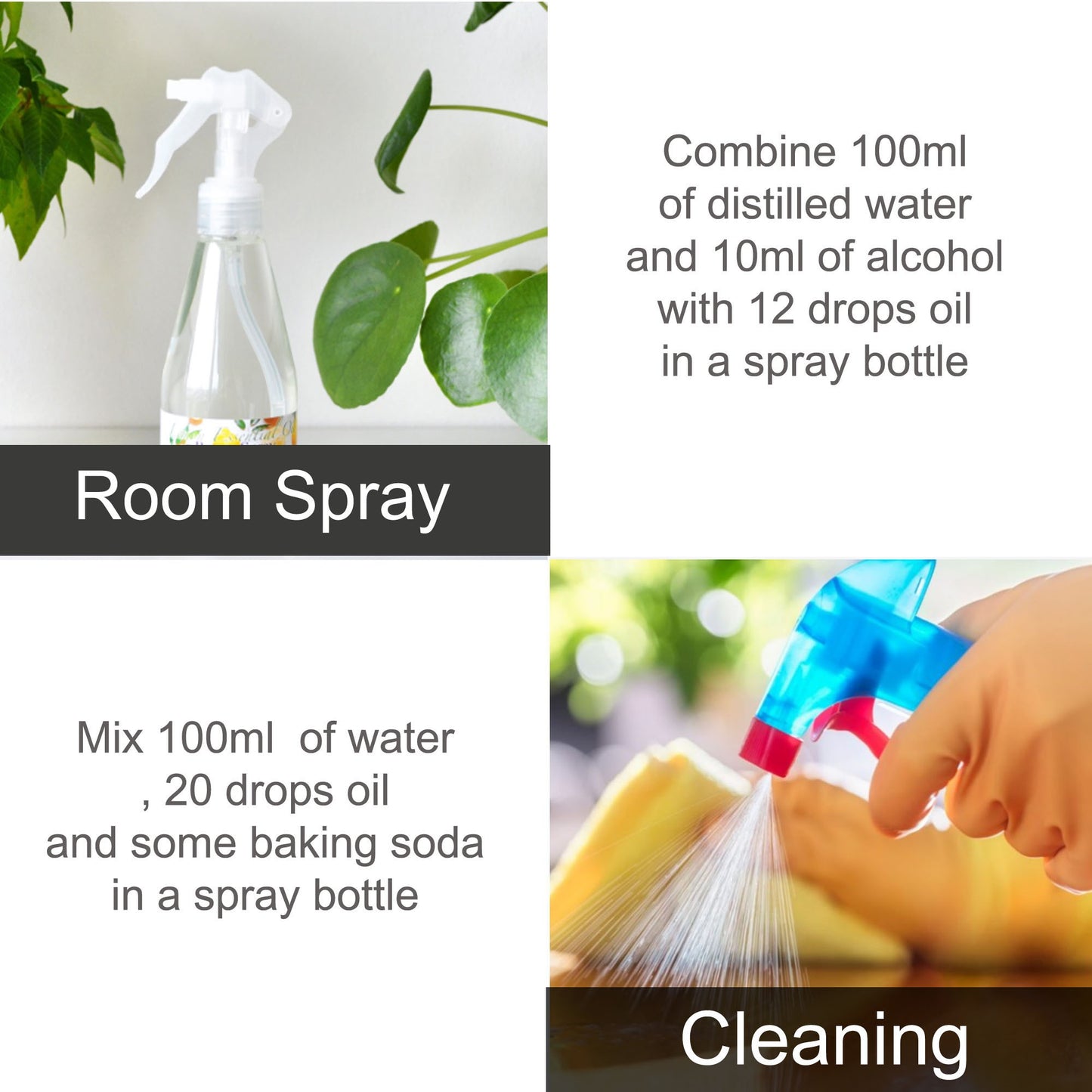
Diffusing Ylang Ylang oil creates an inviting botanical atmosphere that softens indoor air. Because the fragrance is naturally potent, only a few drops are needed in an ultrasonic diffuser to fill open-plan living areas.
Many home scenting enthusiasts enjoy pairing this floral heart note with refreshing green or citrus undertones. The result is a welcoming, tranquil atmosphere suitable for quiet evenings or relaxing weekends.
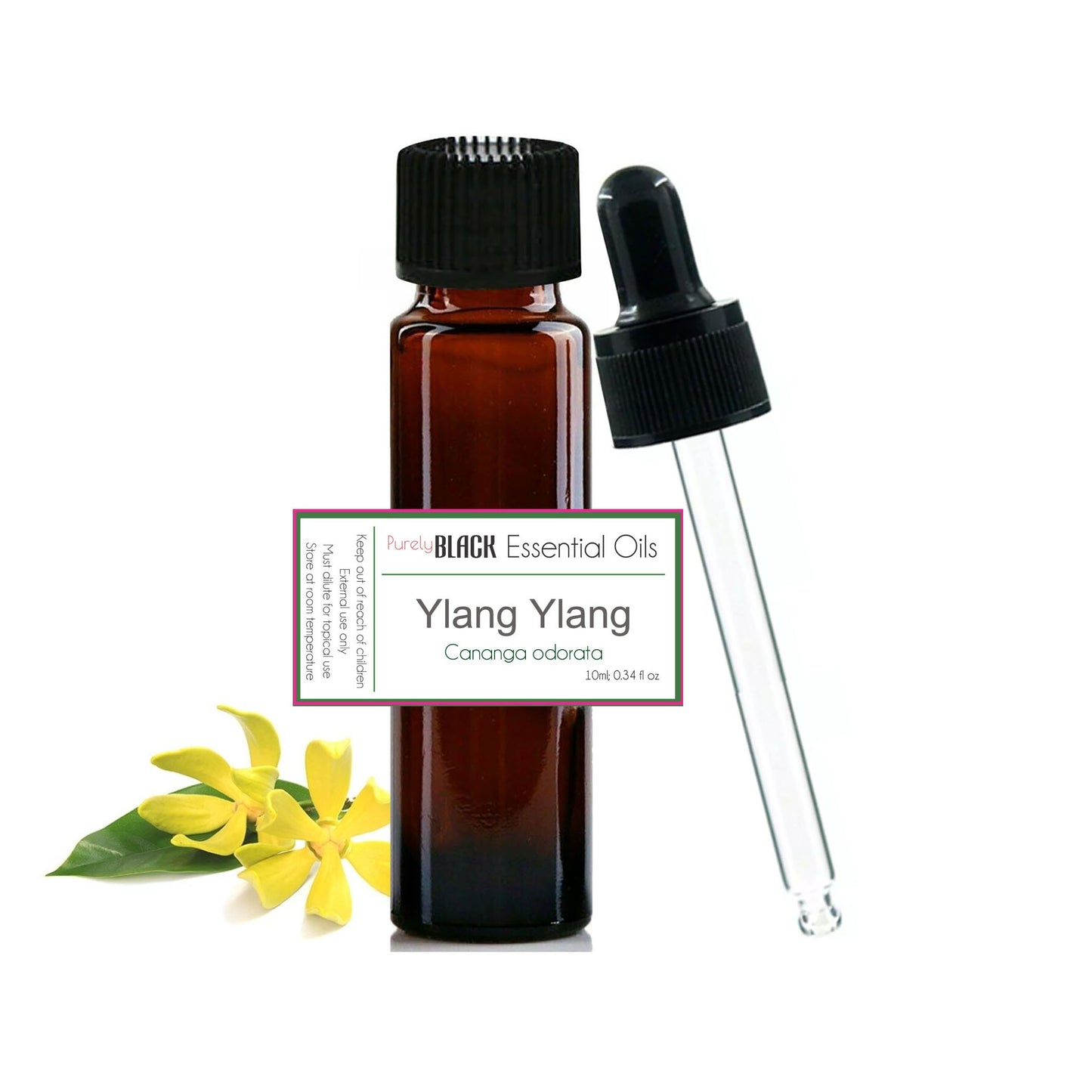
purelyBlack's pure ylang ylang oil is available as a 100% pure essential oil, dispatched from Sydney.
Why Does Ylang Ylang Smell So Good?
Ylang Ylang smells extraordinary due to a complex natural blend of aromatic constituents including linalool, germacrene D, and sweet floral esters.Chemical Composition of Ylang Ylang Oil
The seductive fragrance profile of Ylang Ylang oil is governed by its rich chemical makeup. Key natural constituents include linalool at up to 30%, germacrene D at 15–20%, and benzyl acetate at 10–15%, according to a published phytochemical study.
Linalool provides a gentle floral-woody nuance, while benzyl acetate gives the oil its intense, jasmine-like sweetness. Additional sesquiterpenes like beta-caryophyllene contribute a grounding, slightly woody depth that stabilizes the overall fragrance.
| Constituent | Average Content (%) | Aromatic Contribution |
|---|---|---|
| Linalool | 15% – 30% | Soft, clean floral and herbaceous notes |
| Germacrene D | 15% – 20% | Warm, woody, and earthy undertones |
| Benzyl Acetate | 10% – 15% | Sweet, intense, jasmine-like floral top note |
| Beta-Caryophyllene | 5% – 10% | Subtle spicy and balsamic background |
Fragrance Grading and Extraction Fractions
During steam distillation, the fragrance compounds are drawn off at different time intervals, creating distinct distillation grades. The extra and first fractions contain the highest proportion of sweet, lighter ester molecules.
A complete distillation combines all fractions, delivering a balanced botanical profile ideal for diffuser home scenting. This full spectrum of natural notes ensures a long-lasting, multifaceted fragrance experience.


What Goes Well With Ylang Ylang?
Ylang Ylang blends exceptionally well with citrus essential oils, woody notes, and warm spices to create balanced home diffuser recipes.- Citrus Blends: Crisp citrus notes brightened by sweet blossoms produce energising yet harmonious indoor air mixtures.
- Woody Pairings: Deep forest oils ground heavy floral aromas, creating sophisticated and calming scent profiles.
- Spicy Synergies: Warm botanical spices add exotic complexity that enhances romantic and cosy home atmospheres.
Custom Diffuser Blend Recipes
Combining Ylang Ylang with complementary botanicals allows you to customize the ambient scent of your living area. Citrus oils such as sweet orange, lemon, or bergamot lift the heavy sweetness, creating an uplifting environment.
For a grounding evening blend, pair three drops of Ylang Ylang essential oil with two drops of Cedarwood Oil in your ultrasonic unit. This rich combination promotes a tranquil atmosphere ideal for unwinding after a busy day.
Exotic Spice and Herbal Formulations
Warm spices offer another delightful avenue for aromatic blending. A single drop of Cinnamon Oil or Vanilla Oil softened by floral heart notes delivers a cozy, luxurious room scent.
Herbaceous notes like vetiver or coriander also interact beautifully with Ylang Ylang, softening bright floral highlights. Experimenting with small drop counts helps achieve the perfect aromatic balance for any room size.
Is Ylang Ylang Safe For Humans?
Yes, Ylang Ylang is safe for human topical use and diffusion when properly diluted and used according to standard guidelines.Topical Application and Dilution Guidelines
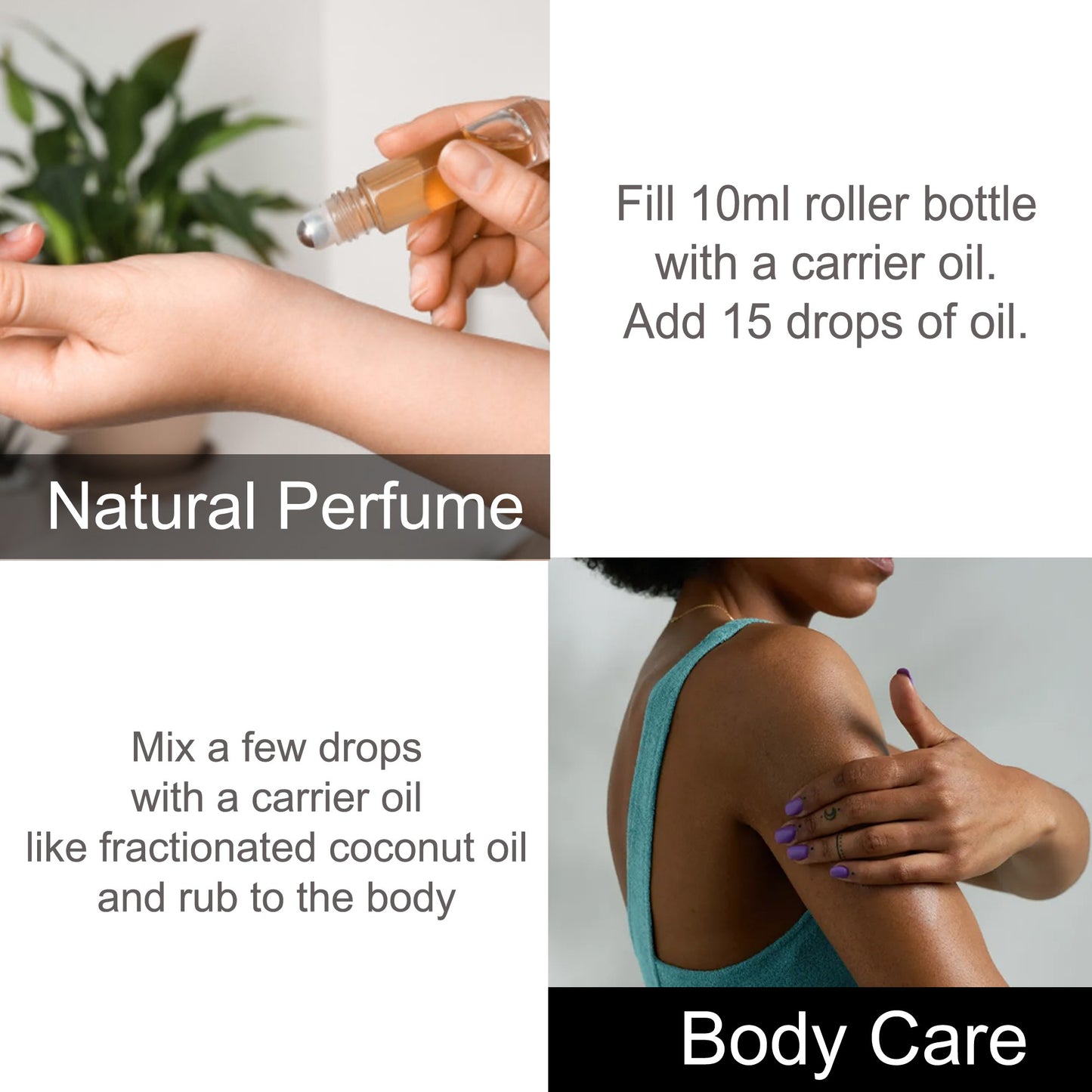
When applied to the skin, Ylang Ylang oil must always be diluted in a suitable botanical carrier oil to ensure safe application. A safe standard dilution for healthy adults is 1% to 2%, which equates to roughly three to six drops per 10ml of carrier oil.
Mixing Ylang Ylang with Fractionated Coconut Oil ensures fast skin absorption without clogging pores. Performing a 24-hour patch test on the inner forearm is recommended prior to broader topical use.
Diffusion Practices and Room Ventilation
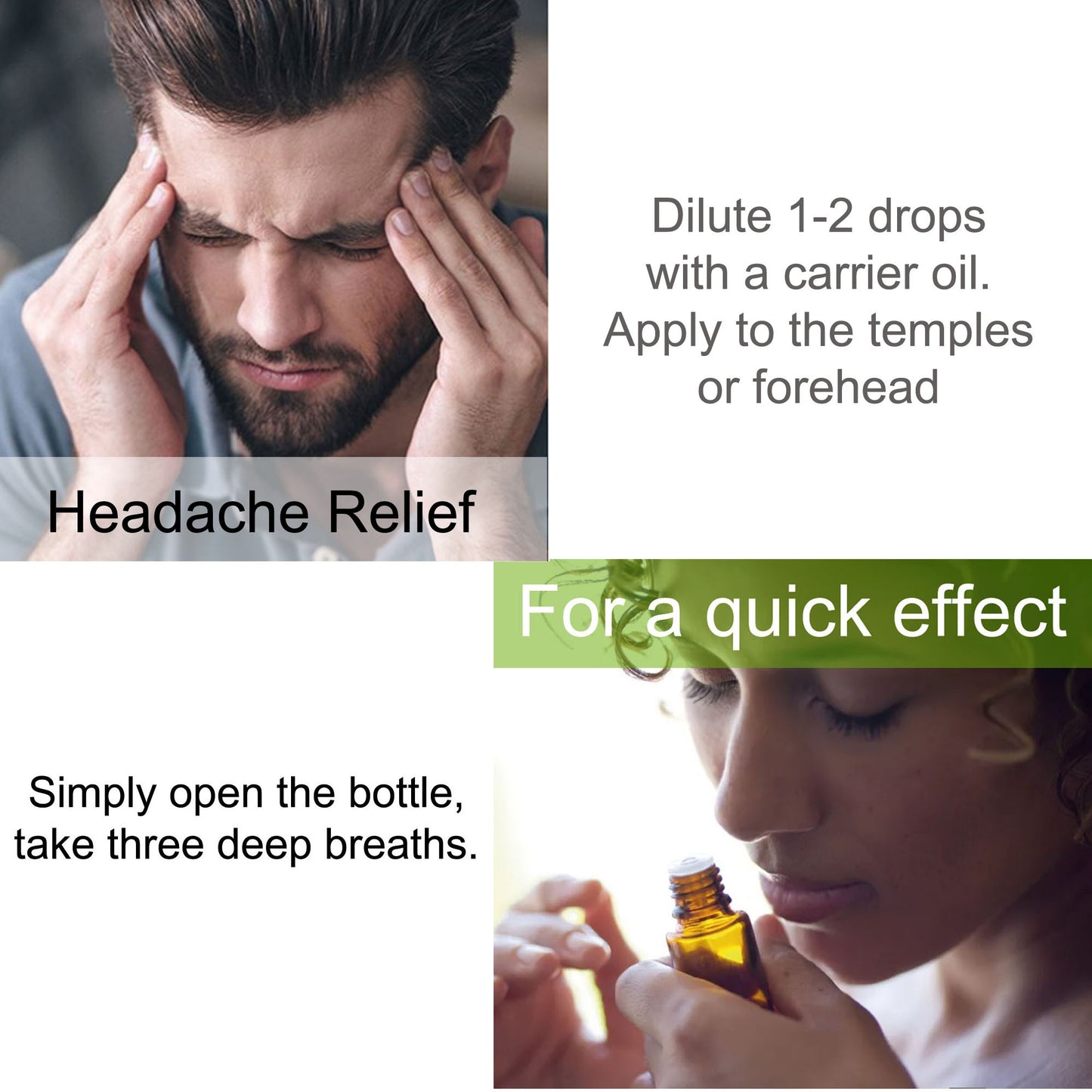
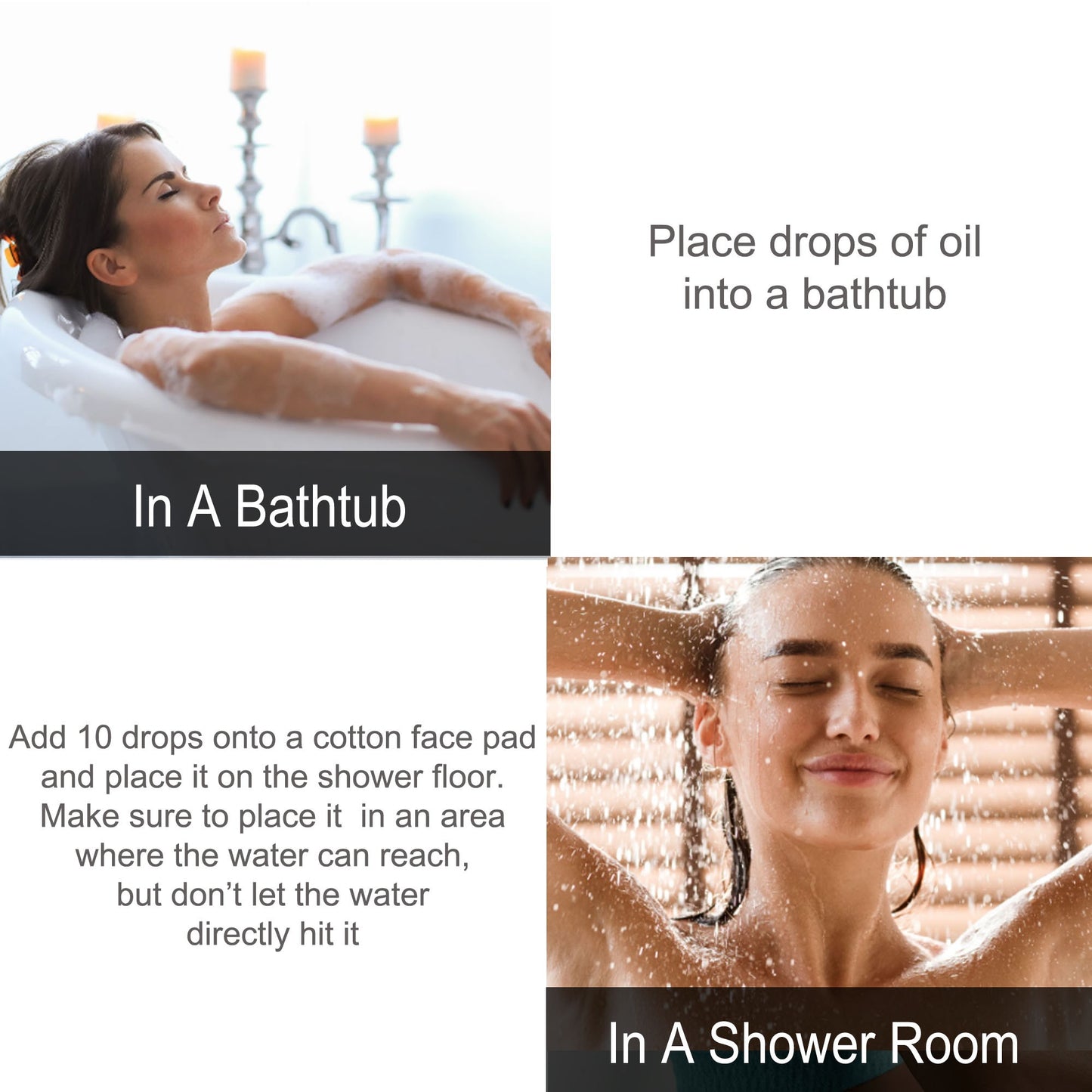
Inhaling diffused Ylang Ylang provides aromatic comfort across household living spaces. For standard room diffusers, using three to five drops is typically sufficient to scent a medium-sized bedroom or lounge area.
It is best to run diffusers in well-ventilated rooms for 30 to 60 minute intervals. This intermittent diffusion method maintains pleasant ambient fragrance without overwhelming room occupants.
Who Should Not Use Ylang Ylang?
Individuals with severe low blood pressure, sensitive skin prone to dermatitis, or known fragrance allergies should avoid using Ylang Ylang.Sensitivity, Headaches, and Blood Pressure Precautions
Because Ylang Ylang essential oil possesses a strong, sweet scent, overuse in unventilated spaces can occasionally trigger mild headaches or nausea. Individuals prone to migraines should start with low drop counts when diffusing at home.
When experiencing sensitivity or reactive skin conditions, avoid un-diluted application entirely. Those taking medication for low blood pressure should exercise extra caution, as intense floral aromas can promote deep relaxation.
Pets and Home Aromatherapy Considerations
Caution is advised when diffusing strong floral essential oils in households with pets, particularly cats and small dogs. Ensure animals can freely leave any room where diffusion is actively occurring.
To expand your understanding of topical applications and relaxation methods, explore our companion guides. Learn details in How to Use Ylang Ylang Essential Oil for Skin Care or discover benefits in The Benefits of Ylang Ylang Essential Oil for Anxiety and Sleep.
To explore similar profiles, discover these pure purelyBlack creations: Nutmeg Oil, Cypress Oil, and Calamus Oil — each dispatched from Sydney.
Related Reading
- Exotic Floral Aromatherapy with Pure Ylang Ylang Essential Oil in Australia
- The Benefits of Ylang Ylang Oil for Anxiety and Sleep
- How to Use Ylang Ylang Oil for Skin Care
About the Author
Written by H.R. Kim
Founder at purelyBlack — an Australian-owned perfumery and botanical studio based in Sydney. H.R. specialises in scent profiling and natural ingredient sourcing, meticulously balancing premium fragrance oils and 100% pure essential oils to create elevated aromatic experiences.
Last updated: August 2026
Disclaimer: purelyBlack essential oils are for external use and aromatherapy purposes only. They are not intended to diagnose, treat, cure, or prevent any disease. Always dilute with a carrier oil before topical application and consult a healthcare professional if pregnant or under medical supervision.
