






Does Rosemary Oil Really Work for Hair Growth?
Does rosemary oil really work on hair growth?
When experiencing hair thinning, many people turn to botanical topical applications to help support a healthy scalp and fuller appearance.- Scalp Circulation: Botanical compounds support blood flow around hair follicles during routine scalp massages.
- Follicle Support: Massaging diluted botanical blends into hair roots helps maintain healthy scalp conditions over time.
- Strand Integrity: Regular topical nourishment helps minimize breakage and maintains existing hair density naturally.


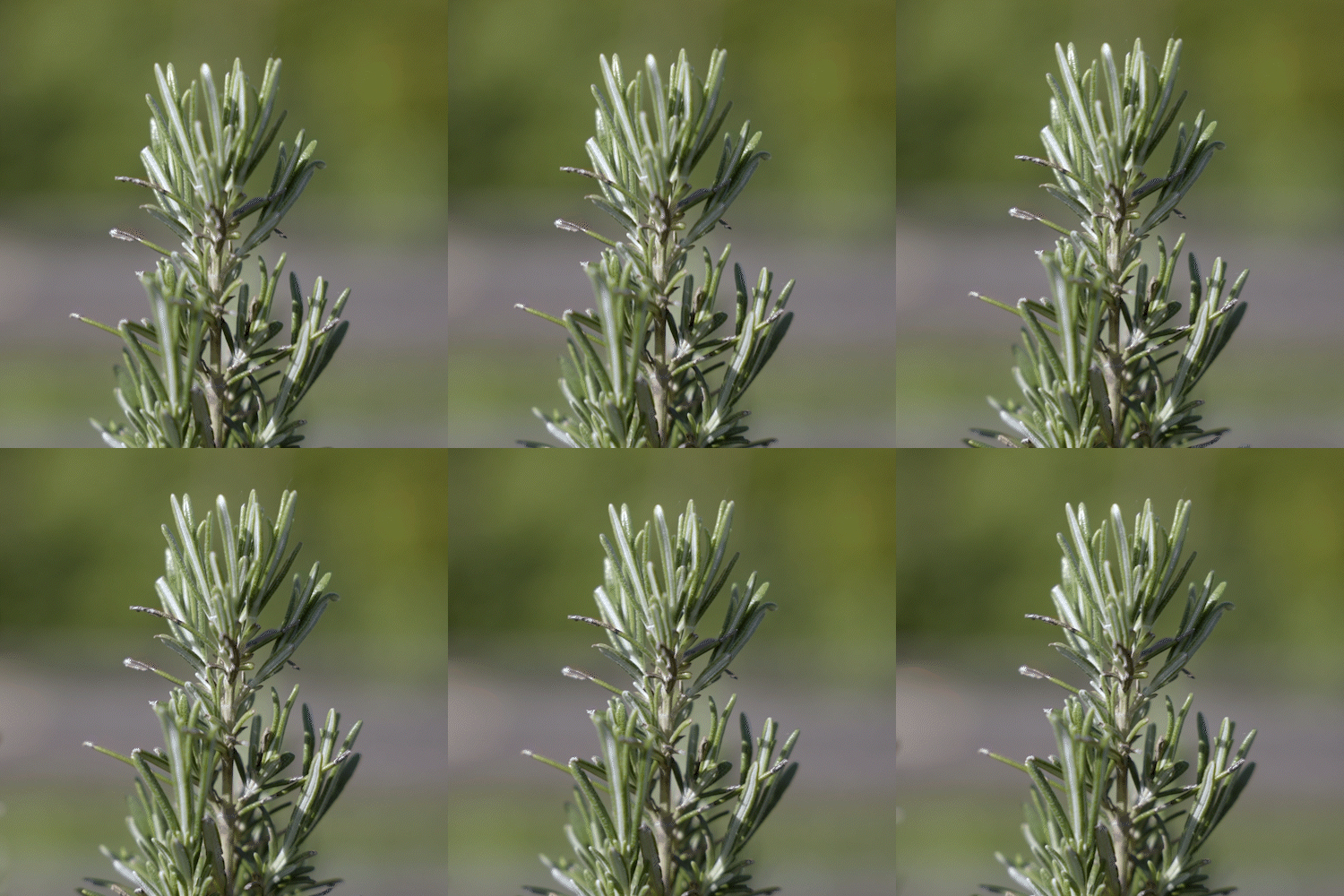
Topical application of botanical extracts has long been valued in traditional hair care routines. Derived from Salvia rosmarinus, an aromatic shrub belonging to the Lamiaceae plant family, this extract is steam distilled from the flowering tops and leaves of plants native to the Mediterranean region. Modern research highlights its rich chemical profile, containing major constituents such as 1,8-cineole (20–50%), alpha-pinene (15–25%), and camphor (10–25%), as recorded in a published phytochemical study.
When applied to the scalp alongside physical massage, these natural aromatic compounds help energise the skin surface and provide deep aromatic comfort. Many individuals across Australia incorporate Rosemary essential oil into weekly head massages to nourish dry scalp tissues and promote stronger, healthier-looking hair strands. The natural invigorating sensation created by camphor and cineole helps revitalize dull hair while improving overall scalp hygiene.
By keeping the scalp balanced and free from excessive sebum buildup, routine botanical treatments foster an ideal environment for natural hair retention. Combining Rosemary with soothing botanical oils like Neroli or Coriander creates a relaxing aroma that elevates self-care routines. Consistency remains the primary factor when incorporating natural plant extracts into any holistic beauty regimen.
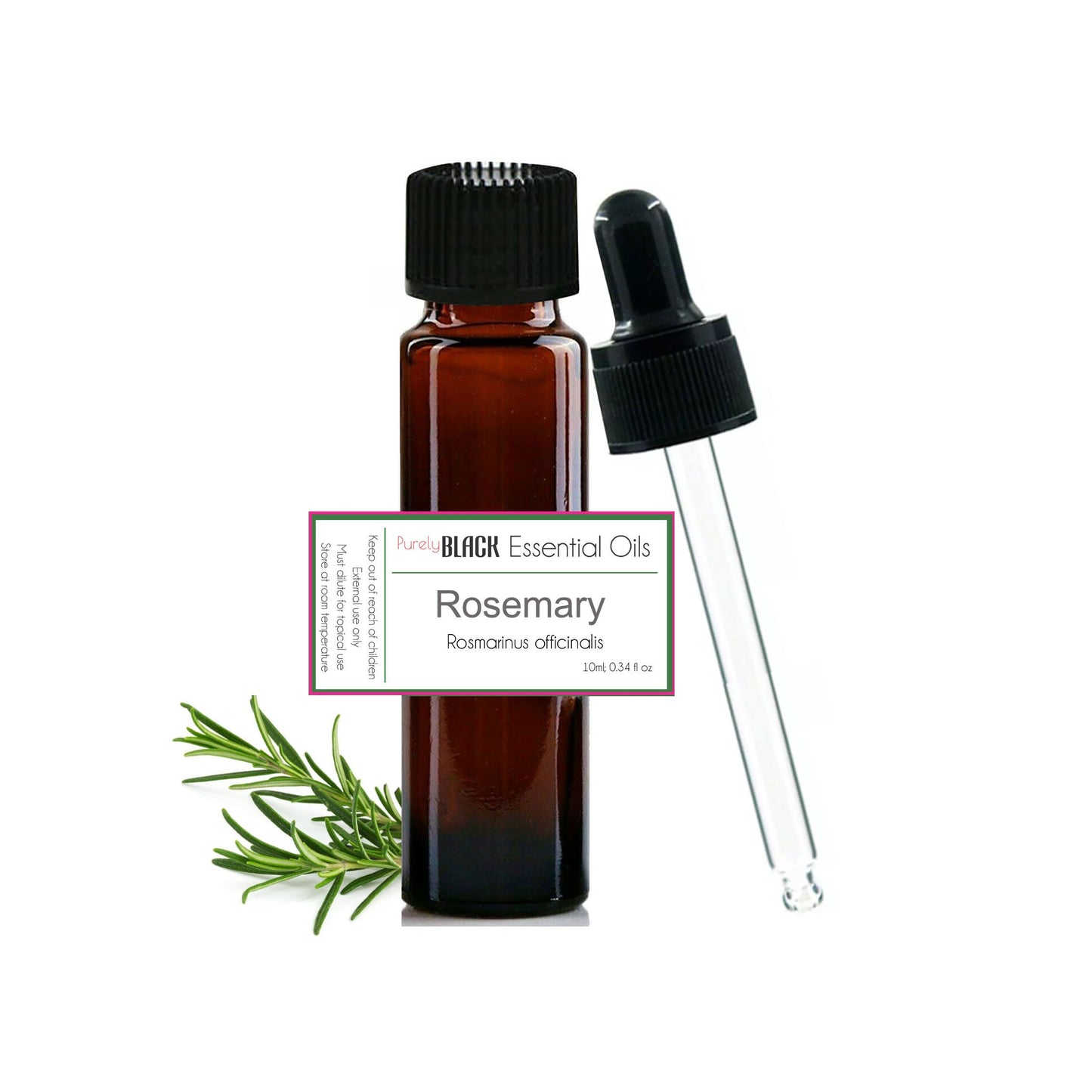
purelyBlack's pure rosemary oil is available as a 100% pure essential oil, dispatched from Sydney.
How long does it take rosemary oil to grow hair?
Visible improvements in hair texture and scalp comfort generally require consistent botanical application over three to six months.| Timeline | Application Frequency | Expected Scalp & Hair Focus |
|---|---|---|
| Weeks 1–4 | 2–3 times weekly | Enhanced scalp hydration and refreshed skin comfort |
| Months 2–3 | 2–3 times weekly | Improved strand smoothness and reduced breakage |
| Months 4–6 | Consistent weekly use | Optimal scalp environment supporting fuller hair density |
Hair growth cycles progress through distinct physiological phases, meaning external botanical treatments require steady application before subtle changes become apparent. During the initial four weeks of use, most individuals notice an improvement in scalp hydration, reduced dryness, and a cleaner sensation at the roots. Consistent scalp massage with Rosemary essential oil helps condition the epidermal surface and clear residual styling product accumulation.
By the third month of regular twice-weekly applications, hair strands often demonstrate improved resilience, reduced brittleness, and greater natural shine. Patience is essential because natural plant extracts work by supporting the body's existing biological rhythms rather than producing artificial immediate alterations. Integrating complementary refreshing botanicals such as Lime or Cardamom into surrounding wellness spaces further enhances the invigorating sensory experience during weekly hair treatments.


What happens if you put rosemary oil in your hair every day?
Daily application of undiluted essential oil can cause scalp irritation, dryness, or buildup, making moderate weekly use far better.- Scalp Sensitivity: Frequent undiluted use can disrupt the natural scalp barrier, causing redness or itching.
- Product Buildup: Applying botanical oils daily without thorough washing may leave greasy residues on hair shafts.
- Optimal Balance: Limiting topical routines to two or three times weekly yields better botanical support.
Essential oils are highly concentrated botanical distillates that demand respect and proper dilution before touching human skin. Applying concentrated Rosemary oil daily without adequate rest periods can overburden the sensitive cutaneous barrier of the scalp, potentially triggering contact sensitivity or excessive peeling. Furthermore, leaving heavy oil coatings on the scalp every day without clarifying shampoos can clog hair follicles and trap environmental dust.
To safely enjoy the revitalizing qualities of Rosemary, blend three to five drops into thirty millilitres of a lightweight carrier oil such as Fractionated Coconut Oil. Performing this treatment two to three times per week provides ample botanical stimulation while allowing the scalp natural breathing room between applications. Practising proper dilution guarantees long-term safety and maximizes the botanical comfort delivered to your hair roots.
What is the disadvantage of rosemary oil for hair?
The main disadvantages include mandatory dilution, the requirement for long-term consistency, and potential skin irritation if misapplied.While natural plant extracts offer a wholesome alternative to synthetic hair formulations, they require meticulous preparation and realistic expectations. The primary disadvantage of using Rosemary for hair care lies in the necessity for proper dilution in suitable plant oils prior to every topical application. Using pure concentrated extracts directly on the skin can provoke tingling, burning sensations, or localized dermal discomfort.
Additionally, botanical remedies do not yield overnight results, demanding dedicated weekly effort over several months to observe meaningful improvements. Users seeking immediate cosmetic transformations may find the patient timeline of natural botanical care challenging. Proper handling, cautious patch testing, and disciplined storage away from heat and sunlight are required to maintain oil potency and avoid oxidation.
What are the side effects of rosemary oil on hair?
Potential side effects include localized scalp itching, contact dermatitis, allergic redness, or increased skin dryness from excessive application.Side effects associated with Rosemary essential oil are predominantly dermatological and stem from incorrect dilution, pre-existing skin sensitivities, or over-application. Individuals with hyper-sensitive skin or active scalp conditions may experience acute redness, stinging, or localized flake formation when exposed to high chemical concentrations like camphor and cineole. In rare instances, volatile aromatic vapors can cause eye watering if applied too close to the face or hairline.
To minimize the risk of unwanted side effects, always execute a preliminary skin patch test on the inner forearm before applying new botanical mixtures to your head. Leave the diluted solution on the inner elbow for twenty-four hours to check for adverse reactions or inflammation. If any burning or rash develops, discontinue application immediately and wash the affected area thoroughly with mild soap and tepid water.
What is the correct way to use rosemary oil?
The correct method involves diluting two drops of essential oil in a carrier oil before massaging into the scalp.To achieve maximum benefit from your hair care routine, follow a standardized dilution ratio of one to two percent essential oil in a neutral carrier medium. Mix three to five drops of Rosemary oil into fifteen millilitres of plant-based oil, then warm the mixture gently between your palms. Using your fingertips, massage the diluted oil evenly across the entire scalp using small circular motions for five to ten minutes to encourage local circulation.
Allow the botanical rinse to remain on the hair for at least thirty minutes, or wrap your head in a warm towel for deeper conditioning before washing thoroughly with a gentle shampoo. Alternatively, you can add a few drops of Rosemary essential oil to your regular shampoo bottle or combine it with Organic Rosewater for a light scalp mist. Incorporating this routine twice weekly provides balanced care while supporting a healthy complexion across your scalp.
To explore similar profiles, discover these pure purelyBlack creations: Thyme Oil, Tangerine Oil, and Cinnamon Oil — each dispatched from Sydney.
Interested in learning more about botanical wellness? Read our companion guide: What Is Rosemary Oil Good For Beyond Hair?
Related Reading
For more on rosemary oil, see our companion guides: A Complete Everyday Guide to Pure Rosemary Essential Oil in Australia. What Is Rosemary Oil Good For Beyond Hair?.
About the Author
Written by H.R. Kim
Founder at purelyBlack — an Australian-owned perfumery and botanical studio based in Sydney. H.R. specialises in scent profiling and natural ingredient sourcing, meticulously balancing premium fragrance oils and 100% pure essential oils to create elevated aromatic experiences.
Last updated: August 2026
Disclaimer: purelyBlack essential oils are for external use and aromatherapy purposes only. They are not intended to diagnose, treat, cure, or prevent any disease. Always dilute with a carrier oil before topical application and consult a healthcare professional if pregnant or under medical supervision.
