


Is Lemongrass Oil Safe? Side Effects and Who Should Avoid It
What are the side effects of lemongrass oil?
Common side effects of lemongrass oil include skin irritation, contact dermatitis, allergic hypersensitivity, and mucous membrane discomfort when improperly applied.
- Skin Sensitisation: Undiluted dermal application may cause redness, rash, or burning sensations on sensitive skin types.
- Mucous Irritation: Diffusing heavily in unventilated areas can irritate nasal passages, eyes, and upper respiratory system pathways.
- Photosensitive Reaction: Concentrated topical use may occasionally cause mild skin reactivity when exposed to direct sun rays.


Extracted via steam distillation from the leafy foliage of Cymbopogon flexuosus (belonging to the Poaceae botanical family), Lemongrass essential oil possesses a vibrant, citrus-herbal aroma profile. The secondary metabolite composition is dominated by the isomeric aldehydes geranial and neral—collectively recognised as citral—which typically account for 70% to 80% of the natural oil. While citral provides exceptional cleansing qualities, this high aldehyde concentration makes Lemongrass oil a potent skin sensitiser if applied without adequate dilution.
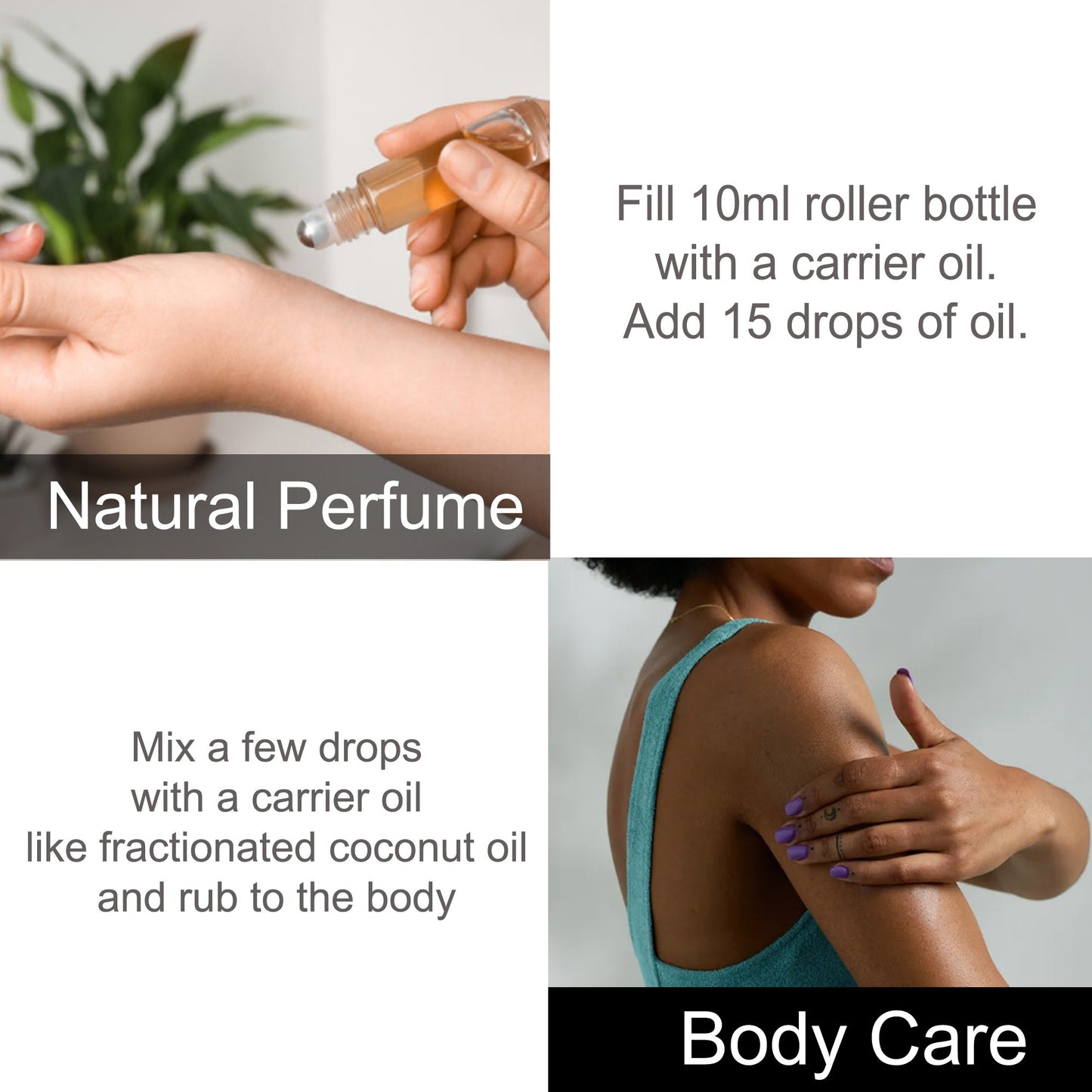
When experiencing topical irritation or allergic contact dermatitis from botanical extracts, individuals often notice localized erythema or mild itching within hours of exposure. To minimise dermal risk, Lemongrass should always be combined with a gentle lipid base such as Fractionated Coconut Oil before topical use. Performing a patch test on a small patch of skin prior to widespread application ensures individual tolerance across various Australian climates.
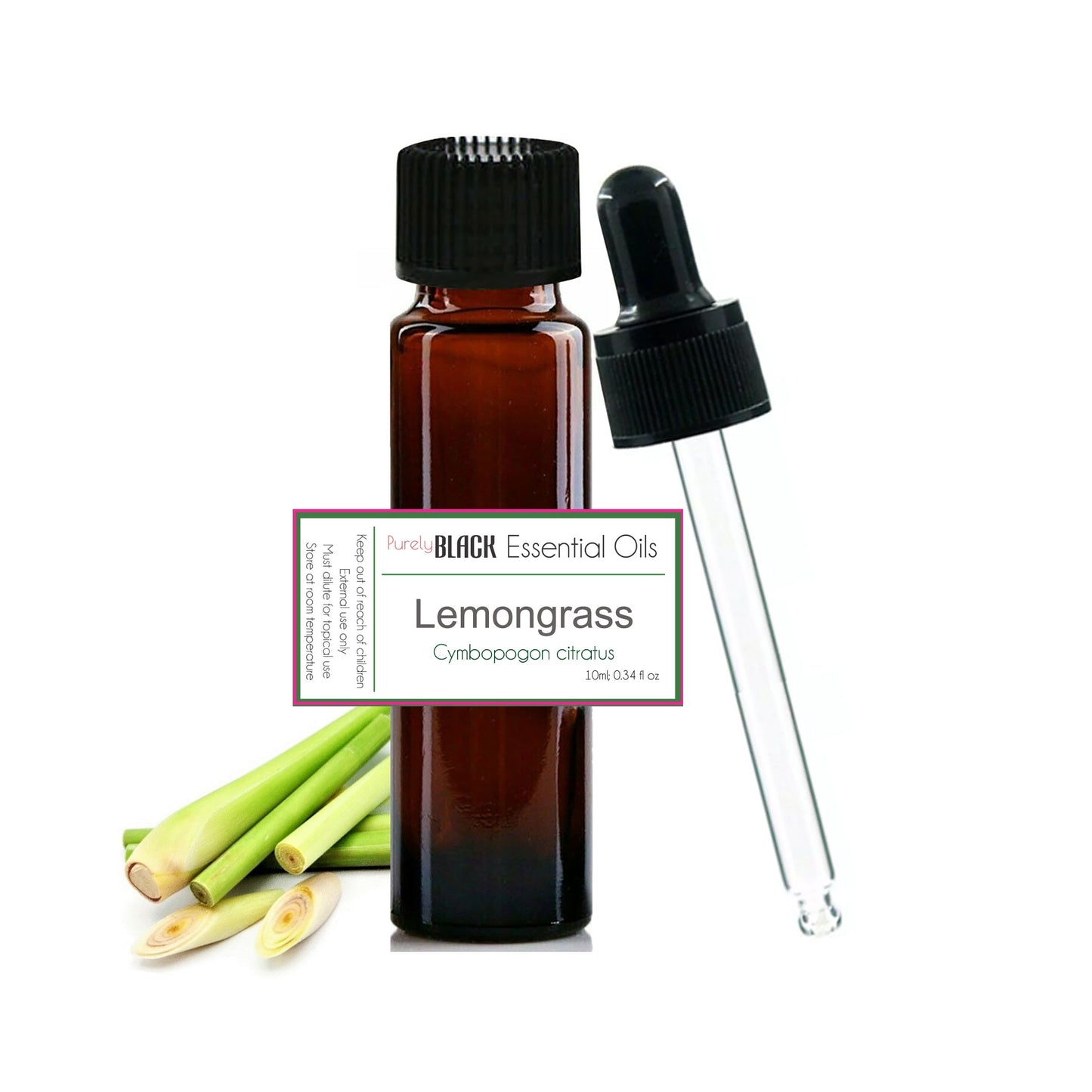
purelyBlack's pure lemongrass oil is available as a 100% pure essential oil, dispatched from Sydney.
Who should avoid lemongrass?
Pregnant women, nursing mothers, young children, individuals with glaucoma, and household pets should avoid direct exposure to lemongrass products.
Expectant mothers are strongly advised to avoid Lemongrass due to theoretical concerns regarding high citral concentrations and potential uterine stimulation. High doses of isolated citral have shown reproductive toxicity risks in animal research, making avoidance during pregnancy and breastfeeding a sensible safety measure. Furthermore, young children under the age of two have thin, highly permeable skin that is particularly vulnerable to aldehyde-induced skin sensitisation.
Individuals diagnosed with glaucoma or elevated intraocular pressure should also exercise caution with Lemongrass essential oil. In vitro and animal studies indicate that inhaled or systemic citral can cause an increase in intraocular pressure, potentially worsening eye conditions. Furthermore, household pets—particularly cats and dogs—lack key liver enzymes required to metabolise complex terpenes, meaning diffusing concentrated Lemongrass oil in confined spaces can provoke feline or canine respiratory distress.


Is lemongrass a safe oil?
Yes, lemongrass oil is generally safe for ambient diffusion and diluted dermal use when proper dilution guidelines are carefully followed.
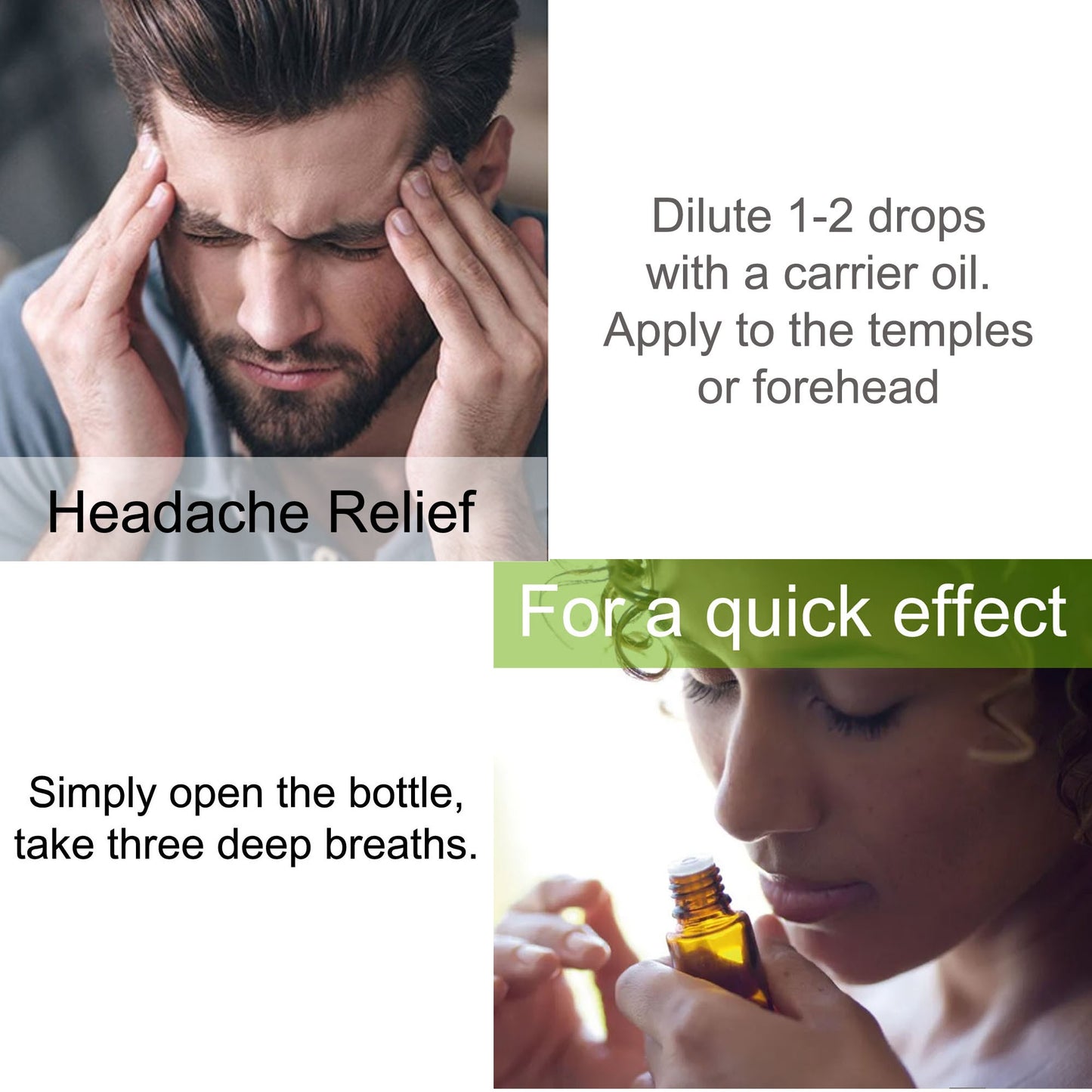
- Safe Dilution: Always dilute Lemongrass with carrier oils at a maximum concentration of 0.7% for body applications.
- Diffusion Timing: Diffuse Lemongrass for thirty to sixty minutes at a time in well-ventilated living spaces.
- Patch Test: Perform a twenty-four hour skin patch test on your forearm before using new botanical preparations.
The International Fragrance Association (IFRA) classifies Lemongrass oil as a restricted dermal ingredient due to its potent citral content, setting the maximum safe dermal leave-on limit at approximately 0.7% (roughly 1 to 2 drops of essential oil per 10 mL of carrier liquid). Adhering strictly to these professional parameters allows users to safely enjoy its invigorating botanical character while safeguarding the cutaneous barrier from sensitisation. When properly blended, Lemongrass supports a healthy complexion and provides aromatic comfort after strenuous outdoor activity.
Maintaining product safety also relies heavily on proper storage practices. Essential oils rich in aldehydes and terpenes are susceptible to oxidation when exposed to heat, light, and ambient air over extended durations. Oxidised Lemongrass oil exhibits a significantly higher potential for skin irritation. Storing your amber glass bottles in a cool, dark cabinet away from direct heat ensures the structural integrity of the botanical compounds remains stable.
What medications does lemongrass interact with?
Lemongrass oil may interact with blood pressure medications, diabetes treatments, liver-metabolised pharmaceuticals, and certain chemotherapy agents during topical use.
The organic constituent citral actively influences metabolic enzymes within the liver, specifically inhibiting cytochrome P450 enzymes such as CYP2B6 and CYP2E1. When these liver pathways are altered, the clearance rate of prescription drugs can change, leading to either heightened drug levels or reduced therapeutic efficacy. Anyone taking prescription pharmaceuticals should consult a qualified healthcare provider prior to intensive topical application of Lemongrass essential oil.
Additionally, research suggests that active compounds in Lemongrass may exert mild hypotensive and hypoglycaemic effects. Concomitant use with antihypertensive drugs or insulin therapies could theoretically cause additive drops in blood pressure or blood glucose. The table below outlines key medication classes and associated safety precautions for Lemongrass oil usage.
| Medication Class | Potential Interaction Mechanism | Recommended Precaution |
|---|---|---|
| Antihypertensives (Blood Pressure) | Additive vasodilatory effects causing unexpected blood pressure drops | Monitor blood pressure closely; seek medical guidance before topical use |
| Antidiabetics (Insulin & Oral Drugs) | Potential enhancement of hypoglycaemic action lowering blood sugar | Track blood glucose levels; avoid excessive skin application |
| Cytochrome P450 Substrates | Inhibition of hepatic drug-metabolising enzymes CYP2B6 & CYP2E1 | Consult an Australian medical practitioner prior to daily aromatherapeutic use |
| Chemotherapy Agents | Antioxidant constituents may interfere with oxidative drug mechanisms | Avoid topical application during active cancer treatment protocols |
Is lemongrass oil safe to inhale?
Yes, lemongrass essential oil is safe to inhale when diffused moderately in well-ventilated areas for short time periods.
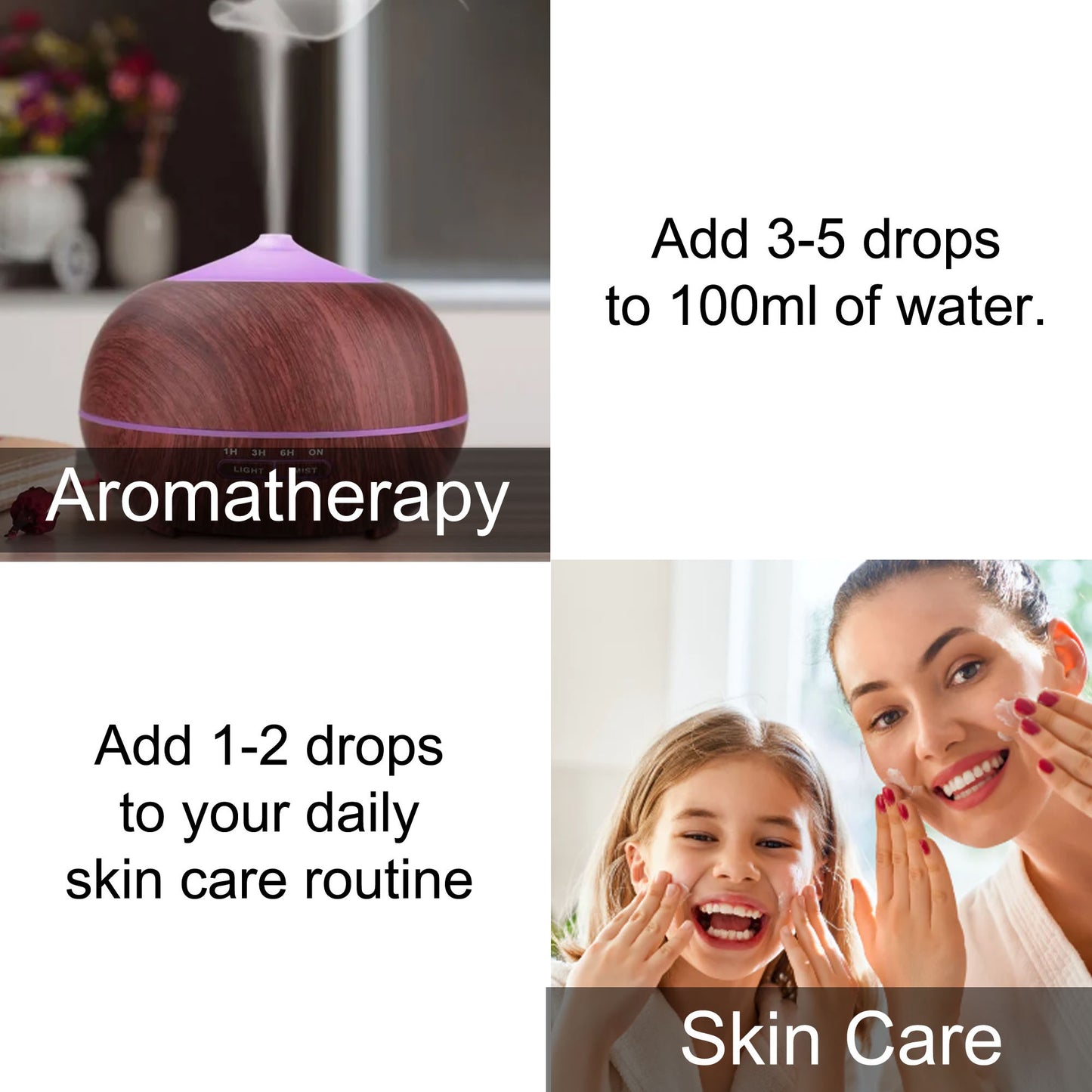
Aromatic inhalation of Lemongrass essential oil offers a crisp, uplifting citrus note that promotes a tranquil atmosphere in home and workspace environments. The volatilised aldehydes interact directly with olfactory receptors, stimulating the limbic system to encourage mental clarity and ambient freshness. To practise safe inhalation, diffuse the oil for 30 to 45 minutes, allowing adequate breaks to prevent olfactory fatigue.
Individuals living with hyper-reactive airways or asthma should approach vaporised essential oils with extra care. Inhaling high concentrations of concentrated aromatic vapors in small, enclosed rooms can trigger coughing or bronchial tightness in sensitive individuals. Ensuring open windows or cross-ventilation allows the crisp aroma to disperse gently, preventing upper respiratory irritation.
What are the pros and cons of lemongrass?
Lemongrass provides invigorating aromatic refreshment and natural surface cleansing benefits, balanced against notable dermal sensitisation risks if undiluted.
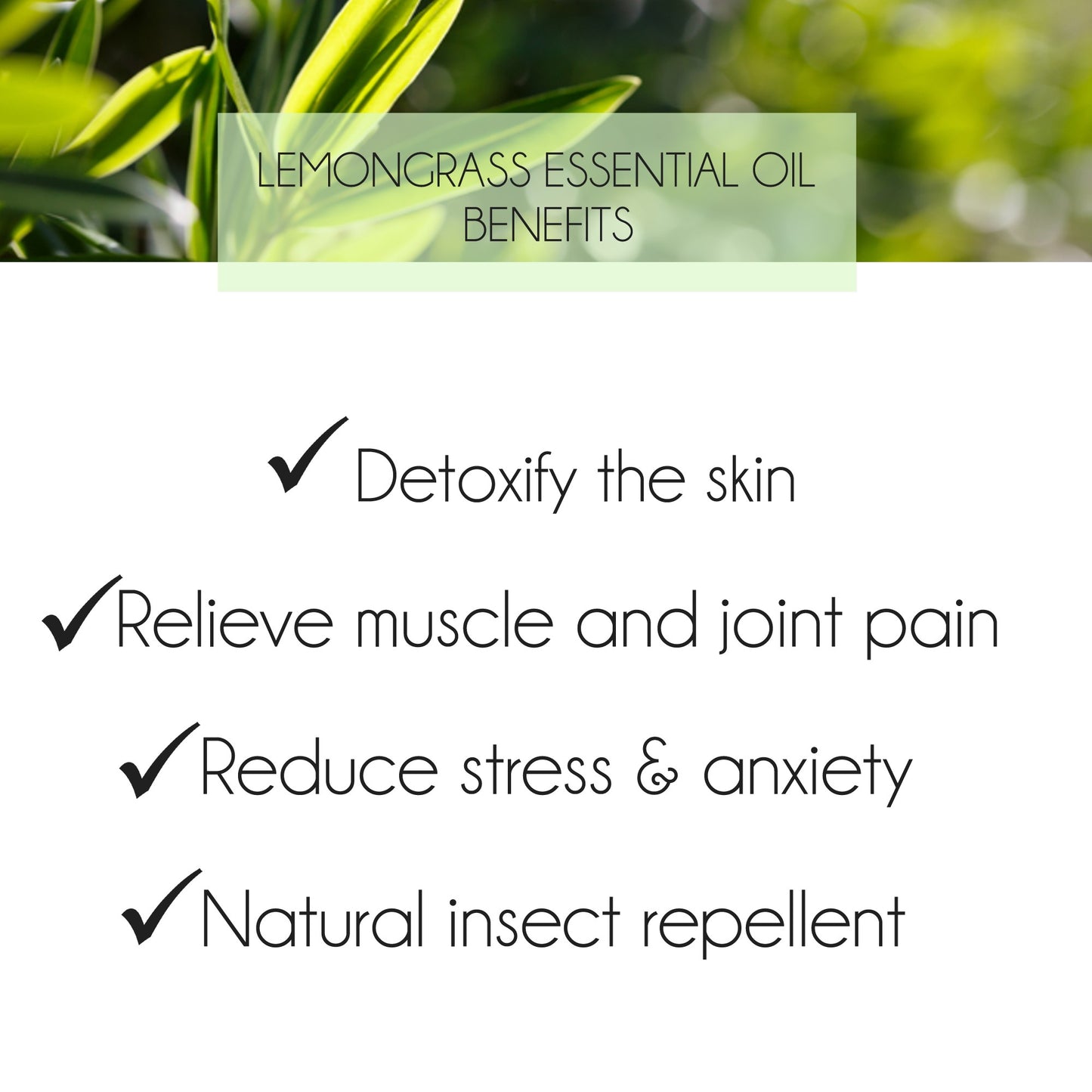
Evaluating the benefits and limitations of Lemongrass essential oil helps users make informed choices for their daily holistic practices. On the positive side, Lemongrass features outstanding odor-neutralising capabilities, natural insect-deterring properties, and a crisp aroma that enhances atmospheric focus. Furthermore, its botanical profile contains published phytochemical analysis indicating high concentrations of citral and myrcene, which deliver robust cleansing utility for household surfaces.
Conversely, the primary drawback of Lemongrass is its high potential for dermal irritation if safety limits are disregarded. Its chemical intensity requires strict dilution protocols, preventing direct application from bottle to skin. Additionally, because it is unsuitable for small pets, pregnant women, and people with glaucoma, households must exercise thoughtful caution when integrating this potent extract into shared living spaces across Australia.
To explore similar profiles, discover these pure purelyBlack creations: Eucalyptus Oil, Grapefruit Oil, and Geranium Oil — each dispatched from Sydney.
Related Reading
For more on lemongrass oil, see our companion guides: What Are the Benefits of Lemongrass Essential Oil? and Does Lemongrass Oil Repel Bugs and Mosquitoes?.
About the Author
Written by H.R. Kim
Founder at purelyBlack — an Australian-owned perfumery and botanical studio based in Sydney. H.R. specialises in scent profiling and natural ingredient sourcing, meticulously balancing premium fragrance oils and 100% pure essential oils to create elevated aromatic experiences.
Last updated: August 2026
Disclaimer: purelyBlack essential oils are for external use and aromatherapy purposes only. They are not intended to diagnose, treat, cure, or prevent any disease. Always dilute with a carrier oil before topical application and consult a healthcare professional if pregnant or under medical supervision.
