



The Benefits of Coffee Oil for Hair
Can You Put Coffee Oil In Your Hair?
Yes, you can put coffee oil in your hair when properly diluted with a suitable carrier oil for scalp massage.
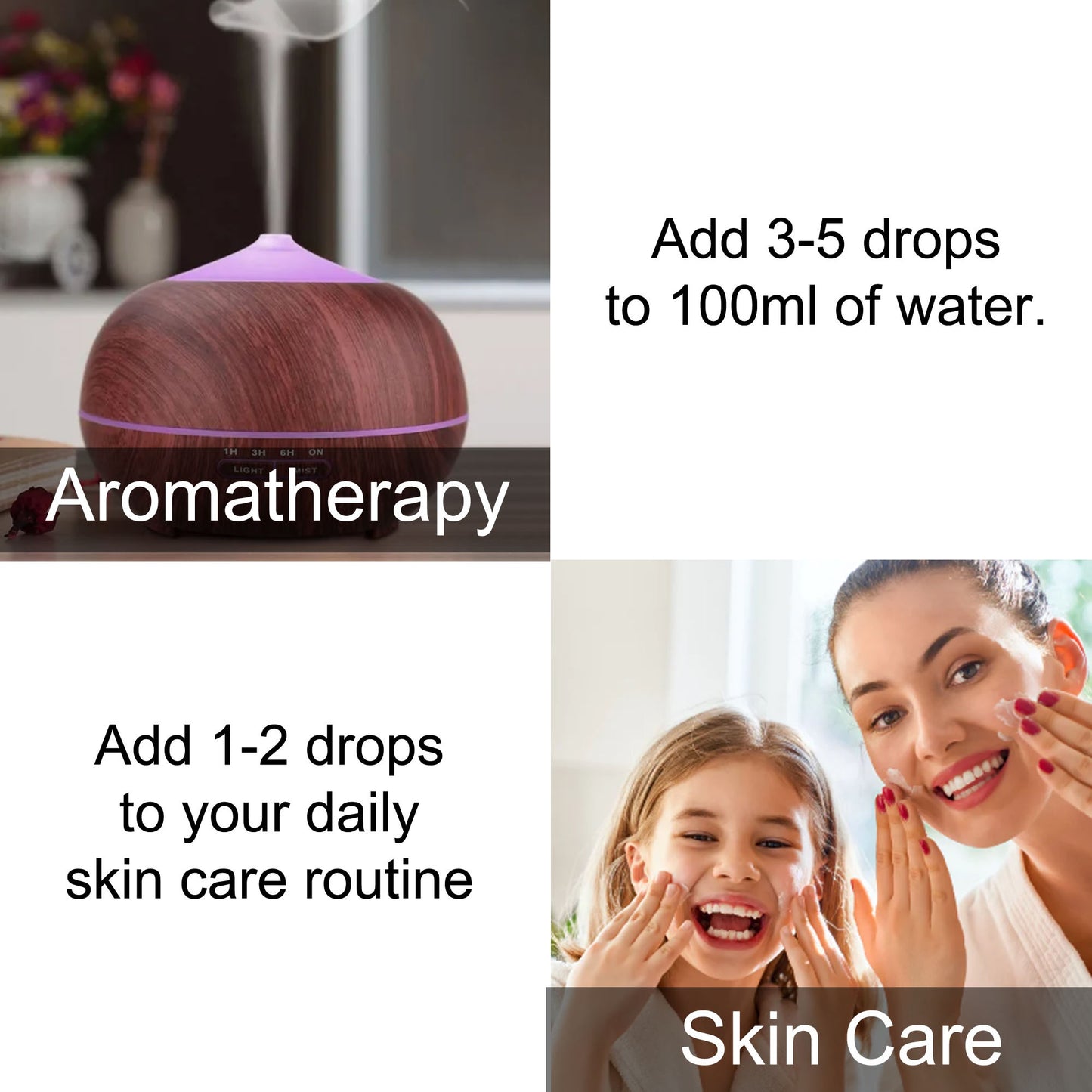
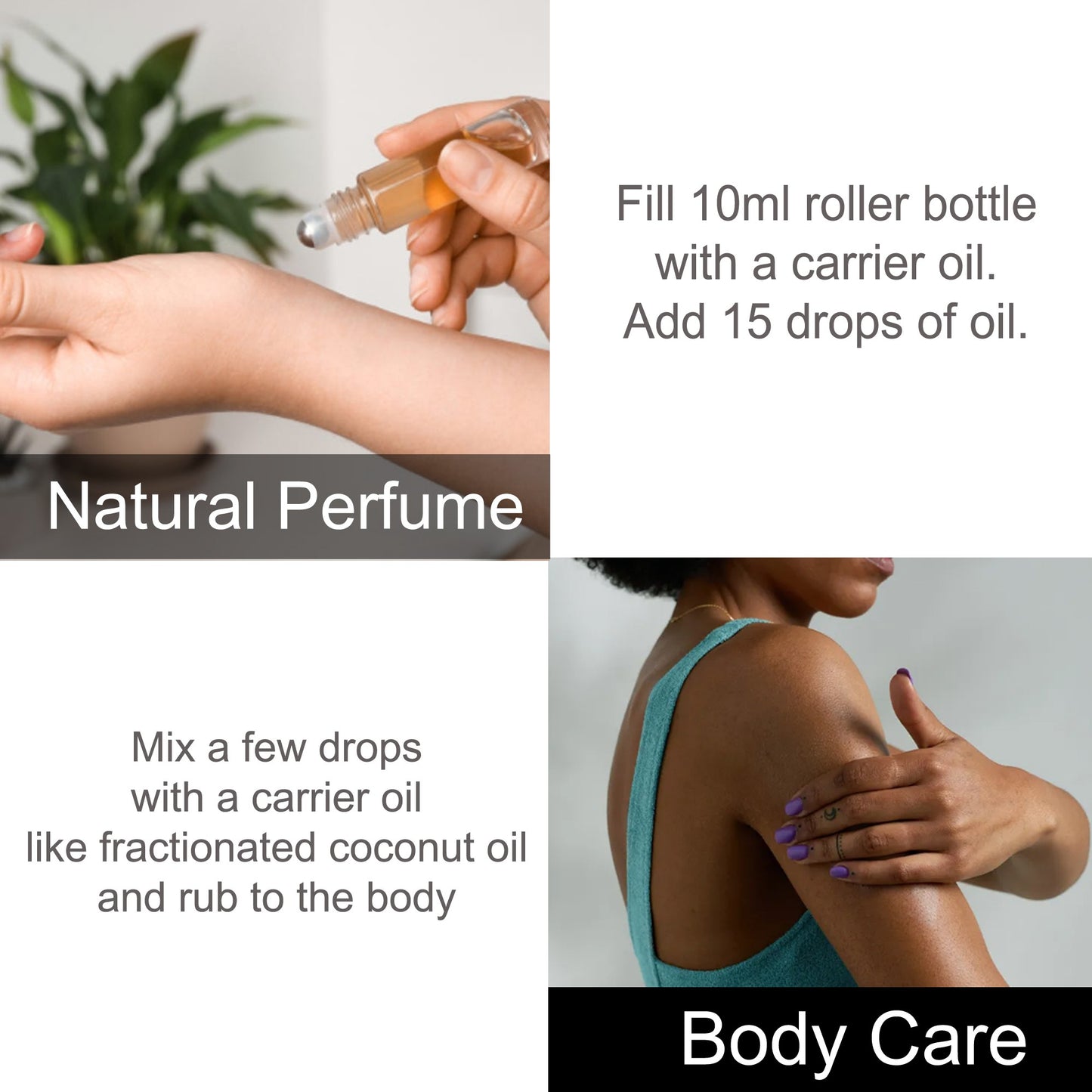
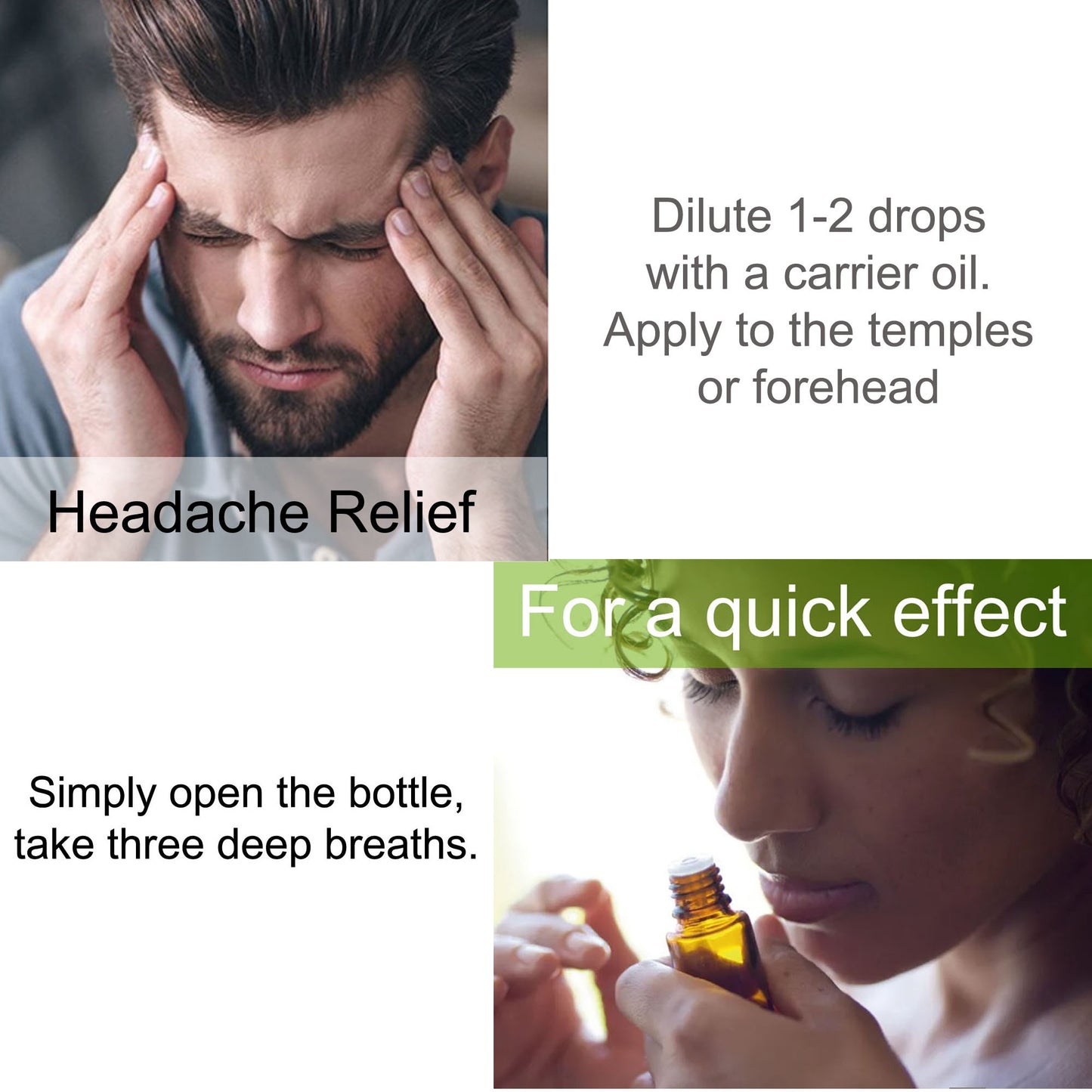
- Scalp Massage Routine: Dilute two drops of Coffee oil in a tablespoon of carrier oil before massaging into your scalp.
- Shampoo Enhancement Method: Add a single drop of Coffee oil directly to your daily shampoo for an invigorating wash.
- Deep Conditioning Mask: Combine Coffee oil with warm plant oils to create an overnight hair mask for dull strands.


When incorporating botanical extracts into your hair care routine, proper dilution is essential to ensure a comfortable experience for your scalp. Coffee essential oil, cold pressed from the aromatic roasted seeds of Coffea arabica (belonging to the Rubiaceae plant family), offers a rich, comforting aroma that elevates home hair treatments. When experiencing scalp dryness or dull hair texture, many people turn to custom botanical oil blends to support hair beauty and overall shine.
Applying unrefined concentrated botanical extracts directly to scalp skin without dilution can cause surface irritation or temporary sensitivity. To prepare a balanced scalp serum, mix two drops of Coffee oil with a tablespoon of Fractionated Coconut Oil. This lightweight carrier helps distribute the botanical compounds evenly across the scalp while providing smooth moisture to coarse hair strands.
Massaging this mixture into the scalp promotes a tranquil atmosphere while aiding the even distribution of natural plant lipids along the hair shaft. Regular weekly treatments can help smooth dry ends and leave hair feeling noticeably softer without heavy greasy residue. Always ensure you perform a patch test prior to full topical application to confirm skin compatibility.
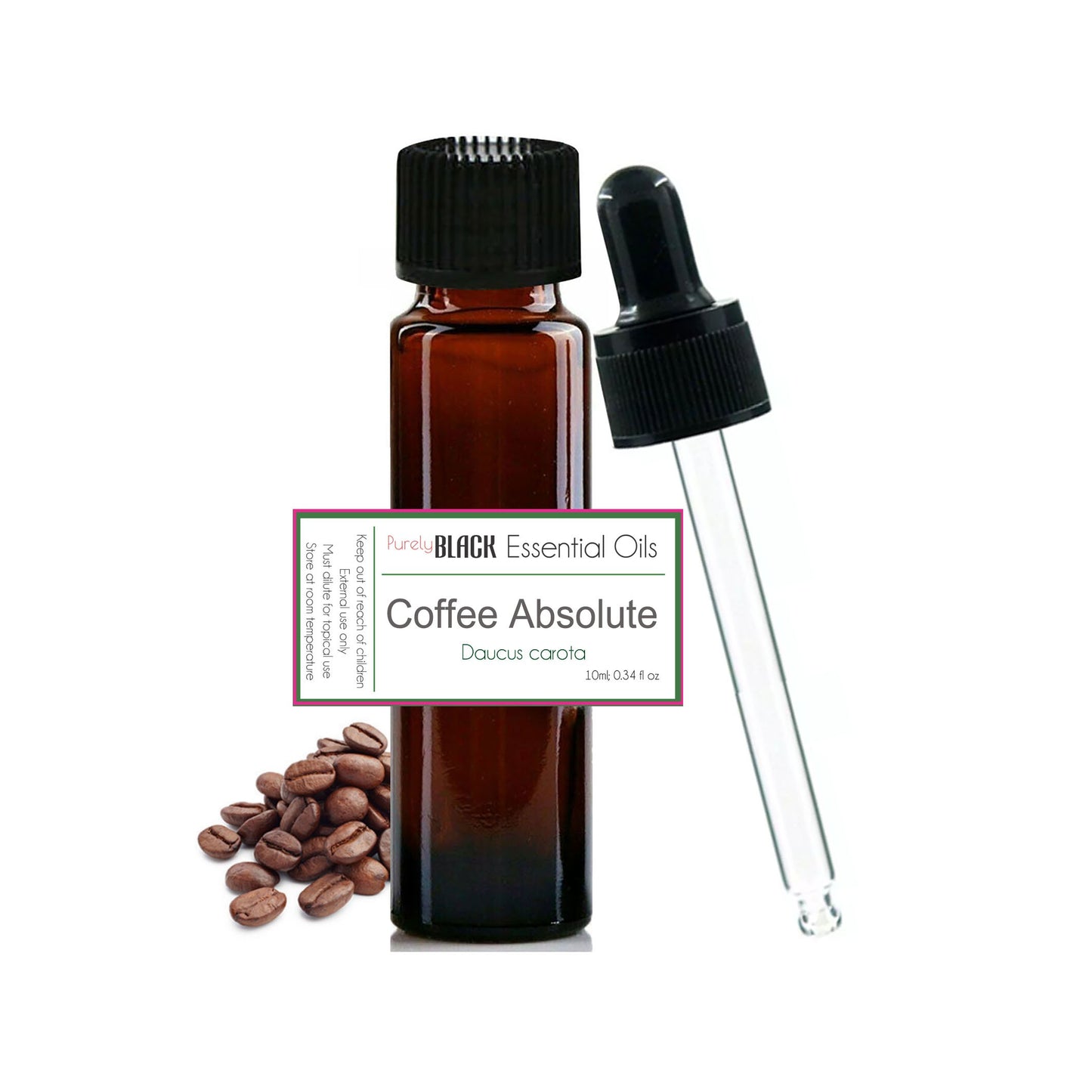
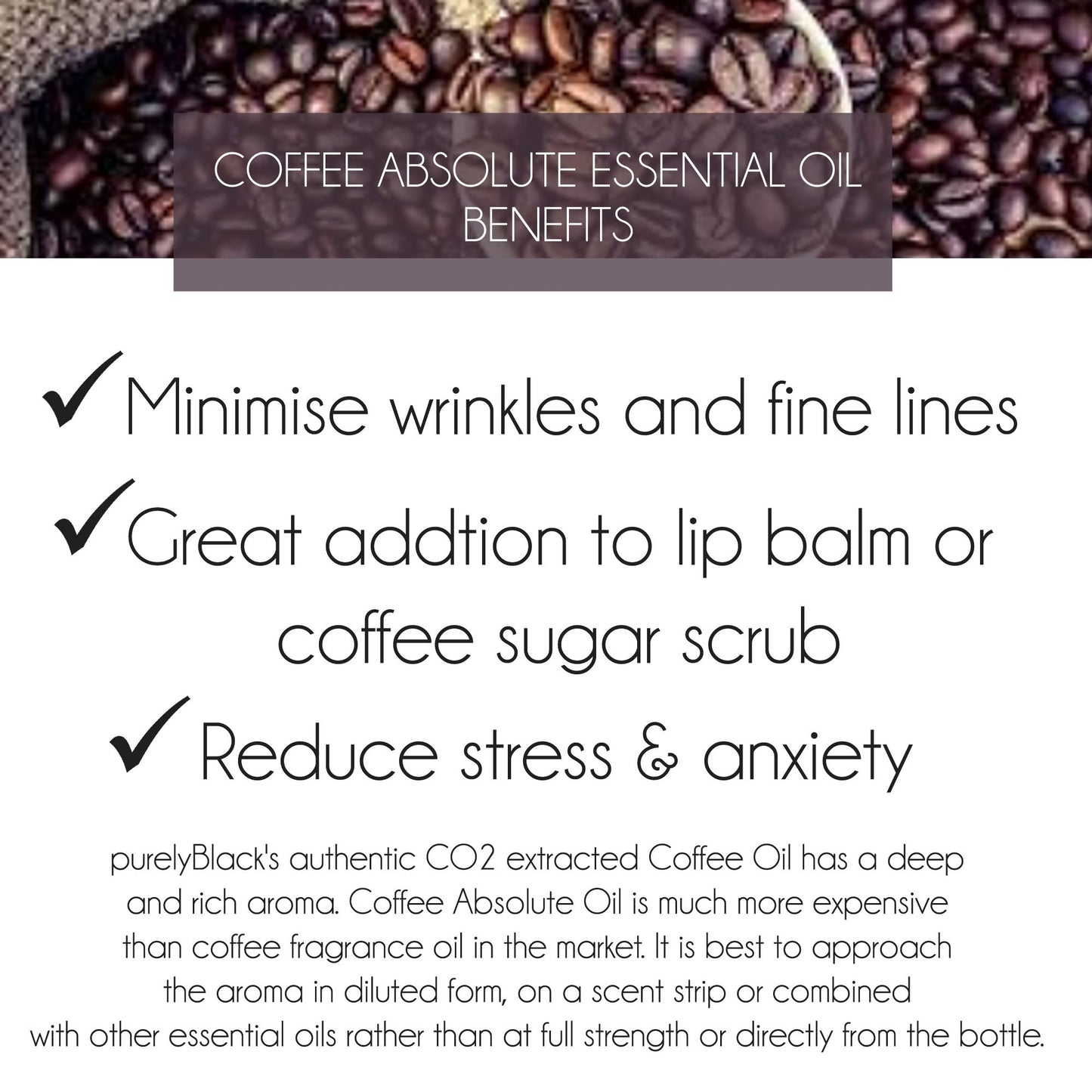
purelyBlack's pure coffee oil is available as a 100% pure essential oil, dispatched from Sydney.
Does Coffee Oil Contain Caffeine?
Yes, coffee oil contains small trace amounts of caffeine, though the exact concentration depends on the specific extraction process used.
The caffeine content in botanical coffee oil varies considerably depending on whether the extract is produced via cold pressing or supercritical extraction. Cold-pressed roasted Coffee seed oil contains roughly 0.5% to 1.5% caffeine, alongside rich fatty acid profiles that bolster topical skin and scalp applications. A published phytochemical analysis confirms that lipid-dense extracts derived from roasted seeds retain natural lipid fractions alongside trace alkaloid compounds.
Because caffeine is primarily a water-soluble alkaloid, steam distillation of roasted beans yields minimal caffeine compared to solvent or cold-pressing extraction methods. However, the lipophilic components present in cold-pressed Coffee oil provide significant nourishing benefits for the scalp regardless of caffeine levels. Fatty acids such as linoleic acid (42%–54%) and palmitic acid (30%–38%) help fortify the natural scalp moisture barrier against daily environmental stress.
| Constituent | Approximate Content (%) | Primary Hair & Scalp Benefit |
|---|---|---|
| Linoleic Acid | 42% – 54% | Supports scalp moisture retention and smooths rough hair strands |
| Palmitic Acid | 30% – 38% | Provides a protective lipid barrier against environmental dryness |
| Oleic Acid | 8% – 14% | Deeply conditions coarse hair fibers and improves manageability |
| Stearic Acid | 7% – 11% | Enhances texture and emulsion stability in homemade hair masks |
| Trace Caffeine | 0.5% – 1.5% | Provides an invigorating sensory sensation to scalp tissues |
Understanding this chemical makeup helps clarify why natural hair enthusiasts value Coffee oil beyond its captivating roasted scent. The high concentration of unsaturated essential fatty acids works synergistically with trace alkaloid compounds to promote a refreshed feeling on the scalp. Incorporating these natural lipids into weekly conditioning treatments helps improve the overall texture and shine of dull hair strands.


What Essential Oil Has Caffeine?
Coffee essential oil is the primary botanical oil containing caffeine, as most other true essential oils do not produce this compound.
- Roasted Coffee Extract: Cold-pressed roasted Coffee seed oil contains natural trace caffeine alongside rich fatty acids.
- Green Coffee Extract: Unroasted Coffee seed extract offers natural chlorogenic acids and minor caffeine amounts for scalp care.
- Other Essential Oils: Conventional essential oils derived from herbs, flowers, and trees contain zero caffeine content.
In the world of natural botanical extracts, genuine caffeine content is extremely rare across commercial essential oil families. While hundreds of plants produce aromatic oils, only members of the Coffea genus yield an oil naturally containing caffeine molecules. Synthetic fragrances designed to mimic warm coffee aromas contain zero caffeine and lack the beneficial lipid nutrients found in cold-pressed plant extracts.
When seeking natural caffeine for hair care formulations, choosing genuine cold-pressed Coffee seed extract is crucial for optimum quality. Herbal oils like Patchouli, Cassia, or Black Pepper offer warming sensory properties, but they contain no caffeine whatsoever. Combining Coffee oil with complementary plant oils allows users to enjoy a custom sensory blend alongside natural coffee constituents.
Traditionally used in botanical practice to provide comfort for tired scalp tissue, cold-pressed Coffee extracts offer multi-faceted grooming benefits. The combination of aromatic warm notes and botanical lipids makes it an ideal ingredient for invigorating morning hair oils. Adding a few drops to your grooming routine delivers natural nourishment to scalp skin while elevating your daily shower experience.
Is Coffee Oil Good Or Bad?
Yes, coffee oil is generally good for topical hair and skin care when used correctly with appropriate dilution and proper application.
Coffee oil is highly regarded in holistic grooming routines due to its rich antioxidant profile and deeply moisturizing fatty acids. When properly diluted in a nourishing carrier base, Coffee oil supports a healthy complexion and provides aromatic comfort during scalp massages. The warm, comforting scent of roasted coffee beans also promotes a tranquil atmosphere during evening relaxation routines or quiet mindfulness moments.
However, applying neat or undiluted Coffee essential oil directly to sensitive skin can lead to localized contact discomfort or warmth. Individuals with sensitive scalps should always perform a patch test on a small patch of skin before undertaking a full application. Using excessive amounts of oil may also leave fine hair feeling heavy or greasy, so a minimal dosage is always recommended.
When used within safe dilution limits (typically 1% to 2% concentration in carrier oil), Coffee oil is an outstanding addition to natural hair care routines. It delivers botanical nourishment to dry ends while enveloping the senses in a rich, comforting coffee scent. Choosing high-quality botanical extractions ensures you receive all the positive benefits without unnecessary synthetic additives.
What Is Coffee Oil Used For?
Coffee oil is primarily used for scalp nourishment, invigorating sensory aromatherapy, hair conditioning treatments, and natural skin care applications.
Beyond simple hair conditioning, Coffee essential oil serves versatile roles across modern natural beauty and home wellness routines. Aromatherapists value its rich, roasted profile for creating comforting atmosphere blends during quiet morning rituals or workplace focus sessions. In hair care, adding a few drops to hair serums helps restore visible softness and manageability to dull, dry hair strands.
For facial and body care applications, lovers of botanical cosmetics blend Coffee oil into hydrating body creams and scalp formulations. It provides robust surface moisture while supporting a healthy complexion throughout changing seasonal weather conditions. Adding Coffee oil to custom massage blends provides an uplifting sensory experience that leaves skin feeling soft and refreshed.
To explore similar profiles, discover these pure purelyBlack creations: Black Pepper Oil, Palo Santo Oil, and Oregano Oil — each dispatched from Sydney.
Related Reading
For more on coffee oil, see our companion guides: How to Make Your Home Smell Like Coffee Oil. How to Use Coffee Oil for Face and Skin Care. The Best Coffee Essential Oil: Energize Your Skin, Hair, and Mood.
About the Author
Written by H.R. Kim
Founder at purelyBlack — an Australian-owned perfumery and botanical studio based in Sydney. H.R. specialises in scent profiling and natural ingredient sourcing, meticulously balancing premium fragrance oils and 100% pure essential oils to create elevated aromatic experiences.
Last updated: August 2026
Disclaimer: purelyBlack essential oils are for external use and aromatherapy purposes only. They are not intended to diagnose, treat, cure, or prevent any disease. Always dilute with a carrier oil before topical application and consult a healthcare professional if pregnant or under medical supervision.
