






How to Use Pure Cinnamon Oil for Natural Pest Control & Repellent in Australia
Why is cinnamon oil so effective at repelling ants and other pests?
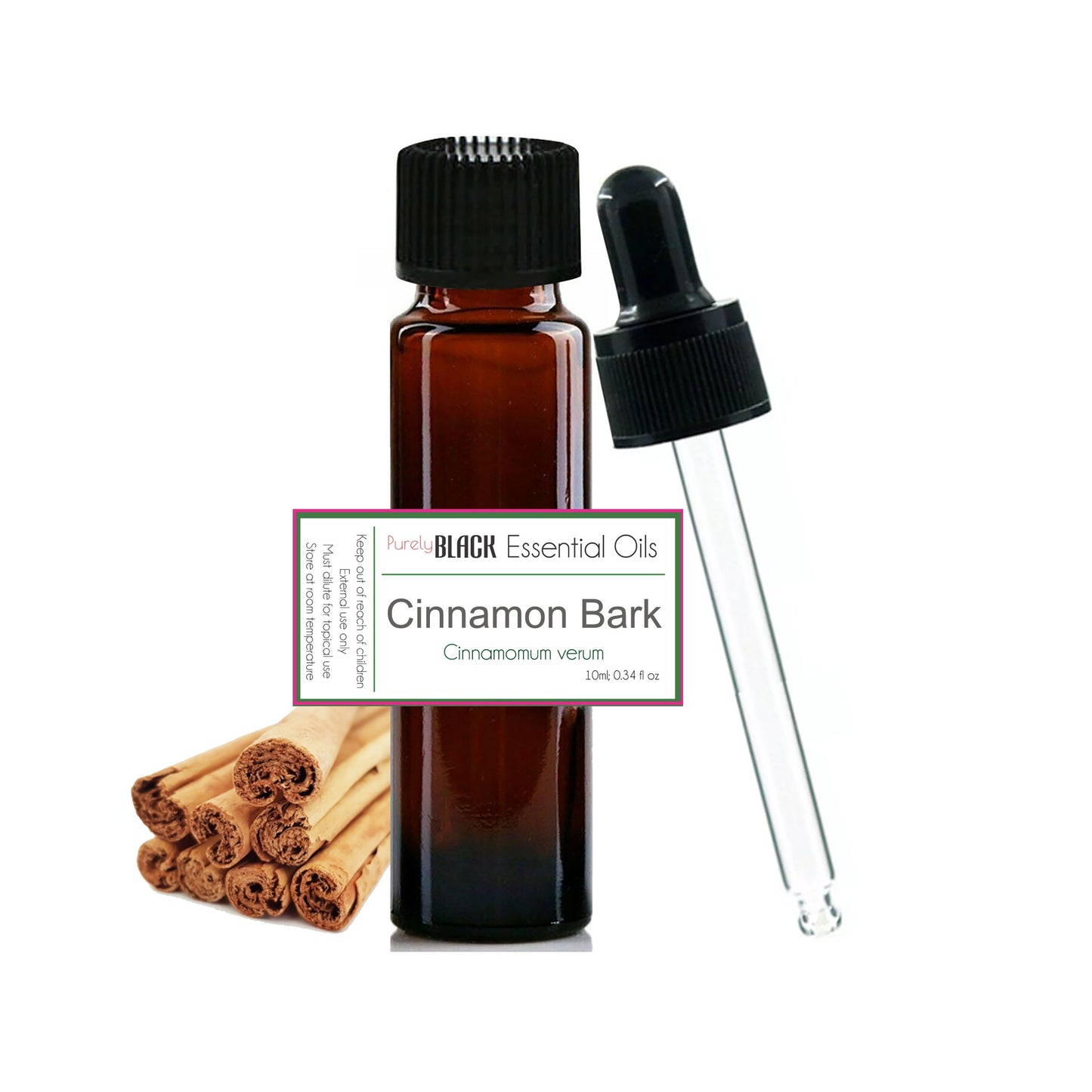
The potent aroma of cinnamon oil is highly effective for natural pest control because its primary active compound, cinnamaldehyde, disrupts the sensory receptors and neurological pathways of common household insects like ants and spiders, creating an intensely repellent barrier they are compelled to avoid. For the highest quality botanical experience, purelyBlack's pure cinnamon oil offers a premium, authentically distilled solution for this exact need.
| Pairs Well With | Why It Blends Well | How to Use Together |
|---|---|---|
| CEDARWOOD OIL Woody & Grounding |
Cedarwood contains cedrol, a compound traditionally recognised for its insect-repelling properties, particularly against moths and mosquitoes. Its dry, woody base grounds the sharp spice of cinnamon. | Combine 5 drops of cinnamon oil and 5 drops of cedarwood oil on cotton balls and place them in wardrobes or linen closets to deter fabric pests. |
| CORIANDER OIL Spicy & Herbaceous |
Coriander's sharp, spicy scent, rich in linalool, adds another layer of aromatic complexity that can confuse and overwhelm the senses of pests like ants. | Create a kitchen counter spray with 10 drops of cinnamon oil and 5 drops of coriander oil in 100ml of water and witch hazel. |
| SANDALWOOD OIL Rich & Earthy |
While not a primary repellent, the deep, lasting aroma of sandalwood acts as a powerful fixative, helping the more volatile cinnamon scent persist for longer on surfaces. | Add 3 drops of sandalwood oil to your cinnamon repellent spray to extend the life of the aromatic barrier on window sills and door frames. |
The Botanical Chemistry and Benefits of Cinnamon Oil for Natural Pest Control & Repellent
The remarkable efficacy of cinnamon essential oil as a natural pest deterrent is directly attributed to its high concentration of the organic compound cinnamaldehyde. This powerful aldehyde is the primary component responsible for the oil's characteristic spicy aroma and its potent biological activity against common household insects.
Sourced from the bark of the Cinnamomum zeylanicum tree, this specific botanical extract possesses a particularly robust chemical profile. Cinnamaldehyde works by overwhelming the olfactory and gustatory (taste) receptors of pests such as ants, spiders, and mosquitoes. For many insects, this interaction is not merely unpleasant but actively disruptive to their nervous system, compelling them to retreat from treated areas.
Understanding the benefits of cinnamon oil to repel ants is a matter of appreciating this direct chemical interference. It doesn't just mask trails; it makes the environment chemically hostile to them, forcing them to find alternative routes. This makes cinnamon oil a formidable tool for creating protective barriers around your home without resorting to synthetic chemicals.
How do you use cinnamon oil to repel ants?
Using cinnamon oil to deter ants and other pests effectively involves creating a potent aromatic barrier through correct dilution and strategic application on entry points and trails. This method leverages the oil's powerful scent to make areas inhospitable to insects.
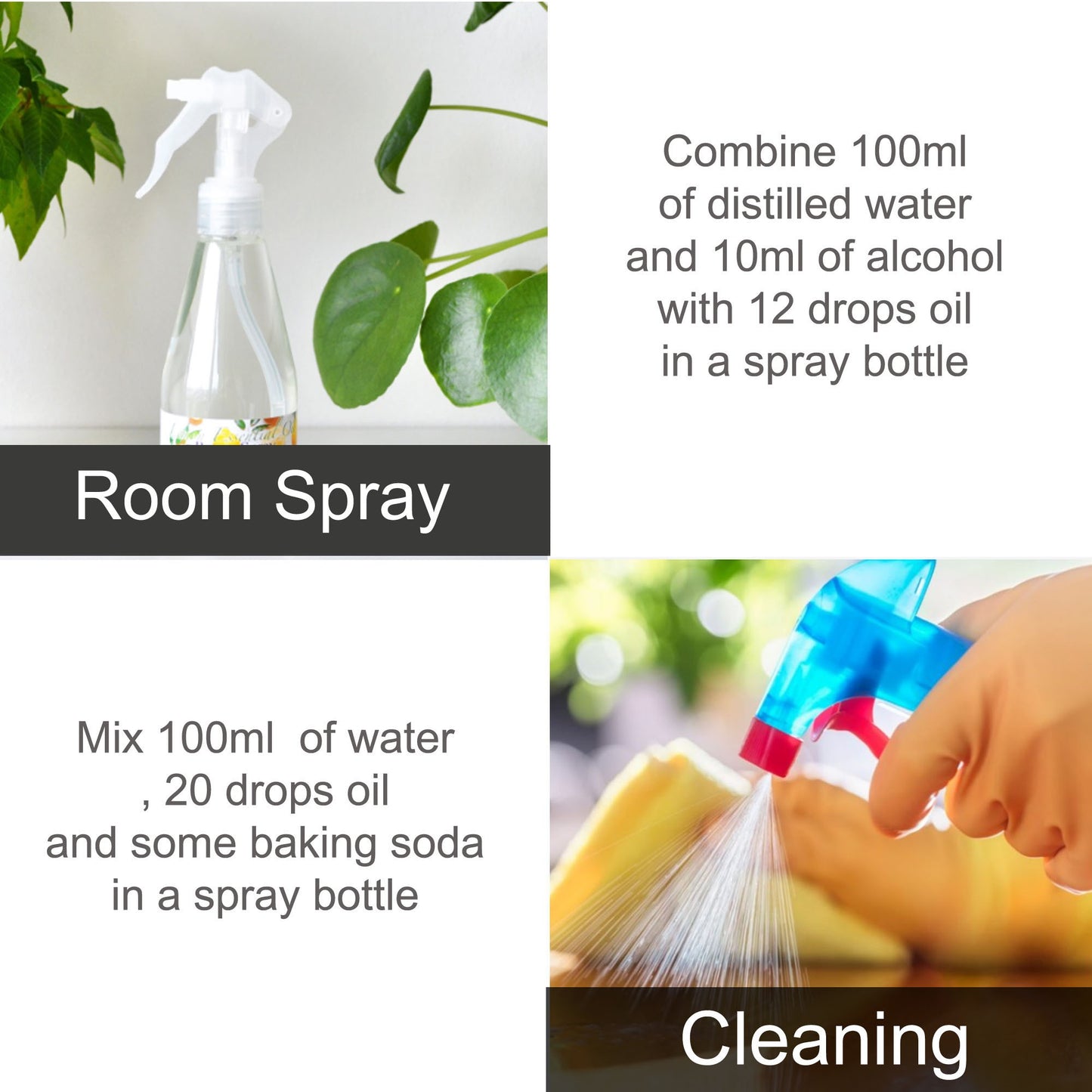
- Create a repellent spray by combining 10-15 drops of cinnamon essential oil with 100ml of distilled water and a splash of Organic Witch Hazel Extract to help the oil disperse.
- Target entry points by spraying the solution directly onto window sills, door frames, cracks in walls, and along baseboards where you've noticed pest activity.
- Establish scent barriers by applying a few drops of undiluted cinnamon oil onto cotton balls and placing them in corners of cupboards, pantries, and under sinks.
- Maintain the barrier by reapplying the spray or refreshing the cotton balls every 2-3 days, or after cleaning, to ensure the scent remains potent and effective.
| Pest | Recommended Application | Key Focus Area |
|---|---|---|
| Ants | Spray a diluted solution directly onto ant trails to disrupt their pheromone communication and create a repellent line they will not cross. | Kitchen benches, rubbish bin areas, pet food bowls (ensure pets are kept away), and door thresholds. |
| Spiders | Apply a few drops to cotton balls and place them in dark, undisturbed corners where spiders build webs. The potent aroma deters them from settling. | Ceiling corners, behind furniture, in garages, and around window frames. |
| Mosquitoes | Create a diluted spray (with water and witch hazel) and lightly mist it onto outdoor furniture, curtains, and entryways to create an aromatic deterrent zone. | Patios, decks, window screens, and doorways. Do not apply to skin. |
| Moths | Place cinnamon-scented cotton balls or wooden blocks inside closets, drawers, and storage chests. The scent is a classic deterrent for fabric pests. | Wardrobes, linen closets, and containers with seasonal clothing storage. |
Will cinnamon kill spiders?
While cinnamon oil is not a contact insecticide that kills spiders instantly, its intensely potent aroma acts as a powerful repellent that makes an area inhospitable for them. Spiders 'smell' and 'taste' with receptors on their legs, and the cinnamaldehyde in cinnamon is overwhelming and noxious to them. By spraying diluted cinnamon oil in corners, around windows, and in dark spaces, you create a strong aromatic barrier that effectively encourages spiders to vacate the area and build their webs elsewhere.
How do you make a mosquito repellent with cinnamon?
To create a simple aromatic barrier against mosquitoes, you can mix a repellent spray for your environment, not for your skin. Combine 10-12 drops of cinnamon oil in a 100ml spray bottle filled with distilled water and a tablespoon of Organic Witch Hazel Extract, which helps the oil and water mix. Shake well before each use and lightly mist the air on your patio, around doorways, and on window screens to create a zone with a scent that mosquitoes naturally avoid.
Is the smell of cinnamon safe for dogs and cats?
No, cinnamon essential oil is highly concentrated and generally considered unsafe for direct exposure to pets, particularly cats. The compounds in cinnamon can be toxic to cats and dogs if ingested, inhaled in high concentrations, or if it comes into contact with their skin. It is crucial to use any cinnamon oil repellent sprays in areas completely inaccessible to pets and to ensure the space is well-ventilated before allowing them to re-enter. Always prioritise your pet's safety over pest control.
How to mix cinnamon oil for a DIY Natural Pest Control & Repellent?
For a highly effective DIY pest repellent spray, the best base mixes cinnamon oil with an emulsifier and water to ensure even distribution. A superior recipe is to combine 15-20 drops of cinnamon oil with two tablespoons of Organic Witch Hazel Extract in a 250ml glass spray bottle, then top it up with distilled water. The witch hazel acts as a natural emulsifier, allowing the oil to disperse throughout the water instead of floating on top, which ensures a consistent and potent spray with every use.
Where can I buy genuine 100% pure cinnamon oil online for immediate delivery near me?
You can purchase authentic pure cinnamon oil directly from purelyBlack’s online store for fast delivery from within Australia. As a dedicated Australian essential oil business, purelyBlack ensures that all orders are shipped locally, providing a convenient and reliable source for 100% pure essential oils. Shop online today to begin creating your own powerful, natural pest control solutions at home.
Is cinnamon oil safe to use for pest control around the house?
While cinnamon oil is a natural alternative to chemical pesticides, it must be used with caution and respect for its potency, especially concerning skin contact and pets. It is a 'hot' oil, meaning it can cause significant skin irritation if not properly diluted. Always wear gloves during application and ensure treated areas are well-ventilated. Most importantly, it is critical to prevent pets and small children from coming into contact with treated surfaces, as the oil can be harmful if ingested or licked.
| Safety Concern | Precaution |
|---|---|
| Direct Skin Contact | Never apply undiluted cinnamon oil to the skin. Wear protective gloves when handling cotton balls or creating sprays to avoid potential irritation or sensitisation. |
| Inhalation | Ensure good ventilation when spraying. The potent aroma can be overwhelming in enclosed spaces and may irritate the respiratory tract for sensitive individuals. |
| Pets (Especially Cats) | Keep all pets out of the room during application and until surfaces are completely dry. Cats are particularly sensitive and should never be exposed to cinnamon oil. |
| Surface Damage | Essential oils can damage certain surfaces. Spot-test the spray on an inconspicuous area first, especially on polished wood, painted surfaces, or plastics. |
Other Ways to Use Cinnamon Oil
Beyond its capabilities as a natural pest repellent, the rich, spicy warmth of cinnamon lends itself to other botanical practices. Many people explore the benefits of cinnamon for Atmospheric Diffusion & Mood Uplifting to create an inviting and comforting home environment. Additionally, its warming properties are a key reason to learn how to use cinnamon oil for Warming Muscle & Joint Relief as part of a massage blend.
Explore Related Botanical Collections
Discover other premium oils and curated selections from our extensive range.
- Christmas Essential Oil Blends | Festive Holiday Scents
- Essential Oils for Men | Masculine Aromatherapy Blends
- Pure Essential Oil Singles | 100% Therapeutic Grade
Disclaimer: This information is for educational purposes only. These statements have not been evaluated by the Therapeutic Goods Administration (TGA). This product is not intended to diagnose, treat, cure, or prevent any disease. Always consult a healthcare professional before use.
