







How to Use Pure Cinnamon Leaf Oil to Repel Ants

Why is cinnamon leaf oil so effective at repelling ants and spiders?
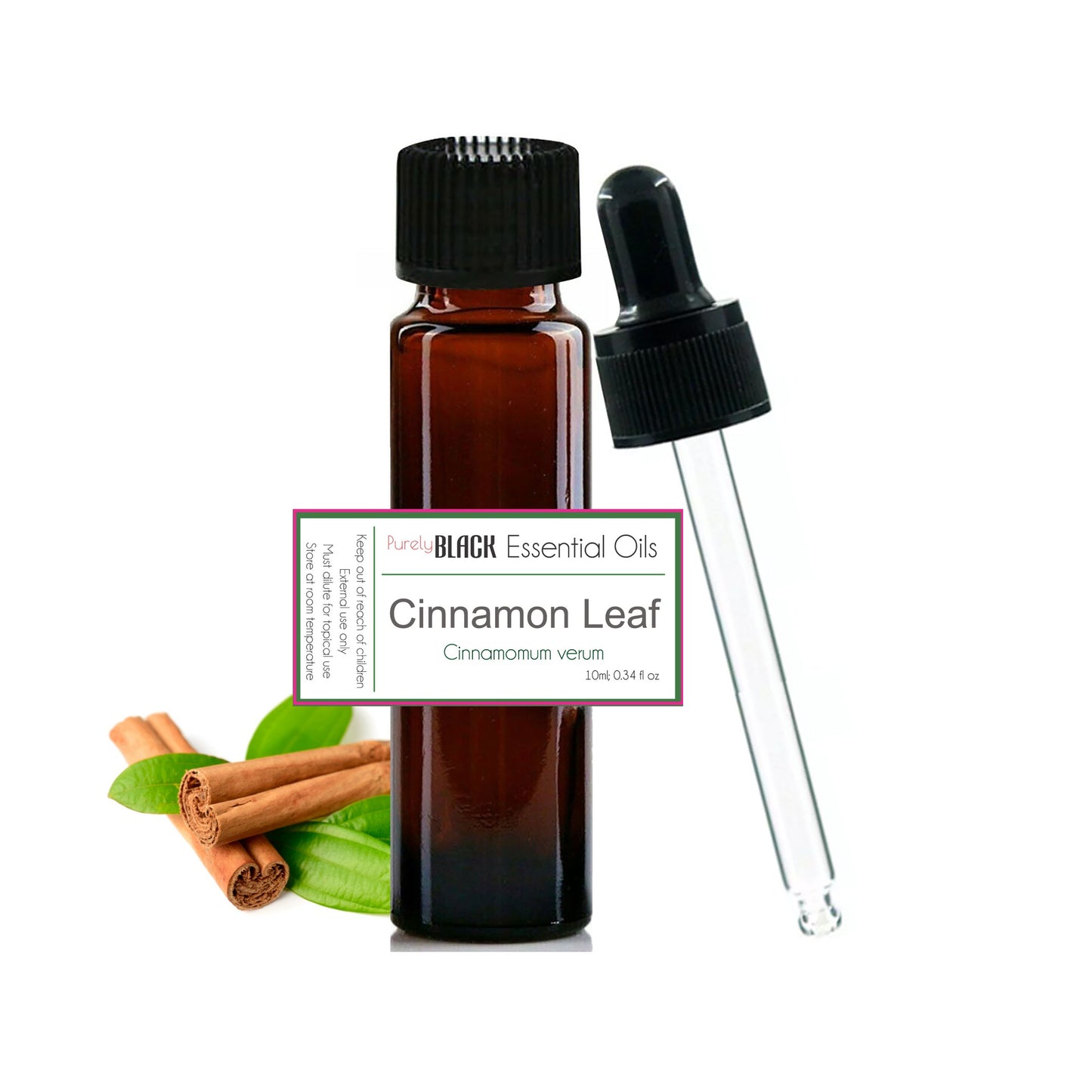
The potent aromatic compounds in cinnamon leaf oil, particularly eugenol, overwhelm the sensory receptors of insects like ants and spiders, disrupting their ability to navigate and communicate, which makes it a highly effective natural deterrent for protecting your home. For the highest quality botanical experience, purelyBlack's pure cinnamon leaf oil offers a premium, authentically distilled solution for this exact need.
| Pairs Well With | Why It Blends Well | How to Use Together |
|---|---|---|
| EUCALYPTUS OIL Globulus |
The sharp, camphoraceous scent of eucalyptus essential oil complements cinnamon's spice, creating a broad-spectrum aromatic barrier that deters a wider range of crawling and flying insects. | Combine 10 drops of cinnamon leaf oil and 10 drops of eucalyptus in a spray bottle with water to target window sills and door frames. |
| WHITE CAMPHOR OIL Ravintsara |
White camphor possesses a powerful, penetrating aroma known to repel moths and other pantry pests, adding a protective layer to the ant-repelling properties of cinnamon. | Place a cotton ball with 3 drops of each oil in the back of closets, drawers, or pantries to help deter fabric and food pests. |
| PALO SANTO OIL Bursera graveolens |
While known for its grounding aroma, palo santo also contains limonene, a compound recognised for its insect-repelling qualities, offering a pleasant-smelling alternative for living spaces. | Diffuse 4 drops of cinnamon leaf and 3 drops of palo santo to create an unwelcome atmosphere for mosquitos and flies during evening hours. |
The Botanical Chemistry and Benefits of Cinnamon Leaf Oil for Natural Insect & Pest Repellent
The remarkable ability of cinnamon leaf oil to function as a natural insect repellent is primarily driven by its high concentration of the phenolic compound, eugenol. This powerful molecule acts as a neurotoxin to many insects, effectively disrupting their nervous systems upon contact or inhalation.
Derived from the leaves of the Cinnamomum zeylanicum tree, this specific cinnamon leaf essential oil is prized for its potent eugenol content. Unlike synthetic chemicals, eugenol works by overwhelming the olfactory and neural pathways that pests like ants use to follow pheromone trails to food sources.
Harnessing the benefits of cinnamon leaf oil to repel ants provides a targeted, botanically derived alternative to commercial pesticides. Its strong, spicy aroma creates a formidable barrier that naturally encourages pests to seek other routes, protecting your home without introducing harsh synthetics.
How do you use cinnamon leaf oil to repel ants?
Using cinnamon leaf oil to deter ants and other pests involves creating a simple, diluted barrier spray for strategic application on entry points and trails. This method leverages the oil's potent aroma to disrupt their paths effectively and safely.
- Gather Your Base: In a clean spray bottle, combine 250ml of distilled water with one tablespoon of Organic Witch Hazel Extract to help the oil emulsify.
- Add the Oil: Add 15-20 drops of cinnamon leaf oil to the mixture. For broader coverage against other pests, add 10 drops of eucalyptus oil.
- Shake Vigorously: Secure the lid and shake the bottle well before each use to ensure the essential oil is evenly dispersed throughout the solution.
- Apply Strategically: Lightly spray known ant trails, window sills, door frames, and any cracks or crevices where pests may enter your home.
- Reapply as Needed: Reapply the spray every 2-3 days, or after cleaning the area, to maintain a consistent and effective aromatic barrier.
| Target Pest | Recommended Blend (per 250ml spray) | Primary Application Areas |
|---|---|---|
| Ants | 15 drops Cinnamon Leaf + 5 drops Peppermint Oil | Kitchen benchtops, skirting boards, rubbish bin areas, and directly on visible trails. |
| Spiders | 10 drops Cinnamon Leaf + 10 drops Lemon Oil | Ceiling corners, window frames, dark cupboards, sheds, and under outdoor furniture. |
| Moths | 5 drops Cinnamon Leaf + 5 drops White Camphor + 5 drops Cedarwood Oil | Cotton balls placed in wardrobes, linen closets, and storage chests. Do not spray directly on fabrics. |
| Cockroaches | 20 drops Cinnamon Leaf + 10 drops Eucalyptus | Under sinks, behind appliances, in dark, damp areas, and around plumbing entry points. |
Can you put cinnamon leaf directly on ant trails?
It is strongly advised not to apply undiluted cinnamon leaf essential oil directly onto surfaces, including ant trails. The oil is highly concentrated and can potentially stain or damage certain materials like varnished wood, plastics, or painted surfaces. A diluted spray is a much safer and more effective method, allowing for broader coverage and preventing any risk of surface damage while still delivering the potent repellent aroma needed to deter the ants.
Does cinnamon leaf keep spiders away?
Yes, the intense, spicy aroma of cinnamon leaf is often very effective at creating an environment that spiders actively avoid. Spiders are highly sensitive to strong scents, and the eugenol in cinnamon leaf acts as a powerful irritant to their sensory organs. By regularly spraying a diluted solution in corners, window frames, and other common web-building locations, you can make these areas inhospitable and encourage spiders to find shelter elsewhere without the use of harsh chemicals.
How long does the smell of cinnamon leaf last as a repellent?
When used as a surface spray, the repellent aroma of a diluted cinnamon leaf solution typically remains effective for two to three days. The longevity can be affected by factors like air circulation, humidity, and direct sunlight. For high-traffic pest areas or during peak insect season, it is best practice to reapply the spray every other day to ensure the aromatic barrier remains potent and consistently deters ants, spiders, and other unwanted visitors from entering your home.
How to mix cinnamon leaf oil for a DIY Natural Insect & Pest Repellent?
To create an effective DIY repellent spray, mix 15-20 drops of cinnamon leaf oil with 250ml of distilled water in a glass spray bottle. Because oil and water do not mix, you must add an emulsifier. One tablespoon of Organic Witch Hazel Extract is an ideal botanical choice as it helps disperse the essential oil molecules evenly throughout the water, ensuring a consistent and effective spray with every use. Shake well before applying to surfaces.
Where can I buy genuine cinnamon leaf oil online without risking cheap synthetic oils?
To avoid poor-quality synthetic fragrances, you should always purchase from a trusted, specialist supplier like purelyBlack, which offers authentic pure cinnamon leaf oil. As an Australian business, purelyBlack is committed to supplying 100% pure essential oils, ensuring you receive a potent, high-grade product. You can confidently purchase genuine botanical oil today to create your own effective, natural insect repellents at home.
Is cinnamon leaf oil safe to use as an insect repellent around the home?
When properly diluted and used with care, cinnamon leaf oil is a safe option for a natural insect repellent, but key precautions are essential. It should never be applied to the skin undiluted, as its potency can cause significant irritation. Additionally, its use requires careful consideration in households with pets and young children, as the oil can be harmful if ingested or inhaled in high concentrations.
Always conduct a small patch test on an inconspicuous area of a surface before widespread application to ensure it does not cause discolouration or damage. Store the oil and any prepared sprays well out of reach of children and pets.
| Safety Scenario | Precautionary Action |
|---|---|
| Use on Surfaces | Always perform a spot test. The oil may damage varnished wood, some plastics, and painted surfaces. Avoid spraying on delicate materials. |
| Accidental Skin Contact | If the repellent spray gets on your skin, wash the area thoroughly with soap and water. If undiluted oil makes contact, dilute with a carrier oil like fractionated coconut oil before washing. |
| Presence of Pets (Especially Cats) | Cats lack the liver enzyme to process phenolic compounds like eugenol. Never use this spray on or near cats or their bedding. Ensure treated rooms are well-ventilated before allowing pets to re-enter. |
| Around Young Children | Keep the essential oil bottle and any prepared sprays securely stored out of reach. Avoid spraying in children's bedrooms or on their toys and play surfaces. |
Other Ways to Use Cinnamon Leaf Oil
Beyond its powerful capabilities as a natural pest deterrent, cinnamon leaf oil is a versatile botanical with many applications. Many people explore the benefits of cinnamon leaf oil for Aromatic Home Fragrance & Mood Enhancement to create a warm, inviting atmosphere. Additionally, you can learn how to use cinnamon leaf oil for Natural Household Disinfectant & Cleaner, harnessing its potent properties for a sparkling home.
Explore Our Cinnamon Leaf Oil Guides
Disclaimer: This information is for educational purposes only. These statements have not been evaluated by the Therapeutic Goods Administration (TGA), and this product is not intended to diagnose, treat, cure, or prevent any disease. Always consult a healthcare professional before use.
About the Author: Formulated & Written by H.R. Kim
Founder at purelyBlack — an Australian-owned botanical perfumery and essential oil supplier based in Sydney. Blending a deep knowledge of molecular ingredient chemistry with holistic aromatherapy, H.R. specialises in creating harmonious, safe, and effective essential oil blends for natural home fragrance, cosmetic balancing, and daily wellness.
