


Is Cinnamon Leaf Oil Safe? Side Effects and What Not to Mix
What are the potential side effects of cinnamon leaf oil?
Potential side effects of cinnamon leaf essential oil include skin irritation, contact dermatitis, mucous membrane sensitivity, and respiratory discomfort when improperly diluted.
- Skin Sensitisation: High eugenol levels can cause contact dermatitis, redness, and burning sensations on unbuffered or sensitive skin.
- Mucous Membrane Irritation: Vapour inhalation from undiluted applications can irritate nasal passages, throat tissues, and delicate ocular membranes.
- Epidermal Sensitivity: Concentrated topical contact may heighten dermal reactivity when exposed to friction or environmental heat.


Derived from the leaves and twigs of the Cinnamomum verum tree (belonging to the botanical family Lauraceae), Cinnamon Leaf oil offers a distinct aromatic and chemical profile compared to bark distillations. While steam-distilled bark oil contains high amounts of cinnamaldehyde, leaf distillations are dominated by eugenol, typically comprising 70% to 85% of the total yield according to peer-reviewed constituent analysis. Although eugenol provides a rich, warm aroma, it is a recognised dermal irritant that requires careful handling.
Direct exposure to unrefined Cinnamon Leaf essential oil can overwhelm the cutaneous moisture barrier, resulting in localised burning, erythema, and persistent sensitivity. Applying the oil without an adequate carrier medium, such as Fractionated Coconut Oil, significantly increases the likelihood of an acute contact reaction. Inhaling high concentrations in poorly ventilated areas can also provoke coughing, throat tickling, or lightheadedness.
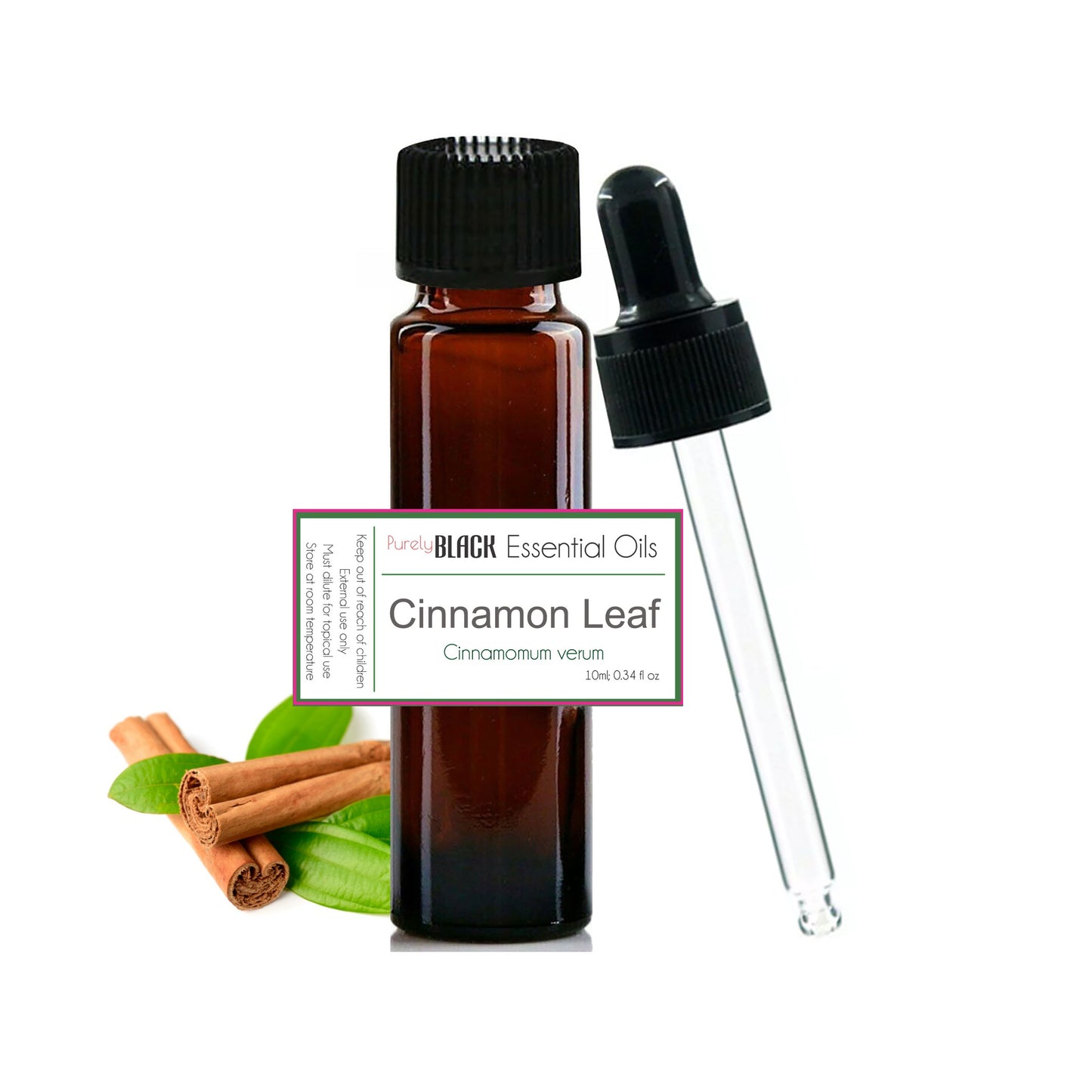
purelyBlack's pure cinnamon leaf oil is available as a 100% pure essential oil, dispatched from Sydney.
What should you not mix cinnamon leaf oil with?
You should not mix cinnamon leaf essential oil with harsh synthetic oxidisers, concentrated undiluted 'hot' botanicals, or unbuffered acidic cleaning solutions.
Blending botanical extracts requires an understanding of chemical synergy and dermal tolerance. Cinnamon Leaf contains phenolic constituents that react aggressively when combined with synthetic bleaching agents or harsh chemical detergents. Combining concentrated phenols with oxidising agents can release irritating volatile fumes and degrade the beneficial volatile aromatic compounds.
From an aromatherapy perspective, layering Cinnamon Leaf oil with other "hot" or spicy extracts like oregano, thyme, or clove multiplies the total dermal load of reactive phenols. Instead, aromatherapists balance Cinnamon Leaf with gentle botanicals such as Lavender Oil, sweet orange, or cedarwood. These softer pairing partners buffer the overall aromatic intensity while creating a balanced home fragrance.
| Incompatible Substance | Interaction Risk | Recommended Alternative |
|---|---|---|
| Chlorine Bleach & Ammonia | Harsh chemical vapour release and aromatic degradation | Distilled water with plant-based castile soap |
| Undiluted "Hot" Phenolic Oils | Compounded dermal irritation and heightened sensitisation | Balancing florals like Lavender Oil |
| Pure Undiluted Citrus Strippers | Excessive dermal dryness and rapid barrier disruption | Fractionated Coconut Oil buffering base |
| Industrial Chemical Disinfectants | Unpredictable solvent reactions and volatilisation | Gentle botanicals like Melissa Oil |
When formulating domestic surface sprays or linen mists, avoid adding concentrated mineral acids directly to pure Cinnamon Leaf oil. Always disperse the oil into a neutral solubiliser or mild liquid soap before introducing water to maintain even aromatic distribution.


When should you not use cinnamon leaf oil?
Avoid using cinnamon leaf essential oil around infants, during pregnancy, near household pets, or on damaged, broken, or highly inflamed skin.
- Infants and Toddlers: Immature cutaneous barriers and sensitive bronchial passages make children highly susceptible to irritation from warm phenolic vapours.
- Pregnancy and Nursing: Potent botanical actives can cross biological membranes, making exposure ill-advised without direct healthcare professional oversight.
- Feline and Canine Spaces: Domestic pets lack vital hepatic glucuronidation enzymes required to process airborne eugenol, creating severe toxicological risks.
Individuals with compromised skin integrity, such as those experiencing active eczema flares, open abrasions, or severe dermatitis, must avoid topical contact entirely. The penetrating nature of Cinnamon Leaf essential oil disrupts the already compromised lipid bilayer, causing acute stinging and secondary inflammation. Even trace amounts left on unwashed fingertips can easily transfer to delicate facial zones.
Furthermore, because eugenol exhibits mild anticoagulant-like aromatic properties in high concentrations, anyone preparing for upcoming surgical procedures should pause active diffuser usage. Individuals managing specific blood-clotting considerations should consult their practitioner before regular exposure. In households with cats, dogs, or caged birds, passive ultrasonic diffusion of Cinnamon Leaf should never occur in enclosed, unventilated rooms.
What organ does cinnamon leaf oil affect?
Cinnamon leaf essential oil primarily affects the skin, respiratory tract, and liver, which metabolises and clears absorbed botanical eugenol compounds.
Topically, the stratum corneum acts as the initial interface with Cinnamon Leaf oil. Due to the relatively low molecular weight of eugenol and secondary terpenes like beta-caryophyllene, the oil rapidly penetrates upper epidermal layers. While this promotes long-lasting aromatic diffusion, excessive concentrations provoke localised histamine responses and cutaneous irritation.
Inhalation introduces airborne droplets to the olfactory epithelium and the bronchial mucous membranes. Diffusing modest concentrations provides aromatic comfort and creates an inviting indoor atmosphere. However, over-saturating ambient air can overstimulate upper respiratory receptors, resulting in dry coughing or nasal dryness.
Systemically, trace amounts of inhaled or transdermally absorbed botanical components are processed through the liver. Hepatic enzymes conjugate eugenol into water-soluble glucuronides and sulfates for routine renal elimination. Healthy adult systems process standard, heavily diluted aromatic exposures efficiently without organ strain.
What are some uses for cinnamon leaf oil at home?
Safe home uses include aromatic diffuser blends, surface freshening sprays, wardrobe deodorisers, and heavily diluted botanical massage oils.
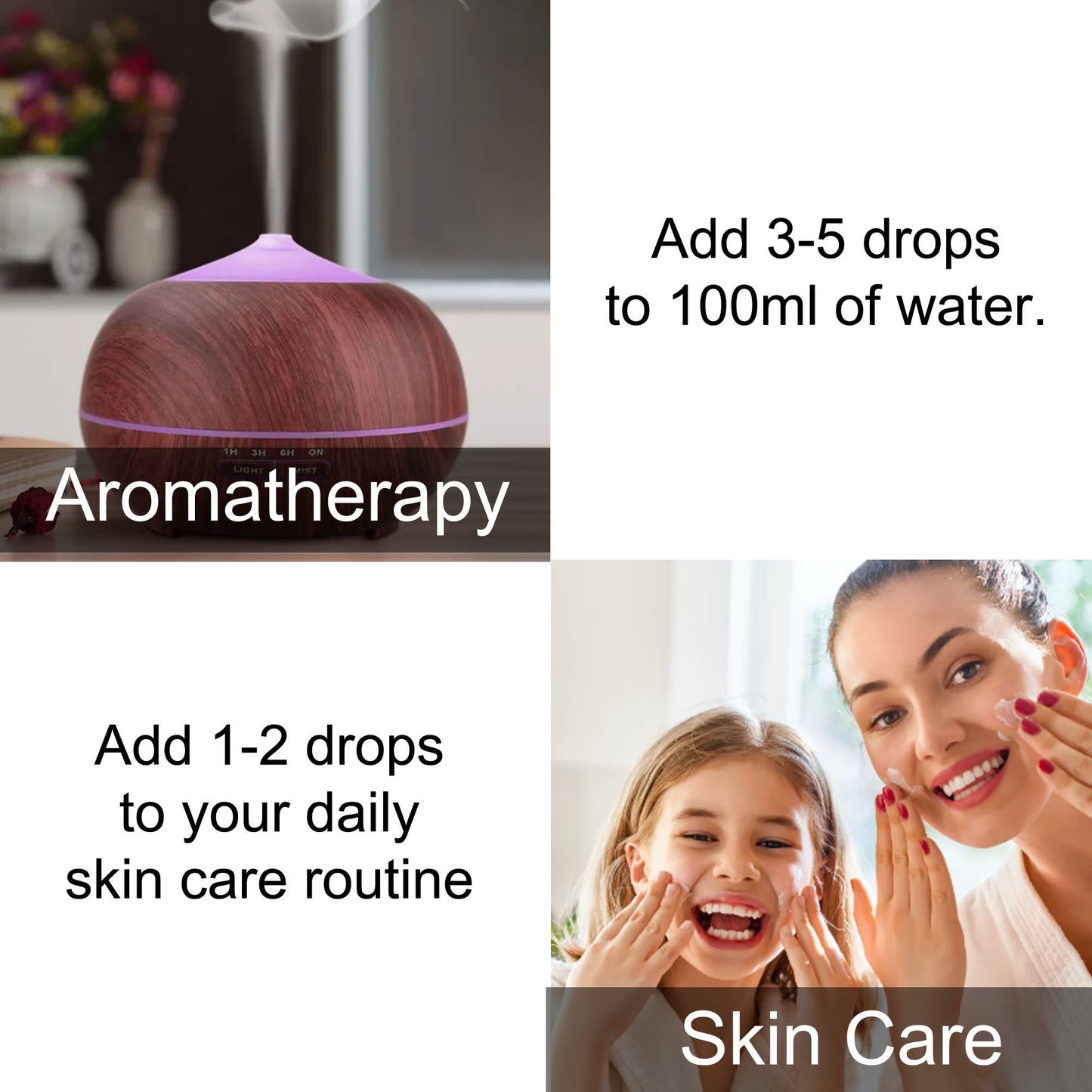
Cinnamon Leaf is prized for crafting warm, uplifting ambient aromas throughout Australian living spaces. Adding one to two drops into an ultrasonic diffuser alongside sweet orange or vanilla brings an earthy, comforting presence to common areas. When experiencing seasonal fatigue or winter chill, many people turn to this spicy aroma to invigorate the home environment.
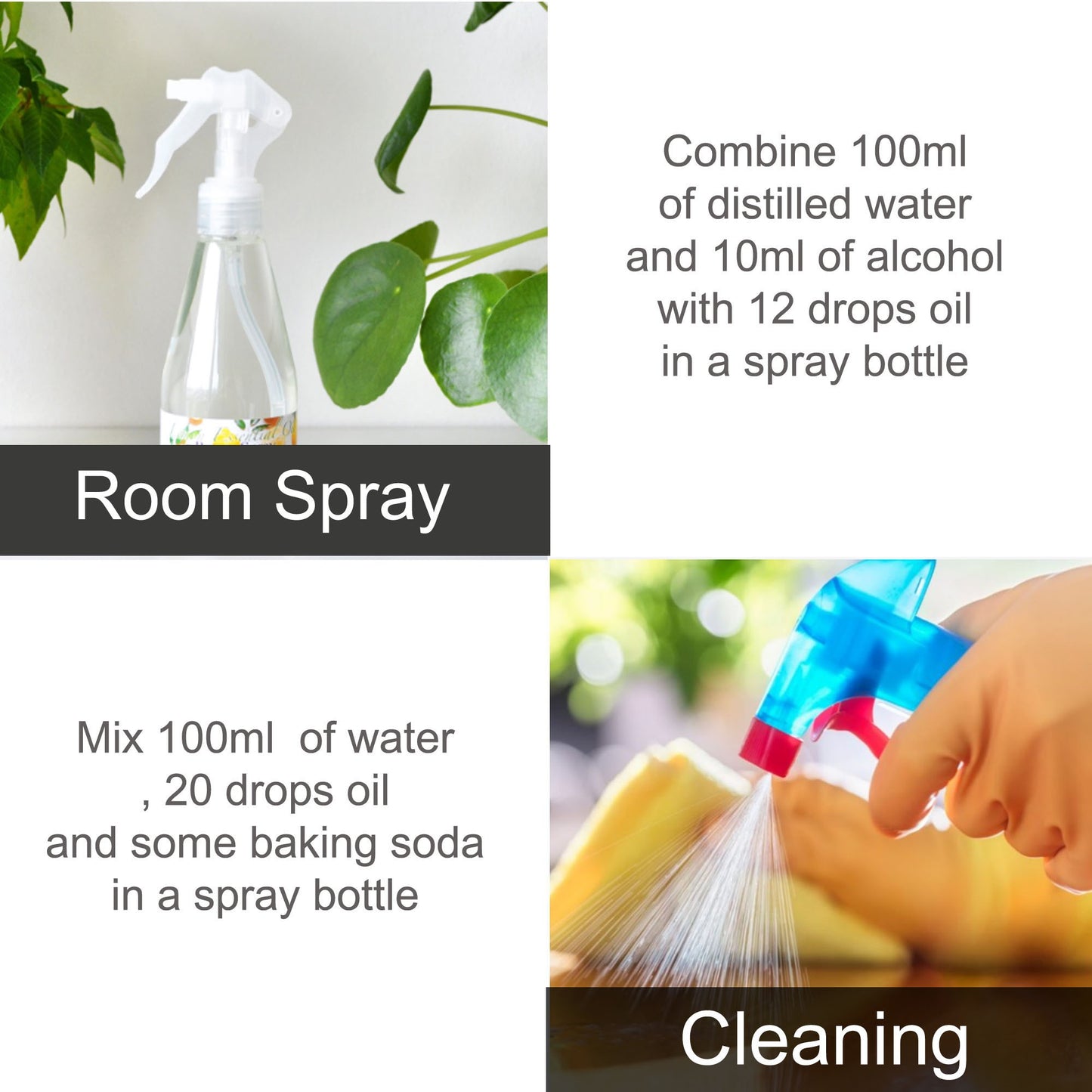
For household freshening, combine several drops of Cinnamon Leaf with white vinegar, distilled water, and a splash of mild dishwashing liquid in a spray bottle. This mixture provides natural surface-cleansing power for kitchen benchtops, rubbish bins, and entryway floorboards. Always shake thoroughly before use to ensure the botanical droplets remain evenly suspended.
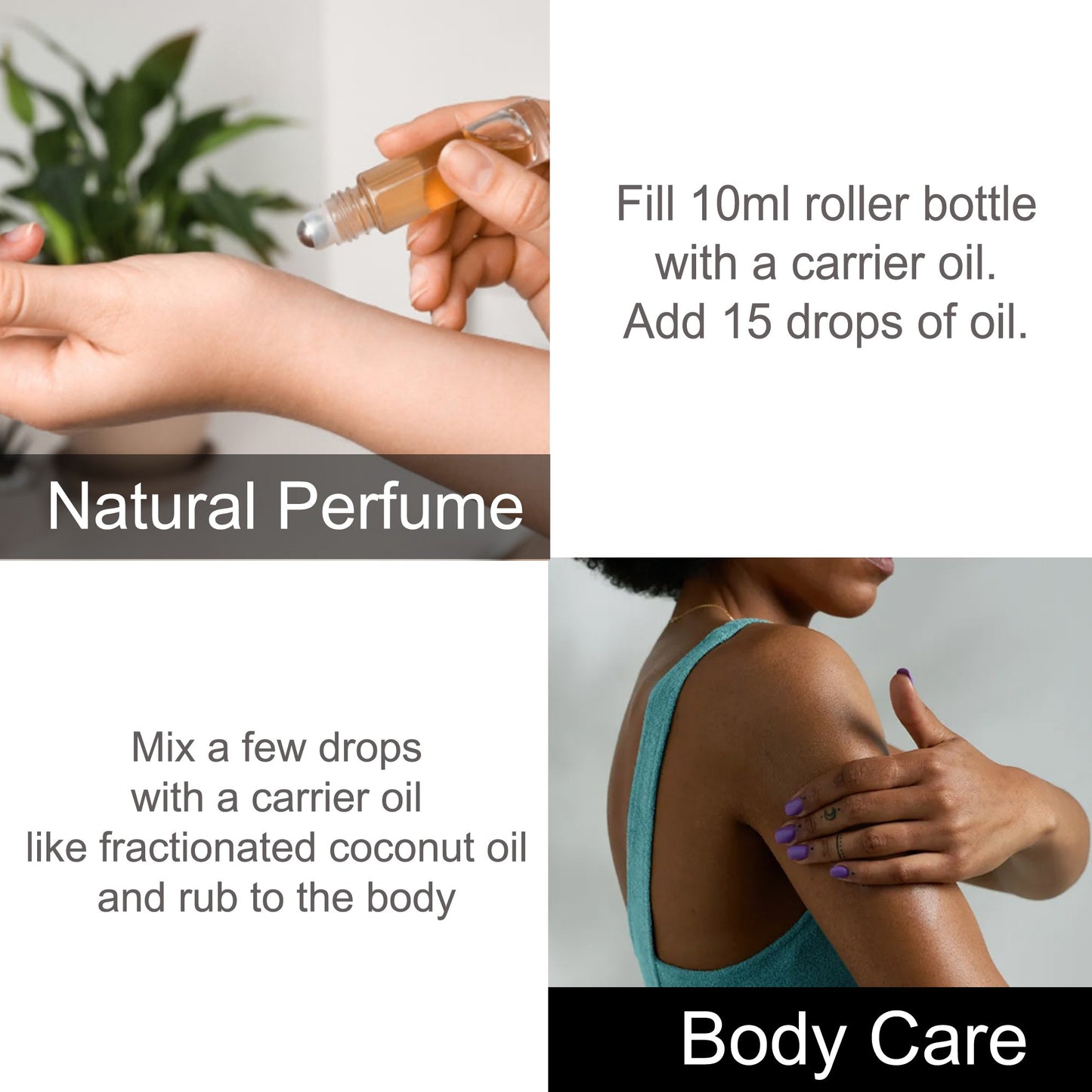
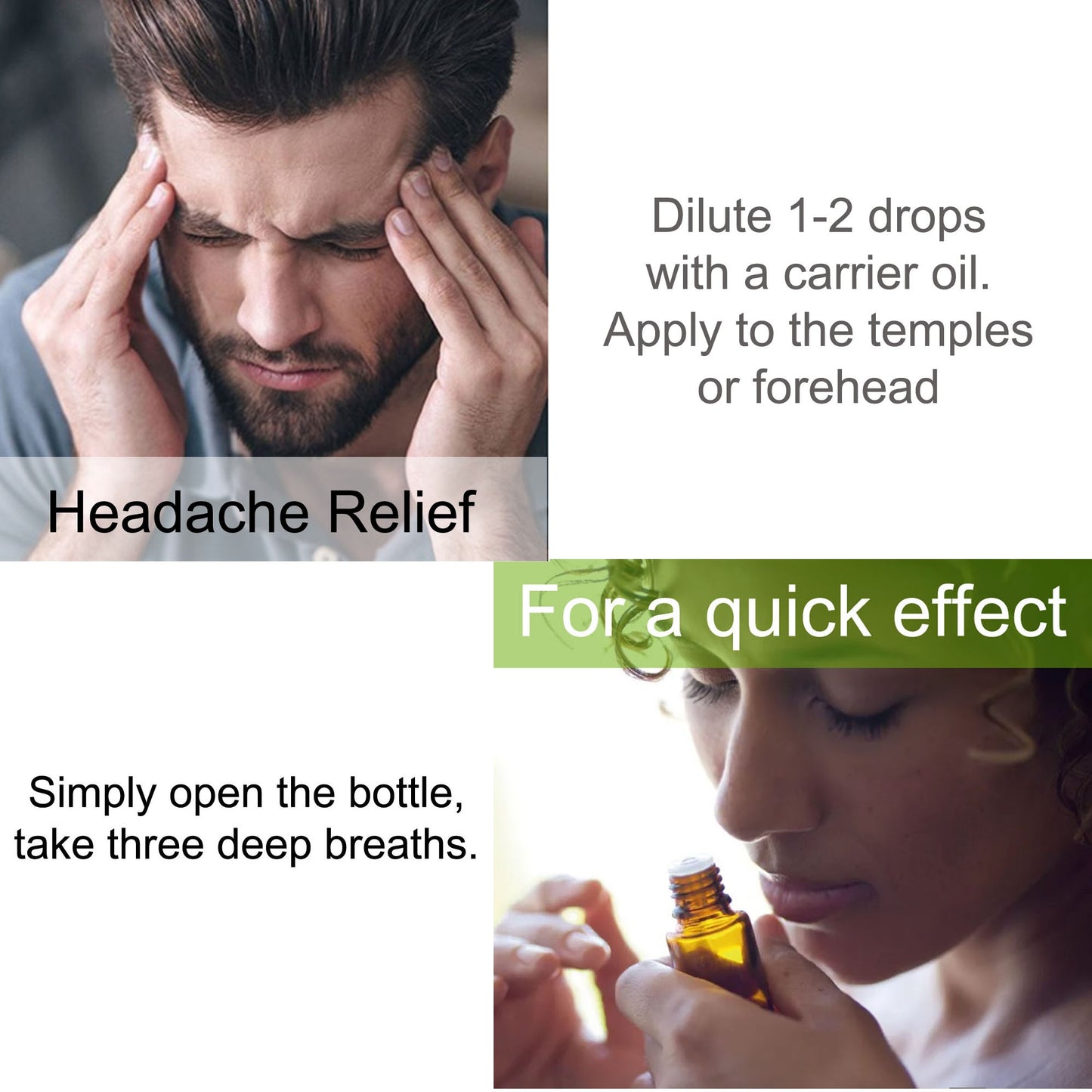
When formulating topical body products, adhere strictly to a 0.5% to 1% dilution ratio in a stable carrier oil.
To explore similar profiles, discover these pure purelyBlack creations: Wintergreen Oil, White Birch Oil, and Melissa Oil — each dispatched from Sydney.
Related Reading
For more on cinnamon leaf essential oil, see our companion guide: What Is Cinnamon Leaf Essential Oil Used For? — Complete Guide.
About the Author
Written by H.R. Kim
Founder at purelyBlack — an Australian-owned perfumery and botanical studio based in Sydney. H.R. specialises in scent profiling and natural ingredient sourcing, meticulously balancing premium fragrance oils and 100% pure essential oils to create elevated aromatic experiences.
Last updated: August 2026
Disclaimer: purelyBlack essential oils are for external use and aromatherapy purposes only. They are not intended to diagnose, treat, cure, or prevent any disease. Always dilute with a carrier oil before topical application and consult a healthcare professional if pregnant or under medical supervision.
