






What Smells Better — Cedarwood or Sandalwood Oil?
What smells better, sandalwood or cedarwood oil?
Whether sandalwood or cedarwood smells better depends on personal taste, as sandalwood is creamy and sweet, while cedarwood is dry, woody, and crisp.
- Aromatic Profile: Sandalwood provides rich, warm balsamic sweetness, whereas cedarwood presents an earthy, camphorous, pencil-shaving timber scent.
- Blending Versatility: Cedarwood oil pairs effortlessly with zesty citrus and herbal oils, while sandalwood enriches heavy floral and resinous accords.
- Price and Sourcing: Cedarwood essential oil offers an accessible woodsy foundation, whereas authentic sandalwood is rarer and significantly more costly.


Choosing between these two beloved aromatic woods comes down to the sensory atmosphere you wish to create. Sandalwood delivers an opulent, velvet-like warmth that lingers softly in personal diffusers and fine perfumery. In contrast, Cedarwood evokes the fresh, grounding clarity of an alpine forest, creating an open and invigorating ambience in living spaces across Australia.
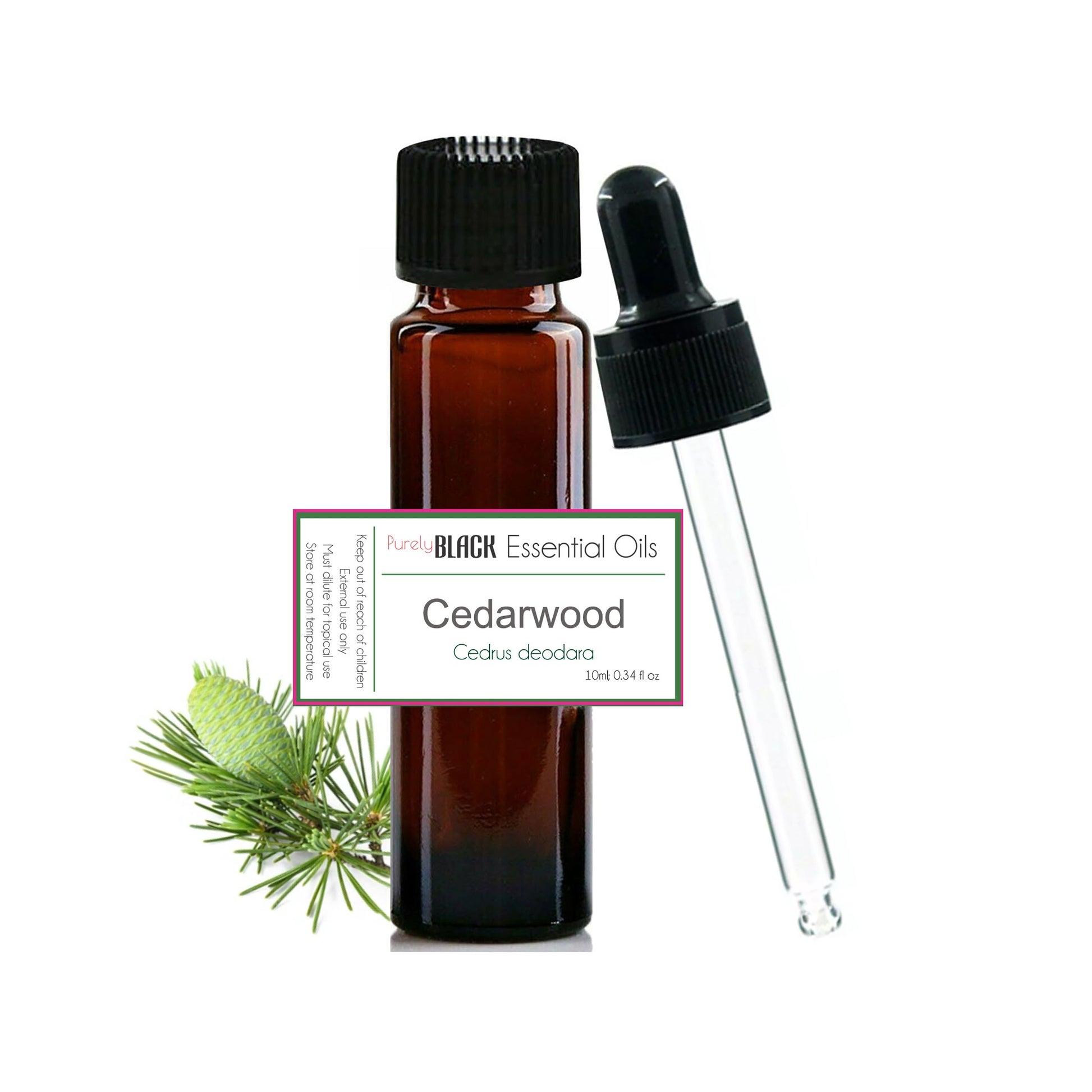
Both botanical oils serve as exceptional base notes in natural fragrance crafting. While sandalwood adds rounded sweetness to evening blends, Cedarwood provides a clean, dry backbone that cuts through heavier floral bouquets without overwhelming the senses. purelyBlack's pure cedarwood oil is available as a 100% pure essential oil, dispatched from Sydney.
What is the difference between cedar oil and cedarwood oil?
Cedar oil typically refers to broad commercial timber extracts or carrier infusions, whereas cedarwood essential oil is pure steam-distilled aromatic tree wood.
| Feature | Commercial Cedar Oil | Cedarwood Essential Oil |
|---|---|---|
| Botanical Origin | Mixed timber by-products or synthetic blends | Specific steam-distilled heartwood (e.g. Cedrus atlantica) |
| Processing Method | Solvent extraction or industrial maceration | 100% pure steam distillation |
| Primary Use | Wood preservation, polishes, and commercial repellents | Aromatherapy, botanical perfumery, and skin preparation |
The term cedar oil is frequently used as a blanket commercial designation for industrial timber treatments, solvent-extracted timber washings, or fragrance oils diluted in mineral bases. Authentic Cedarwood essential oil, conversely, is extracted exclusively through gentle steam distillation of untreated heartwood shavings from the Pinaceae or Cupressaceae botanical families. This meticulous extraction preserves the volatile sesquiterpenes that give the pure botanical its distinct character.
Authentic Atlas Cedarwood contains significant natural concentrations of sesquiterpene hydrocarbons, such as beta-himachalene (up to 45%) and alpha-himachalene (up to 15%), documented in published phytochemical study literature. These naturally occurring compounds produce the characteristic dry, resinous timber bouquet that synthetic substitutes cannot replicate. When selecting an oil for home diffusion, verifying botanical authenticity guarantees genuine aromatic depth without harsh chemical residues.


Which type of cedarwood oil smells the best?
Atlas cedarwood smells best for rich warmth, Virginian excels in clean pencil-cedar notes, and Himalayan offers the most pungent balsamic undertone.
- Atlas Cedarwood: Distilled from true cedar trees, this variety yields a warm, sweet, slightly camphoraceous woody bouquet.
- Virginian Cedarwood: Sourced from juniper timber, it gives the iconic crisp, dry aroma reminiscent of antique chests and pencils.
- Himalayan Cedarwood: Originating from high altitudes, it produces an intensely earthy, smoky, and deeply grounding timber profile.
Atlas Cedarwood (Cedrus atlantica) is widely regarded by natural perfumers as the most complete and balanced scent profile. Native to the Atlas Mountains of Morocco, this woodsy essence carries subtle honey-like balsamic undertones that soften its sharp timber top notes. It provides aromatic comfort when diffused in personal relaxation corners or study spaces.
Virginian Cedarwood (Juniperus virginiana) offers an immediate, dry familiarity, capturing the crisp aroma of freshly sharpened pencils and cedar wardrobes. Himalayan Cedarwood (Cedrus deodara) possesses a richer, more medicinal edge that appeals to enthusiasts seeking robust base notes for grounding diffuser blends. Selecting the best oil depends entirely on whether you prefer warm sweetness or crisp, dry forestry.
Is cedarwood oil a feminine or masculine scent?
Cedarwood essential oil is a versatile unisex fragrance note that effortlessly anchors both robust masculine colognes and delicate feminine floral blends.
While historically associated with masculine grooming products and classic aftershaves, Cedarwood functions as a neutral foundation in contemporary perfumery. Its dry, warm undertones harmonise beautifully with sweet top notes, tempering cloying sweetness without dominating the composition. Blending Cedarwood oil with bright citrus oils like Sweet Orange Oil creates an uplifting, gender-neutral daytime aroma.
In feminine fragrances, a drop of Cedarwood essential oil grounds high-frequency florals like Neroli Oil, adding longevity and depth to delicate blossoms. For topical pulse-point application, always dilute Cedarwood to a safe 1% to 2% ratio in Fractionated Coconut Oil to support a healthy complexion and long-lasting aroma.
Who should not use cedarwood oil?
Pregnant or breastfeeding women, individuals with severe cedar allergies, and young infants should not use cedarwood essential oil without medical guidance.
Cedarwood oil contains active sesquiterpenes that can stimulate uterine circulation, making it inadvisable during pregnancy unless cleared by a qualified health professional. Furthermore, individuals with known hypersensitivity to conifer pollen or timber resin should perform a 24-hour patch test before topical application. When experiencing seasonal respiratory sensitivity, many people turn to gentle diffusion rather than direct topical contact.
Pet owners must also practise caution when diffusing Cedarwood essential oil in enclosed indoor areas. Cats and dogs possess highly sensitive olfactory systems and metabolise essential oils differently than humans, requiring well-ventilated rooms and pet-free diffusion zones.
To explore similar profiles, discover these pure purelyBlack creations: Myrrh Oil, Manuka Oil, and Citronella Oil — each dispatched from Sydney.
Browse our complete range of Pure Essential Oils Australia to find pure botanical extracts for your daily wellness rituals.
Related Reading
For more on cedarwood essential oil, see our companion guide: What Is Cedarwood Essential Oil Good For? — Complete Guide.
About the Author
Written by H.R. Kim
Founder at purelyBlack — an Australian-owned perfumery and botanical studio based in Sydney. H.R. specialises in scent profiling and natural ingredient sourcing, meticulously balancing premium fragrance oils and 100% pure essential oils to create elevated aromatic experiences.
Last updated: August 2026
Disclaimer: purelyBlack essential oils are for external use and aromatherapy purposes only. They are not intended to diagnose, treat, cure, or prevent any disease. Always dilute with a carrier oil before topical application and consult a healthcare professional if pregnant or under medical supervision.
