






Pure Cassia Oil for Antimicrobial Surface Cleansing: Benefits, Uses and Safety
Why is cassia oil so effective for natural cleaning?

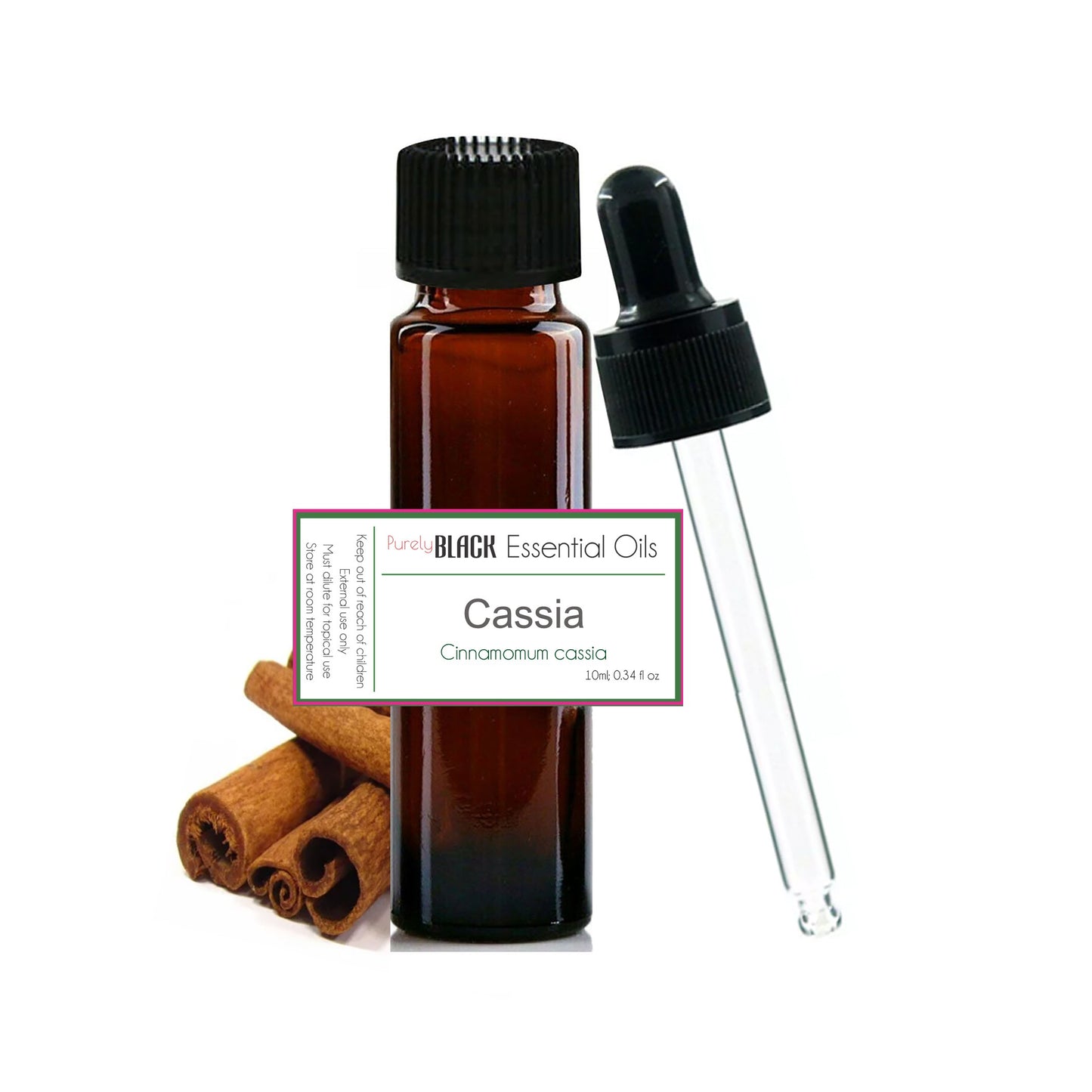
Cassia oil is exceptionally effective for natural cleaning due to its high concentration of cinnamaldehyde, a powerful organic compound recognised for its ability to inhibit the growth of a wide range of microbes on household surfaces, neutralising odours at their source. For the highest quality botanical experience, purelyBlack's pure cassia oil offers a premium, authentically distilled solution for this exact need.
| Pairs Well With | Why It Blends Well | How to Use Together |
|---|---|---|
| Tangerine Essential Oil Citrus reticulata |
Tangerine introduces a bright, citrus note that cuts through the spicy warmth of cassia. Its limonene content adds a fresh, degreasing aspect to cleaning solutions. | Combine 5 drops of cassia oil and 10 drops of tangerine in a spray bottle with water and vinegar for a cheerful, effective kitchen surface cleaner. |
| Siberian Fir Essential Oil Abies sibirica |
Siberian fir offers a crisp, clean, forest-like aroma that beautifully complements cassia's spice, creating a robust scent profile for powerful deodorising sprays. | Add 6 drops of Siberian fir and 4 drops of cassia to a cup of baking soda. Sprinkle on carpets before vacuuming to refresh the entire room. |
| Vanilla Oil Vanilla planifolia |
Vanilla softens the sharp, spicy aroma of cassia, lending a warm, comforting, and welcoming note to room sprays without compromising the cleaning focus. | Create a post-cleaning room mist by combining 8 drops of vanilla and 3 drops of cassia with distilled water in a spray bottle. |
The Botanical Chemistry and Benefits of Cassia Oil for Antimicrobial Surface Cleansing
The remarkable cleansing power of cassia essential oil is primarily attributed to its dominant chemical constituent, cinnamaldehyde. This potent aldehyde works by disrupting the cell membranes of various microbes, effectively preventing their proliferation on household surfaces and making it a cornerstone of botanical cleaning protocols.
Derived from the bark of the Cinnamomum cassia tree, this specific botanical source is prized for its exceptionally high cinnamaldehyde content, often exceeding 80%. This robust chemical profile is what provides its characteristic spicy aroma and its formidable efficacy in DIY cleaning formulations.
Harnessing the benefits of a cassia oil natural cleaning recipe means leveraging this targeted biochemical action. Unlike synthetic cleaners that use harsh chemicals, cassia provides a plant-derived alternative for maintaining a fresh and hygienically clean home environment.
How do you create a cassia oil natural cleaning recipe?
Creating a powerful cassia oil natural cleaning recipe is a simple process of combining the oil with a suitable liquid base and applying it to non-porous surfaces. This method allows you to harness its botanical properties for a sparkling clean home.
- Combine 250ml of distilled water and 250ml of white vinegar in a clean glass spray bottle.
- Add 10-15 drops of cassia oil directly into the bottle for potent antimicrobial support.
- Include a tablespoon of organic witch hazel extract to help emulsify the oil and water.
- Shake the bottle vigorously before each use to ensure the ingredients are well-mixed.
- Apply by spraying directly onto countertops, tiles, and sinks, then wipe clean with a damp cloth.
| Cleaning Task | Recipe | Application Note |
|---|---|---|
| General Purpose Spray | 10 drops cassia oil, 500ml water/vinegar (1:1), 1 tbsp witch hazel. | Ideal for kitchen counters, bathroom surfaces, and doorknobs. Avoid using on unsealed stone. |
| Mould & Mildew Paste | 5 drops cassia oil mixed into a thick paste with baking soda and a little water. | Apply to grout or damp corners, let it sit for 15 minutes, then scrub and rinse thoroughly. |
| Floor Cleaner | 15 drops cassia oil added to a bucket of hot water with a splash of white vinegar. | Suitable for tile, linoleum, and vinyl flooring. The warm, spicy scent freshens the entire home. |
| Bin Deodoriser | 3-4 drops cassia on a cotton ball placed at the bottom of the bin liner. | Neutralises odours at their source, keeping bins fresh between changes. Replace weekly. |
Can cassia really kill mould on surfaces?
Yes, cassia is highly regarded in botanical cleaning practices for addressing mould on hard, non-porous surfaces. Its high concentration of cinnamaldehyde is known to create an environment where mould and mildew struggle to thrive. When experiencing issues with musty odours or visible mould spots in areas like bathrooms or under sinks, many people turn to cassia-based cleaning solutions for powerful botanical support and a fresher-smelling space.
Does cassia get rid of bad smells in the home?
Cassia is exceptionally effective at neutralising stubborn household odours rather than simply masking them. Its potent, spicy-sweet aroma actively works to overpower and eliminate unpleasant smells from cooking, pets, or dampness. Using cassia in a diffuser or a room spray after cleaning doesn't just add a pleasant fragrance; it fundamentally refreshes the atmosphere, leaving behind a clean and inviting scent that signifies a truly clean space.
Is cassia better than cinnamon for cleaning?
For cleaning purposes, cassia is often considered more practical and potent than true cinnamon (Cinnamomum zeylanicum). While both are related, cassia (Cinnamomum cassia) typically has a much higher concentration of cinnamaldehyde, the key compound responsible for its antimicrobial properties. This makes cassia oil a more robust and cost-effective choice for creating powerful DIY surface cleaners and deodorisers, delivering a stronger botanical action where it's needed most.
How to mix cassia oil for a DIY antimicrobial surface spray?
To create a DIY antimicrobial surface spray, the key is to properly disperse the cassia oil in a suitable liquid base. A highly effective and simple recipe is to combine 1 cup of distilled water with 1 cup of white vinegar in a glass spray bottle. Add 10-15 drops of cassia oil and a tablespoon of a natural solubiliser like organic witch hazel extract. The vinegar helps cut through grime while the witch hazel ensures the oil mixes evenly for consistent application.
Where can I buy genuine cassia oil online without risking cheap synthetic oils?
To avoid synthetic fragrances and diluted products, you should always purchase from a trusted, specialist supplier like purelyBlack. Ordering pure cassia oil directly from our store ensures you receive a genuine, 100% pure botanical extract. As an Australian business, we are committed to authenticity, allowing you to safely purchase the real oil you need for your natural cleaning recipes, with all orders shipping from within Australia.
Is cassia oil safe for antimicrobial surface cleansing?
When used correctly, cassia oil is a safe and effective component of a natural cleaning routine, but proper precautions are essential due to its potency. Always wear gloves when handling concentrated cassia oil or freshly made cleaning solutions to avoid potential skin irritation. Ensure good ventilation in the area you are cleaning to minimise inhalation of the potent aroma. It is also crucial to keep pets, especially cats, out of the room until surfaces are completely dry.
| Safety Concern | Precaution | Reasoning |
|---|---|---|
| Skin Contact | Wear protective gloves during mixing and application. | Undiluted or concentrated cassia essential oil can be a strong skin irritant. |
| Pet Safety | Keep all pets, particularly cats and birds, out of the room while cleaning and until surfaces are dry. | The potent phenols in cassia can be toxic to pets if ingested or inhaled in high concentrations. |
| Surface Damage | Always perform a patch test on a small, inconspicuous area first. | Cassia oil is very strong and may damage certain plastics, polished woods, or painted surfaces. |
| Food Preparation Areas | After cleaning kitchen counters, rinse the surface thoroughly with a clean, water-dampened cloth. | This removes any oily residue to ensure the surface is safe for direct food contact. |
Other Ways to Use Cassia Oil
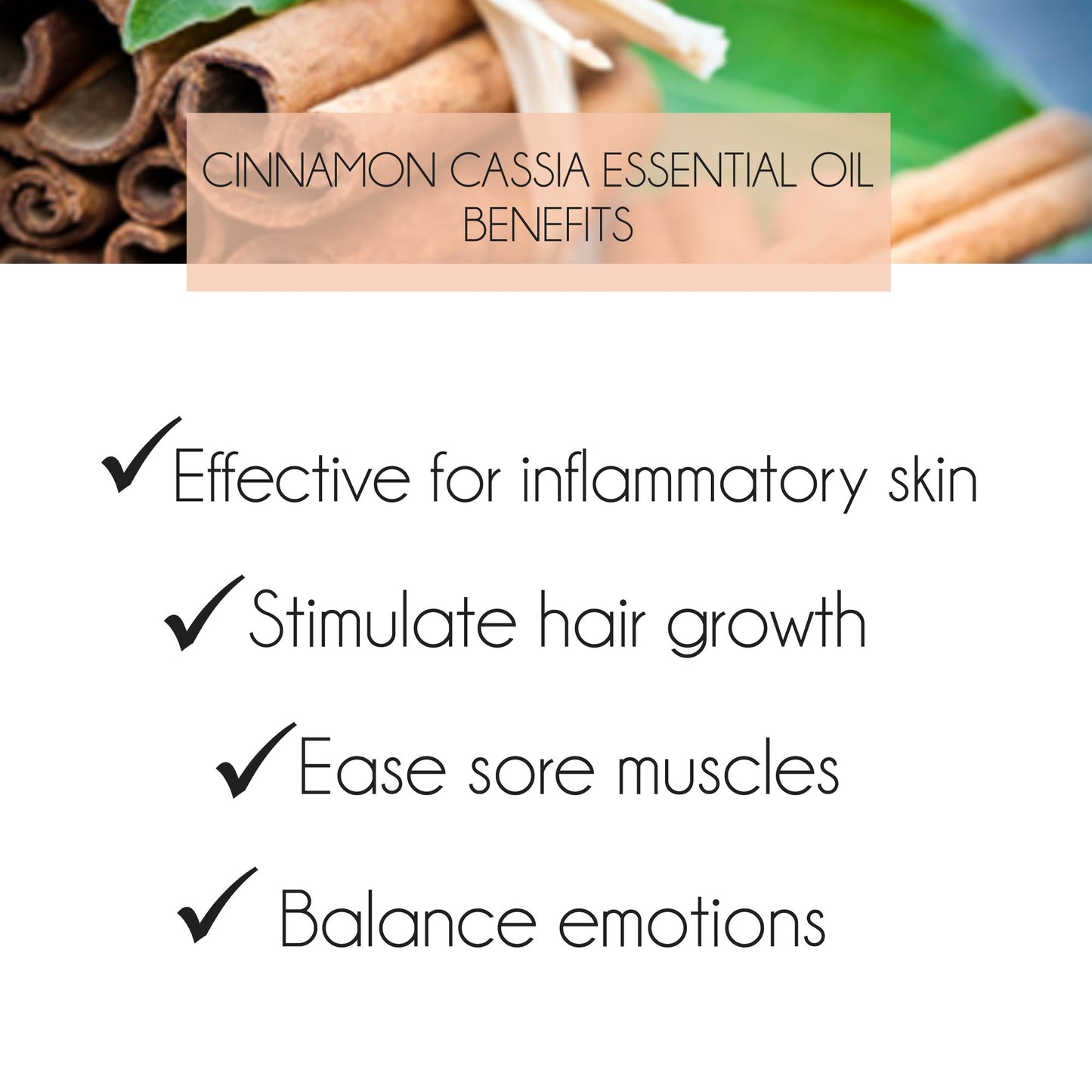
Beyond its powerful applications in home cleaning, cassia oil is celebrated for its other distinct properties. Its intense, spicy aroma makes it a popular choice for scenting a space, and you can explore the benefits of cassia for Warming Aromatic Diffusion. Additionally, its inherent warming qualities are often utilised in topical applications, which you can learn about in our guide on how to use cassia oil for Topical Warming Sensation.
Disclaimer: This information is for educational purposes only. These statements have not been evaluated by the Therapeutic Goods Administration (TGA). This product is not intended to diagnose, treat, cure, or prevent any disease. Always consult a healthcare professional before use.
