

Is Bay Laurel Oil Safe? Side Effects and Who Should Avoid It
What are the side effects of bay laurel oil?
Common side effects of bay laurel oil include skin irritation, allergic contact dermatitis, respiratory sensitivity from strong vapours, and mucous membrane irritation.
- Skin Sensitisation: Undiluted application may trigger contact dermatitis, noticeable redness, itching, or localized burning sensations on sensitive tissue.
- Mucous Irritation: Inhaling concentrated botanical vapours directly from the bottle can cause temporary coughing, watering eyes, or throat tickling.
- Photosensitivity Risks: Topical exposure in high concentrations can elevate dermal sensitivity when venturing into direct, intense Australian sunlight.


Extracted from the leaves of Laurus nobilis, a member of the Lauraceae botanical family, Bay Laurel oil is produced through steam distillation. A published phytochemical analysis confirms that the natural profile typically contains 35% to 50% 1,8-cineole alongside eugenol, alpha-pinene, and linalool. These concentrated aromatic constituents provide robust botanical qualities but also present potential dermal and respiratory hazards when handled carelessly.
When experiencing physical discomfort from misuse, individuals usually report cutaneous irritation arising from inadequate dilution. Applying undiluted Bay Laurel essential oil directly to the skin strips natural lipid barriers and provokes swift immune responses in sensitised individuals. Practising mindful dilution protocols ensures these reactive plant fractions deliver aromatic comfort without compromising delicate skin layers.
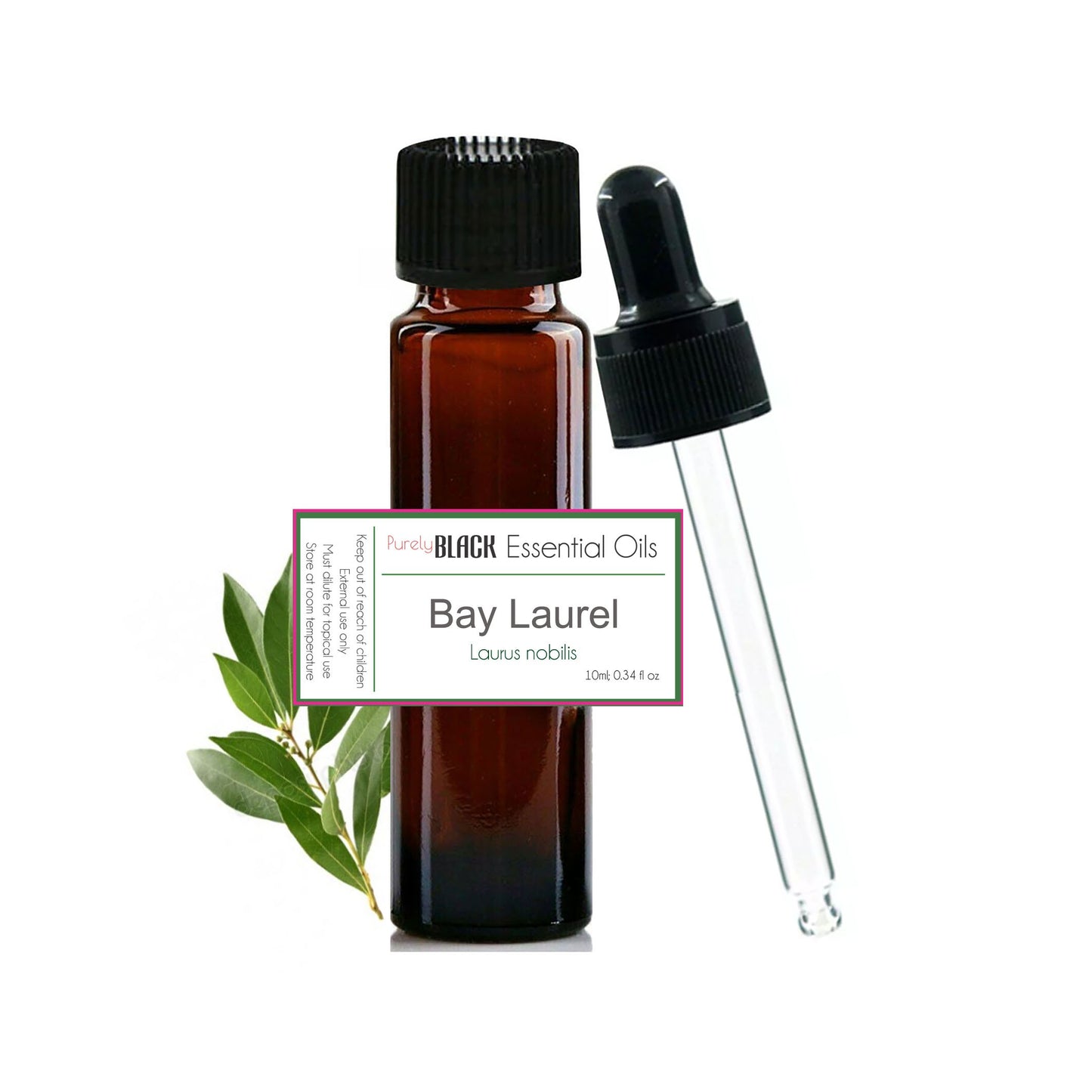
purelyBlack's pure bay laurel oil is available as a 100% pure essential oil, dispatched from Sydney.
What is the negative effect of bay leaf oil?
The primary negative effect of bay leaf essential oil stems from its high 1,8-cineole content, which can cause dermal burning and respiratory spasms.
Because Bay Laurel essential oil contains significant amounts of both eugenol and cineole, excessive application can lead to chemical irritation across the epidermal barrier. High concentrations applied topically without a carrier medium cause significant heat sensations, dryness, and contact sensitisation. Over time, repeated exposure to undiluted botanical oil can render the skin permanently reactive to similar plant extracts.
Inhaling dense concentrations of Bay Laurel in poorly ventilated spaces can also irritate delicate bronchial passages. Individuals exposed to excessive atmospheric vapours may experience sudden lightheadedness, nasal dryness, or coughing episodes. Ensuring steady airflow and moderating diffuser output prevents negative sensory overstimulation while maintaining a tranquil room atmosphere.


Who should not use bay laurel oil?
Pregnant women, nursing mothers, infants, young children, and individuals with severe asthma or known plant allergies should completely avoid bay laurel oil.
- Young Children: High 1,8-cineole concentrations pose serious neurotoxic and respiratory reflex risks to infants and children under six.
- Expectant Mothers: Potent botanical compounds may stimulate uterine circulation and should be strictly avoided during pregnancy and breastfeeding.
- Asthma Sufferers: Dense aromatic vapours can provoke sudden airway irritation, bronchospasms, or breathing discomfort during active respiratory conditions.
Individuals with hypersensitive skin or documented allergies to the Lauraceae plant family must avoid using Bay Laurel topically. Because the natural eugenol fraction acts as a recognised dermal irritant, those with compromised skin barriers face elevated sensitisation risks. Conducting a supervised patch test remains an essential precautionary measure before any personal application.
Furthermore, individuals taking specialised medications or managing chronic health conditions should consult a qualified health practitioner before using Bay Laurel oil. Safe botanical practice always prioritises individual tolerance levels to prevent adverse physiological interactions.
Is bay laurel oil safe on skin?
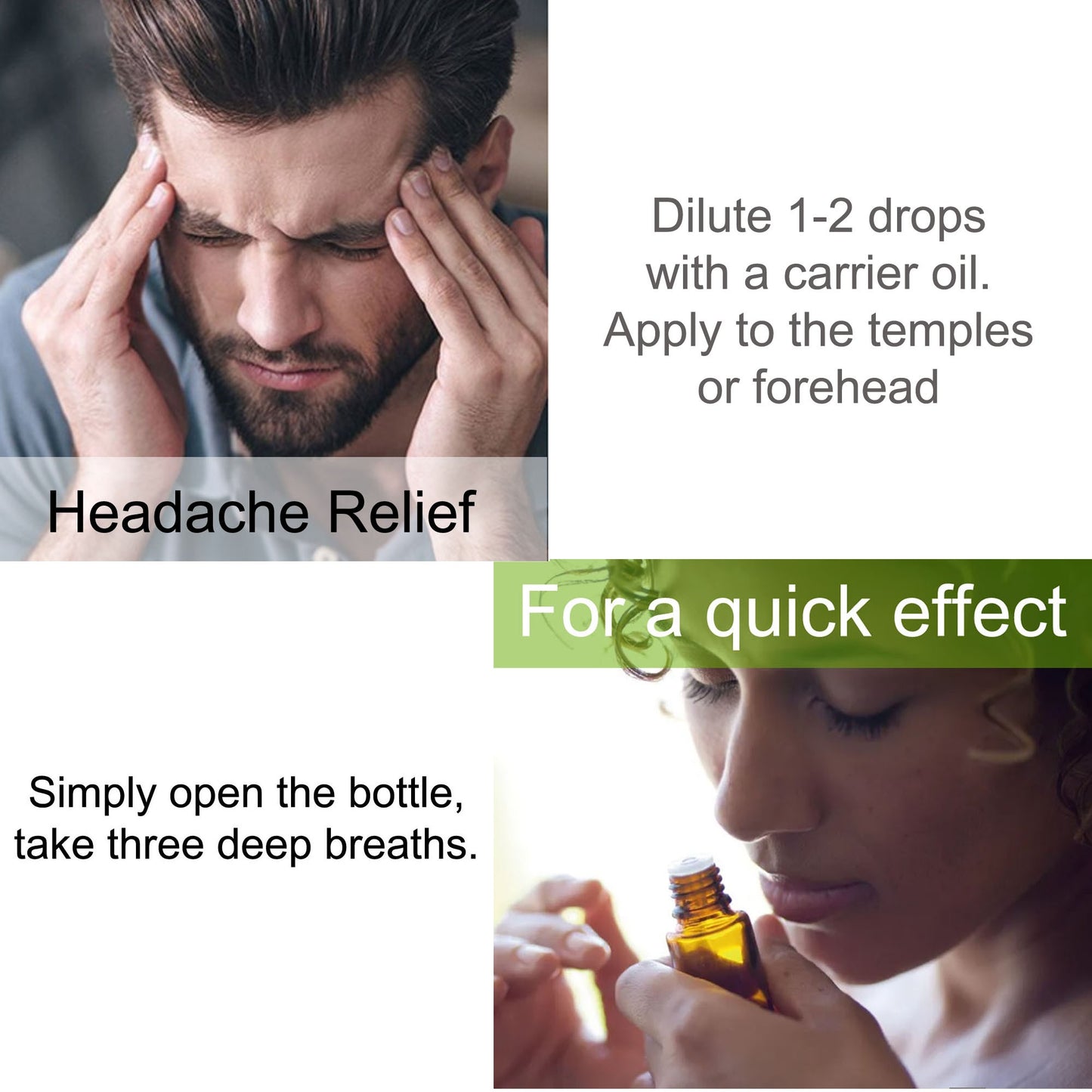
Yes, bay laurel oil is safe for topical skin application only when properly diluted in a nourishing botanical carrier oil before use.
| Application Purpose | Dilution Rate | Carrier Oil Medium |
|---|---|---|
| Facial Applications | 0.5% (1 drop per 10ml) | Fractionated Coconut Oil |
| Full Body Massage | 1.0% (2 drops per 10ml) | Jojoba or Sweet Almond Oil |
| Targeted Muscle Rub | 2.0% (4 drops per 10ml) | Fractionated Coconut Oil |
| Patch Testing | 0.5% (1 drop per 10ml) | Fractionated Coconut Oil |
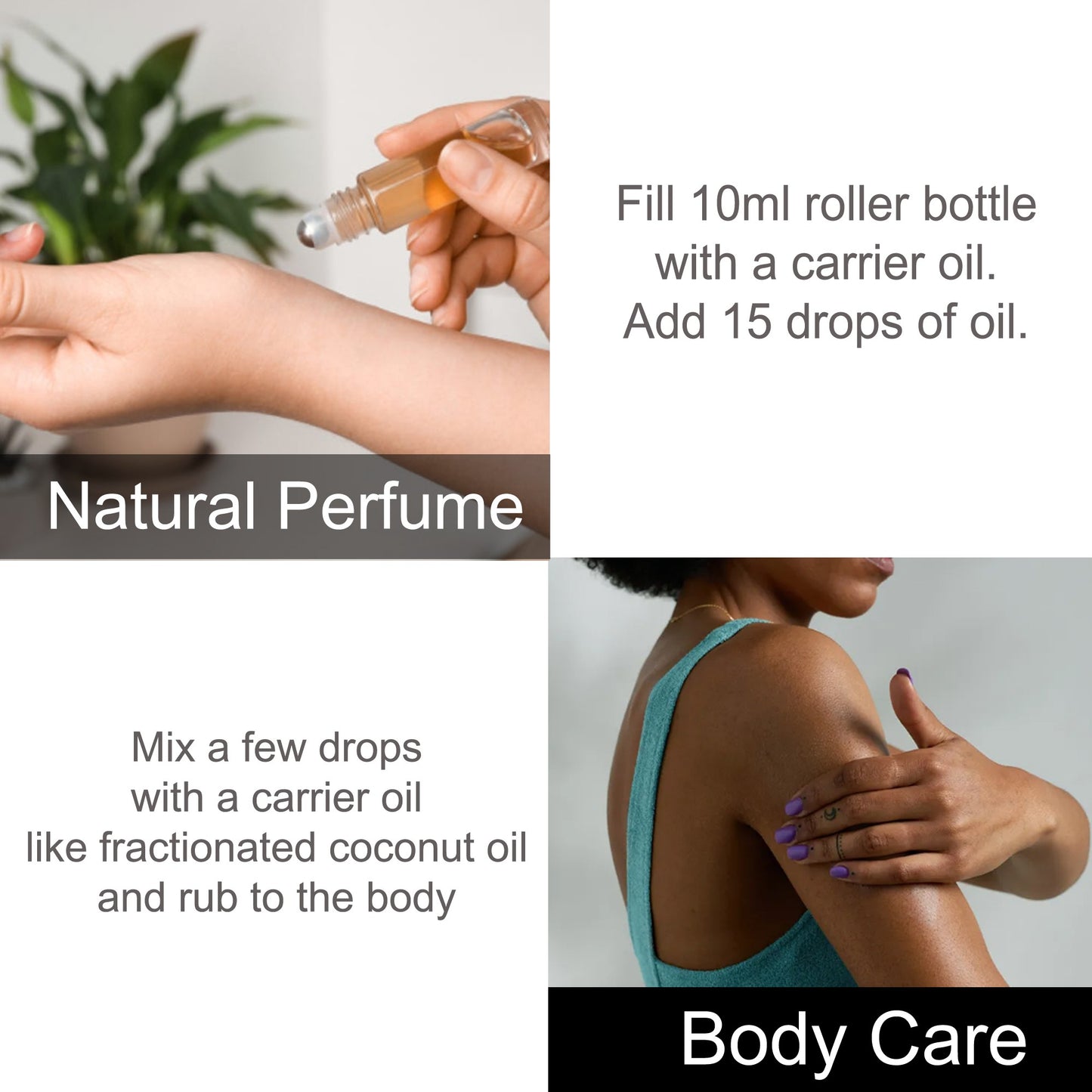
Applying pure Bay Laurel oil directly to the skin without dilution carries a substantial risk of chemical burns, redness, and peeling. Blending the potent botanical extract into Fractionated Coconut Oil creates a protective lipid barrier that buffers sensitive tissue against harsh terpenes. This gentle carrier enables smooth distribution while supporting a healthy complexion across target areas.
To ensure personal safety, always perform a patch test on your inner forearm using a 0.5% dilution. Allow the blend to remain on the skin for 24 hours while observing for any signs of redness, swelling, or persistent itchiness. If any irritation develops, flush the skin with pure plant oil rather than water to safely dissolve and remove the essential oil residues.
Is bay laurel oil safe to diffuse at home?
Yes, bay laurel essential oil is safe to diffuse at home when dispersed in well-ventilated spaces for short, controlled thirty-minute sessions.
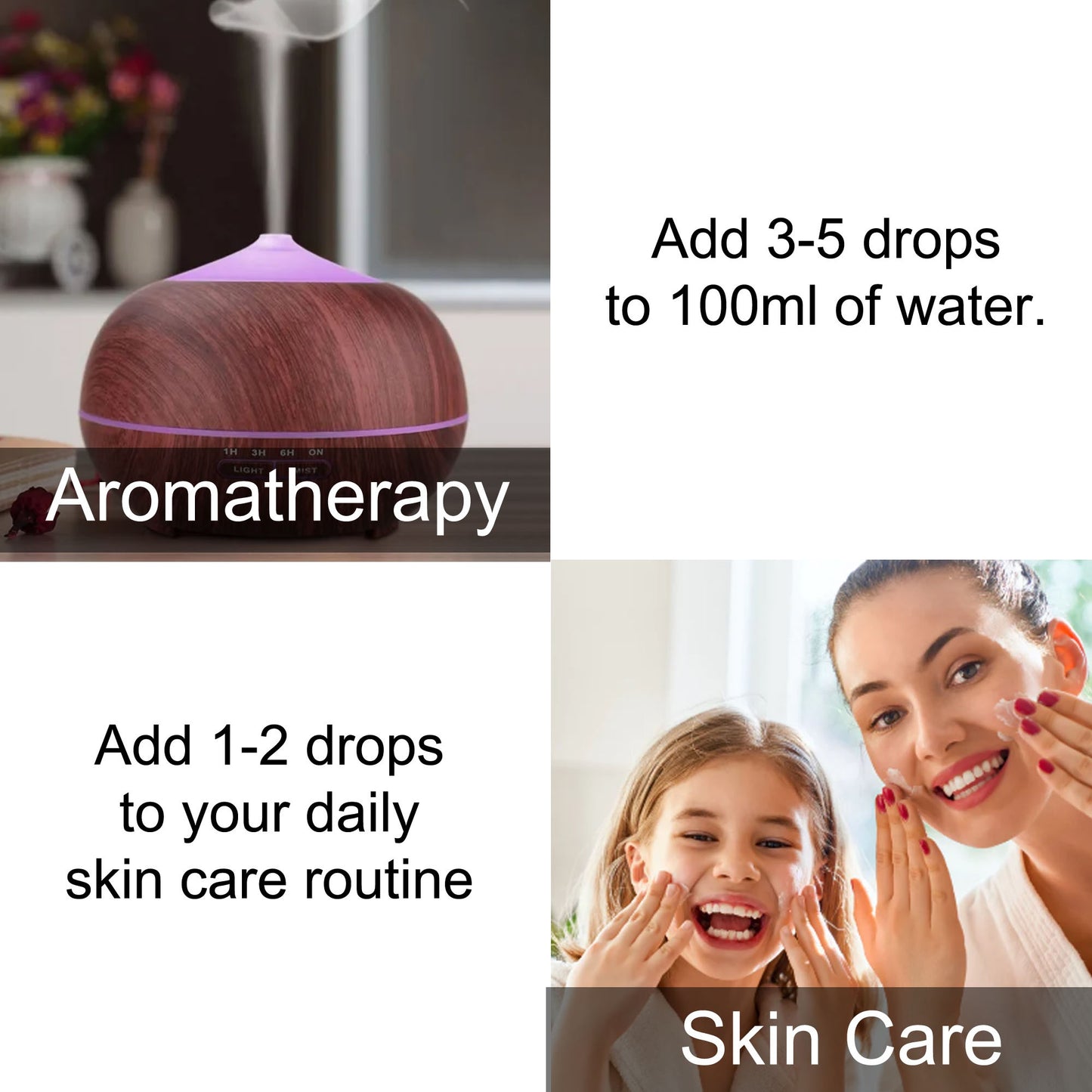
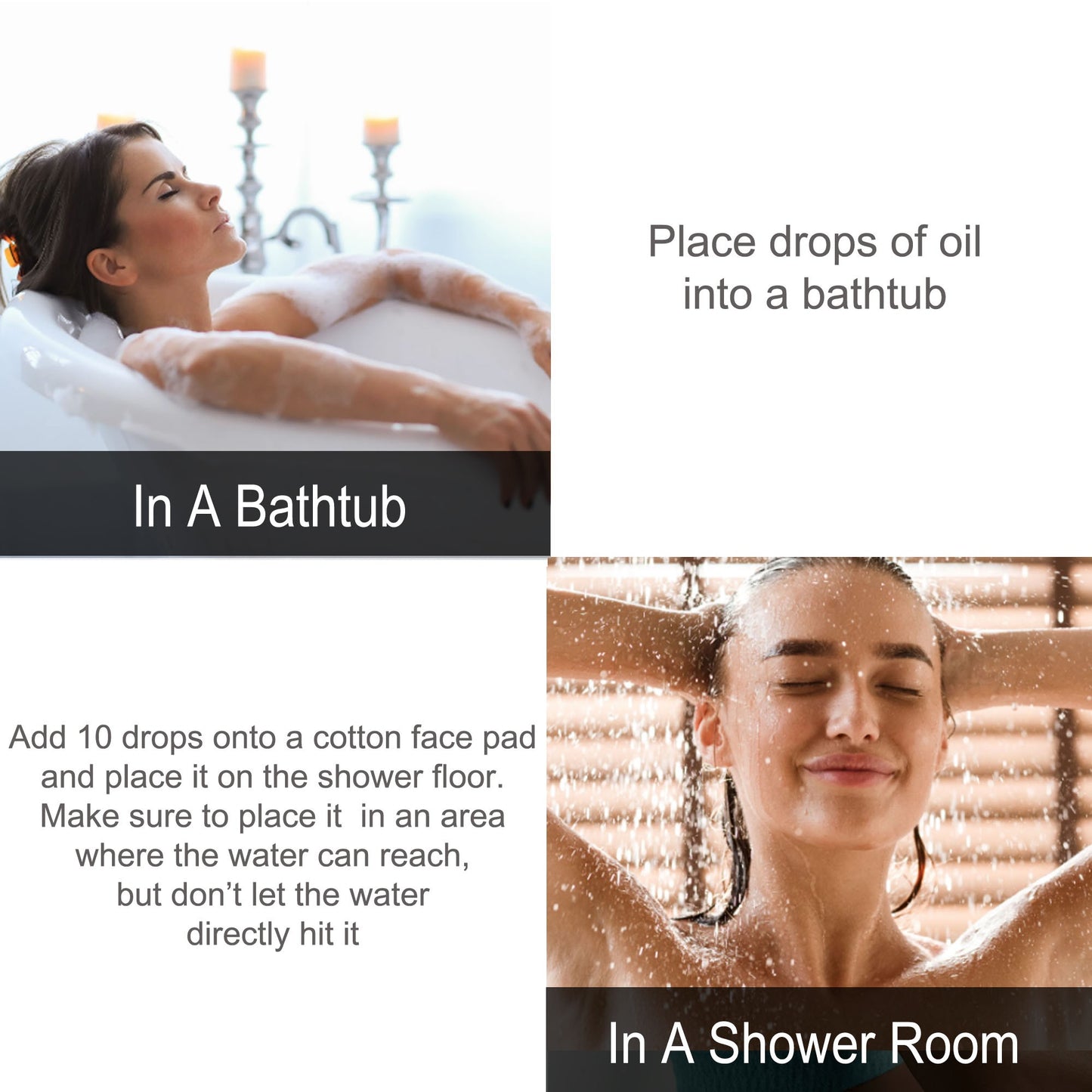
Diffusing Bay Laurel oil fills living spaces with an herbaceous, camphorous scent that provides refreshing aromatic comfort throughout the day. In standard home environments, adding three to four drops of botanical oil to an ultrasonic diffuser creates an invigorating ambiance without overwhelming room occupants. Limiting diffusion cycles to intermittent 30-minute intervals prevents sensory adaptation and respiratory fatigue.
Care must be taken when diffusing Bay Laurel around domestic animals, particularly felines and canines whose hepatic systems metabolise volatile compounds slowly. Always diffuse in open, airy spaces where pets can freely leave the room if the aroma becomes too intense. Practising mindful home diffusion ensures your living areas remain safe, comfortable, and pleasantly fragranced for all family members.
Related Guides in This Series:
- What Is Bay Laurel Essential Oil Good For? — Complete Guide
- Bay Laurel Essential Oil for Skin and Anti-Aging — A Practical Guide
To explore similar profiles, discover these pure purelyBlack creations: Eucalyptus Oil, Lemon Oil, and Rose Geranium Oil — each dispatched from Sydney.
About the Author
Written by H.R. Kim
Founder at purelyBlack — an Australian-owned perfumery and botanical studio based in Sydney. H.R. specialises in scent profiling and natural ingredient sourcing, meticulously balancing premium fragrance oils and 100% pure essential oils to create elevated aromatic experiences.
Last updated: August 2026
Disclaimer: purelyBlack essential oils are for external use and aromatherapy purposes only. They are not intended to diagnose, treat, cure, or prevent any disease. Always dilute with a carrier oil before topical application and consult a healthcare professional if pregnant or under medical supervision.
