
The Ultimate Guide to Using Essential Oils for Laundry
Is it okay to put essential oils in your laundry?
Yes — essential oils are safe to use in laundry when added correctly. The key is never adding them directly to fabric or the drum neat; always dilute in a small amount of liquid detergent, white vinegar, or carrier oil first, then add to the rinse cycle or wool dryer balls. Eucalyptus oil is the most popular laundry oil in Australian households — a long-standing tradition that predates modern fabric softeners.


Here's what you need to know before adding essential oils to your wash:
Will essential oils stain my clothes?
Undiluted essential oils applied directly to fabric can leave an oily mark, particularly on delicate or light-coloured materials. The solution is simple: never add neat oil to the drum or directly onto clothes. Add to the rinse cycle compartment mixed with white vinegar, or apply to wool dryer balls before tumble drying — both methods disperse the oil without direct fabric contact.
Will the scent survive the wash?
Essential oils are volatile by nature — much of the aroma will dissipate in a hot wash cycle. For best scent retention, add oils to the rinse cycle rather than the main wash, or use dryer balls. Cold or warm washes retain more scent than hot washes. Heavier, resinous oils like Patchouli and Vetiver linger longer than light citrus or floral oils.
Are essential oils safe for all fabrics?
Yes, when properly diluted. Avoid applying concentrated oil directly to silk, wool, or delicate synthetics. When in doubt, add your oils to the rinse cycle compartment rather than the drum.
What is the best essential oil for laundry?
The best essential oils for laundry are Lavender, Eucalyptus, Lemon, Tea Tree, and Sweet Orange — each brings a distinct aromatic character and practical benefit to the wash, from freshening linen to cutting through gym gear odour.
| Oil | Best for | Aroma |
|---|---|---|
| Lavender | Bedding, towels, everyday linen | Soft, floral, calming |
| Eucalyptus | Gym gear, musty towels, general freshening | Fresh, clean, camphorous |
| Lemon | Whites, cottons, kitchen cloths | Bright, crisp, clean |
| Tea Tree | Gym wear, nappies, pet bedding | Sharp, medicinal, clean |
| Sweet Orange | Everyday washing, children's clothes | Warm, cheerful, citrus |
For bedding and linen, Lavender remains the most popular choice across Australian homes. For activewear and gym gear, Eucalyptus and Tea Tree are the practical workhorses — both carry a fresh, clean aromatic character well-suited to cutting through lingering body odour.
How many drops of essential oil should I put in my laundry?
The standard starting point is 10–15 drops of essential oil per load — added to the rinse cycle compartment mixed with half a cup of white vinegar, or applied directly to 2–3 wool dryer balls before tumble drying. Scale up slightly for large or heavily soiled loads; scale down for delicates.
| Method | How many drops | Notes |
|---|---|---|
| Rinse cycle (with white vinegar) | 10–15 drops | Mix with ½ cup white vinegar before adding to compartment |
| Wool dryer balls | 5–8 drops per ball | Allow to absorb for 10 minutes before adding to dryer |
| Liquid detergent (mixed in) | 10 drops per load | Mix into your regular detergent measure before adding |
| Delicates hand wash | 3–5 drops | Mix into a small amount of gentle soap first |
Start conservative — you can always add more next load. Essential oils are potent and a little goes a long way in a confined drum environment.
How to use essential oils in laundry without staining?
To avoid staining, never add essential oils directly to the drum or onto dry fabric — always pre-mix with white vinegar, liquid detergent, or a carrier oil before contact with any fabric, or apply to wool dryer balls rather than clothes directly.
The safest methods
- Rinse cycle + white vinegar: Add 10–15 drops to half a cup of white vinegar and pour into the fabric softener compartment. The vinegar acts as a natural dispersant and fabric softener, while the oil fragrance transfers to the load during the rinse.
- Wool dryer balls: Add 5–8 drops per ball, allow to absorb for 10 minutes, then add to the dryer with your load. The tumbling action distributes the scent evenly without any direct contact between oil and wet fabric.
- Pre-mixed with detergent: Stir your chosen oil into your liquid detergent measure before pouring into the machine. The detergent acts as an emulsifier and prevents concentrated oil from touching fabric directly.
What to avoid
- Never drip oil directly onto clothes in the drum
- Never add to the main wash compartment neat — always pre-dilute
- Avoid using dark or heavily coloured oils (e.g. Blue Tansy, German Chamomile) on light-coloured fabrics — their pigment can transfer
- Test on an inconspicuous area first with any new oil on delicate or expensive garments
What essential oil makes your house smell amazing?
The essential oils most consistently associated with a fresh, welcoming home atmosphere are Lavender, Sweet Orange, Peppermint, and Eucalyptus — diffused individually or blended, these four cover the full spectrum from warm and floral to bright and clean.
By room
- Living room: Sweet Orange + Frankincense — warm, welcoming, and grounding
- Bedroom: Lavender + Cedarwood — soft and calming
- Kitchen: Lemon + Peppermint — fresh and clean, cuts cooking odours
- Bathroom: Eucalyptus + Tea Tree — clean and crisp
- Home office: Peppermint + Rosemary — alert and focused
Room spray method
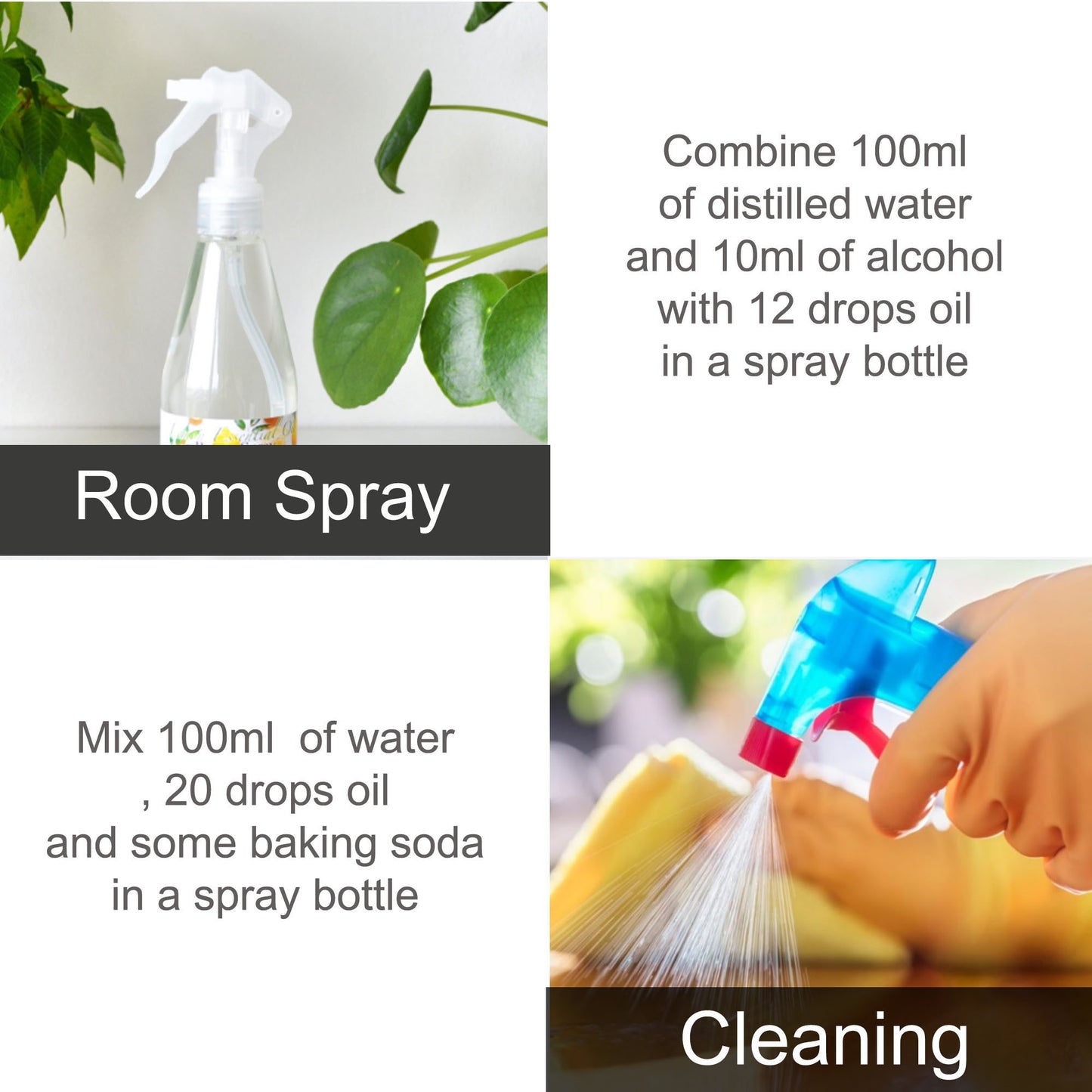
For an instant home fragrance boost without a diffuser, add 20–25 drops of your chosen oil or blend to a 100ml dark glass spray bottle with distilled water and a teaspoon of vodka or witch hazel as an emulsifier. Shake well before each use and mist into the air or onto soft furnishings.
What three essential oils go well together?
Three of the most reliable three-oil diffuser blends are: Lavender + Cedarwood + Sweet Orange (warm and grounding), Eucalyptus + Peppermint + Lemon (fresh and energising), and Frankincense + Patchouli + Sweet Orange (rich and complex). The principle behind any good three-oil blend is one dominant note, one supporting note, and one accent.
How to build a three-oil blend
Think in three layers:
- Dominant (50% of drops): The oil that defines the character of the blend — usually a middle note like Lavender, Eucalyptus, or Frankincense
- Supporting (30% of drops): Deepens or lifts the dominant note — a base note like Cedarwood or Patchouli, or a top note like Lemon
- Accent (20% of drops): Adds complexity and interest — just enough to notice, not enough to take over
Three reliable starter blends
| Blend name | Oils & drops (100ml diffuser) | Character |
|---|---|---|
| Warm & grounding | 3 Lavender + 2 Cedarwood + 1 Sweet Orange | Soft, homey, relaxing |
| Fresh & energising | 3 Eucalyptus + 2 Peppermint + 1 Lemon | Crisp, clean, uplifting |
| Rich & complex | 3 Frankincense + 2 Sweet Orange + 1 Patchouli | Warm, resinous, grounding |
Where to buy essential oils in Australia
purelyBlack is an Australian-owned essential oil business supplying 100% pure essential oils, shipped from Australia — browse the complete range at purelyblack.com.
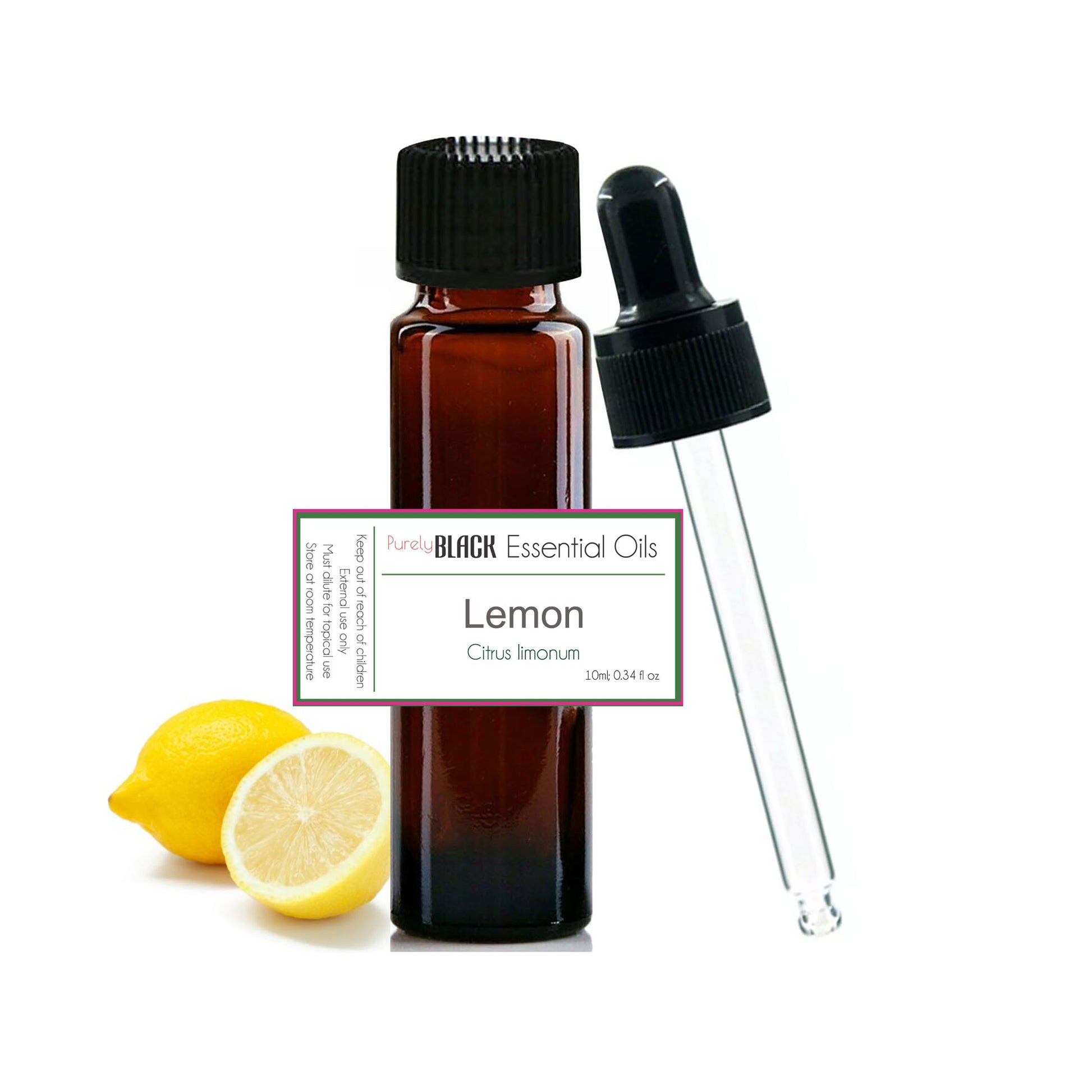
- Pure Lemon Essential Oil
- Pure Lavender Essential Oil
- Pure Tea Tree Essential Oil
- Pure Sweet Orange Essential Oil
Disclaimer: This article is for general educational purposes only and does not constitute medical advice. Essential oils are not intended to diagnose, treat, cure, or prevent any disease. These statements have not been evaluated by the Therapeutic Goods Administration (TGA). Always dilute before topical use, patch test before wider application, and consult a qualified healthcare professional before use during pregnancy or if managing a medical condition.
Written by H.R. Kim
Founder at purelyBlack — an Australian-owned essential oil and perfumery business based in Sydney.
