



Lemon Eucalyptus Essential Oil: The Ultimate Guide to Natural Bug Repellent and Joint Relief
What is Lemon Eucalyptus Essential Oil Used For?
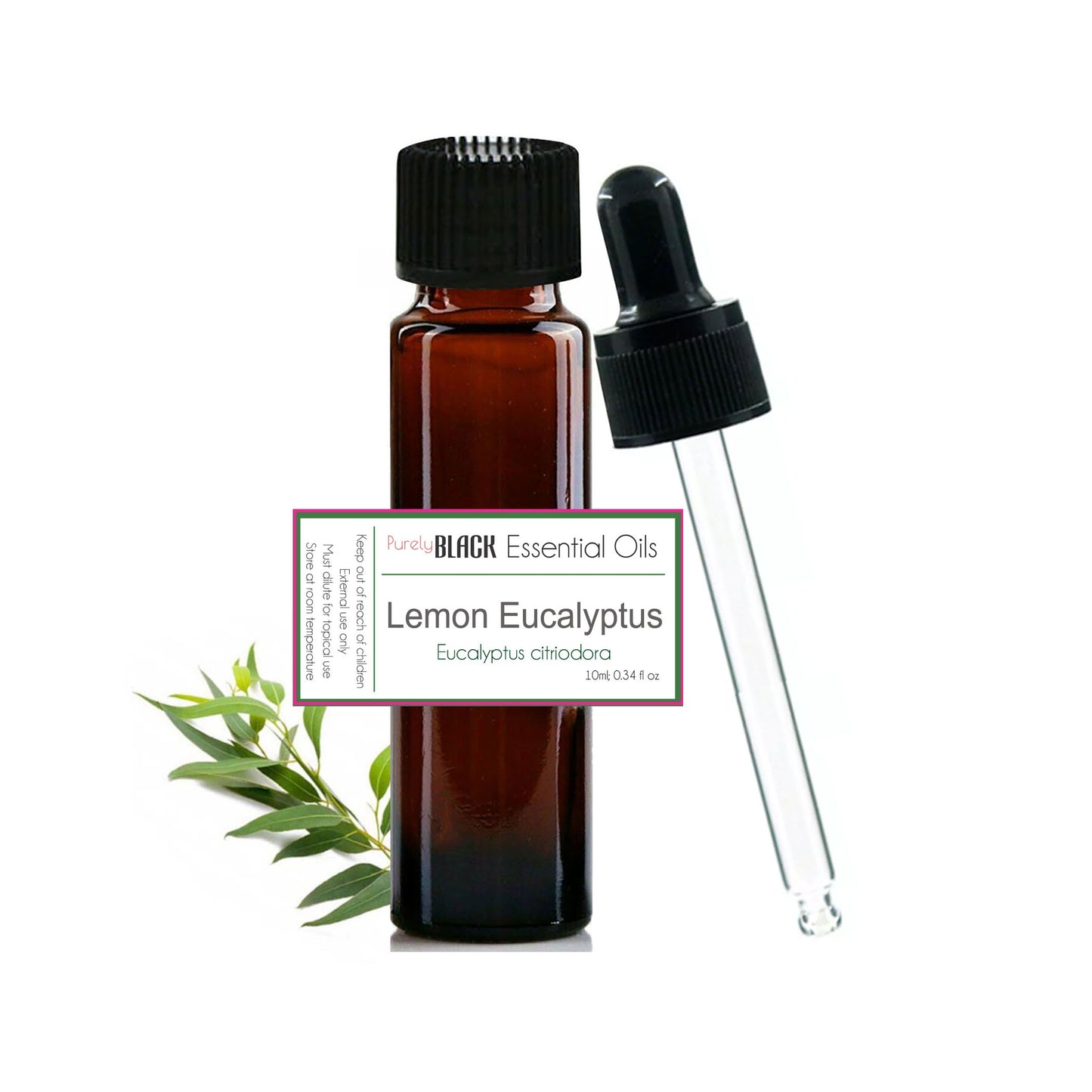
Lemon eucalyptus essential oil, steam-distilled from the leaves of the Corymbia citriodora tree, is a powerful botanical renowned for its exceptional bug-repelling properties and joint pain relief. Exceptionally rich in citronellal, utilizing pure lemon eucalyptus essential oil for mosquito repellent offers a highly effective, DEET-free alternative for outdoor protection. Additionally, its cooling, anti-inflammatory nature helps soothe aching muscles and respiratory congestion when used in aromatherapy.
Lemon Eucalyptus Essential Oil: Benefits, Uses, and Ultimate Aromatherapy Guide
As the warm summer months approach, bringing with them long evenings outdoors, camping trips, and backyard barbecues, the search for a highly effective, natural defense against seasonal pests becomes a top priority. In the expansive world of botanical extracts, Lemon Eucalyptus essential oil stands entirely in a league of its own. Unlike standard Eucalyptus—which is primarily recognized for its deep respiratory clearing and sharp, camphoraceous scent—Lemon Eucalyptus possesses a radically different chemical makeup, an uplifting citrusy aroma, and a specialized set of therapeutic properties that make it the ultimate outdoor companion and natural apothecary staple.
For decades, major global health organizations have recognized the specific active compounds found within this remarkable plant as the most viable, scientifically proven natural alternative to harsh, synthetic chemical bug sprays like DEET. However, repelling mosquitoes is only scratching the surface of what this oil can achieve. Whether you are actively researching how to formulate a non-toxic outdoor spray for your family, seeking a deeply cooling botanical rub for chronic joint stiffness, or wanting to purify the stagnant air within your home, understanding the full spectrum of lemon eucalyptus oil benefits for joint pain and pest deterrence will radically transform your approach to holistic, Australian-owned natural living.
What is Lemon Eucalyptus Essential Oil?
Lemon Eucalyptus essential oil is meticulously steam-distilled from the elongated, lemon-scented leaves and young twigs of the Corymbia citriodora tree. It is important to note a slight botanical distinction here: while it was formerly classified under the Eucalyptus genus (as Eucalyptus citriodora), botanists have since reclassified it to the closely related Corymbia genus. This towering, majestic evergreen tree is native to the temperate and tropical regions of northeastern Australia, easily identified by its smooth, pale bark and the intense lemon fragrance that wafts through the air when its leaves are crushed.
The distillation process yields a pale yellow, highly mobile liquid that carries a fresh, sweet, lemony, and slightly woody aromatic profile with subtle camphoraceous undertones. Unlike citrus oils (such as lemon or sweet orange), which are cold-pressed from fruit rinds and prone to phototoxicity, Lemon Eucalyptus is extracted from the leaf and is completely safe to use in the sun when properly diluted.
The Science Behind the Oil: Citronellal and PMD
The true therapeutic magic and the aggressive pest-deterring nature of Lemon Eucalyptus oil are driven entirely by its complex chemical profile. The essential oil is extraordinarily rich in an aldehyde called citronellal, which can make up anywhere from 65% to 85% of the oil's total composition, alongside significant amounts of citronellol and geraniol.
It is crucial to understand the difference between pure Lemon Eucalyptus essential oil and the commercial bug repellent ingredient known as "Oil of Lemon Eucalyptus" (OLE). Pure essential oil contains high levels of citronellal. Over time, or through a deliberate refining process, citronellal converts into a compound called p-Menthane-3,8-diol (PMD). Commercial OLE is heavily refined to maximize the PMD content (up to 64%), which provides long-lasting, heavy-duty mosquito protection. However, 100% pure, unrefined Lemon Eucalyptus essential oil still naturally contains trace amounts of PMD and extremely high levels of citronellal, making it highly effective for DIY, short-term repellent sprays and offering a much broader spectrum of aromatherapy benefits than the refined commercial version.
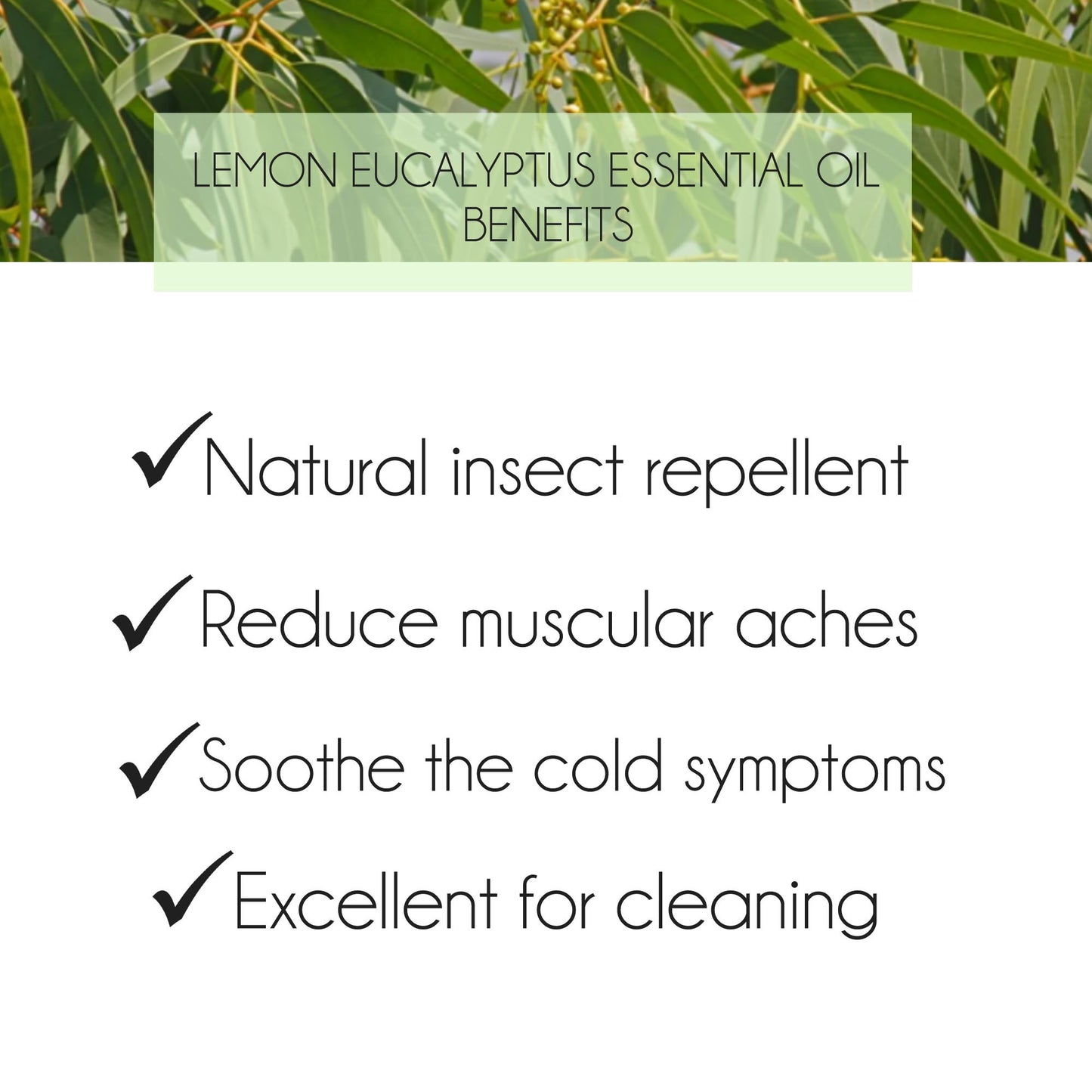
Top 4 Health and Household Benefits of Lemon Eucalyptus Essential Oil
1. Unrivaled Natural Insect and Mosquito Repellent
Without question, the most scientifically documented and globally celebrated use of Lemon Eucalyptus essential oil is its profound ability to deter biting insects. When applied to the skin (properly diluted) or diffused in the air, the high concentration of citronellal actively works to confuse the olfactory receptors of mosquitoes, ticks, fleas, and midges. It effectively masks the environmental cues—such as carbon dioxide and lactic acid—that humans naturally emit, making you virtually invisible to pests. Creating a DIY natural bug spray with this oil offers robust, plant-based protection without the neurotoxic risks, skin irritation, or plastic-melting side effects associated with synthetic chemical repellents.
2. Easing Joint Pain and Muscle Inflammation
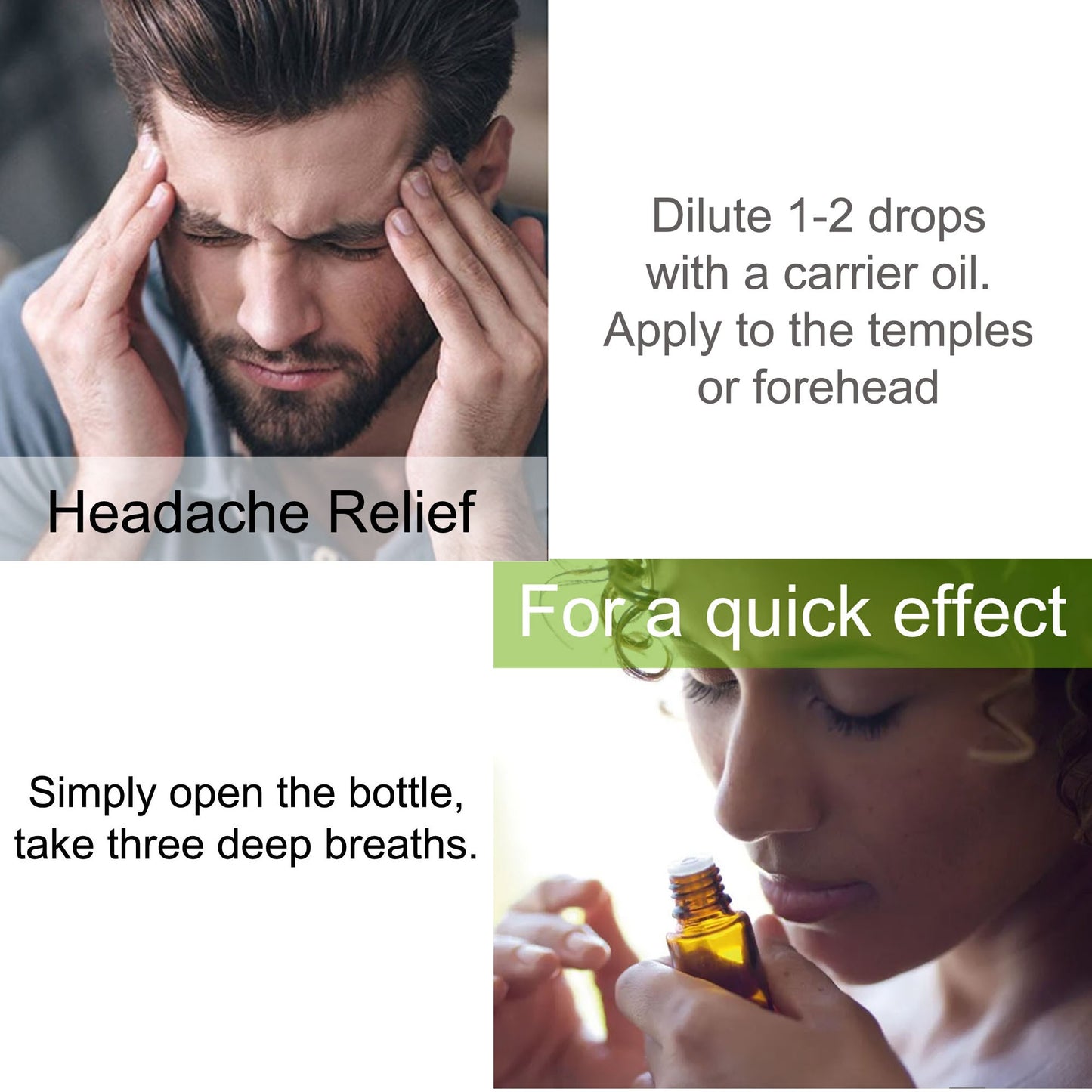
Beyond pest control, Lemon Eucalyptus acts as a formidable anti-inflammatory and natural analgesic. Its unique chemical makeup provides a soothing, cooling sensation when massaged into the skin, helping to draw heat out of inflamed tissues. This makes it an exceptional natural remedy for easing the chronic stiffness and localized swelling associated with arthritis, rheumatism, and intense post-workout muscle fatigue. When heavily diluted in a rich carrier oil, it provides deep-penetrating relief for aching knees, sore lower backs, and tension headaches.
3. Respiratory Clearing and Cold Support
While it is chemically distinct from its cousin, Eucalyptus Globulus, Lemon Eucalyptus still possesses notable expectorant and antispasmodic properties. During the cold and flu season, diffusing this oil helps to open constricted airways, soothe spasmodic coughing fits, and clear mild sinus congestion. Its bright, uplifting lemon scent is often preferred by individuals who find the intense, medicinal camphor smell of standard Eucalyptus too overpowering or irritating.
4. Antifungal Air Purification and Surface Cleaning
The high citronellol and geraniol content in Lemon Eucalyptus makes it a brilliant, broad-spectrum antimicrobial and antifungal agent. It is particularly effective at breaking down and eliminating stubborn fungal strains and neutralizing airborne bacteria. Adding a few drops of pure Lemon Eucalyptus essential oil to a simple solution of water and white vinegar creates a highly effective, natural household surface cleaner. It effortlessly sanitizes bathroom countertops, neutralizes the damp, musty odors associated with mildew in basements, and leaves your home smelling incredibly fresh, clean, and vibrant.
The Eucalyptus Family: Lemon Eucalyptus vs. Standard Eucalyptus vs. Citronella
Because they share overlapping aromatic notes and botanical origins, Lemon Eucalyptus, standard Eucalyptus (Globulus), and Citronella essential oils are frequently confused. Understanding their specific chemical strengths is vital for safe and effective aromatherapy. Use this quick-reference table to differentiate them:
| Feature | Lemon Eucalyptus (Corymbia citriodora) | Eucalyptus Globulus | Citronella (Cymbopogon winterianus) |
|---|---|---|---|
| Primary Active Compound | Citronellal (Aldehydes) | 1,8-Cineole (Oxides) | Citronellal, Geraniol |
| Aromatic Profile | Fresh, sweet, medicinal lemon-camphor. | Intensely sharp, piercing, cool camphor. | Sharp, grassy, sweet lemon. |
| Primary Therapeutic Action | Mosquito repellent, severe joint pain relief, antifungal cleaning. | Heavy respiratory relief, sinus clearing, chest congestion. | General bug deterrence, mood uplift, floor cleaning. |
| Topical Safety Profile | Moderate; safe for skin but avoid near eyes and face. | Extremely strong; not recommended for young children's faces. | Mild; generally safe when properly diluted. |
How to Use Lemon Eucalyptus Essential Oil Safely and Effectively
To safely maximize the immense therapeutic and protective benefits of Lemon Eucalyptus essential oil, utilize these expert-recommended application methods:
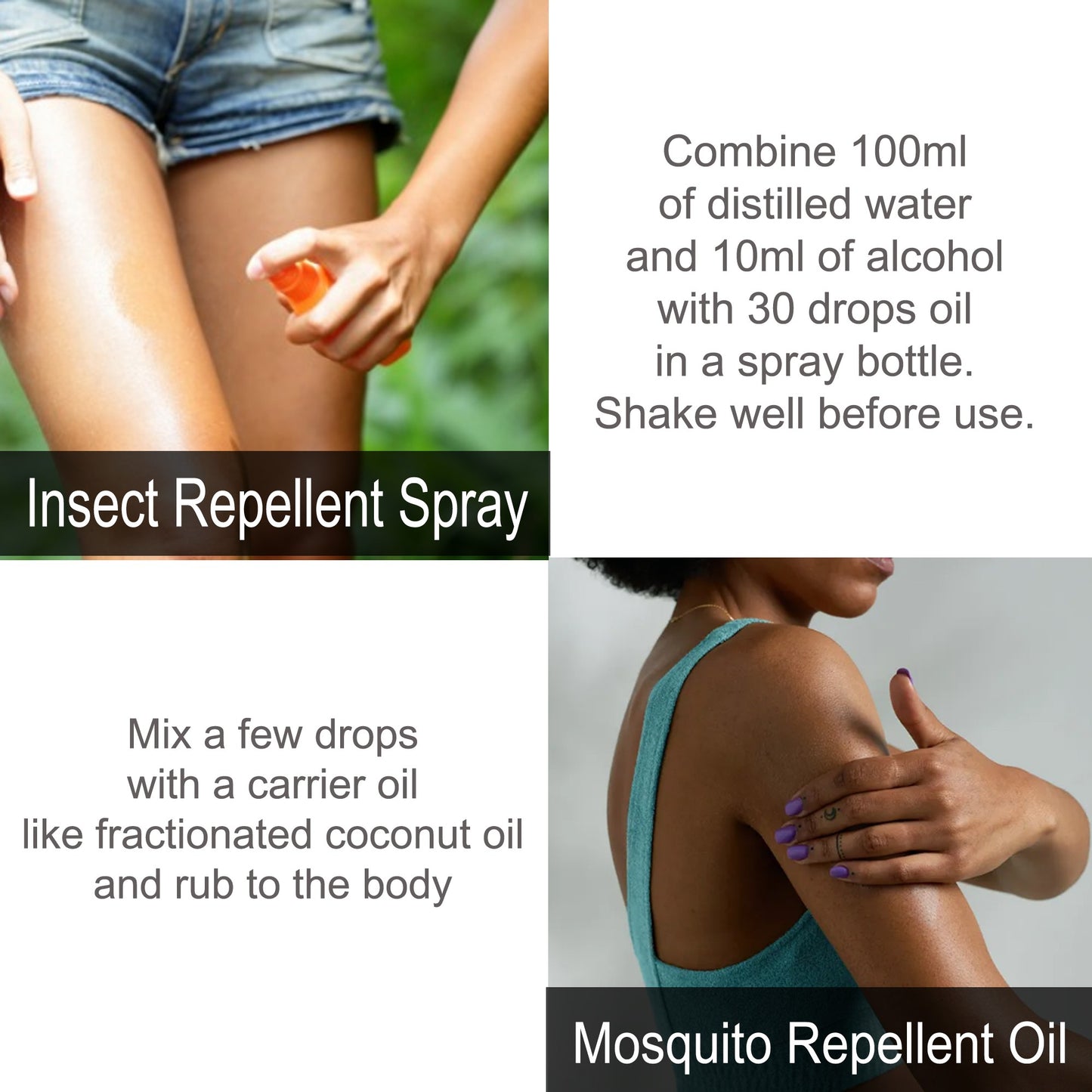
- The Ultimate DIY Natural Bug Spray: Add 20 drops of Lemon Eucalyptus, 10 drops of Cedarwood, and 10 drops of Lavender to a 100ml glass spray bottle. Fill halfway with witch hazel (which acts as a natural emulsifier) and top with distilled water. Shake vigorously before each use and mist lightly over clothing and exposed skin before heading outdoors. Reapply every two hours for maximum protection.
- Cooling Joint and Muscle Rub: Dilute 4 drops of Lemon Eucalyptus, 2 drops of Peppermint, and 2 drops of Frankincense in 1 tablespoon of a rich carrier oil (such as Sweet Almond or Fractionated Coconut Oil). Massage deeply into stiff lower backs, sore knees, or arthritic hands to rapidly reduce inflammation and numb localized pain.
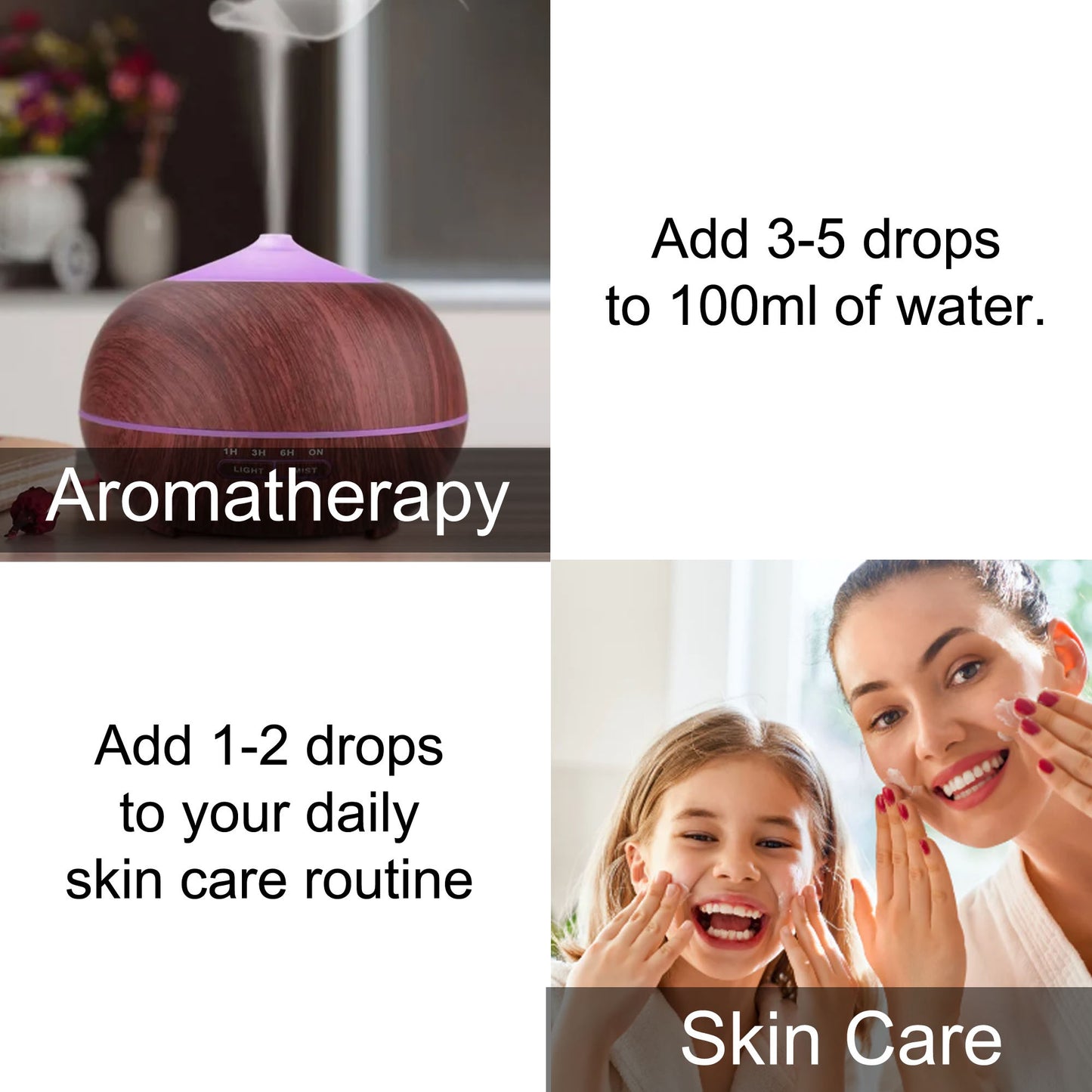
- Patio Protection Diffusion: Add 5 drops of Lemon Eucalyptus, 3 drops of Tea Tree, and 2 drops of Sweet Orange to an outdoor-safe ultrasonic diffuser. This creates an invisible, highly protective aromatic shield that keeps your outdoor dining areas bug-free while purifying the surrounding air.
Crucial Safety Precautions
Lemon Eucalyptus is a highly concentrated botanical extract and must be treated with respect. Never apply Lemon Eucalyptus essential oil neat (undiluted) to the skin. Because of its high concentration of active compounds, it can cause redness, irritation, and sensitization if used improperly. For topical application, it must always be diluted to a maximum of 2% to 3% (roughly 12 to 18 drops per 1 ounce of carrier oil). Keep it far away from sensitive areas, eyes, and mucous membranes. It is generally not recommended for use on children under the age of three. Pregnant or nursing women should always consult with a qualified healthcare provider before introducing new essential oils into their routine.
Conversion-Focused Blending Table: Best Oils to Pair with Lemon Eucalyptus
In the art of aromatherapy blending, Lemon Eucalyptus acts as a bright, piercing top note. Its sweet, medicinal-lemon aroma pairs exceptionally well with rich woods, sharp mints, and other herbaceous botanicals to create balanced, highly functional, and synergistic formulas for both outdoor protection and indoor healing. Below are the best complementary oils to blend with Lemon Eucalyptus to elevate your natural wellness routines.
| Complementary Oil | Synergy Benefit & Usage Goal | Shop Purely Black Pure Oils |
|---|---|---|
| Cedarwood | The ultimate outdoor synergy; Cedarwood grounds the bright lemon scent and adds aggressive tick, flea, and moth-repelling power to DIY sprays. | Shop Cedarwood Oil |
| Peppermint | Combines to form an aggressive pain-relief duo; Lemon Eucalyptus targets the inflammation while Peppermint cools and numbs the surface of sore muscles. | Shop Peppermint Oil |
| Lavender | Beautifully softens the sharp edges of the lemon-camphor scent, creating a soothing, anxiety-reducing blend that calms the skin after sun exposure or bug bites. | Shop Lavender Oil |
| Tea Tree | Forms a highly potent antibacterial and antifungal cleaning blend for eliminating household mould, sanitizing surfaces, and purifying stagnant air. | Shop Tea Tree Oil |
| Sweet Orange | Adds a cheerful, sugary top note that balances the medicinal aroma, making it much more pleasant for indoor diffusion and mood uplift. | Shop Sweet Orange |
Final Thoughts on Lemon Eucalyptus Essential Oil
Incorporating pure Lemon Eucalyptus essential oil into your holistic wellness and home care toolkit offers a direct, natural, and highly effective pathway to a bug-free summer, a cleaner home, and a more comfortable body. Far beyond its famous reputation as a mosquito deterrent, this potent Australian botanical extract is a verified champion for soothing inflamed joints, neutralizing airborne threats, and providing deep respiratory support. By respecting its potency through proper dilution and blending it thoughtfully with complementary Australian-owned essential oils, you can unlock the full spectrum of its scientifically backed benefits, safely transforming your daily approach to natural outdoor living and holistic pain management.
