


What Is Bergamot Essential Oil Used For? — Complete Guide
What Is Bergamot Essential Oil Used For?
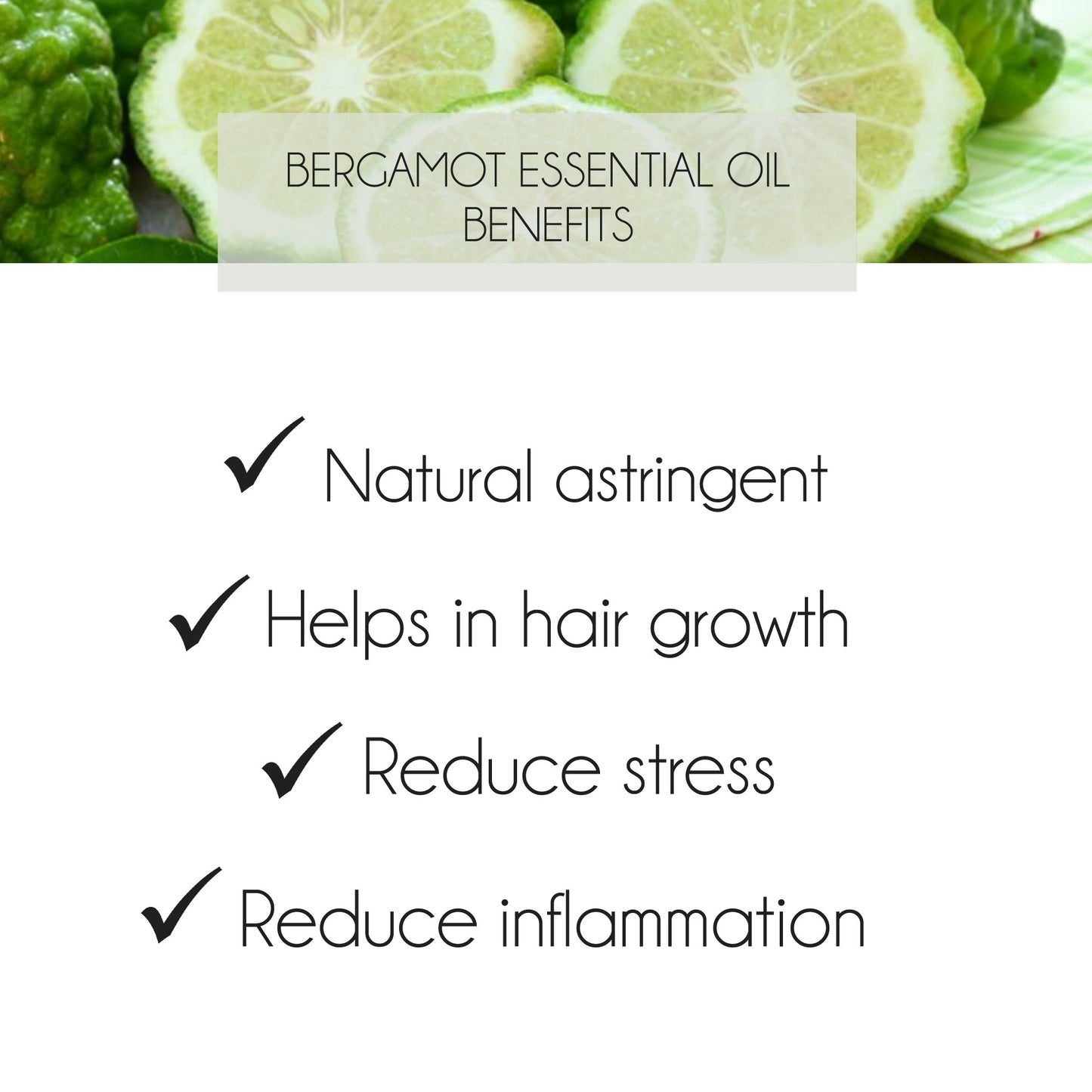
Bergamot essential oil is used in aromatherapy diffusion, diluted skincare routines, and natural perfume blending — its citrus-floral character makes it one of the most versatile essential oils in both wellness and fragrance applications. purelyBlack's Bergamot Essential Oil is available as a 100% pure essential oil, dispatched from Sydney.
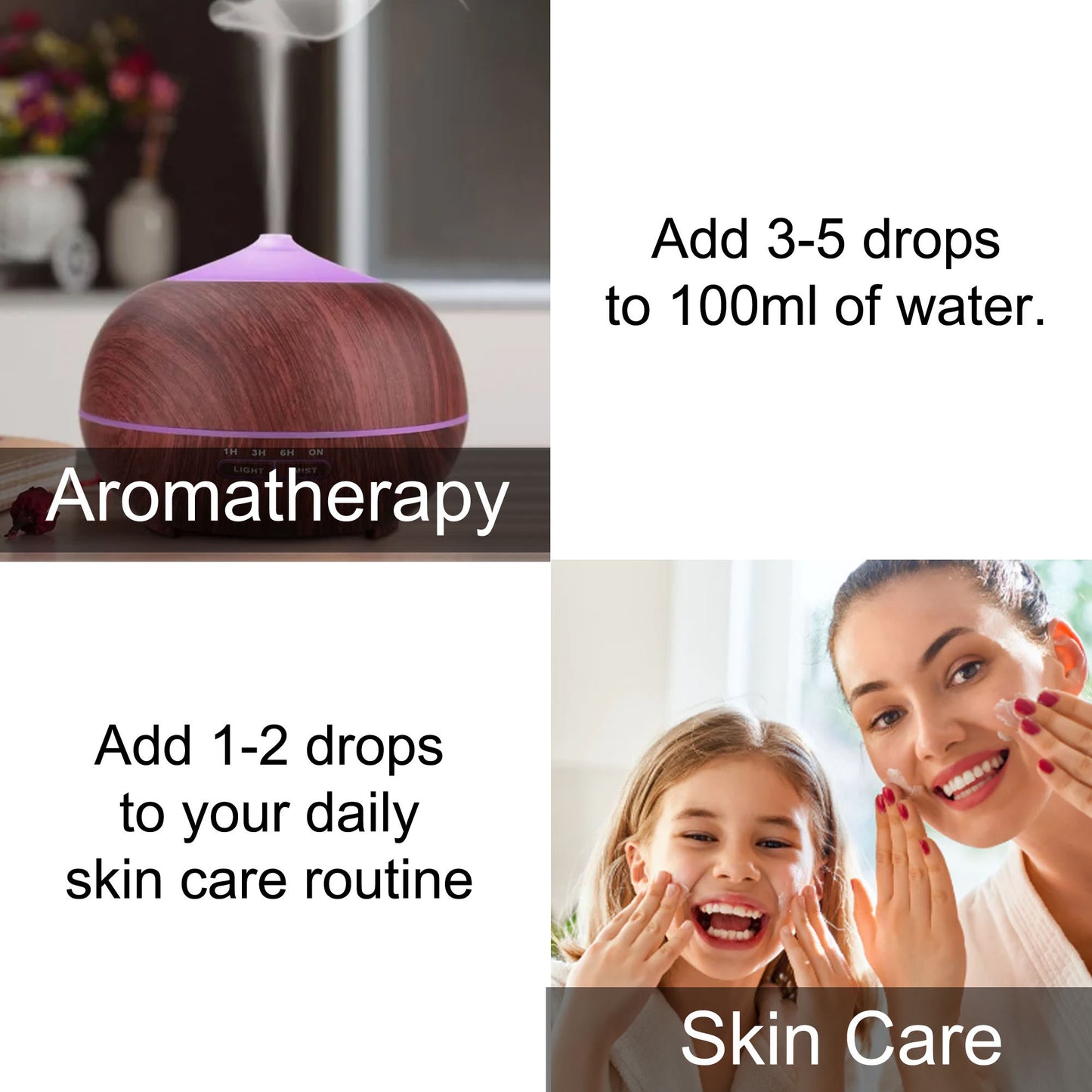
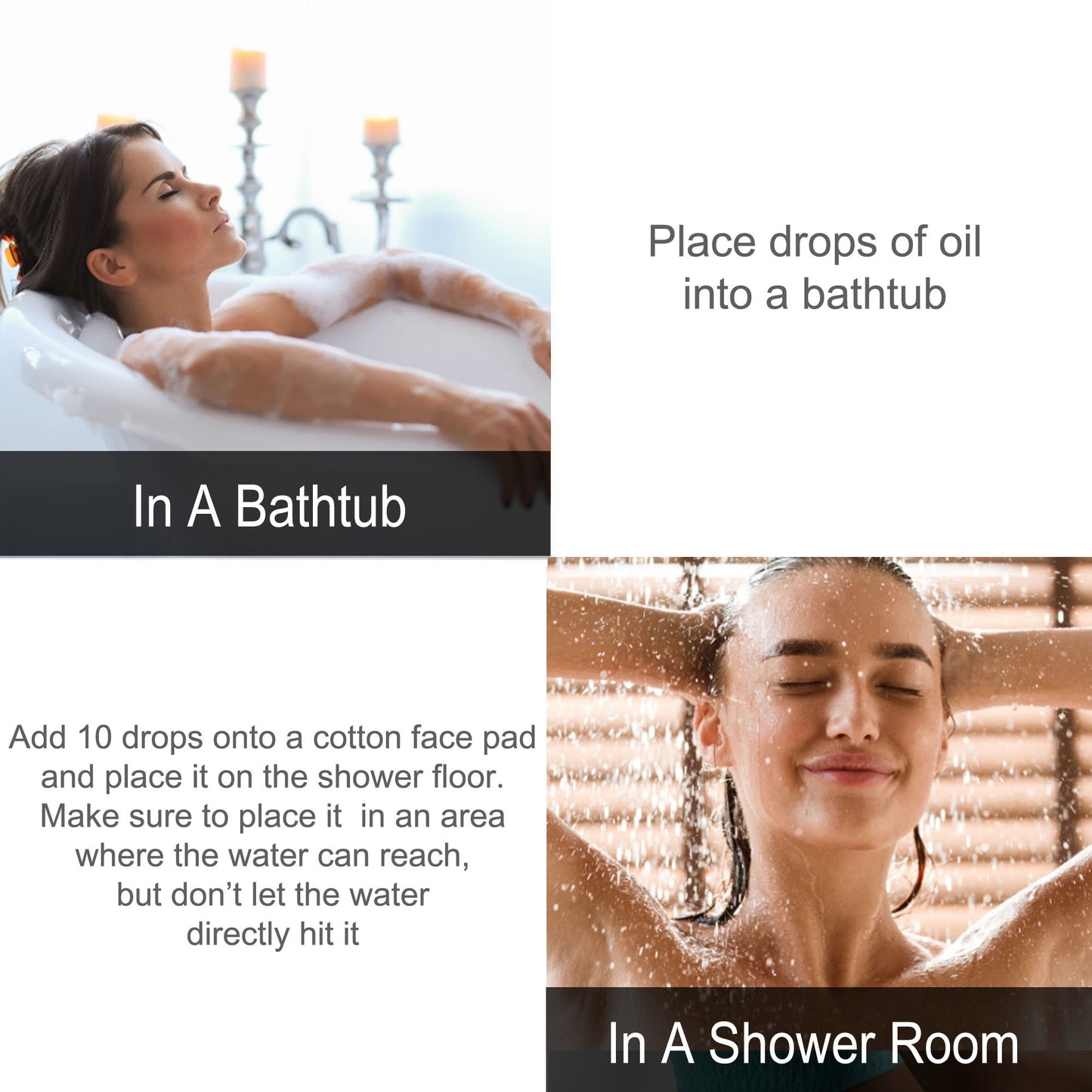
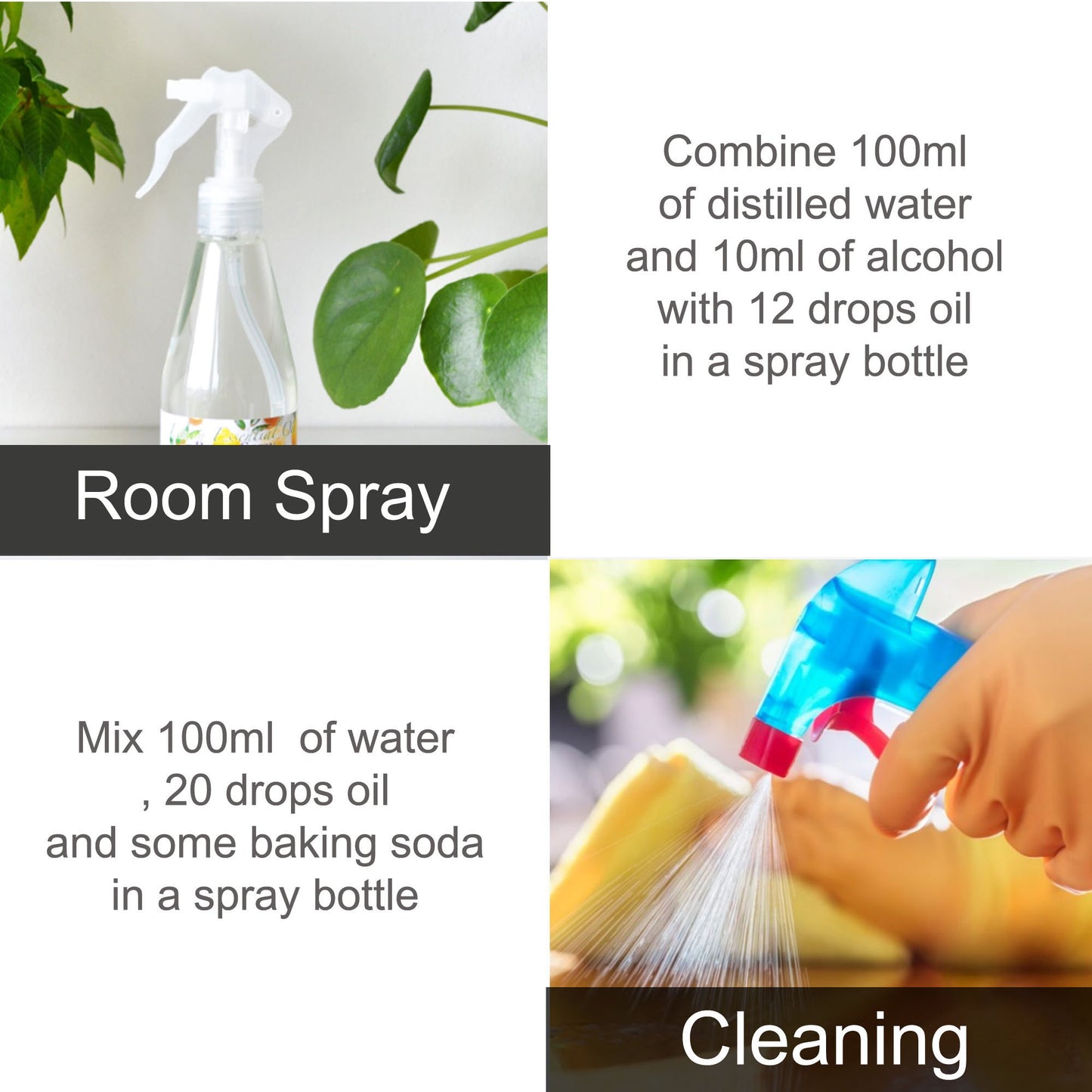
- Aromatherapy: Diffused to create an uplifting, calming atmosphere — commonly used in morning and evening routines.
- Skincare: Diluted to 1% in a carrier oil for facial routines traditionally associated with supporting a balanced complexion in oily skin types.
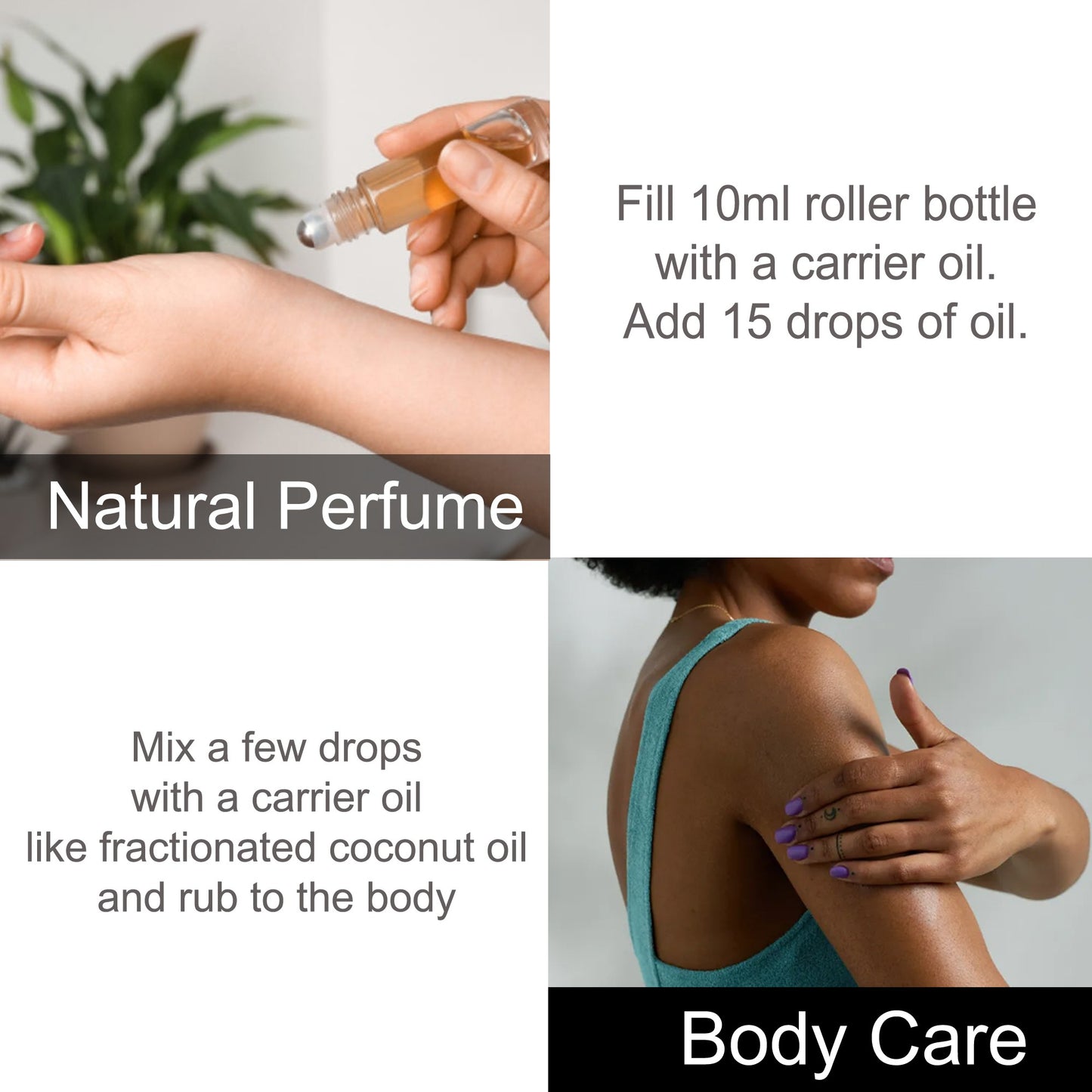
- Natural perfumery: Used as a top note in DIY cologne and perfume blends — bridges citrus and floral families with ease.
- Blending: Pairs with lavender, cedarwood, patchouli, frankincense, black pepper, and ylang ylang across a wide range of aromatic applications.
- Botanical profile: Cold-pressed from Citrus bergamia rind (Rutaceae), grown in Calabria, Italy — key constituents linalyl acetate (25–40%), limonene (10–20%), linalool (5–15%).


Bergamot is unusual among citrus oils in that it functions equally well in aromatic, cosmetic, and perfumery contexts. Most citrus oils are limited to top-note diffusion or cleaning applications — bergamot's linalyl acetate content gives it a complexity that makes it genuinely useful across all three categories.
Is Bergamot the Same as Lavender?
No, bergamot and lavender are entirely different plants from different botanical families, though they share key chemical constituents that give them some overlapping aromatic qualities.
- Different plants: Bergamot is Citrus bergamia (Rutaceae family) — a citrus fruit. Lavender is Lavandula angustifolia (Lamiaceae family) — a flowering herb.
- Shared constituents: Both contain linalyl acetate and linalool as key components, which is why they share a soft, floral quality underneath their primary characters.
- Aromatic difference: Bergamot opens with a sharp, bright citrus note that lavender lacks entirely — lavender is consistently herbal-floral from opening to dry-down.
- Extraction: Bergamot is cold-pressed from fruit rind; lavender is steam distilled from flowering tops.
- Why they blend well: Their shared constituents make bergamot and lavender one of the most chemically compatible pairings in aromatherapy.
The confusion between bergamot and lavender likely stems from their frequent pairing in commercial products — many sleep-oriented blends and calming diffuser mixes combine both. Their chemical overlap makes them complementary rather than interchangeable.
What Does Bergamot Oil Repel?
Bergamot oil is not established as an effective insect repellent — it lacks the constituent profile of proven repellent oils such as citronella or lemon eucalyptus and should not be relied upon for insect protection.
- Not a repellent oil: Bergamot's primary constituents — linalyl acetate, limonene, linalool — do not have the same repellent properties as eucalyptol or citronellal found in dedicated insect-repellent oils.
- Citrus oils generally: Some citrus oils have anecdotal associations with deterring certain insects, but these are not well-supported by evidence for bergamot specifically.
- Better alternatives: For aromatic insect deterrence, citronella and lemon eucalyptus oils have a more established profile for this purpose.
- Bergamot's actual strengths: Aromatic mood support, skincare blending, and natural perfumery are where bergamot oil genuinely excels.
It is worth noting that some sources list bergamot as having repellent properties — this is likely due to general citrus oil associations rather than bergamot-specific evidence. For Australian conditions, where insect management is a genuine outdoor concern, purpose-specific repellent oils are a more reliable choice.
Is Bergamot Oil Safe to Use?
Yes, bergamot oil is safe for adults when properly diluted for topical use or diffused aromatically in ventilated spaces — the primary safety concern is phototoxicity from its bergapten content in standard cold-pressed expressions.
- Phototoxicity: Standard cold-pressed bergamot contains bergapten — avoid sun exposure on skin treated with bergamot for at least 12 hours after application.
- Dilution (body): 2% maximum for general adult topical use — approximately 12 drops per 30ml carrier oil per NAHA guidelines.
- Dilution (face): 1% maximum for facial application — approximately 6 drops per 30ml carrier oil.
- Pregnancy: Consult a qualified healthcare practitioner before use during pregnancy or while nursing.
- Children: Not recommended for children under 2; use reduced dilutions for older children and avoid facial application.
- Pets: Citrus oils are generally unsuitable around cats — diffuse only in well-ventilated spaces with an exit available for animals.
- FCF option: Furocoumarin-free (FCF) bergamot has bergapten removed, significantly reducing phototoxicity risk for daytime topical use.
For a full guide to using bergamot aromatically for sleep and mood support, see our bergamot aromatic grounding guide. For skincare application, see our bergamot oil for oily skin guide.
Who Should Not Use Bergamot Essential Oil?
People with photosensitive skin conditions, those taking medications with known photosensitivity interactions, pregnant women, and owners of cats should exercise particular caution with bergamot essential oil.
- Photosensitive skin: Anyone prone to hyperpigmentation or with conditions aggravated by UV exposure should avoid topical bergamot use, or choose FCF bergamot only.
- Pregnancy and nursing: Consult a qualified healthcare practitioner before use — not recommended without professional guidance.
- Children under 2: Avoid topical and diffuser use entirely for infants.
- Cat owners: Cats lack the liver enzymes to metabolise certain compounds in citrus oils — avoid diffusing bergamot in spaces where cats spend extended time.
- Sensitive or damaged skin: Compromised skin barriers are more susceptible to sensitisation from citrus oils — always patch test and use the lowest effective dilution.
For the majority of healthy adults in Australia, bergamot is a well-tolerated and versatile essential oil when used correctly. The key safeguards — proper dilution, nighttime topical application, and ventilated diffusion — cover the most common risk scenarios and allow safe incorporation into daily aromatherapy and skincare routines.
About the Author
Written by H.R. Kim
Founder at purelyBlack — an Australian-owned perfumery and essential oil supplier based in Sydney. H.R. specialises in molecular ingredient chemistry and scent profiling, with a focus on pure, single-origin essential oils for aromatherapy, skin care, and natural wellness.
Last updated: August 2026
Disclaimer: This article is for general educational purposes only and does not constitute medical advice. It is not intended to diagnose, treat, cure, or prevent any disease. These statements have not been evaluated by the Therapeutic Goods Administration (TGA). Always dilute before topical use, patch test before wider application, and consult a qualified healthcare professional before use during pregnancy or if managing a medical condition.
