






Are Essential Oils Safe for Cats? What Every Cat Owner in Australia Needs to Know
Are Essential Oils Safe for Cats?
Most essential oils pose a significant risk to cats and should be used with extreme caution or avoided entirely in any home where cats live — cats lack a key liver enzyme that allows them to metabolise many of the compounds found in essential oils, making them far more sensitive than dogs or humans.
Unlike dogs and humans, cats are deficient in glucuronyl transferase — a liver enzyme responsible for breaking down and eliminating certain chemical compounds, including many found in essential oils. This means that even small exposures to oils that seem harmless to humans can accumulate in a cat's system and cause serious harm over time.
This guide covers which essential oils are known to be toxic to cats, which are considered lower-risk in very specific circumstances, and the safety principles that apply whenever essential oils are used in a home with cats.
Important: This guide is for educational purposes only. Always consult your veterinarian before using essential oils in a home with cats. purelyBlack essential oils are for aromatic and topical human use only — they are not veterinary products and are not intended for use on animals.


Which Essential Oils Are Toxic to Cats?
A significant number of commonly used essential oils are known to be highly toxic to cats — including tea tree, peppermint, eucalyptus, cinnamon, clove, pine, and all citrus oils — and should never be used in a home with cats, including in a diffuser.
Because cats cannot metabolise many of the chemical constituents in these oils, exposure through inhalation, skin contact, or ingestion can cause serious symptoms including vomiting, excessive drooling, difficulty breathing, tremors, liver damage, and seizures. Symptoms may appear quickly or build up over repeated low-level exposures.
| Essential Oil | Why It Is Dangerous |
|---|---|
| Tea Tree (Melaleuca) | One of the most dangerous oils for cats — even tiny amounts can cause tremors, liver damage, and nervous system failure |
| Peppermint and Mint Oils | Menthol content is highly toxic to cats; can cause breathing difficulties, vomiting, and nervous system effects |
| Citrus Oils (Lemon, Orange, Grapefruit, Lime) | Limonene and linalool are toxic to cats; even diffused citrus oils can cause drooling, vomiting, and lethargy |
| Eucalyptus | 1,8-cineole content is toxic to cats — causes drooling, vomiting, and in serious cases, seizures |
| Cinnamon (Bark and Leaf) | Causes mouth and skin irritation, vomiting, and liver toxicity in cats |
| Clove | Eugenol content is highly toxic to cats; can cause liver damage and nervous system effects |
| Pine | Alpha-pinene content can cause liver and kidney damage in cats; avoid all pine-based oils and cleaners |
| Citronella and Lemon Eucalyptus | Citronellal and related terpenes are not well-tolerated by cats; avoid use in any space where cats live |
If your cat has been exposed to any of these oils and shows signs of distress, contact your veterinarian or the Animal Poisons Helpline Australia immediately on 1300 869 738.
Which Essential Oils Are Lower-Risk Around Cats?
The list of essential oils considered lower-risk around cats is significantly shorter than for dogs — chamomile is most commonly cited, with lavender and rosemary considered lower-risk by some veterinary aromatherapy practitioners in very specific, heavily diluted circumstances only.
It is important to note that "lower-risk" does not mean "safe." Opinions in veterinary communities are divided on lavender and rosemary in particular — some practitioners consider very dilute aromatic use acceptable, while others advise avoiding them entirely around cats. The safest approach is always to consult your veterinarian before using any essential oil in a home with cats.
| Essential Oil | Notes |
|---|---|
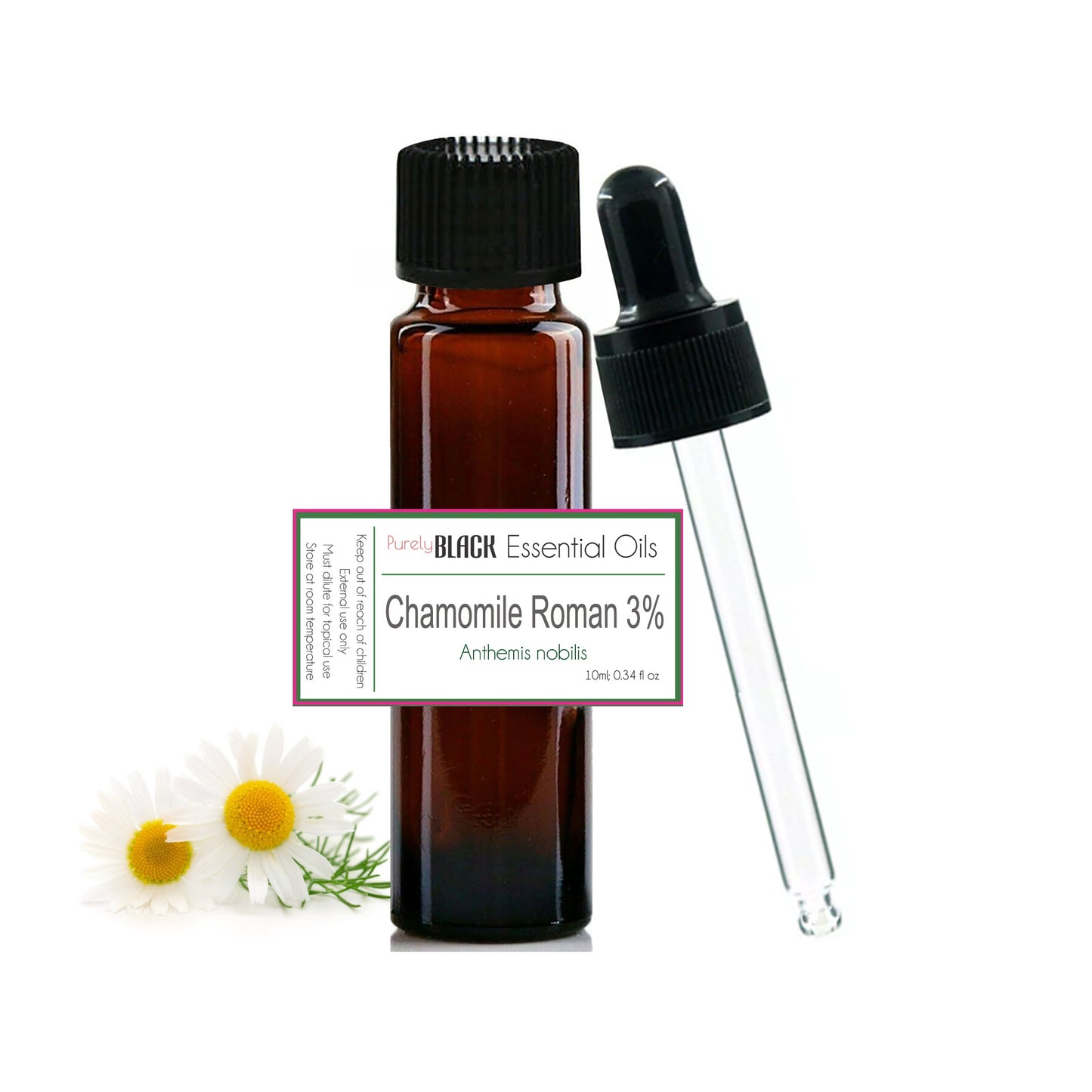
| Roman Chamomile | Most commonly cited lower-risk option; aromatic diffusion only in well-ventilated spaces, never applied directly |
| Lavender | Divided veterinary opinion — some consider very dilute aromatic use acceptable; others advise avoidance. Never apply directly to a cat |
| Rosemary | Limited evidence of lower-risk at very low concentrations; neurological stimulant properties mean it should be used with particular caution around cats with epilepsy |
| Frankincense | Referenced in some veterinary aromatherapy contexts; aromatic diffusion only, short sessions, cat must be free to leave |
Why Are Cats More Sensitive to Essential Oils Than Dogs?
Cats are significantly more sensitive to essential oils than dogs because they lack glucuronyl transferase — a liver enzyme that breaks down and eliminates many of the phenols, terpenes, and other compounds found in essential oils.
In humans and dogs, this enzyme processes aromatic compounds efficiently and excretes them without harm. In cats, these same compounds accumulate in the body because they cannot be properly metabolised. Over time, even low-level repeated exposure to oils that a human finds pleasant can cause serious liver damage in a cat.
This is also why cats are particularly at risk from diffused oils — they don't need to ingest or have direct skin contact with an oil to be harmed. Simply breathing in concentrated aromatic compounds in an enclosed space over extended periods can cause respiratory irritation and systemic toxicity in cats that have no exit from the room.
For a full breakdown of essential oil safety around dogs, including which oils are lower-risk and which are toxic, visit our dedicated guide: Are Essential Oils Safe for Dogs? A Complete Australian Guide.
Is It Safe to Use a Diffuser Around Cats?
Using an essential oil diffuser in a home with cats requires significant caution — the oil used, the ventilation of the space, the duration of diffusion, and whether the cat can freely leave the area all determine the level of risk.
As a general principle, diffusing any of the toxic oils listed above in any space a cat can access is not safe — even briefly. For the lower-risk oils, short diffusion sessions of no more than 20–30 minutes in a large, well-ventilated room where the cat can freely exit are the minimum precautions. Cats should never be locked in a room where a diffuser is running.
Signs that a cat is being negatively affected by diffused oils include excessive grooming or pawing at the face, watery eyes, drooling, sneezing, coughing, lethargy, or vomiting. If any of these signs appear, turn off the diffuser, move the cat to fresh air, and contact your veterinarian.
How to Use Essential Oils Safely in a Home with Cats
The safest approach to essential oil use in a home with cats is to diffuse only lower-risk oils, always in well-ventilated spaces with the cat free to leave, for short sessions only, and never to apply any essential oil directly to a cat's skin or coat.
| Rule | Why It Matters |
|---|---|
| Never apply oils directly to a cat | Cats groom constantly — any oil on their coat will be ingested, which is far more dangerous than inhalation |
| Always give the cat a free exit | Cats will move away from aroma that bothers them if given the choice — never confine a cat in a diffused space |
| Diffuse for 20–30 minutes maximum | Short sessions limit cumulative aromatic exposure — cats are more affected by prolonged low-level exposure than acute short exposure |
| Use only in large, ventilated rooms | Concentration builds quickly in small spaces — never diffuse in a cat's sleeping area, a bathroom, or a car |
| Store all oils securely out of reach | Cats are curious — a knocked-over bottle of undiluted oil on a cat's paws will be licked off immediately |
| Avoid insect repellent oils around cats | Citronella and lemon eucalyptus — commonly used as natural bug repellents — are not safe for use around cats; use only vet-approved flea and tick products |
| Consult your vet first | Individual cats vary in sensitivity — older cats, kittens, and cats with liver conditions are at higher risk |
What to Do If Your Cat Is Exposed to a Toxic Essential Oil
If your cat has been exposed to a toxic essential oil — through ingestion, direct skin contact, or prolonged inhalation — move the cat to fresh air immediately, do not attempt to induce vomiting, and contact a veterinarian or animal poison helpline without delay.
Signs of essential oil toxicity in cats include drooling, vomiting, tremors, difficulty walking, breathing difficulties, pawing at the face or mouth, lethargy, and in severe cases, seizures or collapse. Do not wait for symptoms to worsen — cats can deteriorate rapidly after toxic exposure.
If the oil has made contact with the cat's coat or skin, gently wash the affected area with mild dish soap and warm water wearing gloves, then seek veterinary advice immediately. In Australia, the Animal Poisons Helpline can be reached on 1300 869 738 (available 24 hours).
Disclaimer
This article is for general educational purposes only and does not constitute veterinary advice. Always consult a qualified veterinarian before using essential oils in a home with cats. purelyBlack essential oils are formulated for human aromatic and topical use only and are not intended for use on animals. These statements have not been evaluated by any regulatory authority.
About the Author
Written by H.R. Kim
Founder at purelyBlack — an Australian-owned perfumery and essential oil supplier based in Sydney. H.R. specialises in molecular ingredient chemistry and scent profiling, with a focus on pure, single-origin essential oils for aromatherapy, skin care, and natural wellness.
