



How to Neutralize Home Odors with Pure Aniseed Oil in Australia
Does Aniseed oil get rid of bad smells in the house?

Yes, diffusing pure Aniseed oil effectively eliminates bad household smells because its dense botanical molecules physically bind to and neutralize lingering airborne odors.
When combating stubborn cooking or pet smells, commercial air fresheners merely mask the scent with synthetic, lung-irritating chemicals. Distilled and rigorously GC/MS tested in our Australian-owned laboratory, our pure Aniseed essential oil extract provides an intense, naturally sweet licorice aroma that actively cleanses and elevates your atmospheric environment.
Aniseed Essential Oil Diffuser Blending Guide
| Atmospheric Goal | Recommended Botanical Addition | Expected Environmental Result |
|---|---|---|
| Kitchen Deodorizing | LEMON OIL Pure Essential Oil |
Cuts through the heavy licorice notes to create a sharp, clean citrus-spice profile that neutralizes airborne cooking grease. |
| Morning Vitality & Focus | PEPPERMINT OIL Pure Botanical Extract |
Blends the sweet warmth of Aniseed oil with a cooling menthol rush, providing exceptional aromatic grounding and mental clarity. |
| Evening Relaxation | LAVENDER OIL Pure Essential Oil |
Softens the potent Aniseed scent into a gentle, herbaceous floral perfect for soothing atmospheric tension before sleep. |
The Botanical Chemistry of Aniseed Oil
The profound odor-neutralizing capability of Aniseed essential oil is driven by its primary active molecule: trans-anethole. Sourced through the meticulous steam distillation of the crushed seeds of the Pimpinella anisum plant, this heavy organic compound produces a rich, intensely sweet licorice-like aroma. Due to its specific molecular density, trans-anethole lingers in the air far longer than highly volatile top notes, making it an exceptional base for environmental diffusion.
For true atmospheric cleansing, botanical purity is non-negotiable. Cheap fragrance oils use synthetic fillers that fall quickly to the floor and contribute to indoor air pollution. By utilizing a 100% pure, vegan Aniseed oil developed in a controlled environment, you guarantee that the microscopic plant molecules are actively interacting with and neutralizing lingering airborne particulates rather than just layering chemicals on top of them.
How to use Aniseed essential oil for home odor neutralization?
To effectively use Aniseed essential oil for neutralizing odors, you must properly dilute the botanical extract in an ultrasonic diffuser to ensure a controlled, steady release of scent molecules without overwhelming the room. Because this is a highly potent "heavy" note, correct application is critical for a pleasant atmospheric experience.
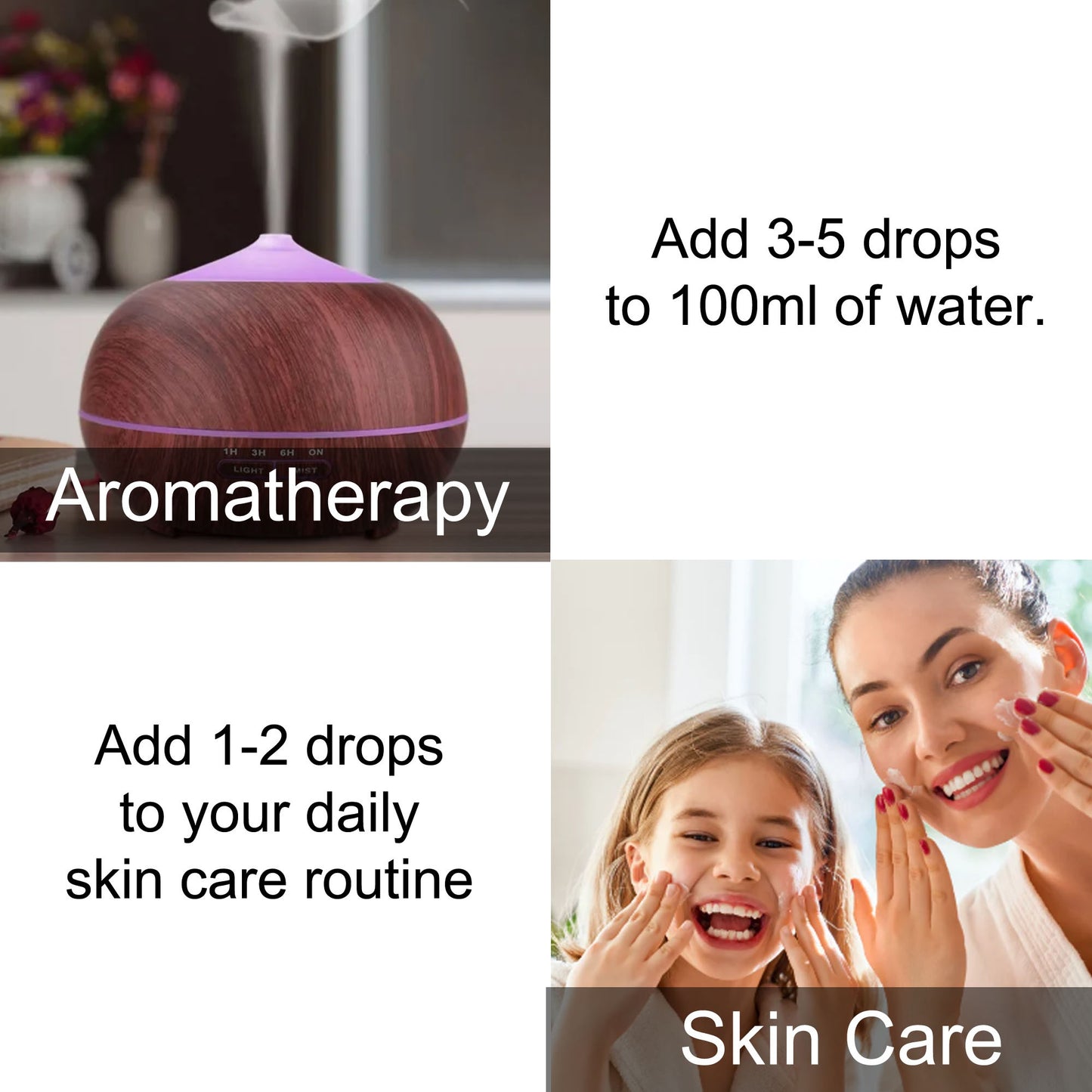
- Step 1: The Water Prep. Fill your ultrasonic diffuser with room-temperature tap or distilled water up to the indicated fill line.
- Step 2: The Drop Count. Using the built-in dripulator, carefully dispense exactly 3 to 5 drops of pure Aniseed oil into the water. If you are blending, use 2 drops of Aniseed and 3 drops of a lighter citrus oil.
- Step 3: The Diffusion Cycle. Turn the diffuser on and set the timer. For optimal odor neutralization, run the device for 30 to 45 minutes to allow the botanical vapor to circulate and bind with the stagnant air pockets in the room.
- Step 4: The Ventilation Rule. Never trap the vapor in a sealed room. Ensure a door is cracked open to allow fresh air to exchange with the neutralized atmosphere, preventing olfactory fatigue.
Room Size & Diffusion Dynamics
| Room Size & Type | Optimal Drop Count | Recommended Diffusion Cycle |
|---|---|---|
| Small Room (Bathrooms) | 1 to 2 Drops Maximum | 15 Minutes (The dense scent cone fills confined spaces very rapidly). |
| Medium Room (Bedrooms) | 3 to 4 Drops | 30 Minutes (Provides soothing aromatic grounding before sleep). |
| Large Open-Plan (Kitchen/Living) | 5 to 6 Drops | 45 Minutes (Pushes the scent cone far enough to intercept cooking odors). |
Does Aniseed oil eliminate wet dog and pet smells?
Yes, the potent licorice aroma of Aniseed essential oil is exceptionally effective at masking and neutralizing the musky, damp odors associated with indoor pets and wet dog fur. Pet odors are typically caused by naturally occurring bacteria and yeast on the animal's skin transferring to your carpets and furniture. Aniseed oil provides a massive burst of aromatic grounding that refreshes the entire room.
However, it is vital to remember that dogs and cats have olfactory systems that are exponentially more sensitive than humans. While the scent is pleasant to us, a heavy concentration can be overwhelming to them. Always diffuse essential oils in a well-ventilated, open-plan space, and ensure your pets have the option to freely leave the room if the aromatic profile becomes too intense.
Why does my Aniseed essential oil solidify in the bottle?
Aniseed oil naturally crystallizes and solidifies at cooler room temperatures (typically below 15°C / 59°F) due to the incredibly high concentration of pure anethole molecules. This is actually the ultimate proof of a premium, unadulterated botanical product! If your Aniseed essential oil never solidifies during a cold Australian winter, it has likely been heavily diluted with cheap synthetic solvents or carrier oils by the manufacturer.
To return the oil to a liquid state for your diffuser, simply hold the tightly sealed amber glass bottle in your warm hands for a few minutes, or place the bottle in a shallow bowl of warm (not boiling) water. The pure Aniseed botanical extract will quickly melt back down, completely unharmed and ready for use.
Can you mix Aniseed oil with citrus oils for cleaning?
Yes, blending Aniseed essential oil with high-limonene citrus oils like Lemon or Sweet Orange creates a phenomenally powerful, clean-smelling atmospheric profile that cuts through heavy household grime odors. While Aniseed provides the heavy, lingering base note that absorbs bad smells, the citrus provides a sharp, uplifting top note that makes a room feel instantly sanitized.
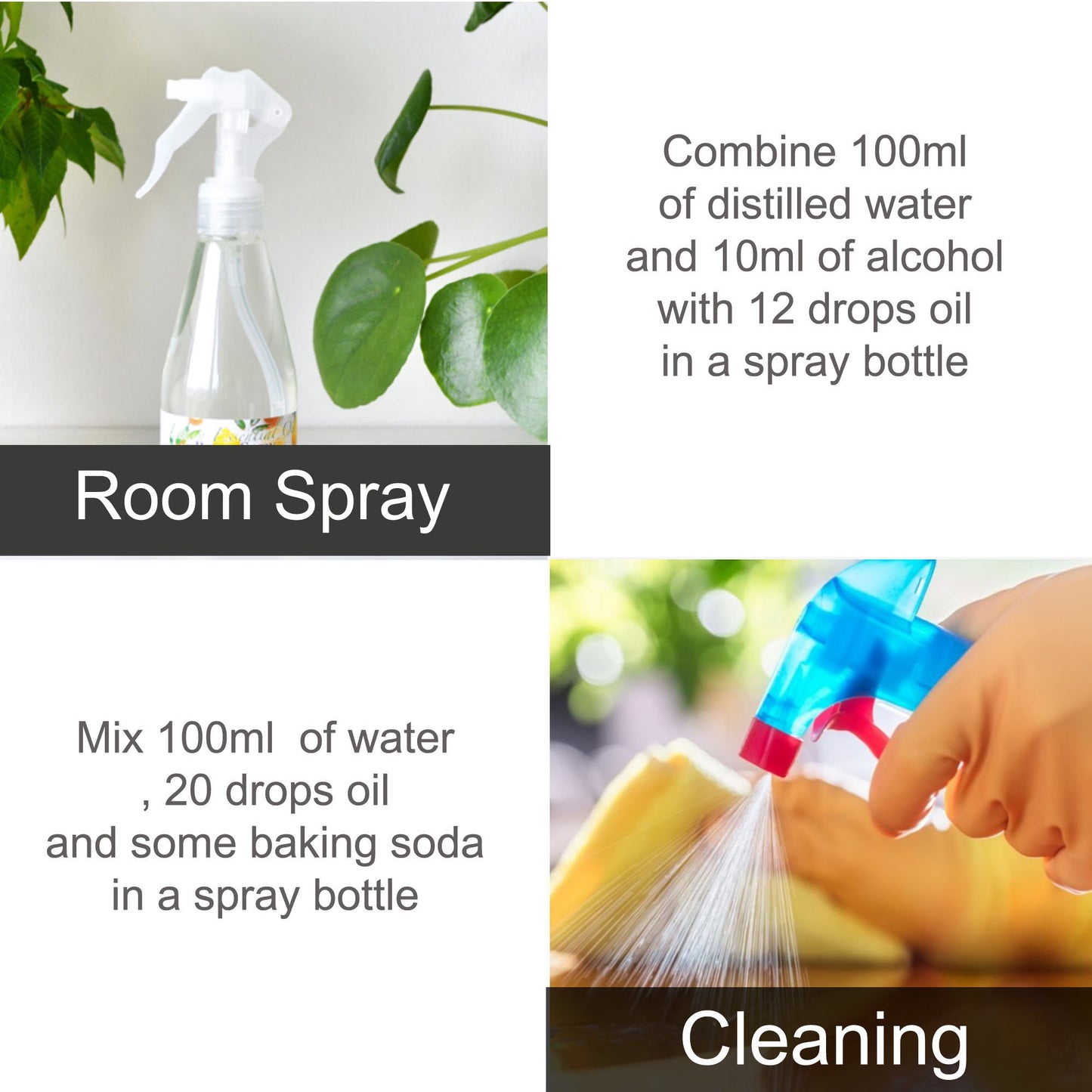
This botanical pairing is particularly useful after deep-cleaning a kitchen or mopping floors. You can even add a few drops of this blend directly to a spray bottle of water and white vinegar to create a naturally scented, surface-safe aromatic room spray that leaves zero toxic residue on your counters.
Is Aniseed Oil Safe? (Dilution & Purity Guide)
Yes, Aniseed oil is completely safe for environmental diffusion when you utilize a 100% pure, unadulterated botanical extract and run your diffuser in well-ventilated intervals. While it is brilliant for clearing the air, you should never run an ultrasonic diffuser continuously for hours on end; practice intervals of 30 minutes on and 30 minutes off to prevent respiratory overwhelm.
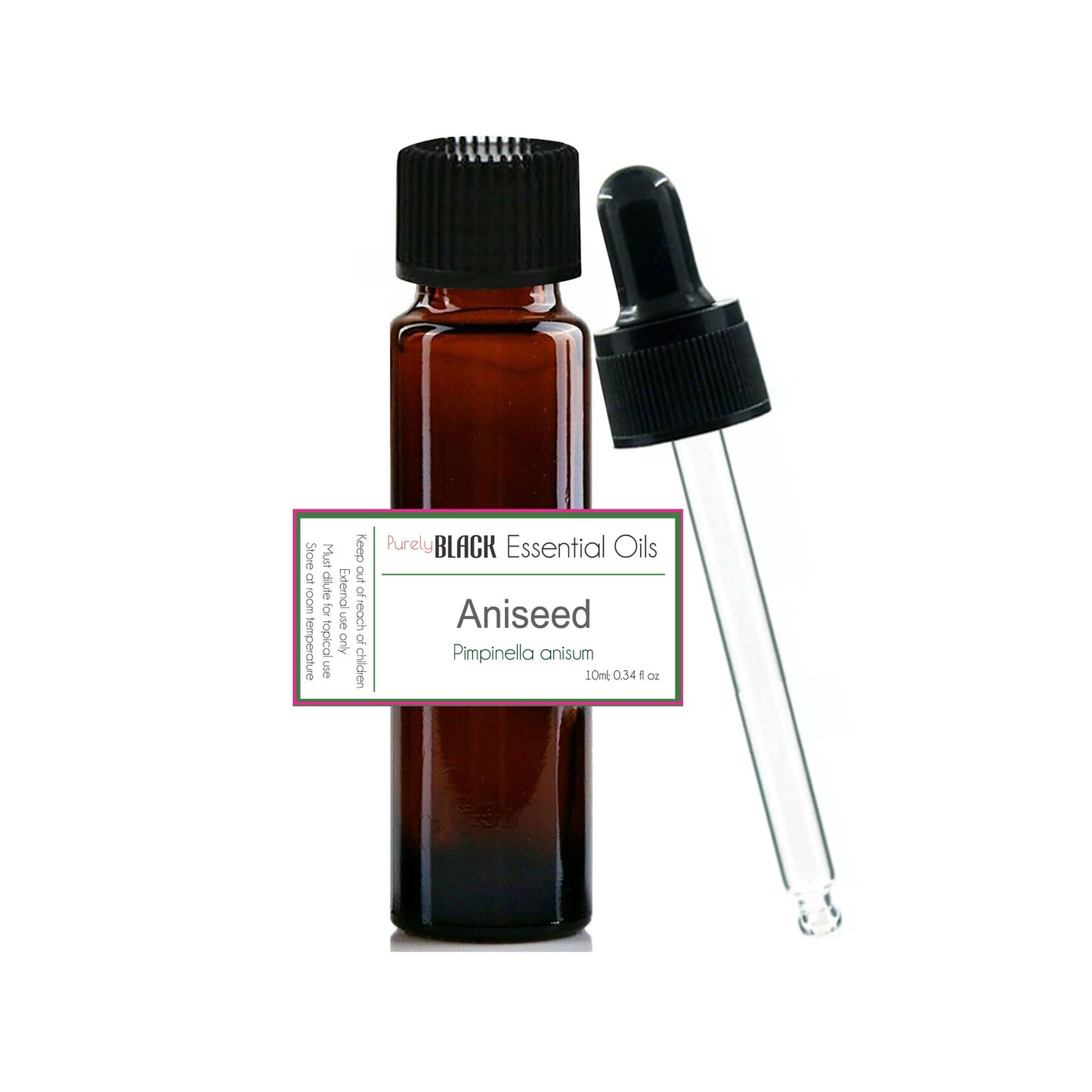
At our Australian-owned laboratory, we guarantee that every bottle is GC/MS tested to verify the absence of harmful solvents, synthetic extenders, or hidden pesticide residues. By choosing a premium, lab-verified botanical source, you ensure your home's atmosphere is elevated safely. Always store your essential oils securely out of direct sunlight and out of reach of children and pets.
Atmospheric Diffusion Safety & Troubleshooting
| Safety Factor | Guideline & Preventative Measure |
|---|---|
| Olfactory Fatigue (Nose Blindness) | If you stop smelling the oil, do NOT add more drops. Your brain has simply filtered it out. Turn the diffuser off. |
| Pet Safety (Birds & Cats) | Birds have highly sensitive respiratory systems. Never diffuse heavy essential oils in the same room as a caged bird. |
| Diffuser Maintenance | Because Aniseed oil is heavy and lipid-rich, wipe your diffuser out with a paper towel and white vinegar weekly. |
Other Ways to Use Aniseed Oil
Beyond refreshing your living space, this potent extract is highly valued in the Australian outdoors. If you are looking to mask human scent and improve your catch rate, read our full guide on using pure Aniseed oil for fishing bait attractants. Additionally, if you are working with competitive canines, explore our instructions for using pure Aniseed essential oil for dog scent training.
