





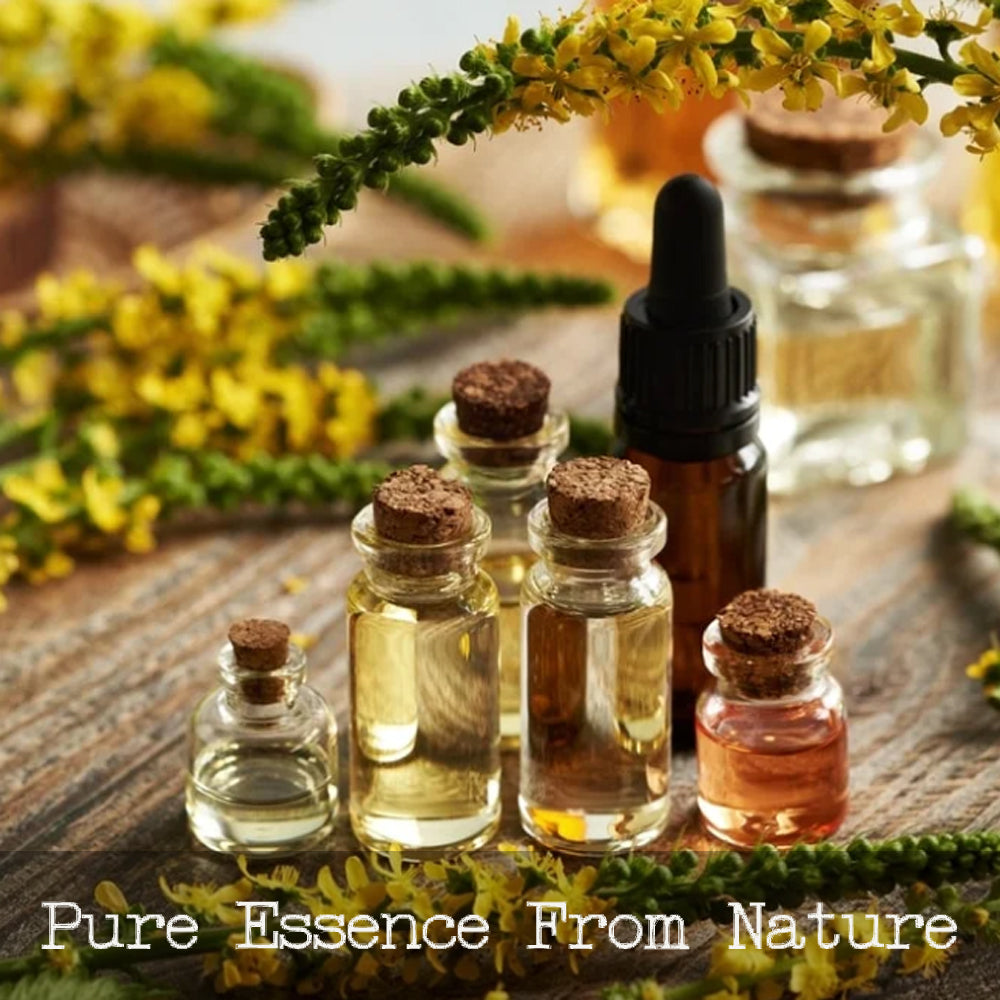
What Is Aniseed Essential Oil? Benefits, Uses & How to Use It
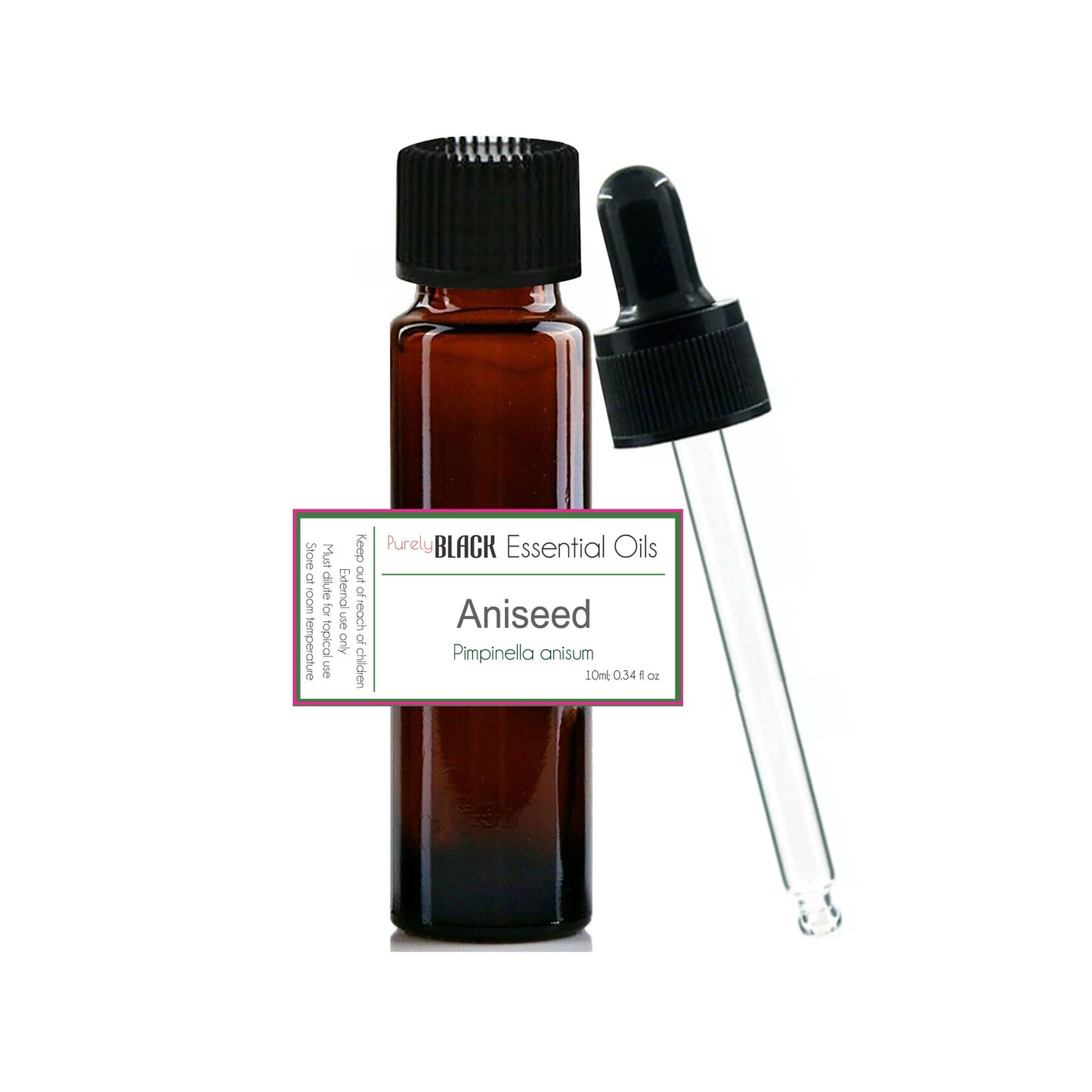
Aniseed essential oil is a steam-distilled extract from the dried seeds of Pimpinella anisum, an annual herb native to the eastern Mediterranean and cultivated commercially in India. It is characterised by a dominant anethole content that gives it a warm, intensely sweet liquorice aroma, and is widely used in diffuser blending, natural perfumery, and aromatic household applications.
Where Does Aniseed Essential Oil Come From?
Aniseed (Pimpinella anisum) belongs to the Apiaceae family — the same botanical family as fennel, caraway, and coriander. It is a delicate annual herb that grows to around 50cm, bearing feathery leaves and small white flower clusters.
While native to the eastern Mediterranean, commercial cultivation for essential oil production has shifted significantly to India, where warm conditions and well-drained soils support high-yield crops with a strong anethole profile.
purelyBlack's aniseed oil is sourced from India and GC/MS tested by an Australian-owned laboratory to verify purity and constituent integrity.
What Does Aniseed Oil Smell Like?
Aniseed oil has an intensely sweet, warm, and distinctly liquorice-like aroma — one of the most immediately recognisable scents in aromatherapy. The opening is bold and clean, driven almost entirely by trans-anethole.
There is little evolution in the dry-down; aniseed remains consistent and persistent throughout. It is a powerful scent — a small amount goes a long way in any blend.
Its closest aromatic relatives are fennel and star anise, though aniseed from Pimpinella anisum tends to be sweeter and less herbaceous than either.
What Are the Key Constituents of Aniseed Essential Oil?
| Constituent | Typical % Range | Character |
|---|---|---|
| Trans-anethole | 80–95% | Sweet, warm, liquorice — the dominant compound |
| Estragole (methyl chavicol) | 1–5% | Slightly spicy, anise-herbal |
| Pseudoisoeugenyl 2-methylbutyrate | 0.5–2% | Fruity, spicy modifier |
| Anisaldehyde | 0.1–1.5% | Floral, sweet, hawthorn-like |
| Cis-anethole | 0.1–0.4% | Weaker liquorice note; minor isomer |
Trans-anethole is the defining compound of aniseed essential oil — its concentration determines both the aromatic quality and the potency of the oil. GC/MS testing verifies this ratio in every batch.
How Is Aniseed Essential Oil Extracted?
Aniseed is extracted by steam distillation of the dried, ripe seeds of Pimpinella anisum. The seeds are crushed prior to distillation to maximise surface area and improve yield.
The resulting oil is colourless to pale yellow and may partially solidify below 15–20°C due to the high anethole content — this is normal and does not affect quality. Simply warm the bottle gently in your hands before use.
How Do You Use Aniseed Oil?
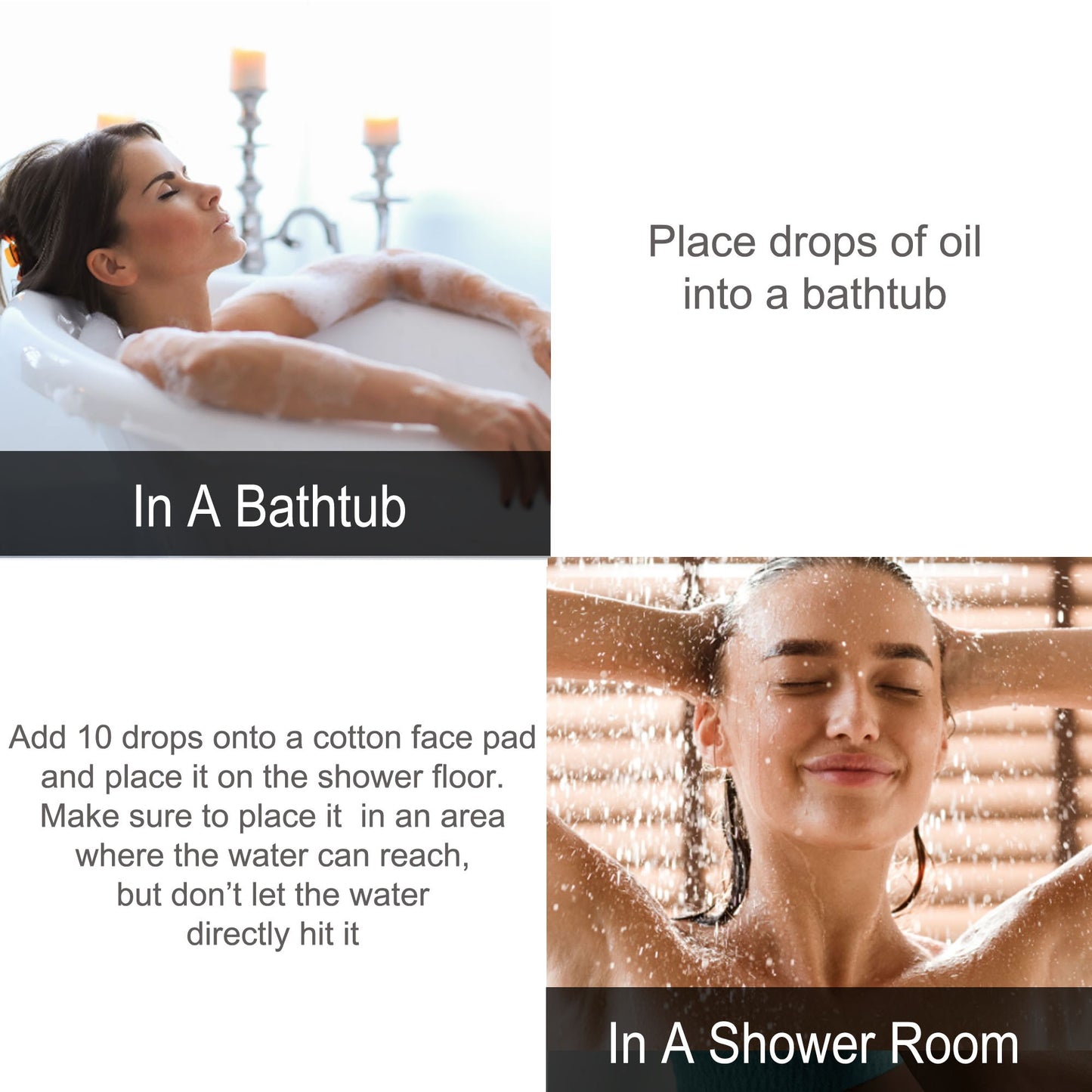
Diffuser use: Add 2–3 drops to a water-filled ultrasonic diffuser. Use sparingly — aniseed is potent and can easily overpower a blend. Pair with citrus or woody oils to balance the liquorice intensity.
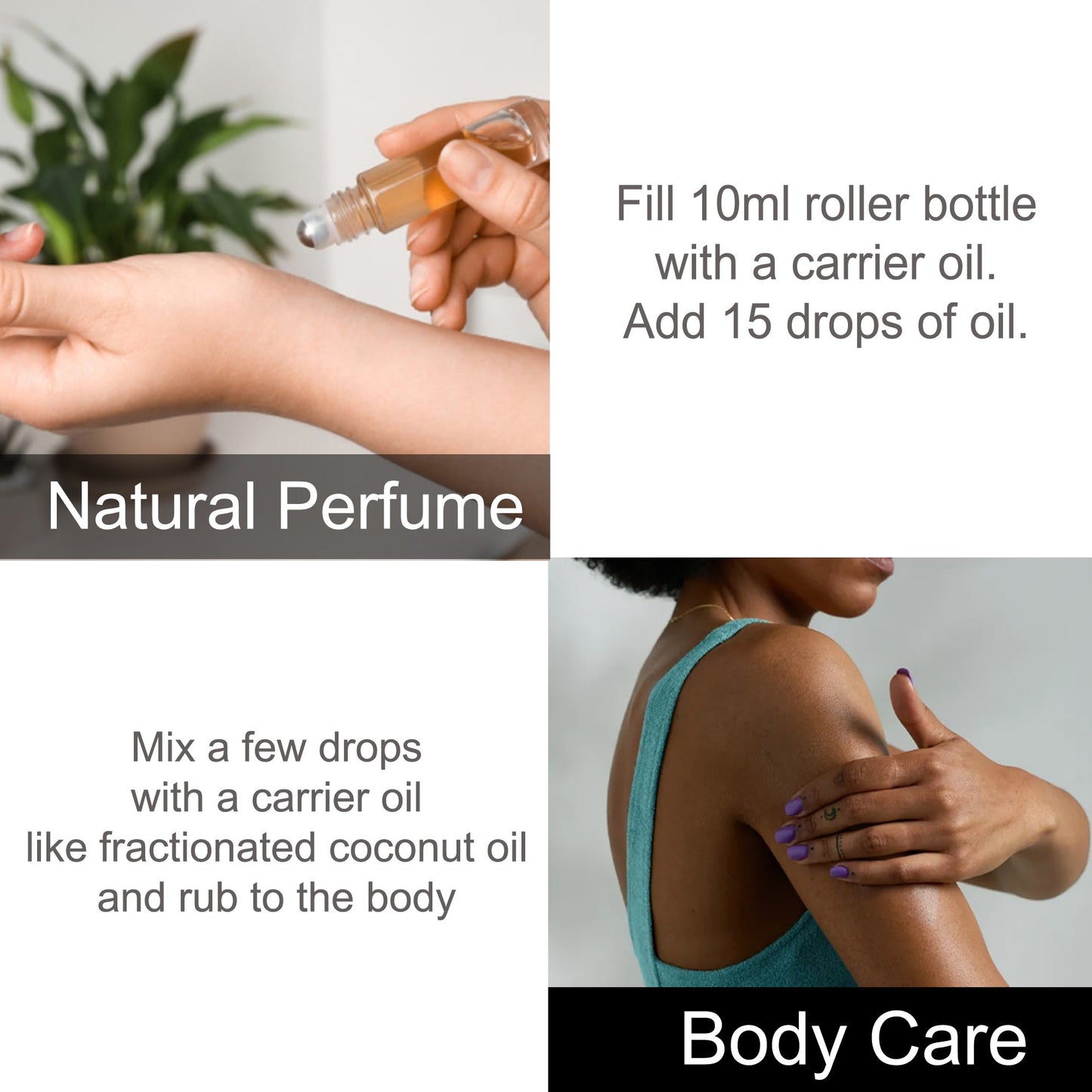
Topical use: Always dilute before applying to skin. Per NAHA guidelines, a 1% dilution is recommended for general adult use due to the high anethole content — approximately 6 drops per 30ml of fractionated coconut oil. Perform a patch test before wider application.
Aromatic applications: Aniseed oil is widely used for home scenting, odour neutralisation, and as a natural attractant for fishing and dog scent training — see the dedicated guides below.
Not for ingestion: For external use only.
What Does Aniseed Oil Blend Well With?
| Oil | Why It Works |
|---|---|
| Fennel | Botanical family match; deepens the sweet liquorice character |
| Sweet Orange | Bright citrus that lifts and balances aniseed's heavy sweetness |
| Cedarwood | Woody anchor that grounds aniseed in diffuser blends |
| Cardamom | Warm spice that complements aniseed's oriental sweetness |
| Coriander | Apiaceae family companion; adds a fresh, slightly floral dimension |
| Lavender | Softens aniseed's intensity; classic aromatic pairing |
Is Aniseed Essential Oil Safe?
Dilution: Aniseed is a potent oil due to its high trans-anethole content. A maximum 1% dilution is recommended for topical use. Never apply undiluted to skin.
Pregnancy and nursing: Avoid during pregnancy. Anethole has oestrogen-like activity and is not recommended during pregnancy or breastfeeding. Consult a qualified healthcare practitioner before use.
Children: Not recommended for children under 5 years. Keep out of reach of children.
Sensitisation: High anethole concentrations can cause skin sensitisation with repeated use. Rotate with other oils and keep dilutions conservative.
Pets: Aniseed oil is attractive to dogs and used in scent training — however, it should not be applied directly to animals. Keep diffuser use brief and well-ventilated.
Storage: Store in a cool location above 20°C where possible to prevent solidification. Keep away from direct sunlight.
Where to Buy Aniseed Essential Oil in Australia
purelyBlack's pure Aniseed Essential Oil is steam-distilled from Indian Pimpinella anisum seeds and GC/MS tested by an Australian-owned laboratory. It is 100% pure, vegan, and cruelty-free — shipped from Australia.
Explore Our Aniseed Oil Guides
Best Aniseed Oil for Dog Scent Training
How to use pure aniseed oil as a target odour for nose work, tracking, and competitive dog scent training.
Best Aniseed Oil for Fishing Bait Attractants
How to apply aniseed oil to lures and bait to mask human scent and attract fish.
Best Aniseed Oil for Home Odour Neutralisation
How to use aniseed oil in diffusers and sprays to eliminate stubborn cooking and pet odours.
Written by H.R. Kim
