
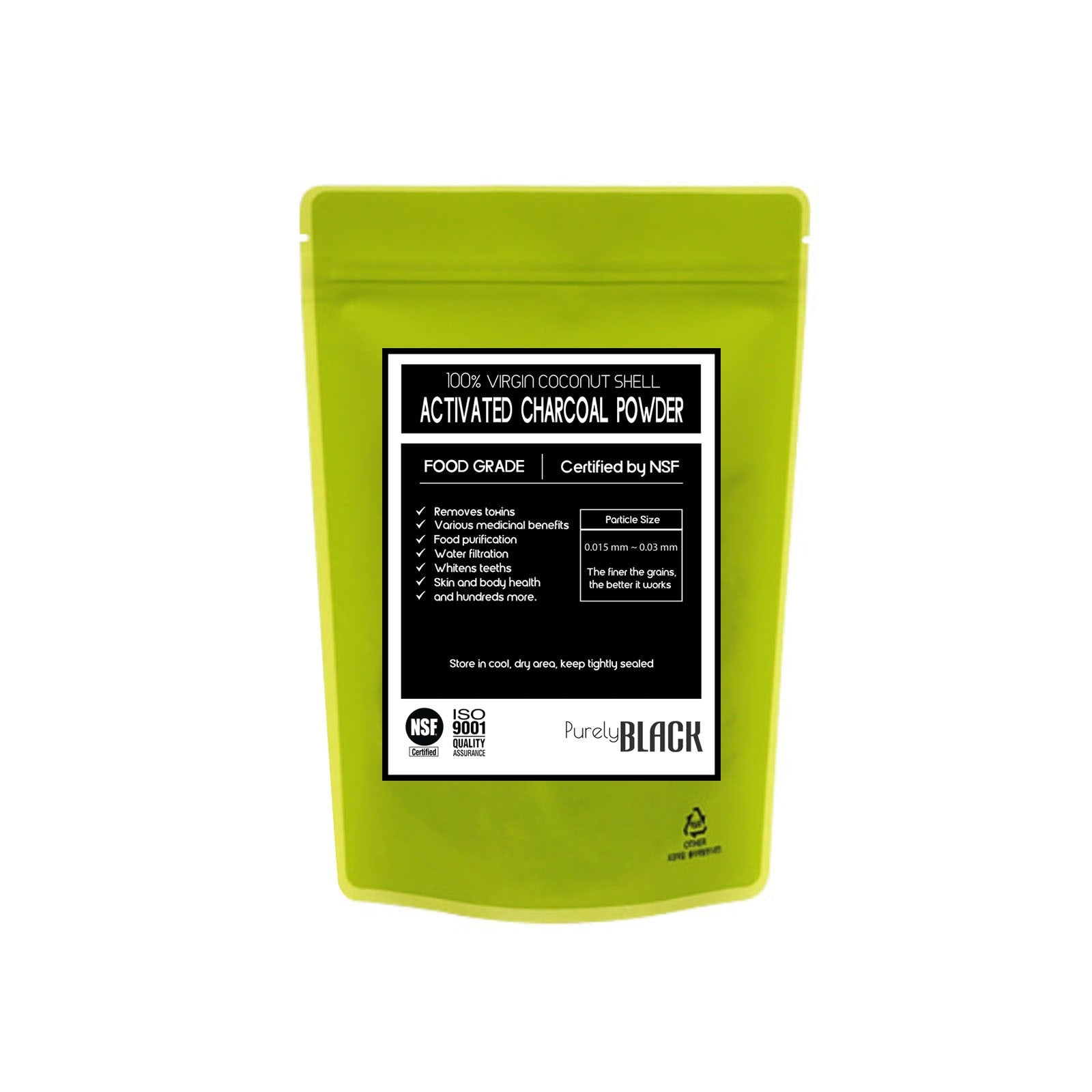
Whitening Powder for Teeth: Does Activated Charcoal Work?
Do Teeth Whitening Powders Actually Work?
Yes — teeth whitening powders such as activated charcoal can lift surface stains from coffee, tea, red wine, and everyday food, but they work differently to chemical whitening treatments. Most whitening powders rely on one of two mechanisms:
- Mechanical abrasion: Fine, gritty particles physically scrub surface stains off the enamel as you brush.
- Adsorption: Porous ingredients like activated charcoal bind to pigment molecules and lift them away rather than scrubbing them off.
Because both mechanisms work on the outer enamel layer only, whitening powders are effective against extrinsic (surface) stains but cannot alter the natural, underlying shade of your teeth — that requires a peroxide-based bleaching treatment from a dental professional.
This guide looks specifically at whether activated charcoal teeth whitening powder lives up to the claims — how to use it correctly, and how it compares to other whitening formats. For face and scalp applications, see our Charcoal Face Mask guide. For internal wellness uses, see our Activated Charcoal Internal Wellness Guide.
Is Powdered Charcoal Good for Your Teeth?
Powdered charcoal can help remove surface stains when used correctly, but it is a mild abrasive and should be used sparingly rather than daily. Its benefits and risks both come from the same property — its physical grit and porous surface.
- What makes it work: Activated charcoal is manufactured with an extremely high surface area — often 500 to 1,500 square metres per gram — giving it strong binding capacity for surface pigments.
- Why frequency matters: That same abrasive quality can gradually wear down enamel with daily use, which is why it's positioned as a targeted treatment rather than a everyday toothpaste replacement.
- Who should be cautious: Anyone with thinning enamel, sensitivity, crowns, or veneers should check with their dentist before introducing any abrasive powder into their routine.
Does Charcoal Actually Work to Whiten Teeth?
Charcoal powder lifts surface stains rather than bleaching the natural colour of your teeth. As it moves across the enamel during brushing, its porous carbon structure binds to tannins and pigment compounds left behind by coffee, tea, and red wine, allowing them to be rinsed away.
- What it can do: Reduce the visible build-up of surface staining over repeated, correctly-spaced use.
- What it can't do: Change the intrinsic colour of the dentin layer beneath your enamel — this is a structural trait, not a stain.
- Realistic expectations: Results are typically a visibly cleaner, brighter surface rather than a dramatic shade change.
How Do You Brush Your Teeth With Activated Charcoal?
Wet a soft-bristled toothbrush, dip it lightly into the powder, and brush gently in small circular motions for around two minutes before rinsing thoroughly. The technique is deliberately gentle — the goal is to let the carbon bind to surface stains, not to scrub them off by force.
- Prepare your space: The powder is fine and can be messy. Lean over the sink and wear a dark shirt, as it can temporarily stain light fabrics.
- Wet the brush: Use a dedicated, soft-bristled toothbrush just for your whitening routine. Wet the bristles thoroughly under the tap.
- Dip the bristles: Dip the wet toothbrush lightly into the powder. Only a small amount is needed to cover the tips — do not scoop large clumps.
- Apply to teeth: Place the brush in your mouth and gently dab the powder onto the surface of your teeth.
- Brush gently: Using small, light, circular motions, gently massage the powder across your teeth for 2 minutes. The focus is contact time, not pressure.
- Hold and let it bind: Spit out excess saliva, then let the remaining powder sit on your teeth for a further 1 to 2 minutes for maximum stain-lifting contact.
- Rinse thoroughly: Rinse extensively with warm water until it runs clear. Follow with your standard fluoride or hydroxyapatite toothpaste to remove all grit from the gum line.

Do you brush before or after using whitening powder? Use the powder as its own standalone step rather than mixing it directly into your regular toothpaste — this gives you full control over contact time and pressure, and lets you follow immediately afterwards with your normal fluoride or hydroxyapatite toothpaste.
Is Charcoal Toothpaste Good for Your Teeth?
Charcoal toothpaste can help with surface stain removal, but it typically contains far less active carbon than pure powder, diluted with foaming agents, glycerin, and preservatives. The dilution affects how directly the charcoal can contact and bind to stains during a normal two-minute brush.
| Feature | Pure Activated Charcoal Powder | Commercial Charcoal Toothpaste |
|---|---|---|
| Ingredient Purity | 100% single ingredient. No foaming agents, sweeteners, or preservatives. | Often contains SLS, artificial flavours, glycerin, and preservatives. |
| Concentration | Maximum concentration of binding carbon. | Diluted with water, silica, and glycerin; minimal actual carbon content. |
| Contact Time | Direct contact with enamel from the first brush stroke. | Diluted formula reduces direct carbon-to-stain contact. |
| Versatility | Can be used for teeth or mixed with clay for masks. | Strictly limited to oral care. |
Which Teeth Whitening Powder Is Best: Charcoal vs. Other Formats?
Charcoal, purple colour-correcting powders, and peroxide-based whitening powders all target stains differently, so the "best" one depends on what kind of staining you're dealing with. None of them change the natural shade of your enamel the way a professional bleaching treatment can.
- Activated charcoal powders: Work by adsorption, binding to surface pigment from coffee, tea, and wine. Best for lifting everyday surface staining, gently and without peroxide.
- Purple colour-correcting powders: Use purple pigment to optically counteract yellow tones on the tooth surface, creating an immediate visual brightening effect rather than physically removing stain.
- Peroxide-based whitening powders: Rely on a bleaching agent to lighten stains at a deeper level, which can be more effective on set-in staining but typically carries a higher risk of sensitivity.
For most people managing everyday coffee and tea staining, a gentle, non-peroxide option like activated charcoal is a reasonable starting point. If staining is more stubborn or long-standing, a dental professional can advise on whether a peroxide-based option is appropriate for your teeth.
Can Charcoal Remove Yellow Teeth?
Charcoal powder can help lift surface staining that contributes to a yellow appearance, but it cannot change the natural, underlying colour of your enamel. There are two distinct causes of yellow-looking teeth, and only one responds to whitening powder:
- Extrinsic yellowing (surface stains): Caused by coffee, tea, red wine, or smoking sitting on the enamel surface — this is what charcoal powder targets.
- Intrinsic yellowing (structural): Caused by the natural dentin layer showing through thinner or more translucent enamel, often due to age or enamel wear — no topical powder or paste can change this.
If stains persist after consistent, correctly-spaced use, the yellowing is more likely intrinsic — a dental professional can advise on suitable options from there.
Do Dentists Recommend Tooth Powder?
Dentists generally recommend caution with any abrasive tooth powder, including charcoal, due to the risk of enamel wear with frequent use. The concern isn't the ingredient itself so much as how often and how firmly it's used.
- Frequency: Most professional guidance favours occasional use — around one to two times per week — rather than as a daily toothpaste replacement.
- Technique: Light, gentle circular motions are recommended over firm scrubbing, which can accelerate enamel wear.
- Complementary care: Tooth powder should be used alongside, not instead of, a regular fluoride or hydroxyapatite toothpaste for daily cavity protection.
How Often Should You Use Charcoal Powder on Your Teeth?
Use charcoal powder on your teeth 1 to 2 times per week, never as a daily replacement for toothpaste. This frequency balances effective stain-lifting against the enamel-wear risk that comes with any abrasive powder.
- 1–2 times weekly: The standard recommendation for maintaining results without over-abrading enamel.
- Daily use — not recommended: Repeated daily abrasion is the most common cause of enamel sensitivity linked to charcoal whitening products.
- Signs to scale back: New sensitivity to hot or cold, or a rougher feel to the enamel surface, are signals to reduce frequency and check in with your dentist.
Can Yellow Teeth Go White Again?
Surface-level yellowing from food, drink, or smoking can often be improved with consistent stain-lifting care, but natural enamel colour cannot be permanently changed by powders alone. Whitening powders work best as part of an ongoing routine rather than a one-off fix:
- For surface stains: Regular, correctly-spaced use of a whitening powder or toothpaste can noticeably reduce visible staining over time.
- For deeper discolouration: Intrinsic yellowing from enamel thinning or ageing typically requires a professional whitening treatment.
- To maintain results: Reducing staining foods and drinks, along with consistent daily brushing, helps preserve whatever improvement is achieved.
About the Author: Researched & Written by H.R. Kim | Last Updated: 10 September 2026
Founder at purelyBlack — an Australian-owned botanical perfumery and essential oil supplier based in Sydney. Blending a deep knowledge of molecular ingredient chemistry with holistic aromatherapy, H.R. specialises in creating harmonious, safe, and effective botanical blends for natural home fragrance, cosmetic balancing, and daily wellness.
Disclaimer: The information provided in this masterclass is for educational and informational purposes only and does not constitute medical or dental advice. purelyBlack's botanical products are not intended to diagnose, treat, cure, or prevent any disease. Always consult with a qualified dental or healthcare practitioner regarding teeth whitening options, especially if you have veneers, crowns, sensitivity, or an underlying dental condition.
