
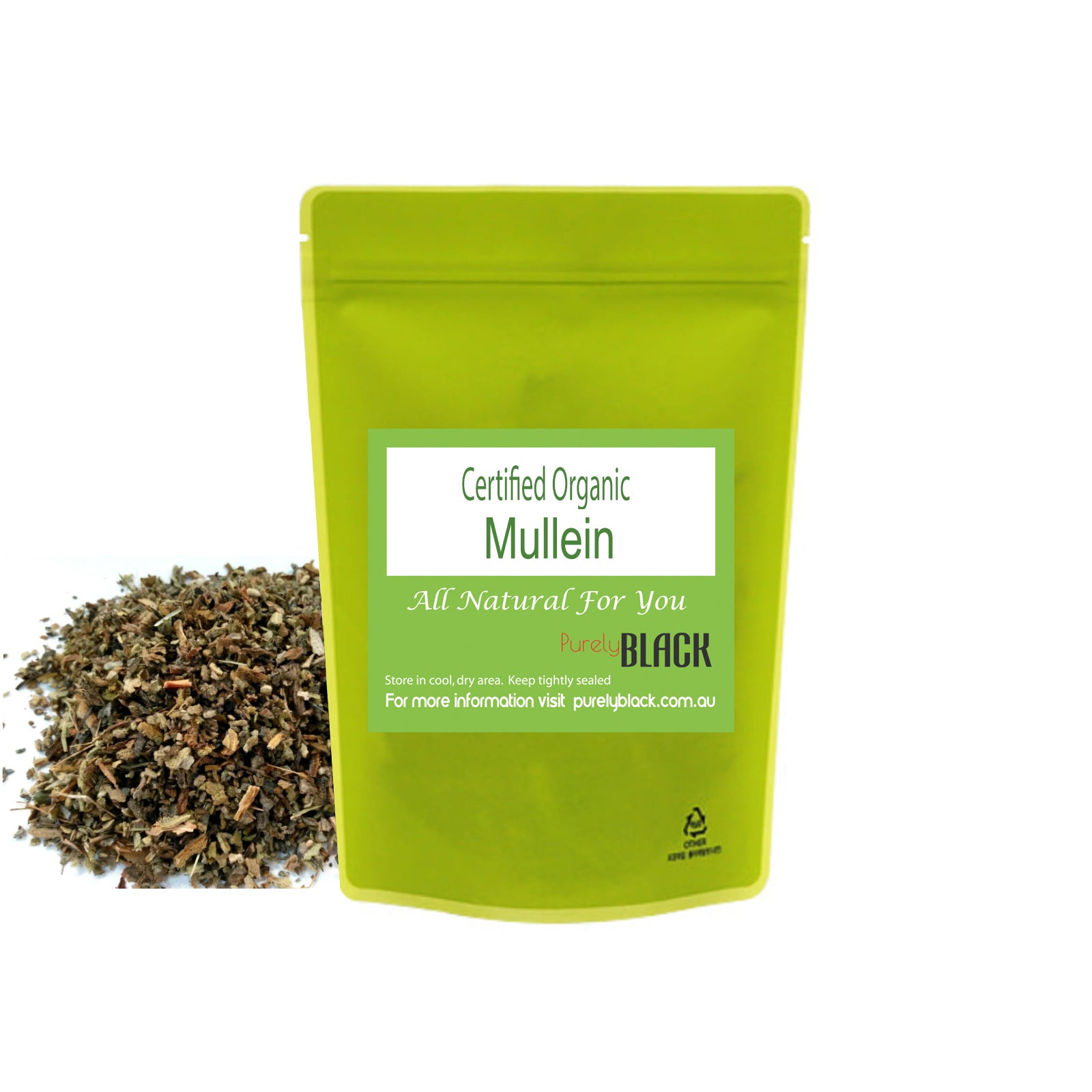

A Masterclass on Organic Mullein Tea: Traditional Lung Support & Herbal Benefits
Organic mullein tea is a deeply soothing, traditional herbal infusion made from the dried leaves of the Verbascum thapsus plant. Long prized in traditional botanical medicine for its remarkable respiratory benefits, mullein tea is naturally caffeine-free and widely used to gently calm the respiratory tract, clear the lungs, and ease dry, irritated coughs. Whether you are brewing a daily cup for foundational respiratory maintenance or seeking targeted, comforting relief during the colder seasons, this mild, slightly sweet botanical tea is an essential staple in the modern herbal apothecary.

What is Mullein Tea Good For?
To understand what mullein tea is good for, we first need to look at the fascinating history and botanical profile of the plant itself. Native to Europe, northern Africa, and parts of Asia, the common mullein plant (Verbascum thapsus) is highly recognizable in the wild due to its towering stalk of yellow flowers and large, velvety-soft, pale green leaves. For centuries, across ancient Greek, European, and Native American medicinal traditions, these soft leaves have been harvested, dried, and brewed into teas specifically to address ailments of the chest and throat.
The primary reason mullein has stood the test of time is its unique dual-action capability within the human body. Mullein leaf acts simultaneously as an expectorant (helping the body expel excess mucus) and a demulcent (creating a soothing, protective film over inflamed mucous membranes). This makes it exceptionally good for conditions where the throat is raw, the chest feels tight, and a persistent cough is present.
When you consume organic mullein tea, you are extracting a complex matrix of plant compounds that work synergistically. The therapeutic power of this gentle herb is entirely driven by its natural biochemistry.
Active Compounds in Mullein Leaf
| Compound | Primary Action & Benefit |
|---|---|
| Saponins | Natural, soap-like compounds that act as powerful expectorants. Saponins help to thin and break down the viscosity of thick mucus, making it much easier for the lungs to expel. |
| Mucilage | A gel-like, viscous polysaccharide that swells in water. It coats, hydrates, and protects irritated mucous membranes in the throat and digestive tract, reducing the urge to cough. |
| Flavonoids | Potent botanical antioxidants (including verbascoside) that help neutralize free radicals and lower inflammation throughout the respiratory and gastrointestinal systems. |
| Iridoid Glycosides | Plant compounds known for their gentle antispasmodic and relaxing properties, which can help calm the smooth muscles of the respiratory tract during coughing fits. |
Mullein Tea Benefits for Lungs and Overall Health
The search data consistently highlights mullein for lungs and mullein for cough as the primary reasons people seek out this herb. However, the benefits of mullein tea extend far beyond just basic respiratory relief. Because of its rich mucilage content and anti-inflammatory properties, it offers a holistic approach to wellness.
- Natural Expectorant for Lungs and Coughs: Mullein is arguably best known as a premium lung tonic. When a cough is "unproductive" (meaning you are coughing constantly but unable to clear the phlegm), the saponins in mullein tea help loosen the congestion deeply lodged in the bronchial tubes. This transforms a dry, exhausting cough into a productive one, allowing the body to naturally clear the airways.
- Soothes Irritated Throats: The thick, protective mucilage extracted during the brewing process coats the throat as you drink it. This physical barrier instantly soothes the raw, scratchy sensation caused by constant coughing, environmental pollutants, or dry winter air.
- Mild Antiviral and Antibacterial Properties: Traditional herbalism utilizes mullein at the first sign of seasonal illness. Modern studies have shown that the compounds found in mullein leaf, particularly verbascoside, exhibit mild antimicrobial properties that can support the immune system's natural defenses against common respiratory invaders.
- Calms the Digestive Tract: The same mucilaginous properties that soothe the throat also work wonders for the gastrointestinal lining. For individuals suffering from mild digestive inflammation or occasional gut irritation, a warm cup of mullein tea acts as a gentle, soothing balm for the stomach and intestines.
- Promotes Restful Sleep: Constant coughing is one of the primary disrupters of a good night's rest. Because mullein tea naturally suppresses the scratchy trigger of a dry cough and contains mild relaxing iridoid glycosides, drinking a cup an hour before bed can help facilitate deeper, uninterrupted sleep. It is 100% caffeine-free, making it an ideal evening ritual.
Does Mullein Tea Clear Lungs?
A common question is whether mullein tea actually clears the lungs. The short answer is yes, but it does so through biological facilitation rather than an aggressive "detox" mechanism. Mullein does not forcefully scrub the lungs; rather, it changes the physical state of the mucus trapped within them.
When the lungs are irritated by smoke, dust, allergens, or respiratory infections, the body produces thick, sticky mucus as a defense mechanism to trap the invaders. Often, this mucus becomes too thick for the tiny hair-like structures in our airways (cilia) to push up and out. By introducing the saponins from organic mullein tea into your system, the surface tension of this mucus is broken down. It becomes watery and fluid. Consequently, when you cough, the lungs can finally eject the irritant. This natural, supportive clearing process is why mullein is so highly regarded among herbalists for deep, stubborn chest congestion.
How to Make Mullein Tea: Best Way to Use Mullein for Lungs
Brewing mullein tea requires a specific, careful technique. Because the leaves of the Verbascum thapsus plant are covered in thousands of tiny, velvety plant hairs (trichomes), failing to strain the tea properly can lead to those hairs catching in your throat, which can cause the exact irritation you are trying to cure.
For the most effective lung-supporting extraction, we use a classic hot-water infusion method to draw out both the mucilage and the saponins.
- Measure the Herb: Add 1 to 2 generous teaspoons of dried, organic mullein leaf into a heat-safe teapot, French press, or mug.
- Boil the Water: Bring 250ml (about 1 standard cup) of fresh, filtered water to a rolling boil (100°C). Boiling water is necessary to properly break down the cellular walls of the dried leaf.
- Steep the Infusion: Pour the hot water directly over the loose leaves. Cover your vessel immediately with a lid or small plate. Covering the tea prevents the volatile, beneficial essential oils inherent in the plant from escaping through the steam. Let it steep for 10 to 15 minutes. The longer it steeps, the more mucilage is extracted.
- Strain Thoroughly (Crucial Step): Pour the brewed tea through a very fine mesh strainer. To be absolutely certain you catch all the microscopic plant hairs, it is highly recommended to line your strainer with an unbleached coffee filter, a piece of clean muslin, or a cheesecloth.
- Enhance and Serve: Drink the tea while it is comfortably warm. To boost its throat-soothing properties, stir in a teaspoon of raw, local honey. You can also add a slice of fresh ginger or a pinch of organic ginger root powder for added warmth and flavour, along with a squeeze of lemon for vitamin C.
Is It Safe to Drink Mullein Tea Every Day?
For the vast majority of people, yes, it is entirely safe to drink mullein tea every day. In traditional herbalism, it is classified as a gentle tonic herb, meaning it is non-toxic and well-tolerated by the body over extended periods. During the peak of a seasonal respiratory issue, drinking 2 to 3 cups a day is standard practice to maintain hydration and keep mucus thin.
For daily maintenance—such as an ex-smoker looking to gently support their lungs, or someone who works in a dusty environment—one cup a day is a wonderful, supportive habit. The key to daily safety is simply ensuring you are using high-quality, organic herbs to avoid ingesting concentrated pesticides, and strictly adhering to the proper straining methods discussed above.
Who Should Not Drink Mullein Tea?
While mullein is incredibly gentle, plant medicine always requires respect and consideration for individual health circumstances. The following groups should exercise caution:
| Group | Caution / Recommendation |
|---|---|
| Pregnant or Nursing Women | While there are no prominent studies showing toxicity, there is a lack of definitive clinical safety data for fetal development. Always consult a qualified healthcare practitioner before use. |
| Individuals Preparing for Surgery | Some herbalists note that large quantities of mullein may have very mild effects on blood clotting or interact with certain anesthetics. It is best practice to stop all herbal supplements two weeks prior to scheduled surgery. |
| Those with Specific Plant Allergies | Avoid mullein if you have a known severe allergy to plants in the Scrophulariaceae (figwort) family, though this is quite rare. |
Incorporating a traditional botanical like mullein into your daily routine is a beautiful way to connect with centuries of natural healing wisdom. By treating the herb with care, brewing it correctly, and sourcing it responsibly, you can offer your lungs the gentle, effective support they deserve.
About the Author: Researched & Written by H.R. Kim
Founder at purelyBlack — an Australian-owned botanical perfumery and essential oil supplier based in Sydney. Blending a deep knowledge of molecular ingredient chemistry with holistic aromatherapy, H.R. specialises in creating harmonious, safe, and effective botanical blends for natural home fragrance, cosmetic balancing, and daily wellness.
Disclaimer: The information provided in this masterclass is for educational and informational purposes only and does not constitute medical advice. purelyBlack's botanical products are not intended to diagnose, treat, cure, or prevent any disease. Always consult with a qualified healthcare practitioner before incorporating new botanical powders, teas, or roots into your daily routine, especially if you are pregnant, nursing, taking prescription medications, or have an underlying medical condition.
