


Organic Dandelion Root Tea Benefits and How to Prepare It
What Is Dandelion Root Tea?
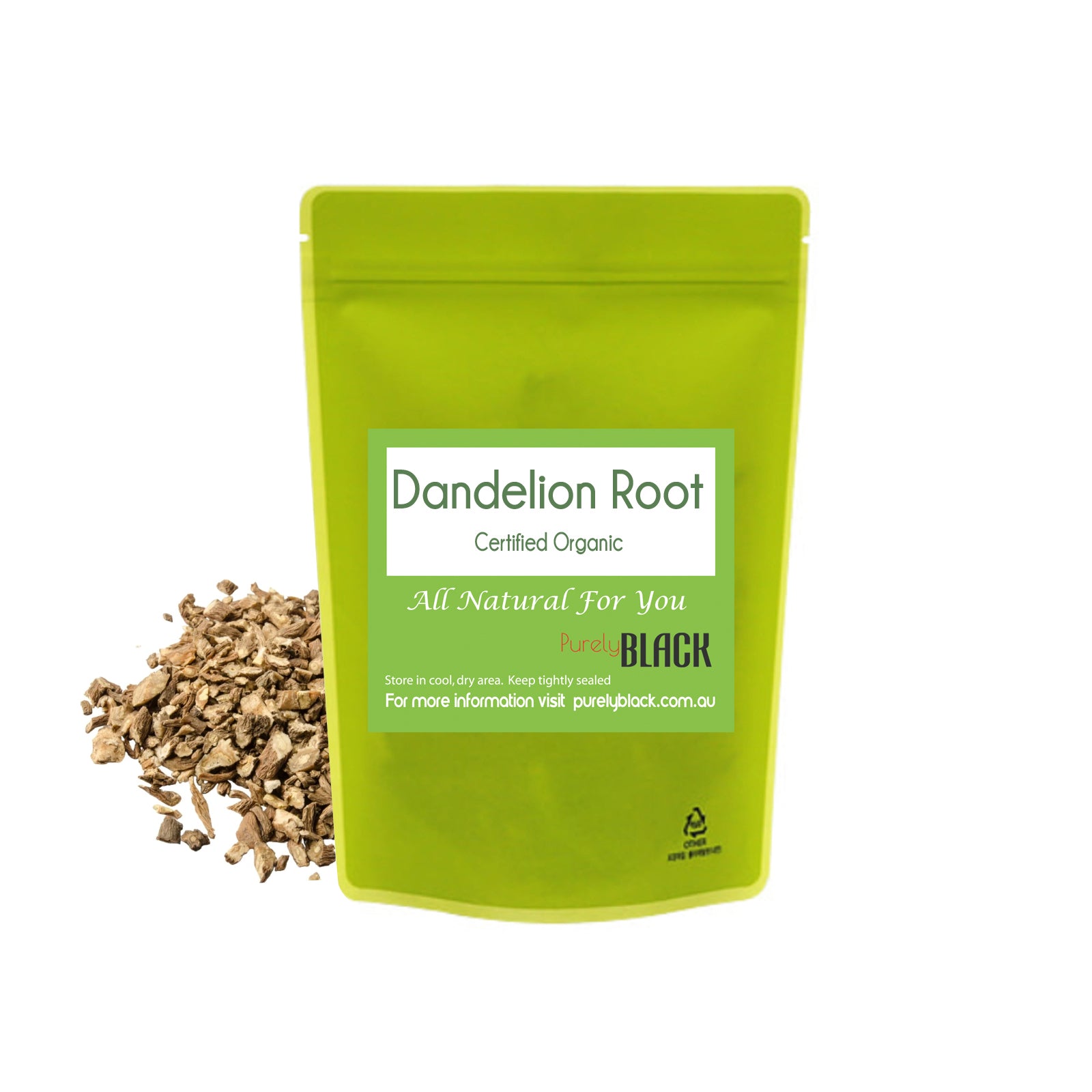
Organic Dandelion root tea is a naturally caffeine-free herbal infusion made from dried Taraxacum officinale root, traditionally enjoyed to support general digestive comfort.
Dandelion root tea has a rich heritage across Western herbalism and Traditional Chinese Medicine, valued for its grounding aroma and deep, earthy profile. Prepared from the dense underground root of the plant, this botanical brew offers a mild bitter character that makes it a popular alternative to daily coffee. Drinking dandelion root tea regularly provides a simple, natural way to integrate traditional herbs into a balanced lifestyle routine.
Organic Dandelion Benefits
Organic dandelion root tea offers a pure botanical experience free from synthetic pesticides and herbicides, making it an ideal choice for those seeking a cleaner approach to their daily wellness ritual. The organic certification ensures that every cup delivers the earthy, slightly bitter flavour profile that dandelion enthusiasts appreciate, without unwanted chemical residues.
Traditionally valued across many cultures for its gentle supportive properties, this caffeine-free herbal infusion may complement a balanced lifestyle when enjoyed as part of your regular routine. Choosing certified organic also supports sustainable farming practices, meaning your mindful tea preparation aligns with environmentally conscious values that benefit both your household and the broader Australian landscape.
Organic Dandelion Root Tea Quick Reference
| Property | Details |
|---|---|
| Botanical Name | Taraxacum officinale |
| Plant Part Used | Root |
| Country of Origin | Italy |
| Traditional System | Western herbalism & TCM |
| Organic Status | Organic |
| Food-Grade Status | Food Grade |
| Product Format | Cut Root |
How to Prepare Organic Dandelion Root Tea
To prepare dandelion root tea correctly, simmer cut root in cold water on the stovetop for 15 minutes using a traditional decoction method.
Because dandelion root is dense and fibrous, simple steeping in boiling water yields an incomplete extraction. A slow stovetop simmer breaks down the tough plant material, releasing its subtle bitter glycosides, prebiotic inulin, and aromatic botanical compounds into the brew.
Recipe 1: Traditional Earthy Decoction
Combining dandelion root with complementary roots creates a well-rounded, grounding tea for daily digestive support.
- 1 heaped teaspoon cut dandelion root
- 1/2 teaspoon cut Burdock Root
- 300ml cold filtered water
- Place the dandelion root, burdock root, and cold water into a small saucepan.
- Bring the mixture to a boil over medium-high heat.
- Reduce heat to low, cover with a lid, and gently simmer for 15 minutes.
- Strain through a fine strainer into a mug and serve warm.
Recipe 2: Warming Ginger Root Infusion
Adding ginger introduces a spicy warmth that balances the natural earthy bitterness of herbal root brews.
- 1 teaspoon cut dandelion root
- 1/4 teaspoon Ginger Root Powder
- 250ml cold water
- Combine dandelion root and water in a saucepan and bring to a simmer for 12 minutes.
- Whisk in the ginger root powder during the final 3 minutes of simmering.
- Remove from heat, cover, and rest for 2 minutes before straining into your cup.
Recipe 3: Gentle Botanical Tonic
Integrating a sweet botanical element naturally rounds out the strong earthy notes inherent in dried root teas.
- 1 teaspoon cut dandelion root
- 1/4 teaspoon Licorice Root Powder
- 250ml water
- Simmer the dandelion root in water over low heat for 15 minutes.
- Stir in the licorice root powder immediately after removing the saucepan from heat.
- Allow to steep covered for 3 minutes before filtering through a fine mesh sieve.
Is It Okay to Drink Dandelion Tea Every Day?
Drinking 1 to 3 cups of dandelion tea daily is generally well-tolerated by healthy adults as part of a balanced herbal routine.
In traditional herbal practice, regular consumption helps maintain gentle conditioning effects on digestive function. Enjoying a warm cup either first thing in the morning or approximately 20 minutes after meals allows the natural bitter principles to support digestive comfort. If you are new to herbal infusions, start with a single cup daily to evaluate your body's response before increasing frequency.
Does Dandelion Root Help With Belly Fat?
Dandelion root tea does not target or burn belly fat directly, though its natural fluid-balancing action can temporarily reduce bloating and fluid retention.
Many individuals observe a lighter feeling or reduced abdominal puffiness when consuming dandelion tea due to its traditional role in encouraging fluid excretion and smooth digestion. However, long-term body composition changes depend on balanced dietary habits, physical activity, and overall lifestyle rather than reliance on single botanical remedies.
Why Do You Feel Weird After Drinking Dandelion Root Tea?
Feeling lightheaded, squeamish, or unusually sensitive after drinking dandelion root tea usually stems from rapid fluid excretion or digestive stimulation caused by bitter compounds.
Herbal bitters naturally stimulate salivary, gastric, and bile secretions, which may create a sudden fluttery feeling or mild rumbling in sensitive stomachs. Furthermore, because dandelion root promotes natural fluid movement, drinking large quantities quickly can temporarily alter hydration balances. To prevent feeling off balance, drink your tea alongside light snacks and maintain consistent daily water intake.
Dandelion Root Tea Formats Compared
| Format | Flavour Profile | Best Suited For |
|---|---|---|
| Cut Dried Root | Earthy, light bitter tones | Stovetop decoctions & customized root blends |
| Roasted Cut Root | Deep, nutty, roasted note | Caffeine-free morning coffee substitution |
| Tea Bags | Mild, quick extraction | Convenient steeping while traveling or at work |
Who Should Not Drink Dandelion Root?
Individuals with known allergies to Asteraceae family plants, active gallbladder obstruction, acute kidney conditions, or those who are pregnant should avoid drinking dandelion root tea without prior medical consultation.
- Asteraceae allergy sufferers: People allergic to ragweed, daisies, marigolds, or chrysanthemums may experience allergic skin or airway sensitivity.
- Gallbladder issues: Those with gallstones or bile duct obstructions should avoid bitter roots that stimulate bile flow.
- Pregnant or nursing women: Safety parameters during pregnancy and lactation have not been established in clinical settings.
- Young children: Daily intake of strong herbal root decoctions is not recommended for young children without professional guidance.
What Not to Mix With Dandelion Root Tea?
Dandelion root tea should not be taken concurrently with pharmaceutical diuretics, blood thinners, lithium, or certain antibiotics without healthcare advice.
- Pharmaceutical diuretics: Combining dandelion root tea with prescription fluid tablets can amplify fluid excretion and imbalance electrolyte levels.
- Anticoagulants: Potential botanical interactions may alter blood thinning parameters and clotting times.
- Lithium medications: Fluid volume changes can influence serum lithium levels during blood monitoring.
- Quinolone antibiotics: Digestive absorption of specific antibacterial medications may be altered when taken alongside bitter root infusions.
Where to Buy Pure Dandelion Root Tea in Australia
For premium loose-leaf botanical brews, purelyBlack supplies pure dandelion root tea directly from Sydney.
Our organic cut root is sourced from Italy and remains completely free from artificial additives, fillers, or synthetic flavours. Orders are carefully handled in Sydney and dispatched with free shipping Australia-wide and no minimum spend requirement.
Formulated & Written by H.R. Kim
Last updated 14 August 2026
This article is for general information only and is not medical advice. purelyBlack herb products are not intended to diagnose, treat, cure, or prevent any disease. Consult a qualified healthcare practitioner before use, particularly if pregnant, nursing, taking medication, or managing a medical condition.
