

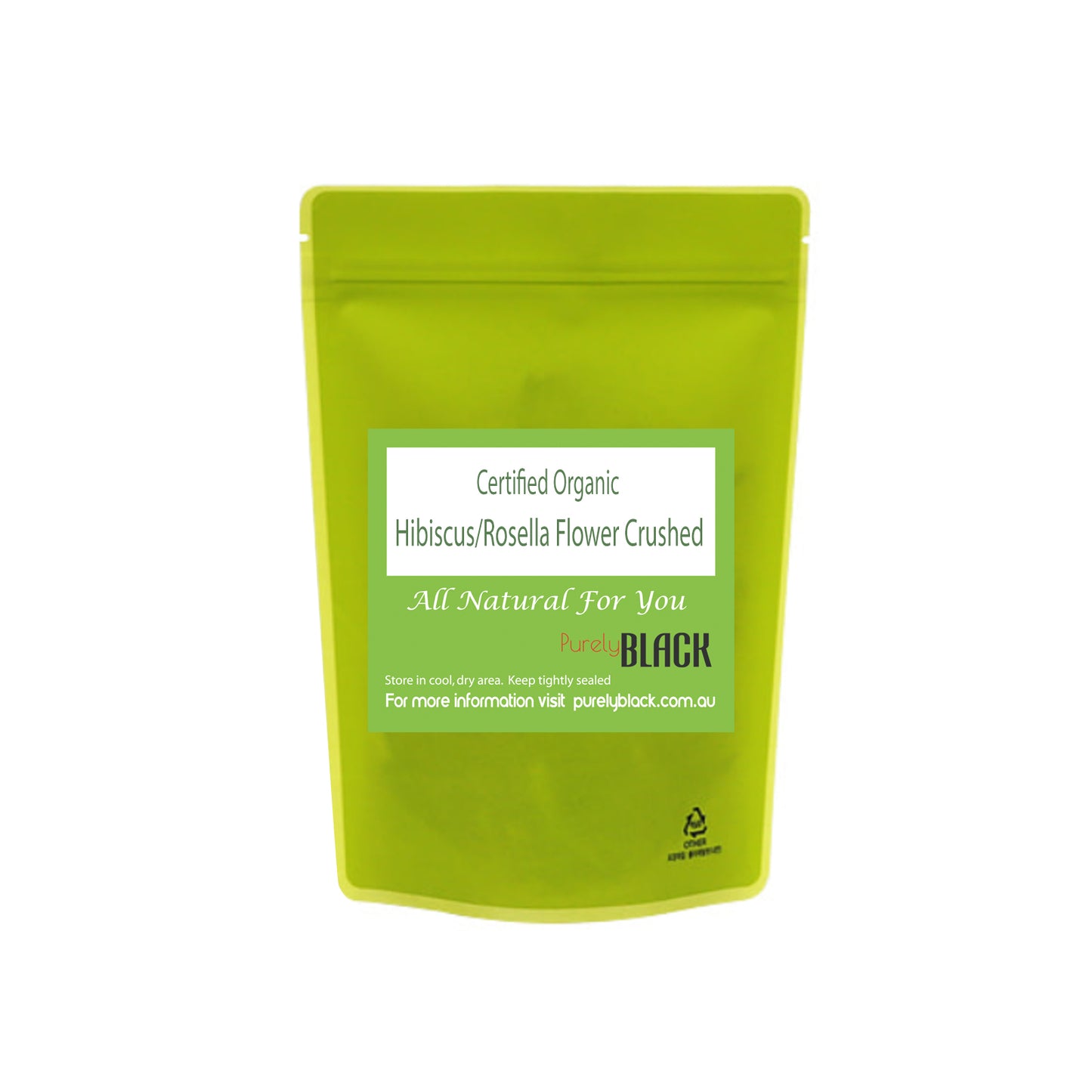
Organic Hibiscus Tea Benefits, Brewing Guide & Daily Uses
What Are the Benefits of Drinking Organic Hibiscus Tea?
Organic hibiscus tea offers rich antioxidant anthocyanins, supporting daily cardiovascular balance, digestive vitality, and refreshed hydration when steeped traditionally as a whole flower infusion.
- Antioxidant Support: Contains naturally occurring anthocyanins and vitamin C to help defend cells against daily oxidative stress.
- Cardiovascular Wellness: Traditionally enjoyed in Egyptian and West African herbalism to complement healthy circulatory balance.
- Hydration & Refreshment: Delivers a naturally caffeine-free, tart floral infusion ideal for daily liquid nourishment.
- Digestive Ease: Organic acids naturally present in the calyces traditionally support gentle digestive comfort after meals.
Exploring traditional hibiscus tea benefits provides valuable insight into one of the world's most cherished botanical beverages. Sourced from dried calyces of the Hibiscus sabdariffa plant, this vibrant crimson infusion has been celebrated across centuries for its tart flavour profile and nourishing plant compounds. Incorporating loose leaf hibiscus into your daily routine offers a clean, caffeine-free ritual for holistic hydration.
| Botanical Name | Hibiscus sabdariffa |
| Plant Part Used | Flower/Petal |
| Country of Origin | Egypt |
| Traditional System | Traditional Egyptian & West African herbalism |
| Organic Status | Organic |
| Food-Grade Status | Food-Grade |
| Product Format | Loose Leaf |
How to Brew Organic Hibiscus Tea
To brew organic hibiscus tea properly, steep 1 to 2 teaspoons of loose petals in 80°C water for 5 to 7 minutes before straining.
Mastering water temperature is essential when working with loose leaf petals. Water above 85°C can destroy delicate heat-sensitive compounds and release excess tannins. Below is general preparation guidance for traditional daily steeping:
- Measurement: Use 1–2 teaspoons (approx. 3–5g) of crushed loose petals per 250ml of water.
- Water Temperature: Bring filtered water to a boil, then allow it to rest for 3–4 minutes until it cools to approximately 78–80°C.
- Infusion Technique: Place loose petals in a stainless steel or bamboo mesh strainer and submerge fully in your vessel.
- Steep Time: Cover your cup and steep for 5–7 minutes to achieve a rich ruby hue without bitterness.
Hibiscus & Rosehip Morning Hydration Tonic
This uplifting morning tonic combines bright hibiscus petals with vitamin-rich botanicals for an invigorating start to your daily hydration ritual.
Ingredients:
- 2 tsp crushed organic hibiscus petals
- 1 tsp Rosehip Tea shells
- 250ml filtered water (78–80°C)
- 1 tsp raw honey (optional)
- Fresh lemon slice
Step-by-step preparation:
- Combine crushed hibiscus petals and Rosehip Tea shells inside a stainless steel tea infuser.
- Pour 78–80°C water over the botanicals in a heat-resistant glass cup.
- Cover the cup with a saucer and steep for 6 minutes to allow compound extraction.
- Remove the infuser and discard the spent petals.
- Stir in raw honey if desired and add a fresh lemon slice before drinking warm.
Chilled Hibiscus & Lemongrass Summer Elixir
A crisp, tart iced tea perfect for warm Australian days, bringing traditional botanical refreshment to your glass without added artificial flavourings.
Ingredients:
- 2 tsp crushed organic hibiscus petals
- ½ tsp Lemongrass Powder
- 300ml filtered water (80°C)
- 1 tsp maple syrup (optional)
- Ice cubes and fresh mint leaves
Step-by-step preparation:
- Dissolve Lemongrass Powder into 1 tablespoon of warm water in a cup to form a smooth liquid base.
- Place crushed hibiscus petals in an infuser set over a jug, pour the remaining 80°C water over, and steep for 6 minutes.
- Remove the infuser, stir the lemongrass mixture and maple syrup into the hot tea, and let cool to room temperature.
- Fill a glass with ice cubes, pour the cooled liquid over the ice, and garnish with fresh mint leaves.
Spiced Hibiscus & Cinnamon Evening Brew
A comforting, warm infusion blended with gentle traditional kitchen spices to complement a relaxed evening routine.
Ingredients:
- 1½ tsp crushed organic hibiscus petals
- ½ tsp Ceylon Cinnamon Powder
- 250ml filtered water (80°C)
- Raw honey to taste
Step-by-step preparation:
- Place crushed hibiscus petals into your teapot infuser basket.
- Pour 80°C water into the pot and stir in the Ceylon Cinnamon Powder.
- Cover the pot and let steep for 5 to 7 minutes.
- Strain into a mug, sweeten mildly with raw honey, and enjoy slowly after dinner.
Does Hibiscus Tea Help Lower Blood Pressure?
Hibiscus tea is traditionally used in herbal practice to support healthy blood pressure and circulatory balance, though it should not replace prescribed medical therapies.
While centuries of traditional Egyptian and West African herbalism value hibiscus for maintaining cardiovascular equilibrium, modern users should view it as a supportive lifestyle beverage. Understanding traditional hibiscus tea benefits involves recognising how plant anthocyanins support overall vascular comfort alongside a balanced diet and active lifestyle.
Is It Okay to Drink Hibiscus Tea Every Day?
Drinking 1 to 2 cups of hibiscus tea daily is generally well-tolerated by healthy adults as part of a balanced botanical lifestyle.
Because hibiscus is naturally caffeine-free, it can be enjoyed at various times throughout the day depending on your personal routine:
- Morning Ritual: Enjoyed after breakfast to support daily hydration baseline.
- Afternoon Refreshment: Served warm or iced during mid-afternoon lulls as a tart alternative to black tea.
- Evening Wind-Down: Consumed after dinner to encourage relaxation without disturbing rest.
Hibiscus Format Comparison: Loose Leaf vs Tea Bags vs Extracts
Selecting the right botanical format ensures optimal retention of active organic acids and vibrant floral aromatics.
| Format | Compound Retention | Preparation Control | Purity & Additives |
|---|---|---|---|
| Organic Loose Leaf | High (Whole crushed petals retain full active profile) | High (Full control over steep time and water ratio) | Pure 100% botanical; zero preservatives or fillers |
| Commercial Tea Bags | Low (Finely milled tea dust oxidises quickly) | Low (Fixed bag weight, limited flavour strength) | Often blended with cheap flavourings or citric acid |
| Encapsulated Extracts | Moderate (Standardised single compounds) | Fixed (Pre-measured supplement dosage) | May contain synthetic flow agents or binders |
Who Should Not Drink Hibiscus Tea?
Individuals taking blood pressure or diuretic medications, pregnant or nursing women, and children should consult a healthcare provider before drinking hibiscus tea.
- Medication Interactions: Those taking antihypertensive or diuretic prescription drugs should exercise caution, as hibiscus traditionally influences fluid balance.
- Pregnancy & Nursing: Avoid use during pregnancy due to traditional associations with uterine stimulation.
- Low Blood Pressure: Individuals prone to hypotension should monitor their response carefully.
- Child Use: Consult a paediatric practitioner before introducing herbal infusions to young children.
- Proper Storage: Store dried calyces in a cool, dry, dark pantry away from direct light, moisture, and out of reach of children.
What Is the Best Hibiscus Tea in Australia?
The ideal choice for Australian herbal enthusiasts is pure, unblended organic loose leaf hibiscus flowers that preserve natural ruby pigments and tart organic acids without artificial preservatives.
When sourcing premium botanical ingredients, purelyBlack provides single-origin Egyptian crushed petals packed to food-grade standards. Buying pure loose leaf allows you to experience authentic hibiscus tea benefits in every cup. All orders are dispatched directly from Sydney with free shipping Australia-wide and no minimum spend required. You can order pure Hibiscus Tea directly from our online botanical store.
Formulated & Written by H.R. Kim
Last updated 16 August 2026
This article is for general information only and is not medical advice. purelyBlack herb products are not intended to diagnose, treat, cure, or prevent any disease. Consult a qualified healthcare practitioner before use, particularly if pregnant, nursing, taking medication, or managing a medical condition.
