
How Do You Use Ginger Powder for Digestion?
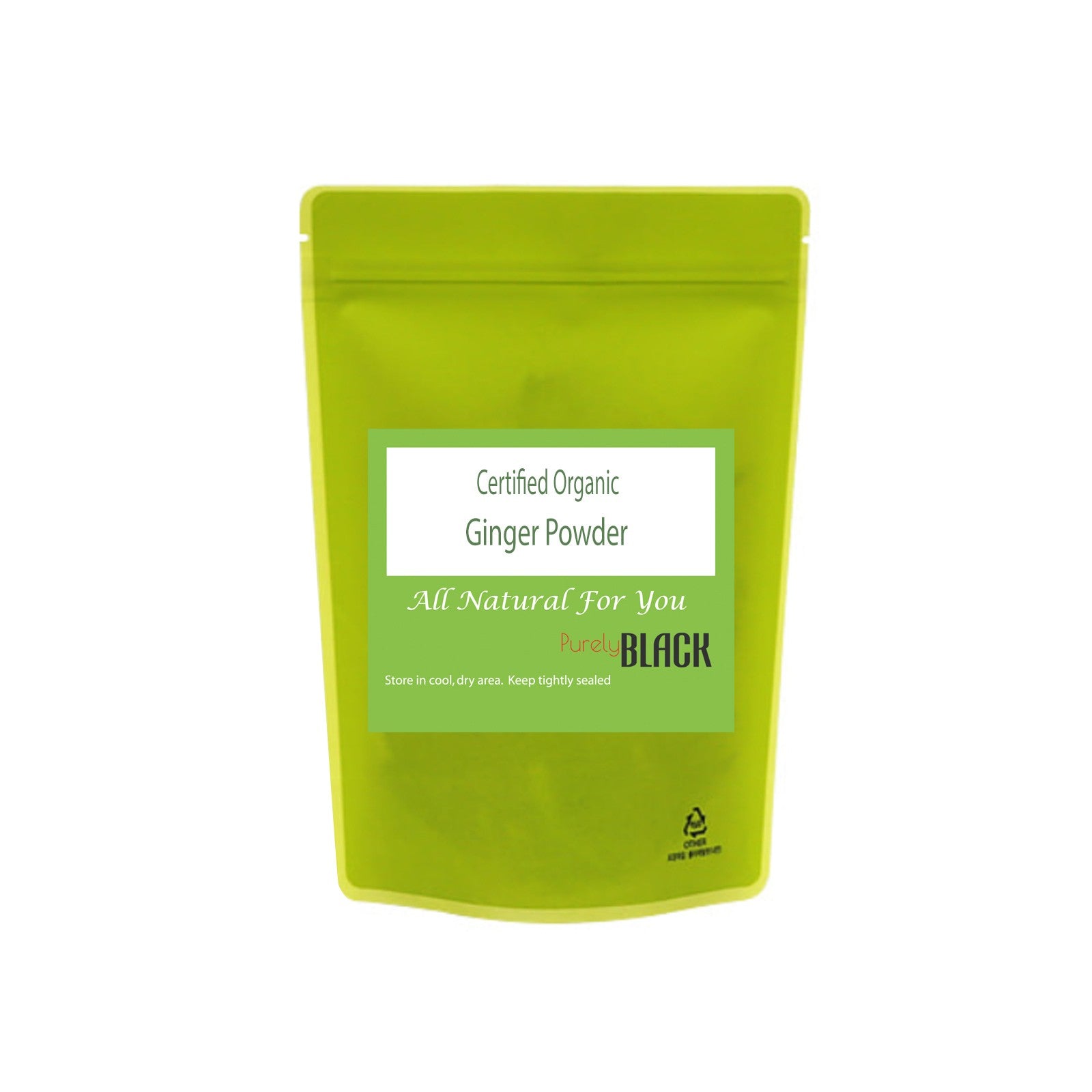
Organic ginger powder, also known as ground ginger root, is a finely milled micro-powder made from dried Zingiber officinale root, traditionally valued for supporting digestive comfort and settling an unsettled stomach. purelyBlack's ginger root powder is sourced single-origin and certified organic, with no fillers, no anti-caking agents, and nothing added. 
What's ginger powder good for?
Ginger powder is one of the most widely used culinary and traditional wellness spices in the world, with a documented history across Traditional Chinese Medicine, Ayurveda, and Unani practice spanning thousands of years. It's traditionally valued for supporting digestive comfort, settling an unsettled stomach, and providing a warming, grounding character that's commonly reached for around mealtimes or during travel. Beyond traditional wellness use, ground ginger root is also a culinary staple, appearing in baking, curries, stir-fries, marinades, and warming drinks across countless global cuisines.
Is ginger powder the same as real ginger?
Ginger powder is made from real ginger root — specifically, fresh Zingiber officinale root that's been dried and finely milled into a micro-powder. The difference lies in form and concentration, not in what it fundamentally is. Dried, powdered ginger is more concentrated by weight than fresh ginger (since the water content has been removed), has a longer shelf life, and offers a different flavour profile, generally warmer and slightly more peppery than the brighter, sharper taste of fresh ginger. Both are genuinely "real" ginger; they're simply suited to different preparations and uses.
What's the difference between ginger powder and ginger root?
| Aspect | Fresh Ginger Root | Ginger Powder (Ground Ginger Root) |
|---|---|---|
| Form | Whole or sliced fresh root | Finely milled micro-powder |
| Preparation | Grated, sliced, or simmered | Pre-dissolved and whisked into liquid |
| Shelf life | Days to a couple of weeks, refrigerated | Months, stored airtight and dry |
| Flavour | Bright, sharp, juicy | Warmer, more concentrated, slightly peppery |
| Best suited to | Stir-fries, fresh teas, juicing | Quick tonics, baking, on-the-go preparation |
Can you consume ginger powder every day?
For most healthy adults, ginger powder is generally well tolerated for daily use at standard culinary doses of ¼ to ½ teaspoon per day. Individuals taking blood-thinning medication such as warfarin should consult a healthcare practitioner before adding daily ginger to their routine, given ginger's traditional associations with mild blood-thinning properties. Those with gallstones, acid reflux, or gastroesophageal conditions should also seek professional guidance, since ginger may stimulate bile production and digestive secretions. Pregnant individuals should limit intake to no more than 1g per day and consult a midwife or obstetrician first.
Why does pure ginger root matter?
Many commercial ginger powders are cut with starch fillers such as rice flour or maize starch, or sourced from low-resin crops that have sat in bulk storage for extended periods, both of which dilute the concentration of gingerols and shogaols, the compounds traditionally associated with ginger's digestive character. This adulteration is rarely detectable by smell or colour alone, which is part of why sourcing transparency matters. purelyBlack sources single-origin ginger root micro-powder with no fillers, no anti-caking agents, and no preservatives — just the root, milled fine and packaged without adulteration.
How do you make ginger powder tea?
The pre-dissolve whisking method is the correct technique for micro-powder format — never add dry powder directly to a full cup of liquid, as it will clump on the surface rather than dissolving evenly.
- Heat the water. Bring filtered water to approximately 85-90°C using a temperature-controlled kettle, or let a freshly boiled kettle rest for 90 seconds before using. This is hot enough to draw gingerols and shogaols from the root, but just below a rolling boil to preserve the volatile aromatic compounds responsible for flavour.
- Measure your dose. Measure ¼ to ½ teaspoon of ginger powder, depending on heat tolerance, directly into the base of a wide-mouthed mug.
- Pre-dissolve into a paste. Pour 30-40ml of the heated water onto the powder and whisk immediately in small circular motions using a small frother, matcha whisk, or teaspoon, until a smooth, lump-free paste forms with no visible dry powder.
- Add the remaining water. Slowly pour in the remaining 160-170ml of heated water, continuing to stir as you pour to fully integrate the paste throughout the liquid.
- Let it rest. Allow the tea to sit undisturbed for 90 seconds, giving the gingerols and shogaols time to fully disperse and bloom into the water.
- Finish to taste. Add a squeeze of fresh lemon juice and a small pinch of cracked black pepper if desired (piperine is traditionally noted to support compound absorption). Sweeten with honey or maple syrup if preferred, then sip slowly over 10 to 15 minutes. The finished tea should be warm amber-gold, smelling fresh and sharp — never starchy or flat.
What's the best time to drink ginger powder?
- Upon waking, fasted: traditionally used to support digestive readiness and ease overnight sluggishness before breakfast
- 20-30 minutes before a main meal: the most widely recommended window, traditionally used to prime digestive secretions ahead of eating
- After a heavy meal: a half-strength preparation (around ⅛ teaspoon in 200ml warm water) is traditionally used to support settling of fullness and bloating
- During travel: ginger has a long traditional history of use around motion and travel, a common folk practice across multiple traditions
- What to avoid: large doses (½ teaspoon or more) on an empty stomach if you have a sensitive stomach, and late-night use, since the warming character may interfere with rest for some individuals
What's actually in the root?
| Constituent | What it contributes |
|---|---|
| Gingerols | The primary active compound, traditionally associated with digestive comfort and the root's characteristic peppery warmth |
| Shogaols | Formed as fresh ginger is dried, contributing to dried ginger's distinct, more concentrated heat compared to fresh root |
| Volatile oils | Naturally occurring aromatic compounds responsible for ginger's characteristic citrus-woody aroma |
What pairs well with ginger powder?
- True Cinnamon Powder is a classic warming pairing, often combined in a morning tonic for added depth and sweetness.
- Lemongrass Powder adds a bright, citrus-forward note, well suited to a post-meal digestive elixir.
Sourcing it properly
purelyBlack's organic ginger root powder is certified organic, single-origin, and milled to a fine micro-powder with no fillers, no anti-caking agents, and no preservatives — just the root, as nature intended.
About the Author: Researched & Written by H.R. Kim
Founder at purelyBlack — an Australian-owned botanical perfumery and essential oil supplier based in Sydney. Blending a deep knowledge of molecular ingredient chemistry with holistic aromatherapy, H.R. specialises in creating harmonious, safe, and effective botanical blends for natural home fragrance, cosmetic balancing, and daily wellness.
Disclaimer: The information provided in this masterclass is for educational and informational purposes only and does not constitute medical advice. purelyBlack's botanical products are not intended to diagnose, treat, cure, or prevent any disease. Always consult with a qualified healthcare practitioner before incorporating new botanical powders, teas, or roots into your daily routine, especially if you are pregnant, nursing, taking prescription medications, or have an underlying medical condition.
