

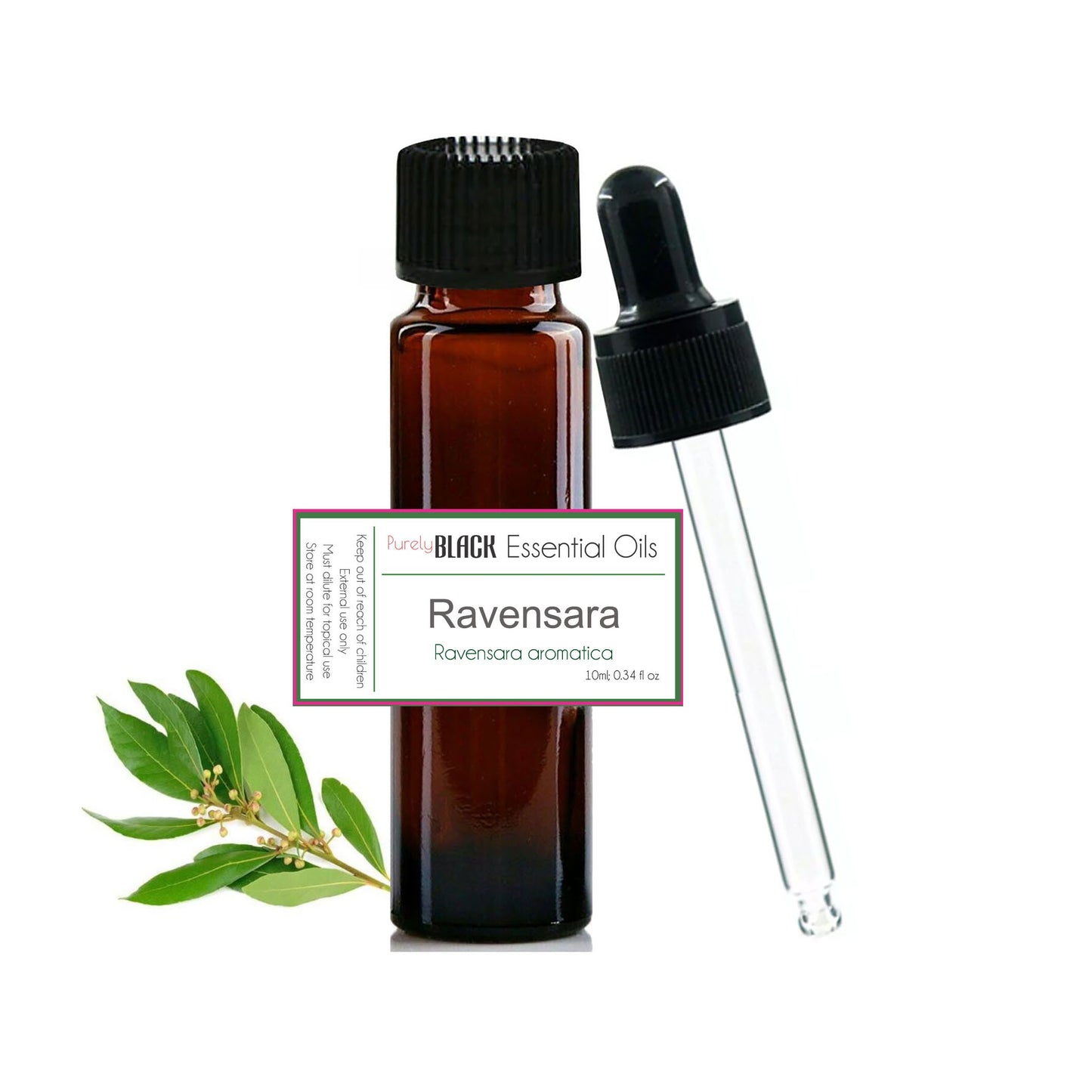






What Is Ravensara Oil Good For? — Complete Guide
What does ravensara oil smell like?
Ravensara essential oil smells crisp, camphorous, and slightly woody, combining a spicy herbaceous undertone with sweet, eucalyptus-like top notes.
- Aromatic Profile: Ravensara releases a sharp, medicinal scent balanced by subtle earthy and sweet anise-like herbal undertones.
- Top Note Characteristics: The initial aroma delivers an invigorating, fresh breeze reminiscent of mild eucalyptus and crushed pine needles.
- Base Note Nuance: As the aroma settles, warm woody undertones linger gently, creating a grounding and comforting background.


Extracted from the leaves of Ravensara aromatica, a tree native to the rainforests of Madagascar belonging to the Lauraceae family, Ravensara yields a wonderfully complex scent. Steam distillation captures both the volatile cineole-like freshness and deeper, spicy sesquiterpene compounds found within the foliage. Aromatherapists frequently recognise this unique bouquet for its ability to clear stuffy indoor spaces without overwhelming the senses.
When diffused throughout living areas, Ravensara oil creates an uplifting ambience that refreshes tired minds while purifying the sensory environment. It blends seamlessly with citrus oils, cedarwood, lavender, and frankincense to build sophisticated aromatic profiles. purelyBlack's pure ravensara oil is available as a 100% pure essential oil, dispatched from Sydney.
What is ravensara oil good for?
When seeking aromatic comfort, many people turn to ravensara oil to support clear breathing and encourage a tranquil evening atmosphere.
Ravensara essential oil serves as a versatile botanical tool in modern aromatherapy, prized for both respiratory refreshment and nervous system calm. Its distinctive chemical profile features sabinene, limonene, alpha-pinene, and methyl chavicol, according to a published phytochemical study examining leaf volatile oils. These natural constituents work synergistically to create a restoring atmosphere during times of seasonal change or everyday fatigue.
Aromatic Comfort for Seasonal Changes
During colder months when stuffy indoor air prevails, diffusing Ravensara oil helps maintain a crisp, invigorating household environment. Adding three to four drops to an ultrasonic diffuser allows the light camphorous vapours to disperse gently across bedrooms or home offices. This practice provides comforting inhalations that help the breath feel naturally open and clear.
Promoting a Restful Environment
Despite its refreshing top notes, Ravensara oil is traditionally used in botanical practice to provide comfort for mental exhaustion and nervous restlessness. Diffusing it alongside sweet floral notes like lavender helps quiet a racing mind before bedtime. The grounding woody undertones encourage a peaceful mindset, making it an exceptional addition to evening wind-down rituals.
Topical Application and Massage
When applied topically, Ravensara offers a soothing sensation across tight muscles following strenuous activity. Always dilute the botanical in a gentle carrier such as Fractionated Coconut Oil to a 2% dilution rate before massaging into the shoulders, chest, or soles of the feet. This topical routine supports a healthy complexion while delivering soothing aromatic comfort directly through the skin.


What is ravintsara essential oil good for?
When managing everyday respiratory tension, individuals frequently utilise ravintsara oil in vaporisers to refresh stagnant indoor air during seasonal shifts.
- Diffuser Refreshment: Ravintsara clears indoor air with its brisk, cineole-dominant vapour to promote free, comfortable breathing.
- Mental Focus: The brisk camphorous scent supports alert focus and clarity during tiring afternoon work periods.
- Chest Rub Dilution: Blended into Fractionated Coconut Oil, ravintsara provides warming aromatic comfort across the upper chest.
Ravintsara is distilled from the leaves of the camphor tree, Cinnamomum camphora, specifically the 1,8-cineole chemotype acclimatised in Madagascar. Because of its remarkably high cineole content—frequently exceeding 50%—it possesses an intensely fresh, medicinal fragrance akin to a gentler eucalyptus. Aromatherapy practitioners value this botanical heavily for seasonal wellness protocols and home air purification.
Beyond seasonal vaporisation, ravintsara is widely employed in revitalising body oils and morning shower steamers. Inhaling its clean vapour stimulates mental alertness, helping dispel sluggishness and brain fog. Diluted appropriately in carrier oils, it delivers a cooling touch that invigorates tired limbs after long days.
What is the difference between ravensara and ravintsara essential oil?
Ravensara and ravintsara originate from entirely different botanical species, possessing distinct chemical profiles despite their similar names and shared Malagasy origin.
Due to historical trade naming and phonetic similarity, Ravensara oil and ravintsara are often confused in commercial aromatherapy. While both plants grow abundantly in Madagascar and belong to the broad laurel family, their botanical taxonomy, primary chemical constituents, and safety considerations differ substantially. Understanding these variations ensures you select the correct oil for your specific aromatic and topical needs.
| Characteristic | Ravensara | Ravintsara |
|---|---|---|
| Botanical Name | Ravensara aromatica | Cinnamomum camphora ct. 1,8-cineole |
| Plant Part Used | Leaves and delicate bark | Leaves only |
| Primary Constituents | Sabinene, limonene, methyl chavicol | 1,8-Cineole (eucalyptol), alpha-terpineol |
| Aromatic Note | Spicy, woody, soft camphorous | Sharp, crisp, medicinal, eucalyptus-like |
| Primary Traditional Purpose | Aromatic grounding, soothing muscle massage | Air purification, seasonal chest rubs |
Ravensara offers a subtler, more intricate scent profile with noticeable aniseed and spice nuances, making it well-suited for relaxing body blends and evening diffusion. Ravintsara, by contrast, acts as a potent powerhouse of 1,8-cineole, delivering rapid respiratory refreshment and an energising punch. Both botanicals hold valuable places in a comprehensive natural apothecary.
What is the most powerful anti-inflammatory essential oil?
When seeking soothing physical comfort, many individuals turn to German chamomile and frankincense as renowned botanicals for promoting targeted calm.
In holistic botanical traditions, essential oils containing high concentrations of chamazulene, bisabolol, and sesquiterpenes are celebrated for easing topical tension. German chamomile stands out prominently due to its deep blue chamazulene content, which calms stressed skin and eases tired joints. Similarly, oils rich in soothing monoterpenes provide vital aromatic support when paired with nourishing plant carrier oils.
Ravensara oil complements these deeply calming oils exceptionally well in custom body rub formulations. Combining Ravensara with soothing floral or citrus notes enhances overall aromatic synergy while maintaining gentle comfort on the skin. Diluting these botanicals properly ensures maximum comfort without overloading delicate skin barriers.
To explore similar profiles, discover these pure purelyBlack creations: Chamomile Roman Oil, Clove Oil, and Lime Oil — each dispatched from Sydney.
Related Reading
For more on ravensara oil, see our companion guide: Aromatic Profile & Benefits of Pure Ravensara Essential Oil in Australia.
About the Author
Written by H.R. Kim
Founder at purelyBlack — an Australian-owned perfumery and botanical studio based in Sydney. H.R. specialises in scent profiling and natural ingredient sourcing, meticulously balancing premium fragrance oils and 100% pure essential oils to create elevated aromatic experiences.
Last updated: August 2026
Disclaimer: purelyBlack essential oils are for external use and aromatherapy purposes only. They are not intended to diagnose, treat, cure, or prevent any disease. Always dilute with a carrier oil before topical application and consult a healthcare professional if pregnant or under medical supervision.
