




What Is Pine Oil Good For? — Complete Guide
What is pine oil good for?
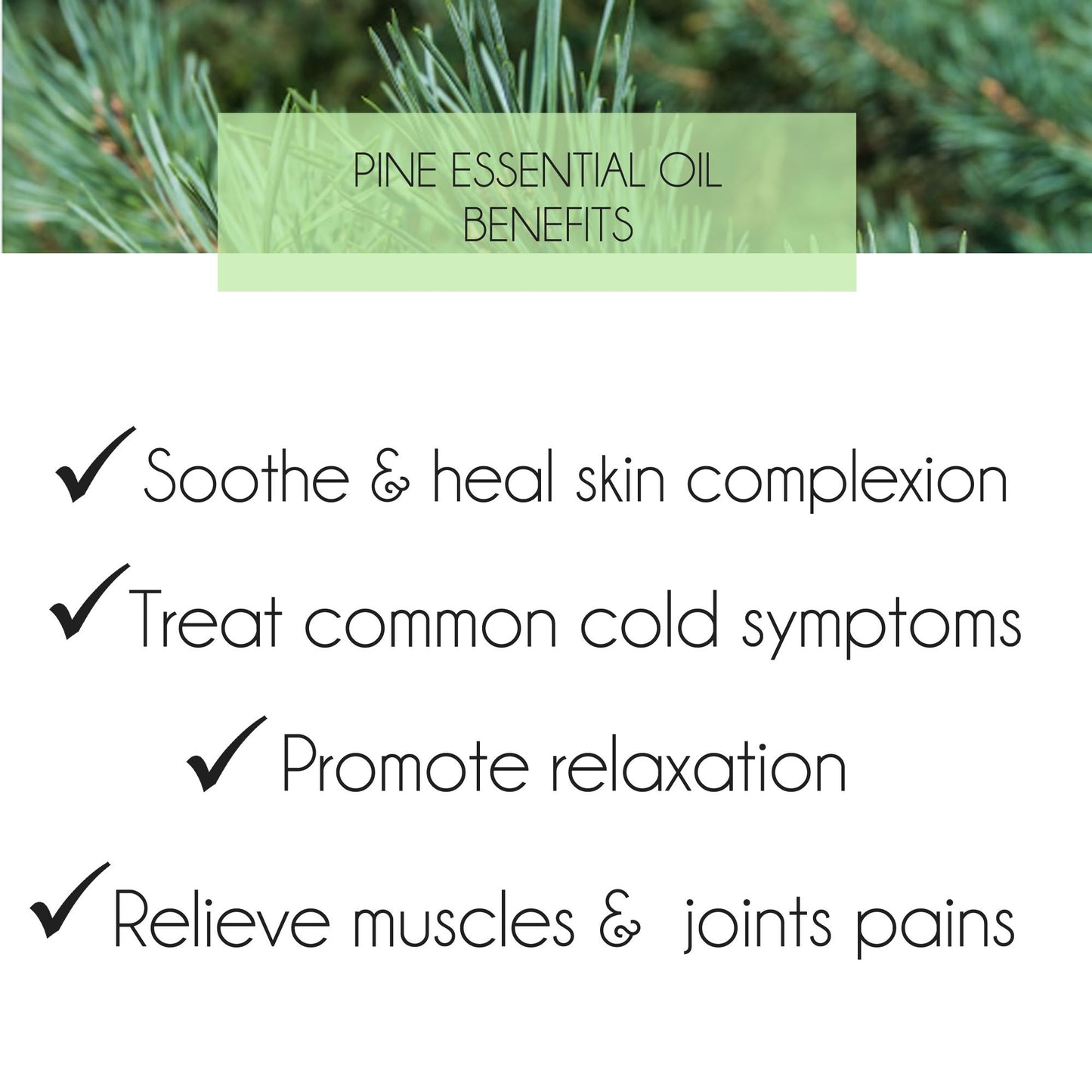
Pine essential oil is widely valued for refreshing household air, soothing tired muscles through massage, and invigorating mental focus.
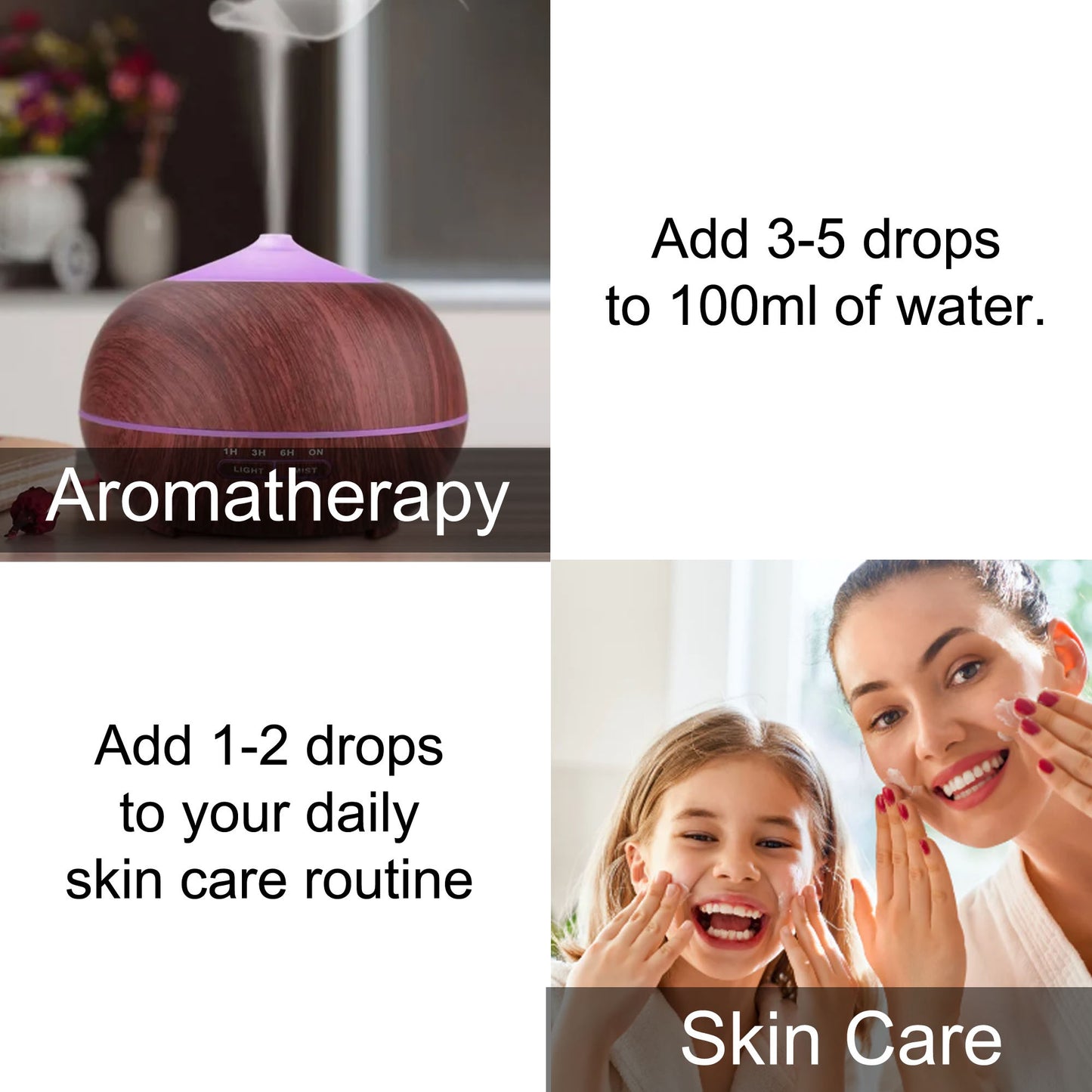
- Aromatherapy Diffusion: Diffusing pine disperses an energising, forest-fresh scent that neutralises stale domestic odours.
- Muscle Massage: Diluted pine oil rubs comfort tense areas after rigorous physical exercise.
- Surface Cleansing: Botanical cleaning sprays benefit from the natural purifying properties of pine.


Derived from the needle foliage of Pinus sylvestris, belonging to the botanical family Pinaceae, pine oil has served as a cornerstone of traditional European aromatics for generations. The plant material undergoes steam distillation to yield an aromatic extract rich in volatile monoterpenes. This brisk essence provides a crisp, woody note that clears stagnant indoor spaces and supports an active, balanced lifestyle.
In modern aromatherapy, pine essential oil is celebrated for its versatile applications across personal wellness, environmental diffusion, and natural surface maintenance. When inhaled, its grounding aroma fosters cognitive clarity during demanding work hours or study sessions. Blended into massage formulations, it delivers a warming, restorative sensation across tight shoulders and lower backs.
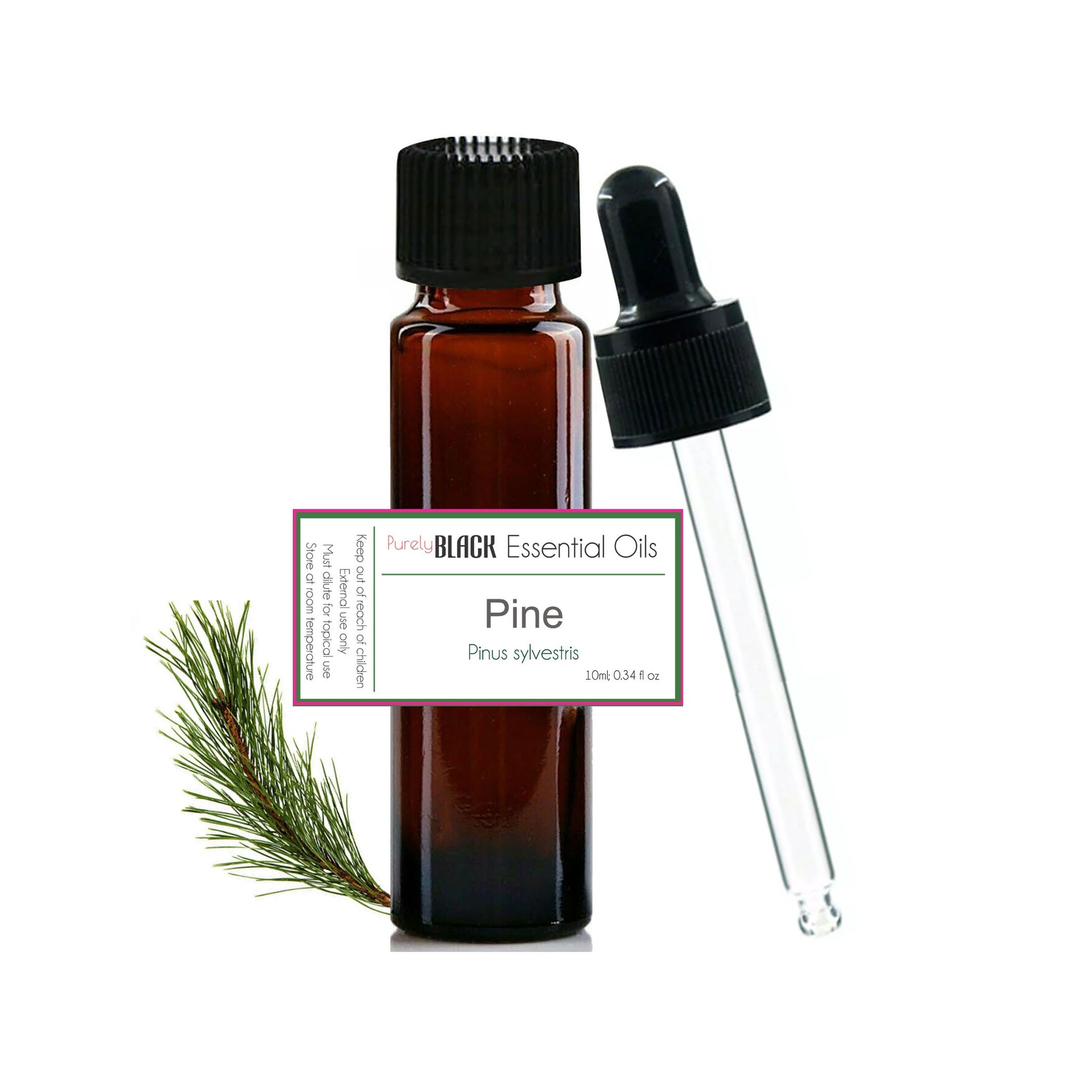
purelyBlack's pure pine oil is available as a 100% pure essential oil, dispatched from Sydney.
Can you put pine oil directly on skin?
No, pine oil should never be applied directly to skin without prior dilution in a carrier oil to prevent irritation.
Because concentrated pine essential oil contains potent monoterpene hydrocarbons, undiluted application can lead to dermal sensitisation, redness, or cutaneous discomfort. Performing a patch test on the inner forearm remains an essential safety measure before applying any new topical blend. To prepare a blend, disperse the concentrated drops thoroughly into a stable plant lipid such as Fractionated Coconut Oil or jojoba.
| Application Type | Dilution Rate | Drops per 10ml Carrier | Best Usage Context |
|---|---|---|---|
| Facial Care | 0.5% – 1.0% | 1 to 2 drops | Clarifying targeted blemish formulations |
| Full Body Massage | 1.5% – 2.0% | 3 to 4 drops | Post-workout muscle rub and circulation support |
| Targeted Joint Compress | 2.5% – 3.0% | 5 to 6 drops | Short-term localized application on tense zones |
Proper storage also plays a critical role in preserving dermal safety. When exposed to ambient heat and atmospheric oxygen, the pinene fractions in pine oil can oxidise, elevating the risk of contact dermatitis. Always secure the bottle with an airtight cap and store it in a cool, dark cabinet away from direct sunlight.


Is pine oil good for the lungs?
When experiencing seasonal congestion, many people turn to pine oil diffusion to enjoy its crisp, clarifying aromatic atmosphere.
- Steam Inhalation: Breathing warm pine vapour provides aromatic comfort during dry winter spells.
- Diffuser Diffusion: Cold-air diffusion disperses airborne pinene molecules throughout enclosed living spaces.
- Shower Drops: Placing droplets on the shower floor releases an invigorating coniferous steam.
The refreshing nature of pine essential oil stems largely from its dominant chemical constituents, notably alpha-pinene and beta-pinene. A published phytochemical study demonstrates that alpha-pinene concentrations often range between 35% and 50% in steam-distilled coniferous extracts. Inhaling these naturally occurring compounds imparts a clean, opening sensation that helps refresh stuffy indoor environments.
To practise steam inhalation safely, add one or two drops of pine to a bowl of freshly steaming water. Drape a clean cotton towel over your head, close your eyes firmly to prevent eye sting, and breathe slowly for several minutes. This classic botanical technique offers comforting moisture to the upper respiratory airways during seasonal transitions.
How to use pine oil medicinally?
Traditionally used in botanical practice to provide comfort for bodily fatigue, pine oil is commonly experienced through steam inhalation and topical massage.
Herbal traditions throughout Northern Europe and North America have long harnessed coniferous extracts for topical rubs and thermal baths. When physical exertion leaves muscles feeling stiff, combining pine essential oil with a gentle carrier oil creates a stimulating massage medium that assists local circulation. The invigorating scent simultaneously awakens the senses, counteracting mental lethargy.
For an immersive wellness experience, combine five drops of pine oil with a tablespoon of bath salts or unscented castile soap before dispersing into a warm tub. Dispersing the oil first prevents concentrated droplets from floating atop the water and irritating sensitive skin. The resulting pine-infused bath envelops the body in soothing warmth while delivering a rejuvenating aromatherapy experience.
Another popular botanical method involves blending pine with complementary forest extracts for chest rubs. Combining pine oil with woody partners creates a comforting balm suitable for application before retiring in the evening.
What are the healing properties of pine oil?
Traditionally used in botanical practice to provide comfort for aching joints, pine oil offers invigorating, cleansing, and restorative aromatic properties.
The therapeutic legacy of pine centres around its complex volatile profile, containing high levels of monoterpenes such as alpha-pinene, beta-pinene, and limonene, alongside trace esters like bornyl acetate. These natural chemical components provide notable antioxidant properties and assist in purifying the immediate environment. When used in home cleaning or passive diffusers, pine oil helps maintain hygienic, revitalised ambient spaces.
In topical body care, pine essential oil supports a healthy complexion by balancing excess cutaneous sebum and delivering a toning sensation. Many natural formulations pair pine with soothing botanicals to comfort tired feet, ease neck tightness, and refresh fatigued extremities. The enduring coniferous scent also provides emotional equilibrium during times of mental overwhelm.
For more home fragrance inspiration, read our guide on How to Make Your Home Smell Like Pine Essential Oil.
To explore similar profiles, discover these pure purelyBlack creations: Cedarwood Oil, Copaiba Oil, and Marjoram Oil — each dispatched from Sydney.
Related Reading
For more on pine oil, see our companion guides: Fresh Forest Aroma & Uses of Pure Pine Essential Oil in Australia. How to Make Your Home Smell Like Pine Oil.
About the Author
Written by H.R. Kim
Founder at purelyBlack — an Australian-owned perfumery and botanical studio based in Sydney. H.R. specialises in scent profiling and natural ingredient sourcing, meticulously balancing premium fragrance oils and 100% pure essential oils to create elevated aromatic experiences.
Last updated: August 2026
Disclaimer: purelyBlack essential oils are for external use and aromatherapy purposes only. They are not intended to diagnose, treat, cure, or prevent any disease. Always dilute with a carrier oil before topical application and consult a healthcare professional if pregnant or under medical supervision.
