
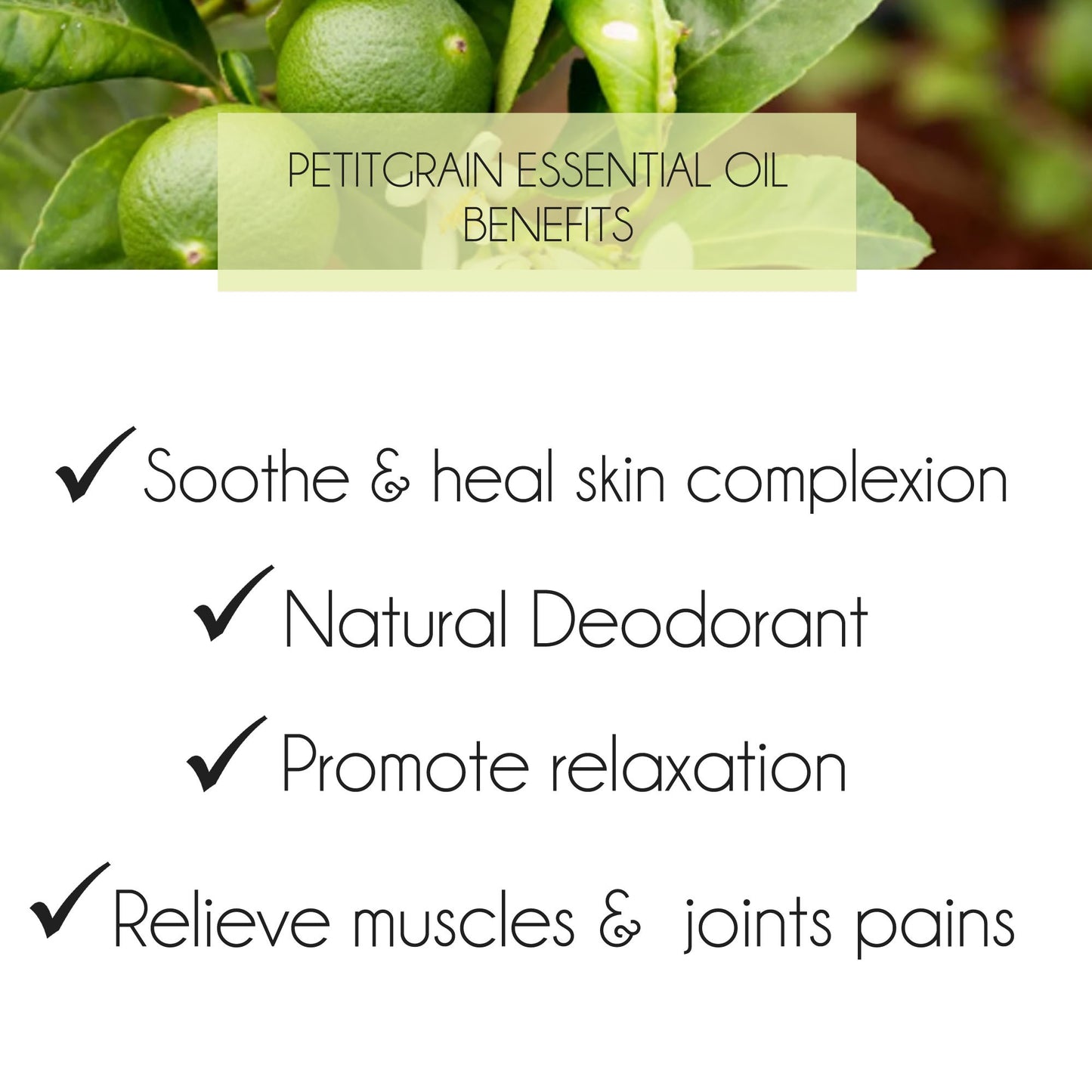
Is Petitgrain Good for Sleep, Skin and Anti-Aging?
Is Petitgrain good for sleep?
When experiencing restless nights, many people turn to petitgrain oil to cultivate a tranquil bedtime environment that supports natural relaxation.
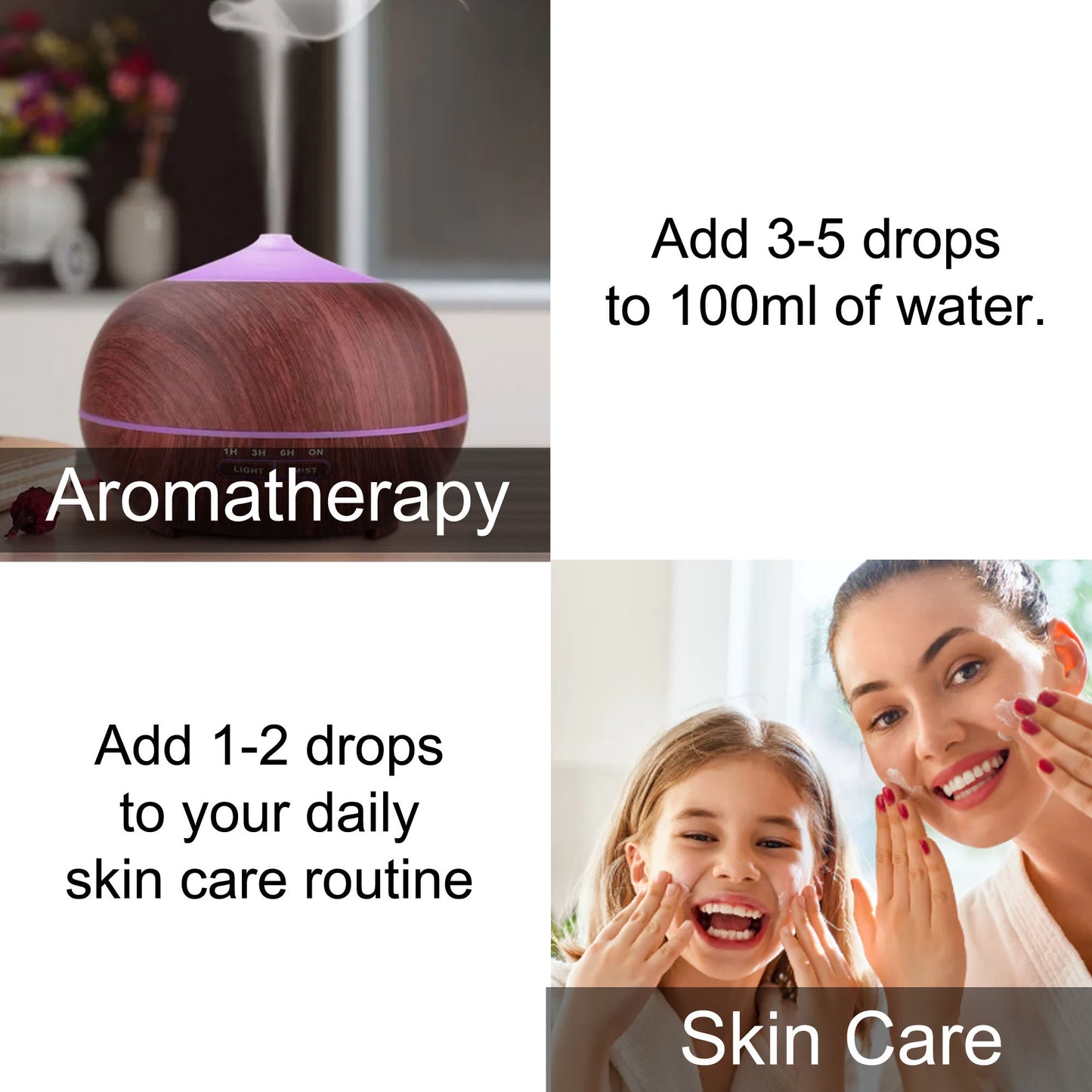
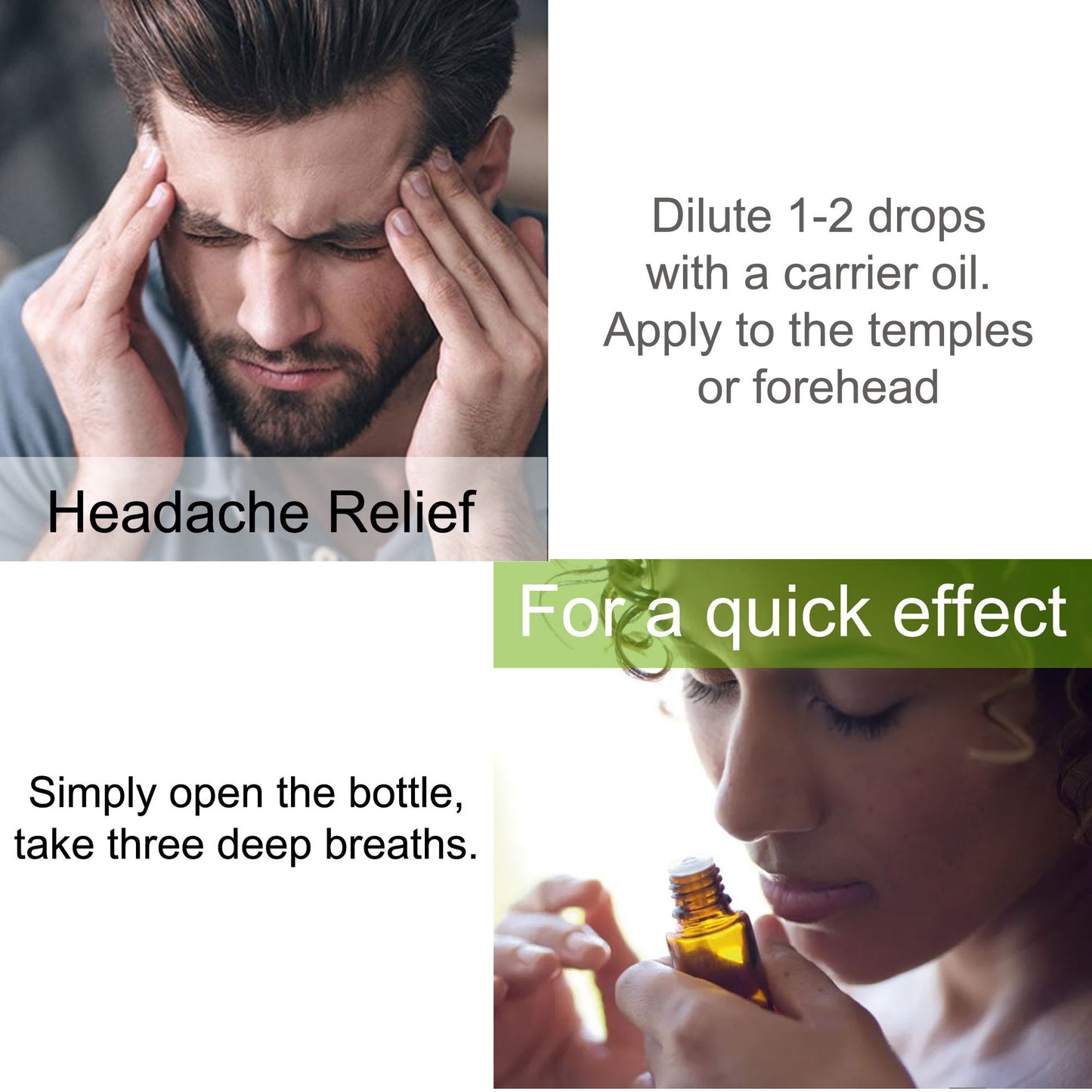
- Aromatic Diffusion: Diffuse three to five drops in the bedroom thirty minutes before bedtime to establish a serene atmosphere.
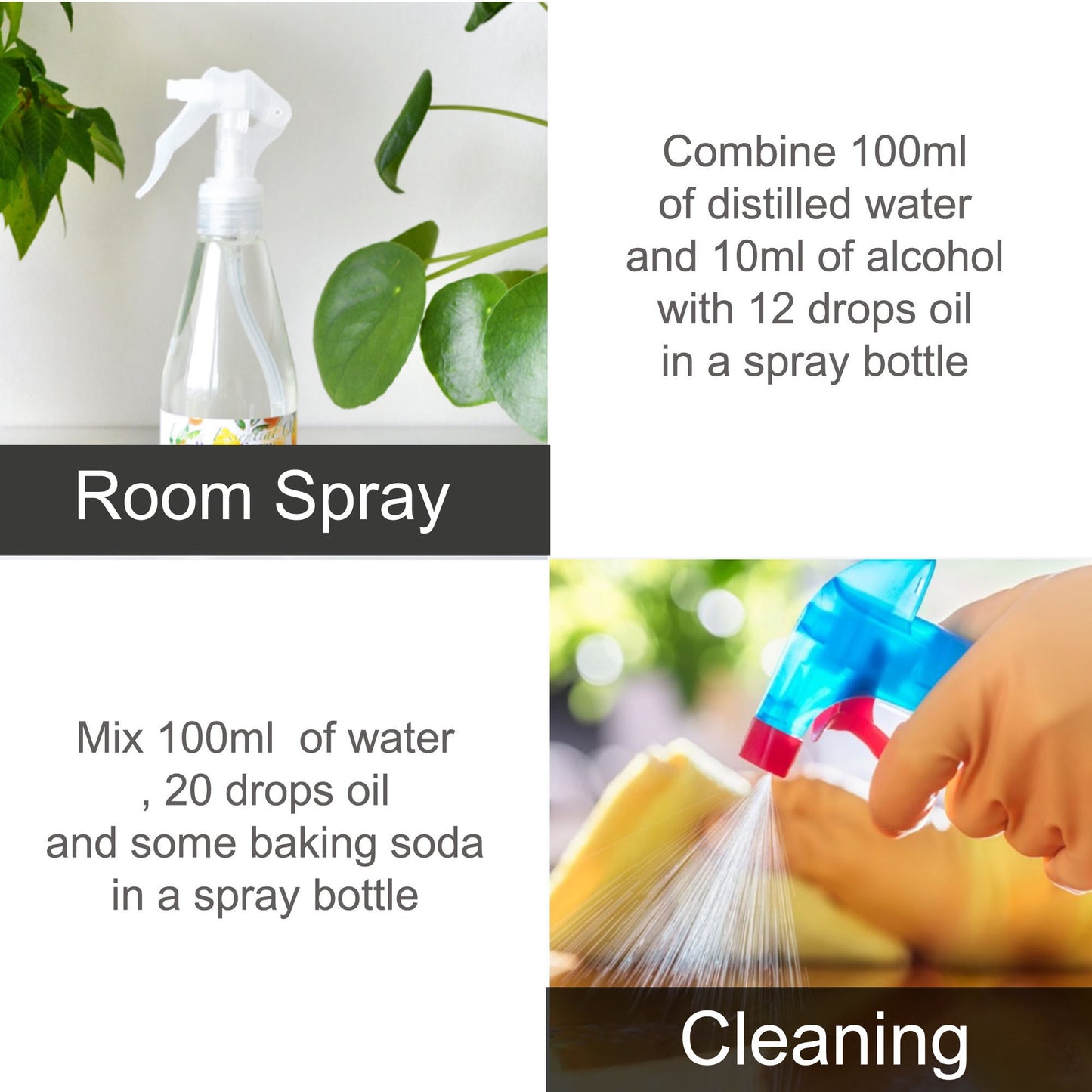
- Bedding Mist: Combine with botanical hydrosols and spritz onto pillowcases to enjoy lingering soothing woody-floral aromas throughout the evening.
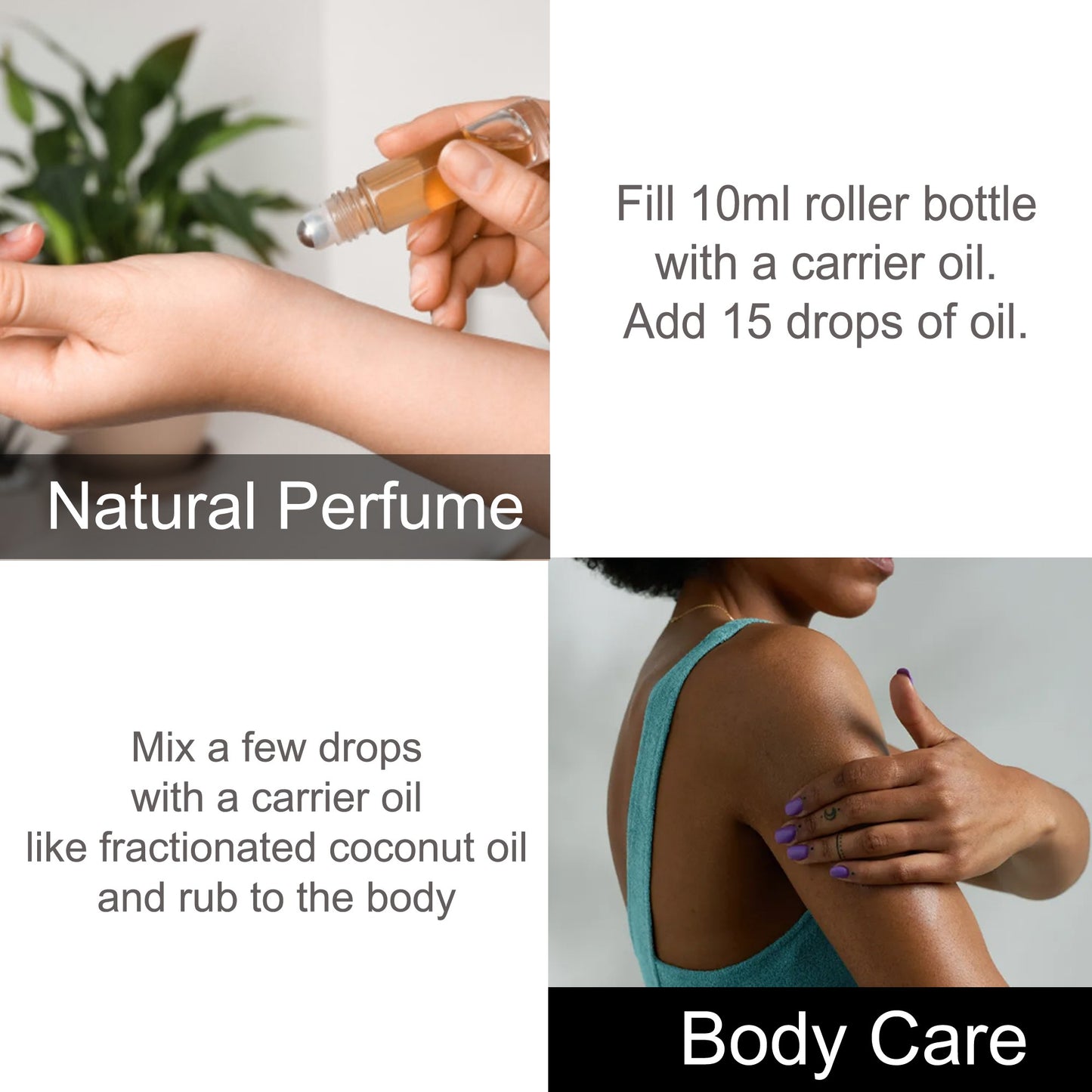
- Evening Topical Application: Dilute two drops into Fractionated Coconut Oil and massage gently onto wrists prior to sleep routines.


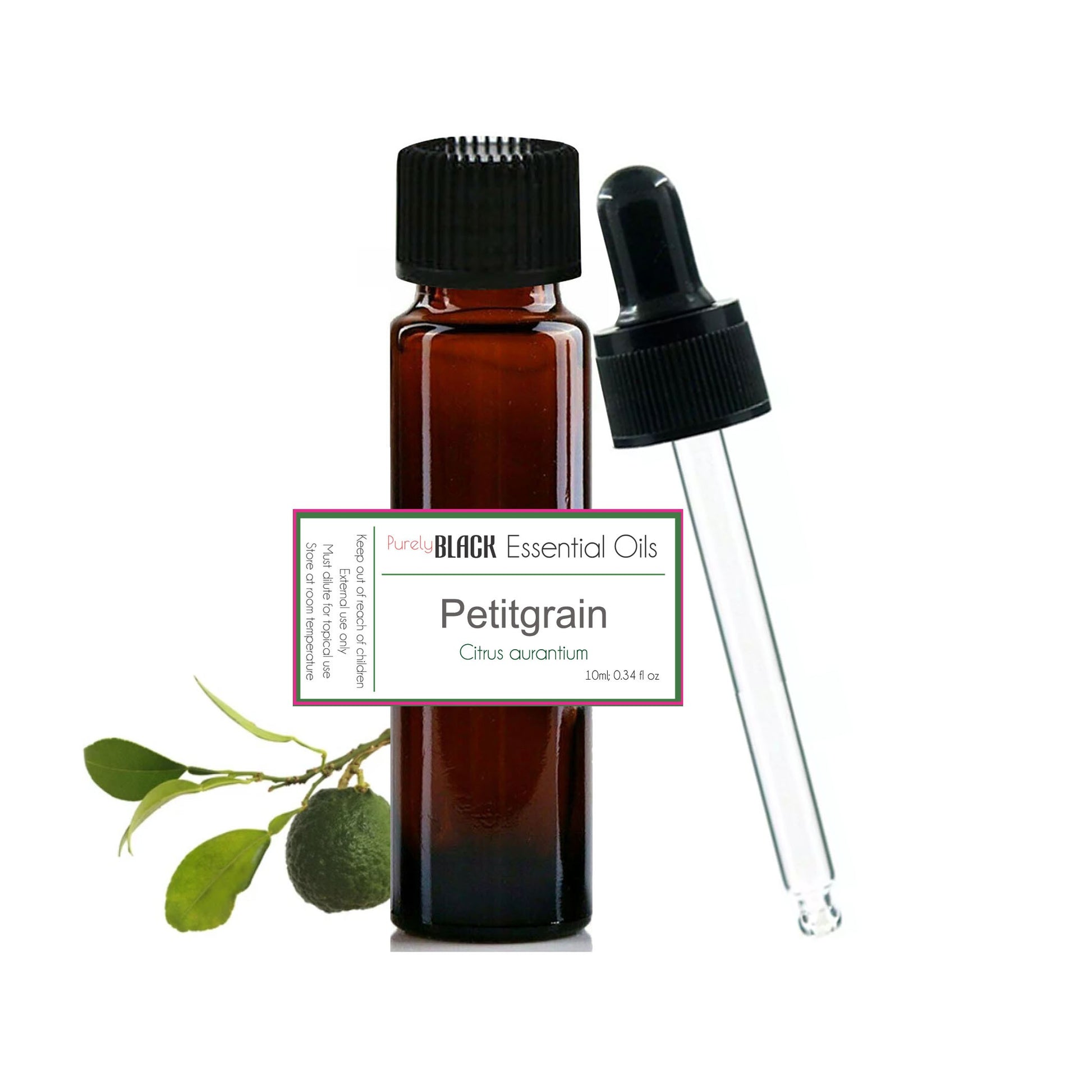
Extracted via steam distillation from the leaves and green twigs of the bitter orange tree, Citrus aurantium, Petitgrain belongs to the Rutaceae plant family. Primarily cultivated and distilled in Paraguay, this aromatic botanical produces a fresh, woody, and slightly floral fragrance. Unlike the sweet citrus scent derived from orange peels, Petitgrain provides a complex, grounding herbal scent that helps calm a chaotic environment.
The relaxing atmosphere created by Petitgrain essential oil is largely attributed to its unique ester and alcohol profile. When diffused during evening wind-down rituals, the aroma fills the room with comforting scent notes that encourage quiet mindfulness. Many aromatherapy enthusiasts like to pair Petitgrain with complementary floral or grounding oils to create custom bedtime diffuser blends.
Creating a peaceful sleep sanctuary involves consistent evening habits and soft, calming scents. Adding a few drops of Petitgrain oil to an ultrasonic diffuser converts any bedroom into a restful sanctuary. purelyBlack's pure petitgrain oil is available as a 100% pure essential oil, dispatched from Sydney.
Is Petitgrain safe for skin?
Yes, petitgrain oil is safe for topical skin application when properly diluted in a nourishing botanical carrier oil before usage.
When used with appropriate topical dilution practices, Petitgrain offers excellent clarifying benefits for everyday skincare. It is particularly valued for its ability to balance surface skin oiliness, making it a popular addition to formulations designed for congested or blemish-prone complexions. Because Petitgrain essential oil is steam-distilled from leaves rather than cold-pressed from citrus rinds, it contains negligible levels of phototoxic furanocoumarins and carries a low risk of sun sensitivity.
To safely introduce Petitgrain into your beauty regimen, always perform a patch test on a small area of skin, such as your inner forearm. For facial applications, maintain a low concentration of roughly 0.5% to 1%, which equals one or two drops per two teaspoons of carrier oil. Mixing Petitgrain oil into botanical facial cleansers or combining it with alcohol-free Organic Witch Hazel Extract creates a refreshing toner that tightens the appearance of enlarged pores.
Regular use of diluted Petitgrain supports a clear, balanced skin complexion without stripping away natural moisture. It pairs exceptionally well with lightweight skin oils like jojoba or squalane. Always ensure essential oils are thoroughly blended into skin-loving bases before applying them to delicate facial areas.


Which essential oil is like Botox?
While no botanical extract reproduces medical injections, frankincense and petitgrain oil are widely favored for supporting youthful, firm-looking skin texture.
- Skin Tightening: Petitgrain oil acts as a natural botanical astringent that helps refine pores and tone loose skin texture.
- Cellular Moisture: Combining botanical oils with rich carrier bases helps smooth fine lines caused by surface skin dehydration.
- Antioxidant Protection: Plant compounds defend skin against environmental oxidative stress that accelerates premature signs of cutaneous aging.
In clean beauty circles, botanical oils are frequently compared to clinical anti-aging treatments due to their skin-toning properties. However, essential oils work through entirely different mechanisms than cosmetic injections. Rather than relaxing underlying facial muscles, botanical extracts nourish the upper dermal layers, enhance hydration retention, and improve overall skin surface feel.
Petitgrain essential oil stands out in natural anti-aging routines due to its rich content of linalyl acetate and natural antioxidants. These chemical constituents work synergistically to provide aromatic comfort while toning tired, sagging skin. Incorporating Petitgrain into nightly facial oils helps restore an even, radiant texture while protecting against urban environmental stressors.
For an age-defying nightly serum, blend two drops of Petitgrain with frankincense and spritz your face with natural hydrosols like Organic Rosewater. This layered hydration approach seals in essential moisture and improves skin elasticity over time. Consistent topical care with botanical extracts fosters a glowing, youthful skin appearance naturally.
What are the side effects of Petitgrain?
Mild skin irritation or localized allergic contact dermatitis may occur if petitgrain essential oil is applied undiluted or on sensitive skin.
Although Petitgrain is considered one of the gentlest citrus-derived botanical oils, improper use can still cause mild skin reactions. Applying undiluted essential oils directly to the skin increases the risk of redness, burning, or allergic sensitization. Furthermore, essential oils that have undergone oxidation due to heat, light, or air exposure are significantly more irritating to sensitive skin.
Chemical analysis indicates that authentic distillates contain high proportions of volatile esters and monoterpenols. A published phytochemical study reveals that linalyl acetate typically constitutes 40% to 60% of the oil, alongside 15% to 30% linalool. While these compounds provide delightful aromatic qualities, aged linalool can form sensitizing hydroperoxides when exposed to oxygen over long periods.
To minimize potential side effects, always store your Petitgrain essential oil in a tightly sealed dark glass bottle in a cool, dark room. Discontinue use immediately if rash or inflammation develops during topical application. Keeping your essential oil bottles away from direct sunlight preserves their purity and prevents unwanted chemical degradation.
What is the strongest essential oil for sleep?
When seeking night-time relaxation, lavender and spikenard are traditionally recognised as botanical options that promote an exceptionally tranquil environment.
| Essential Oil | Aromatic Profile | Best Blend Partners |
|---|---|---|
| Spikenard | Deeply earthy, woody, and resinous | Lavender, Frankincense, Vetiver |
| Lavender | Sweet floral, herbaceous, fresh | Petitgrain, Bergamot, Cedarwood |
| Petitgrain | Fresh woody-citrus, slightly floral | Spikenard, Orange, Ylang Ylang |
| Niaouli | Fresh, camphoraceous, clarifying | Eucalyptus, Tea Tree, Lavender |
Different botanical species offer distinct scent profiles that suit varying bedtime preferences. Oils rich in heavy sesquiterpenes, such as spikenard, offer intense earthy notes that ground the senses before rest. For individuals who prefer herbal aromas over sweet florals, Petitgrain oil serves as an ideal intermediate choice.
Blending complementary oils often creates a more robust scent experience than diffusing a single extract. Combining lavender with Petitgrain creates a harmonious balance of floral and woody notes that relaxes the mind. Tailoring your night-time essential oil blends ensures an inviting atmosphere conducive to restorative sleep.
What essential oils should not be mixed together?
Potent spicy oils like cinnamon bark should not be mixed freely with intense skin irritants or combined without proper dilution ratios.
Essential oils do not cause hazardous chemical explosions or toxic neutralization when combined, but mixing incompatible oils can cause skin sensitivity or overwhelming aromas. Potent "hot" oils containing high phenolic levels—such as oregano, thyme, and cinnamon—should never be combined with each other in high concentrations for skin application. Mixing multiple skin-irritating oils dramatically elevates the risk of topical contact reactions.
From an aesthetic perspective, mixing oils with drastically clashing scent profiles can result in muddy, unappealing fragrances. Heavy medicinal oils like niaouli can overpower delicate floral notes like jasmine or honeysuckle if not balanced with care. When experimenting with new recipes, start by mixing single drops on a scent strip before filling your diffuser or carrier base.
For a complete range of botanical options, explore Pure Essential Oils Australia to find pure single notes and pre-formulated blends. For a detailed breakdown of botanical uses and blending techniques, explore our companion guide: What Is Petitgrain Essential Oil Used For? Benefits Guide.
To explore similar profiles, discover these pure purelyBlack creations: Melissa Oil, Coriander Oil, and Manuka Oil — each dispatched from Sydney.
Related Reading
For more on petitgrain oil, see our companion guides: Understanding Pure Petitgrain Essential Oil vs. Neroli in Australia. What Is Petitgrain Oil Used For? Benefits Guide.
About the Author
Written by H.R. Kim
Founder at purelyBlack — an Australian-owned perfumery and botanical studio based in Sydney. H.R. specialises in scent profiling and natural ingredient sourcing, meticulously balancing premium fragrance oils and 100% pure essential oils to create elevated aromatic experiences.
Last updated: August 2026
Disclaimer: purelyBlack essential oils are for external use and aromatherapy purposes only. They are not intended to diagnose, treat, cure, or prevent any disease. Always dilute with a carrier oil before topical application and consult a healthcare professional if pregnant or under medical supervision.
