





Is Palo Santo Safe to Use? Side Effects and Ethics Guide
What are the side effects of palo santo?
Side effects of palo santo oil include skin irritation, headache from intense aroma, or respiratory sensitivity if used undiluted or unventilated.
- Skin Sensitivity: Topically applying unrefined Palo Santo oil directly to sensitive skin may trigger acute contact dermatitis or redness.
- Aromatic Overexposure: Diffusing Palo Santo essential oil in unventilated rooms can cause mild headaches or airway tightness for sensitive individuals.
- Oxidised Oil Risks: Aged Palo Santo oil with oxidized limonene poses a higher likelihood of causing localized skin sensitization.


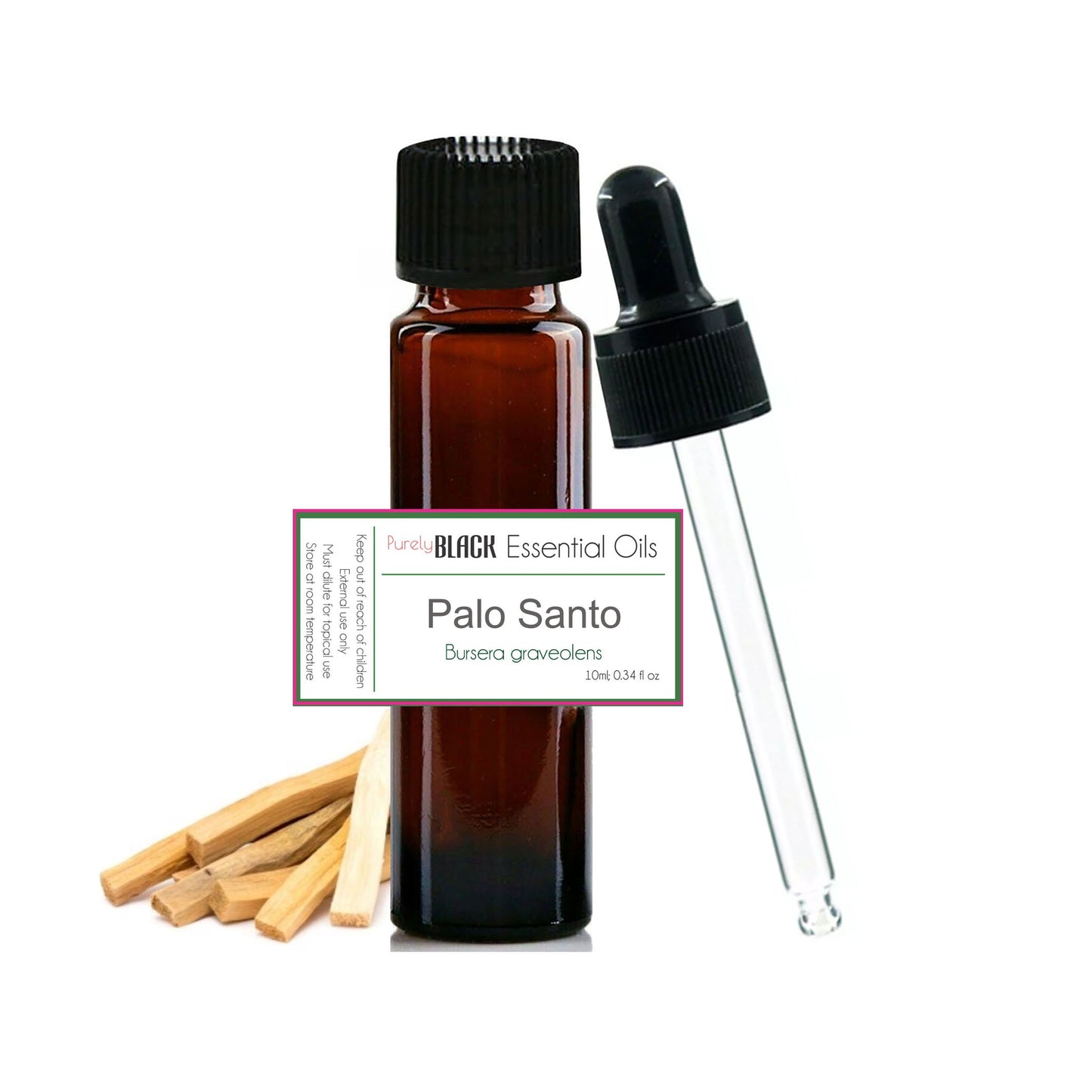
Palo Santo essential oil is steam distilled from the heartwood of Bursera graveolens, a sacred tree belonging to the Burseraceae family native to South America. While generally gentle when used properly, concentrated botanical extracts can cause adverse skin reactions if applied without adequate carrier dilution. Performing a cutaneous patch test prior to widespread application helps safeguard against localized sensitivity.
High concentrations of volatile terpene compounds mean that inhalation should always take place in well-ventilated indoor spaces. Individuals with asthma or seasonal respiratory allergies ought to exercise care during active continuous room diffusion. Storing your essential oil bottle away from direct sunlight preserves its chemical stability over time.
purelyBlack's pure palo santo oil is available as a 100% pure essential oil, dispatched from Sydney.
Why is palo santo so powerful?
Palo santo is powerful due to its rich concentration of limonene and alpha-terpineol, offering strong aromatic grounding and atmospheric cleansing properties.
Chemical Composition and Terpene Profile
The distinctive potency of Palo Santo oil lies in its unique biochemical architecture. Naturally occurring monoterpenes create a resonant aroma that fills living spaces quickly with warm, sweet, citrus-wood notes. A published phytochemical study confirms that high-grade heartwood extracts contain between 60% and 75% limonene alongside alpha-terpineol and menthofuran.
These naturally occurring constituent molecules interact synergistically to generate a complex sensory profile that promotes mental clarity. Unlike synthetic home fragrances, authentic Palo Santo essential oil offers a rich botanical aroma that lingers subtly in room atmospheres without artificial heavy residues.
Botanical Sourcing and Heartwood Maturation
This botanical power also stems from the slow natural curing process required before steam distillation can take place. The heartwood must rest undisturbed on the dry forest floor for several years following a natural branch drop. During this aging period, natural enzymatic processes transform raw plant resins into its signature grounding scent.
Distilling fresh living branches yields an inferior oil profile lacking the character of properly cured heartwood. Allowing the timber to complete its natural life cycle maximizes the aromatic depth prized in modern aromatherapy.


Why should we stop using Palo Santo?
Concerns stem from overharvesting wild trees, habitat destruction, and cultural misrepresentation when wild wood is harvested unethically or illegally.
- Illegal Deforestation: Poaching young living Palo Santo trees damages fragile tropical dry forest ecosystems throughout South America.
- Socio-Cultural Exploitation: Commercialization without indigenous compensation undermines traditional spiritual practices tied to sacred wood gathering.
- Market Adulteration: High global demand encourages unethical vendors to sell synthetic substitutes or improperly harvested wood distillate.
Rapidly expanding global demand has historically fueled unsustainable logging across dry forest habitats in Ecuador and Peru. Cutting down living trees disrupts regional biodiversity and destroys nesting environments for native bird populations. Furthermore, harvesting live wood yields a inferior oil lacking the aromatic balance of aged heartwood.
Consumers are encouraged to reject unverified Palo Santo wood products that lack documented origins or ethical harvest credentials. Choosing verified Palo Santo oil ensures that wild ecosystems remain protected while discouraging destructive commercial poaching.
Is it unethical to use Palo Santo?
No, using sustainably harvested palo santo oil from naturally fallen branches or cultivated reforestation projects in Ecuador and Peru is ethical.
Sustainable Harvest Practices
Ethical producers partner directly with certified forestry management programs across South America. These regulatory framework rules mandate that only naturally fallen timber and dead branches may be collected for oil extraction. This sustainable model protects wild populations while providing stable economic opportunities for regional agricultural communities.
Additionally, large-scale reforestation initiatives plant thousands of saplings annually across degraded dry forest terrain. Restoring native woodland guarantees that future generations can benefit from this revered botanical resource without threatening local biodiversity.
Ethical Sourcing and Indigenous Partnerships
Respecting local traditions involves honoring indigenous communities who have stewarded these forests for centuries. Ethically produced Palo Santo oil supports fair wages and community-led conservation initiatives in primary growing areas. Transparency across the supply chain transforms everyday aromatherapy into a conscious act of ecological support.
When selecting Palo Santo oil in Australia, checking batch traceability ensures your botanical practices align with responsible trade standards. Supporting ecological harvesting protects wild dry forests while preserving valuable cultural heritage.
How to use Palo Santo respectfully?
Respectful use involves purchasing certified naturally fallen wood oil, honoring indigenous traditions, and practicing mindful, intentional aromatic application.
Topical Application and Safe Dilution
Using Palo Santo oil respectfully extends to personal safety and proper application methods. Always mix concentrated essential oils into a suitable carrier base before applying them to your wrist pulse points or neck. Blending 2 to 3 drops of oil into 10 mL of Fractionated Coconut Oil creates a smooth skin application serum.
Mindful application transforms your personal wellness routine into an intentional sensory ritual. Taking a quiet moment to appreciate the natural origin of the plant deepens your overall aromatherapy experience.
| Application Method | Recommended Ratio | Best Practice & Safety |
|---|---|---|
| Diffuser Aroma | 3–5 drops per 100 mL water | Diffuse in 30-minute intervals in well-ventilated areas. |
| Topical Pulse Serum | 1–2% dilution in carrier oil | Perform patch test on forearm 24 hours prior to full use. |
| Meditation Mist | 10 drops in 50 mL witch hazel & water | Shake spray bottle before misting room atmosphere. |
Aromatic Diffusion and Atmospheric Cleansing
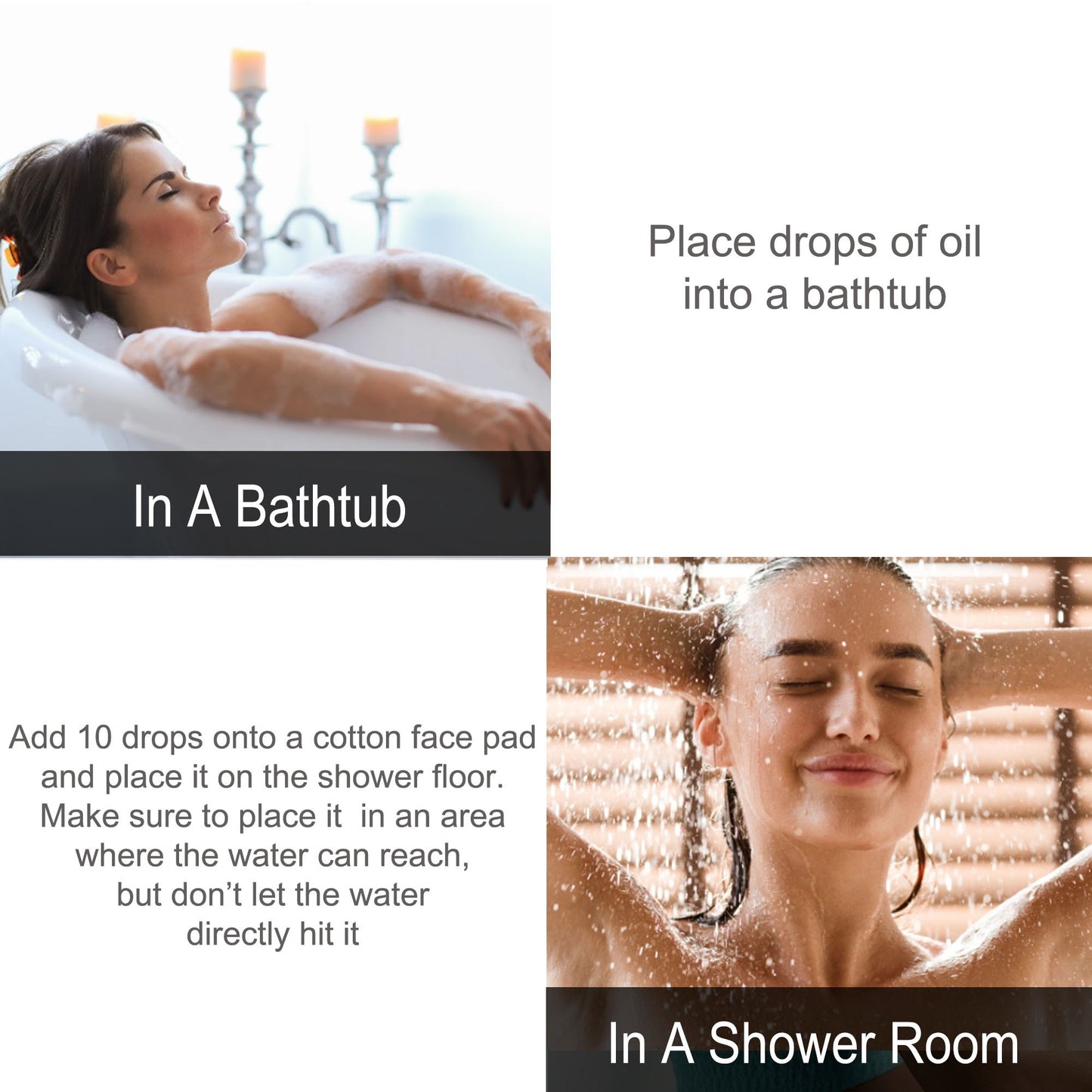
Aromatic diffusion allows you to enjoy the uplifting scent without burning raw heartwood timber or producing heavy wood smoke. Adding a few drops to your ultrasonic room diffuser creates a tranquil environment suitable for quiet evening reflection. This method delivers pure botanical benefits while minimizing physical resource consumption.
Blending Palo Santo with complementary essential oils like Labdanum, Grapefruit, Melissa, or Wintergreen creates a harmonised aroma profile. Combining complementary botanicals expands your sensory palette while honoring the precious raw material.
Does Palo Santo have any health benefits?
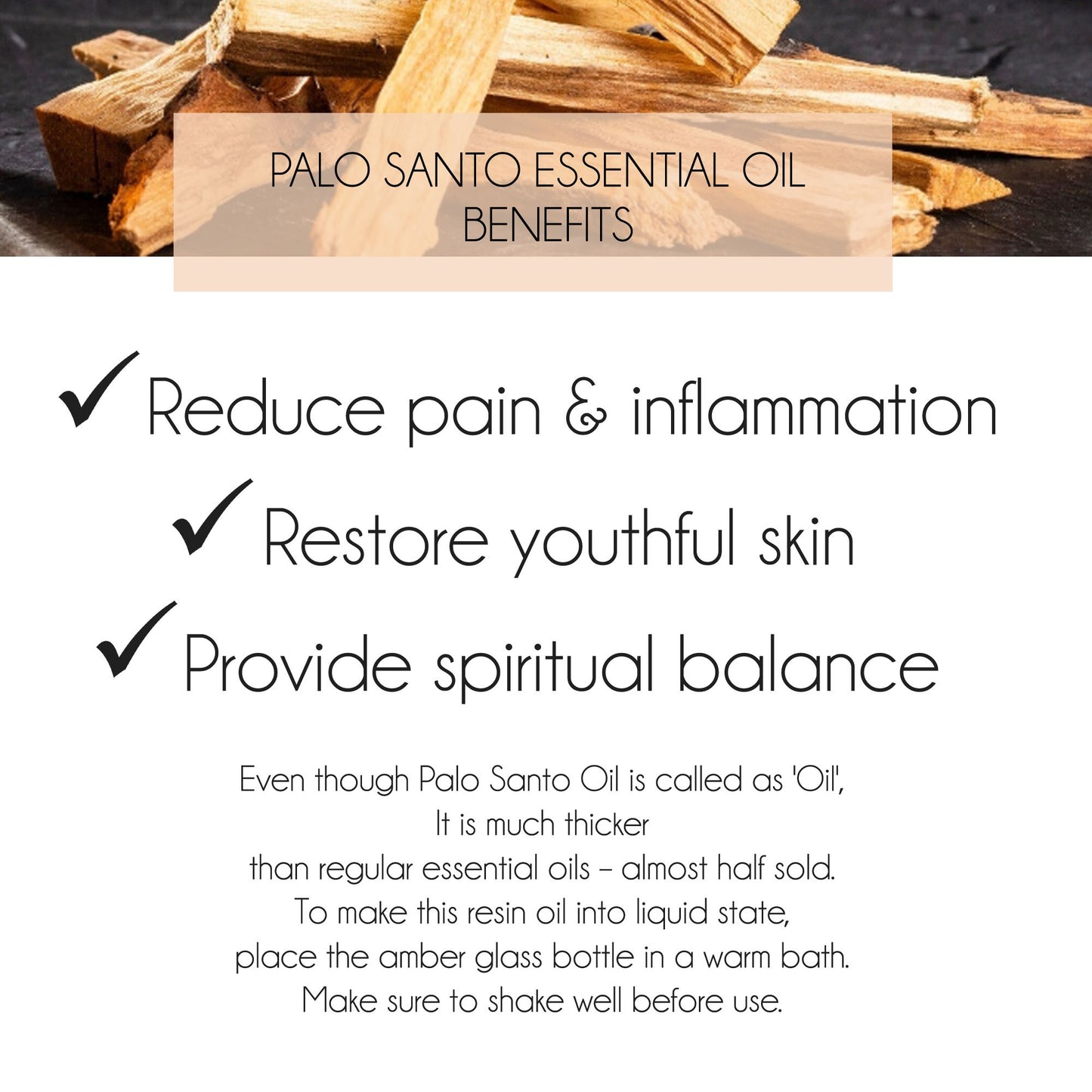
When experiencing discomfort or tension, many people turn to palo santo oil as it traditionally provides comforting aromatic support for relaxation.
Traditional Comfort and Botanical Practice
Traditionally used in botanical practice to provide comfort for mental fatigue, the rich scent supports a balanced mindset during demanding routines. Diffusing the oil throughout living areas promotes a tranquil atmosphere that helps ease everyday stress. The sweet, woody notes offer comforting aromatic qualities after long physical or mental work.
Inhaling the delicate diffusion vapor provides aromatic comfort that encourages quiet relaxation. Incorporating this grounding essential oil into your evening wind-down routine supports an inviting setting for restful sleep.
Skincare and Complexion Support
Beyond atmospheric diffusion, Palo Santo oil supports a healthy complexion when blended into lightweight facial oils or body lotions. Its natural terpene compounds help soothe dry skin patches while balancing surface oil production. Incorporating a single diluted drop into daily skincare routines promotes skin vitality and natural glow.
Always maintain minimal dilution levels to ensure optimum comfort for delicate facial skin. Using pure botanical preparations maintains gentle nourishing care across all skin types.
For a deeper exploration into spiritual cleansing practices, read our guide on What Is Palo Santo Oil Used For? Benefits and Spiritual Uses.
To explore similar profiles, discover these pure purelyBlack creations: Peru Balsam Oil, Black Spruce Oil, and Patchouli Oil — each dispatched from Sydney.
Related Reading
For more on palo santo oil, see our companion guides: Aromatic & Traditional Uses of Pure Palo Santo Essential Oil in Australia. What Is Palo Santo Oil Used For? Benefits and Spiritual Uses.
About the Author
Written by H.R. Kim
Founder at purelyBlack — an Australian-owned perfumery and botanical studio based in Sydney. H.R. specialises in scent profiling and natural ingredient sourcing, meticulously balancing premium fragrance oils and 100% pure essential oils to create elevated aromatic experiences.
Last updated: August 2026
Disclaimer: purelyBlack essential oils are for external use and aromatherapy purposes only. They are not intended to diagnose, treat, cure, or prevent any disease. Always dilute with a carrier oil before topical application and consult a healthcare professional if pregnant or under medical supervision.
