


Is Palmarosa Oil Good for Face, Skin and Hair?
Is palmarosa oil good for the face?
Yes, Palmarosa oil supports a healthy complexion by balancing moisture levels and managing surface oil for both oily and dry skin types.
- Moisture Balance: It helps regulate natural sebum production to maintain soft, comfortably hydrated facial skin.
- Complexion Support: The oil refreshes tired skin, promoting a natural, healthy radiance across diverse complexions.
- Gentle Nourishment: When combined with suitable carrier oils, it provides comforting botanical care for daily routines.


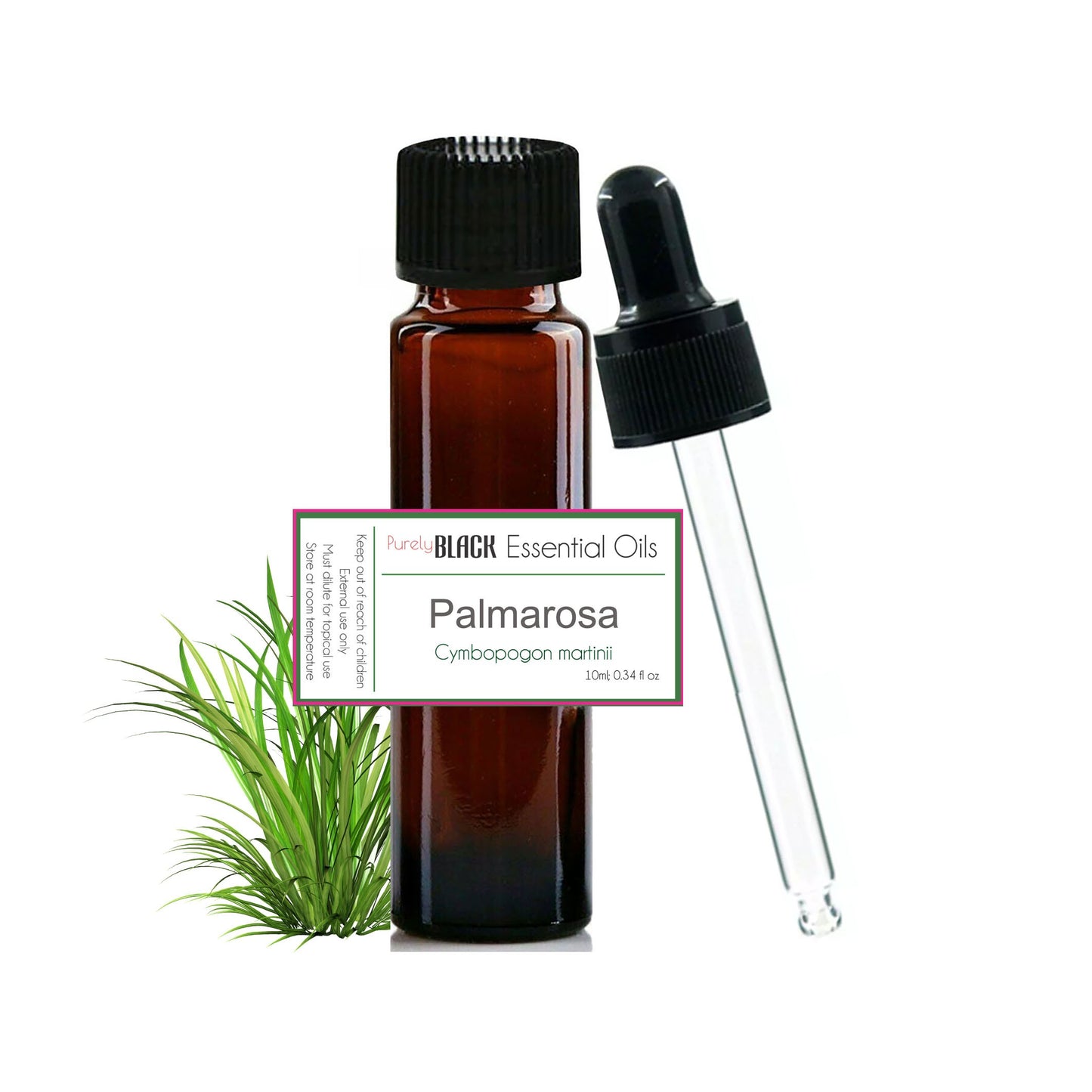
Extracted from the tropical grass species Cymbopogon martinii, which belongs to the Poaceae plant family, Palmarosa oil is produced via steam distillation of the freshly harvested leaves. Originating primarily from India, this tall aromatic grass produces an essential oil long celebrated in holistic beauty practices. When incorporated into daily facial skincare routines, Palmarosa oil delivers subtle botanical hydration without clogging pores or feeling heavy on the skin.
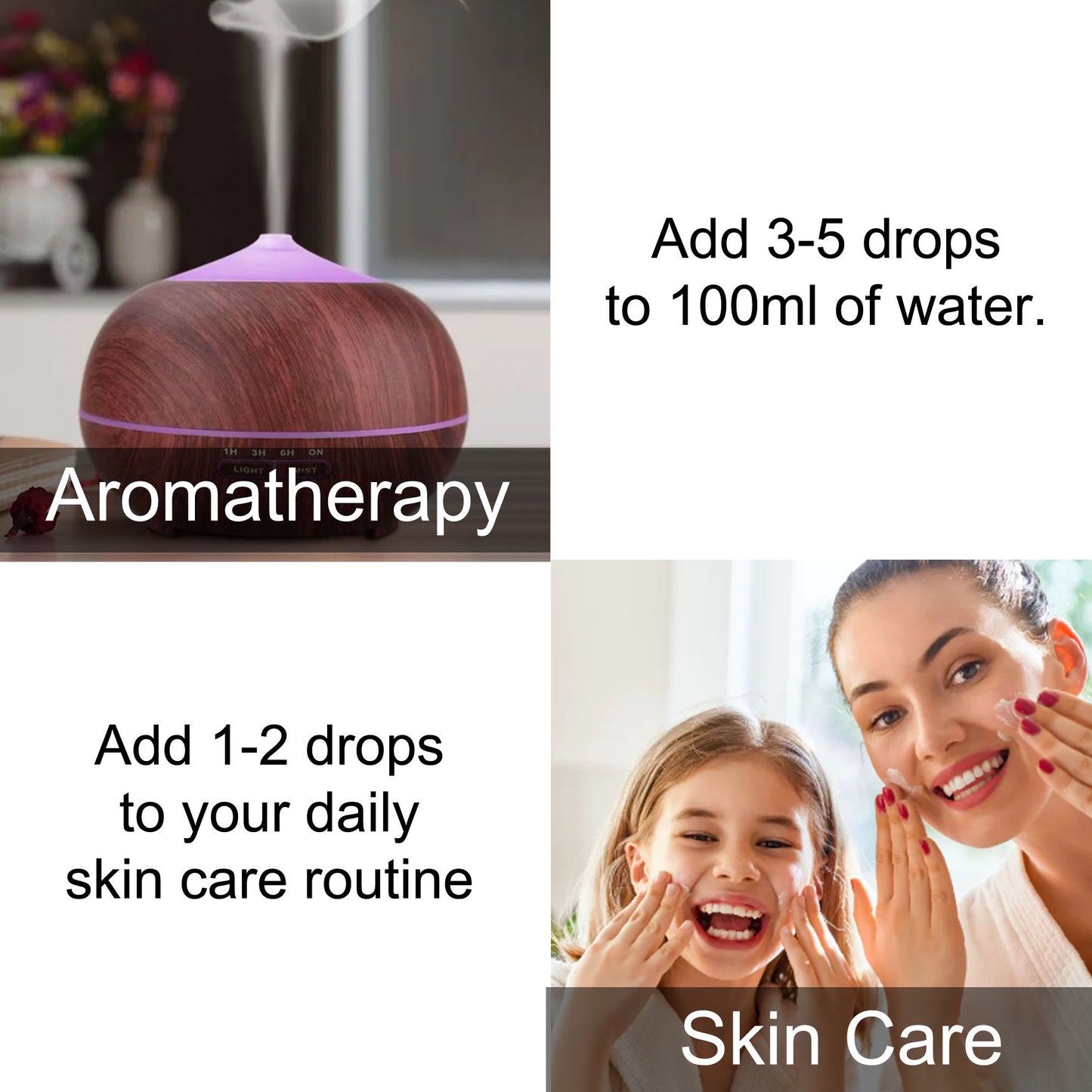
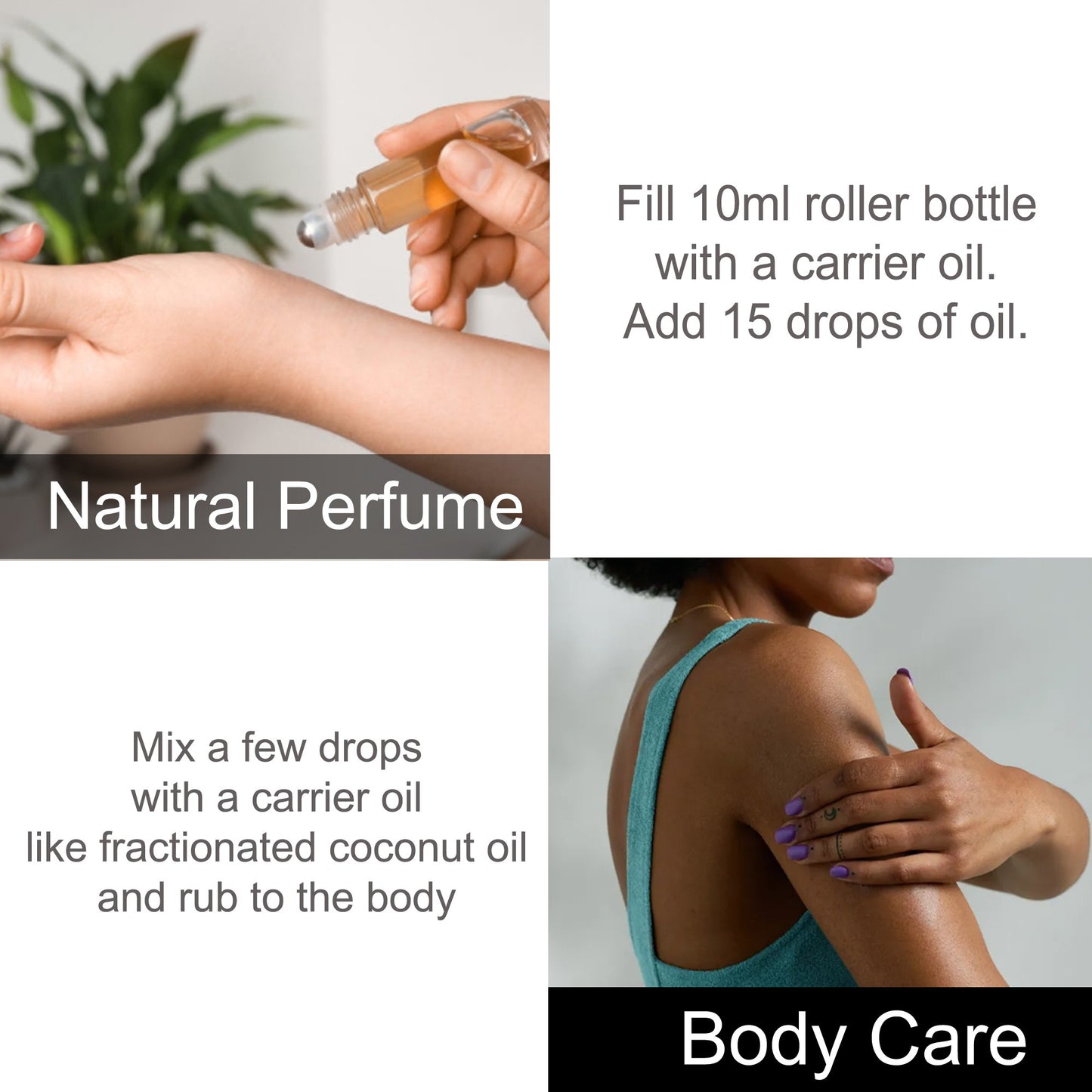
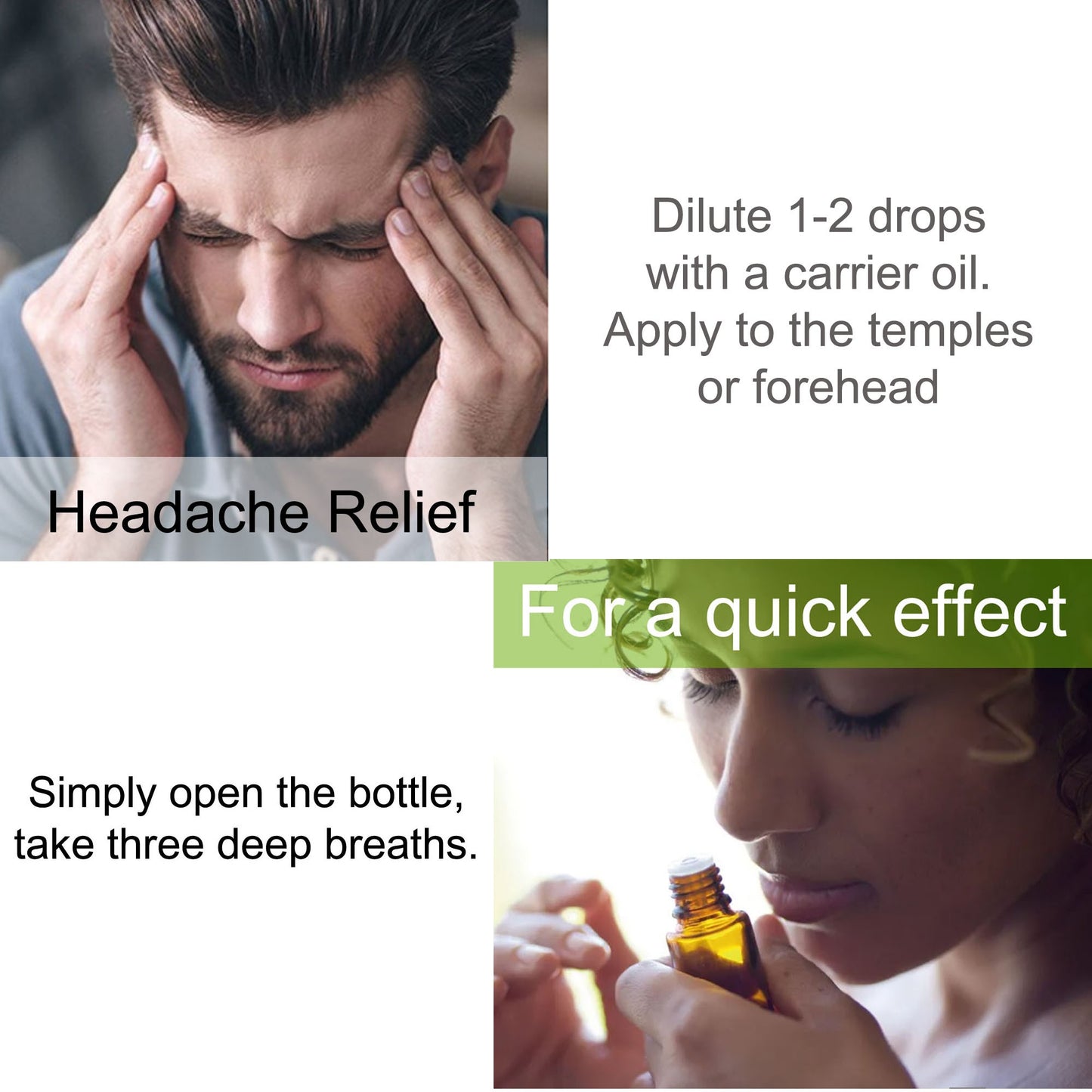
For topical facial application, always dilute essential oils to prevent potential surface irritation. Mixing 1 to 2 drops of Palmarosa oil into 10 mL of Fractionated Coconut Oil or jojoba oil creates a lightweight serum that glides smoothly over clean skin. This balanced blend provides aromatic comfort while supporting a smooth, calm, and healthy complexion throughout the day.
pure Palmarosa oil works remarkably well for combination skin because it adapts to areas requiring extra hydration while keeping excess oiliness in check. Regular use helps refine the appearance of skin texture, making it a valuable addition to natural beauty formulations in Australia.
purelyBlack's pure palmarosa oil is available as a 100% pure essential oil, dispatched from Sydney.
What is the most healing essential oil for skin?
When experiencing skin discomfort or blemishes, many botanical enthusiasts turn to gentle options like lavender, chamomile, and Palmarosa oil to support skin recovery.
While no single botanical oil addresses every individual skin concern, selecting essential oils rich in soothing chemical compounds offers exceptional support for distressed complexions. Traditional botanical practice frequently combines lavender or Roman Chamomile with Palmarosa essential oil to soothe dry patches, calm redness, and encourage a balanced surface barrier. These botanical extracts work in harmony to nurture skin exposed to harsh weather conditions or environmental stressors.
Palmarosa oil is particularly prized for its remarkable chemical composition, which features high concentrations of the monoterpenol geraniol. According to peer-reviewed constituent analysis, geraniol typically accounts for 70% to 85% of Palmarosa essential oil, accompanied by geranyl acetate (4% to 15%) and linalool. This rich phytochemical profile endows the oil with powerful purifying qualities that help keep skin clean and clear.
Incorporating Palmarosa essential oil into body oils or face balms provides gentle daily care for skin prone to seasonal dryness. The naturally occurring geraniol promotes surface skin renewal while protecting delicate epidermal moisture. Incorporating this aromatic oil into your evening routine allows its beneficial compounds to nourish your skin overnight.


What are the benefits of using palmarosa oil on hair?
Palmarosa essential oil supports hair vitality by conditioning the scalp, balancing sebum production, and enhancing natural shine without leaving oily residue.
- Scalp Comfort: It helps ease scalp dryness while maintaining a balanced, healthy environment for hair roots.
- Strand Hydration: Adding a few drops to conditioner helps smooth coarse strands and boost natural hair radiance.
- Aromatic Refreshment: The crisp floral-herbaceous scent leaves hair smelling clean and freshly washed all day long.
A healthy scalp serves as the foundation for vibrant, resilient hair growth. Applying diluted Palmarosa oil during regular scalp massage sessions helps stimulate local circulation while easing dryness and flake buildup. Because it regulates oil production, it works equally well for dry scalps needing hydration and oily scalps seeking balance.
To create a nourishing weekly scalp mask, mix 3 drops of Palmarosa oil with 15 mL of warm jojoba or argan carrier oil. Gently massage the blend into your scalp using circular motions, leave it on for 20 minutes, and then wash thoroughly with a mild shampoo. This simple treatment restores softness to dull hair and revives dry, tired scalp tissue.
Alternatively, you can add 2 drops of Palmarosa essential oil directly into your regular palmful of shampoo or conditioner before washing. This easy method infuses your daily hair care routine with hydrating botanical benefits and an uplifting, rose-like floral fragrance.
Which essential oil is like Botox for wrinkles?
While no essential oil mimics cosmetic injections, frankincense, rose, and Palmarosa oil support skin elasticity, smoothing appearance, and promoting youthfulness.
| Essential Oil | Key Botanical Benefit | Best Skin Type Compatibility |
|---|---|---|
| Palmarosa Oil | Locks in deep moisture & smooths fine lines | Combination, dry, & mature skin |
| Frankincense Oil | Promotes skin firmness & tone elasticity | Aging, saggy, or sun-damaged skin |
| Rose Oil | Intensely hydrates & softens delicate skin | Sensitive, dry, & mature skin |
Although essential oils cannot temporarily freeze underlying facial muscles like targeted medical treatments, high-quality plant extracts provide rich antioxidant and hydrating support. Oils such as frankincense, rose, and Palmarosa oil work by nourishing the dermal matrix, improving moisture retention, and softening the visible depth of fine lines. Consistent topical application helps maintain skin suppleness and a plump, smooth appearance over time.
Palmarosa oil acts as an exceptional natural humectant-like agent in facial oil formulations. By helping skin cells retain their intrinsic moisture, it creates a subtle plumping effect that smooths out dry crinkles around the eyes and mouth. Combining Palmarosa with rich carrier oils like rosehip seed or pomegranate seed oil amplifies these anti-aging benefits.
For an age-defying night oil, combine 2 drops of Palmarosa essential oil and 2 drops of frankincense oil with 15 mL of rosehip carrier oil. Massaging this blend nightly into cleansed skin supports overnight rejuvenation and leaves your face feeling velvety soft by morning.
Does palmarosa repel mosquitoes?
Yes, Palmarosa oil natural compounds effectively deter mosquitoes, making it a popular choice for outdoor essential oil spray blends and diffusers.
The pronounced mosquito-repelling ability of Palmarosa oil stems directly from its high geraniol concentration. Scientific evaluation indicates that geraniol acts as an effective natural insect repellent, disrupting mosquito sensory perception and preventing them from landing on exposed skin. It provides a natural, pleasant alternative to harsh synthetic chemical bug sprays during outdoor activities.
To craft a simple body mist for warm evenings, mix 15 drops of Palmarosa oil with 50 mL of distilled water and 10 mL of Organic Witch Hazel Extract inside a glass spray bottle. Shake vigorously before lightly spraying over clothing, arms, and legs prior to stepping outside. Combining Palmarosa with Lemongrass or eucalyptus creates an even stronger barrier against biting insects.
Diffusing Palmarosa essential oil on outdoor verandas or patio areas also helps maintain a comfortable pest-free atmosphere during Australian summer evenings. Its sweet, rosy-grassy aroma creates an inviting outdoor setting while keeping annoying mosquitoes at bay naturally.
Is palmarosa the same as geranium?
No, Palmarosa and geranium are entirely different botanical species, although both share similar sweet, floral aromatic notes high in geraniol.
While Palmarosa and geranium essential oils share overlapping aromatic qualities due to their mutual geraniol content, they derive from completely different plant families. Palmarosa comes from a tall tropical grass (Cymbopogon martinii), whereas geranium is distilled from the fragrant leaves of a flowering perennial shrub (Pelargonium graveolens). Despite their distinct origins, both oils offer wonderful benefits for natural skincare.
In cosmetic applications, Palmarosa oil offers a lighter, more dew-like hydration profile that absorbs quickly into skin without weight. Geranium oil possesses a slightly heavier, richer floral profile that excels at balancing complexions experiencing pronounced hormonal shifts. Choosing between them often comes down to individual aroma preference and specific skin hydration requirements.
To learn more about versatile botanical applications and holistic skincare benefits, explore our comprehensive guide: What Is Palmarosa Essential Oil Used For? Benefits Guide.
To explore similar profiles, discover these pure purelyBlack creations: Cardamom Oil, Juniper Berry Oil, and Neroli Oil — each dispatched from Sydney.
Related Reading
For more on palmarosa oil, see our companion guides: Skincare & Aromatherapy Guide to Pure Palmarosa Essential Oil in Australia. What Is Palmarosa Oil Used For? Benefits Guide.
About the Author
Written by H.R. Kim
Founder at purelyBlack — an Australian-owned perfumery and botanical studio based in Sydney. H.R. specialises in scent profiling and natural ingredient sourcing, meticulously balancing premium fragrance oils and 100% pure essential oils to create elevated aromatic experiences.
Last updated: August 2026
Disclaimer: purelyBlack essential oils are for external use and aromatherapy purposes only. They are not intended to diagnose, treat, cure, or prevent any disease. Always dilute with a carrier oil before topical application and consult a healthcare professional if pregnant or under medical supervision.
