
How to Apply Lemon Oil to Your Skin
Can You Apply Lemon Oil Directly To Skin?
No, you should never apply concentrated Lemon oil directly to skin without first diluting it inside a suitable botanical carrier oil.
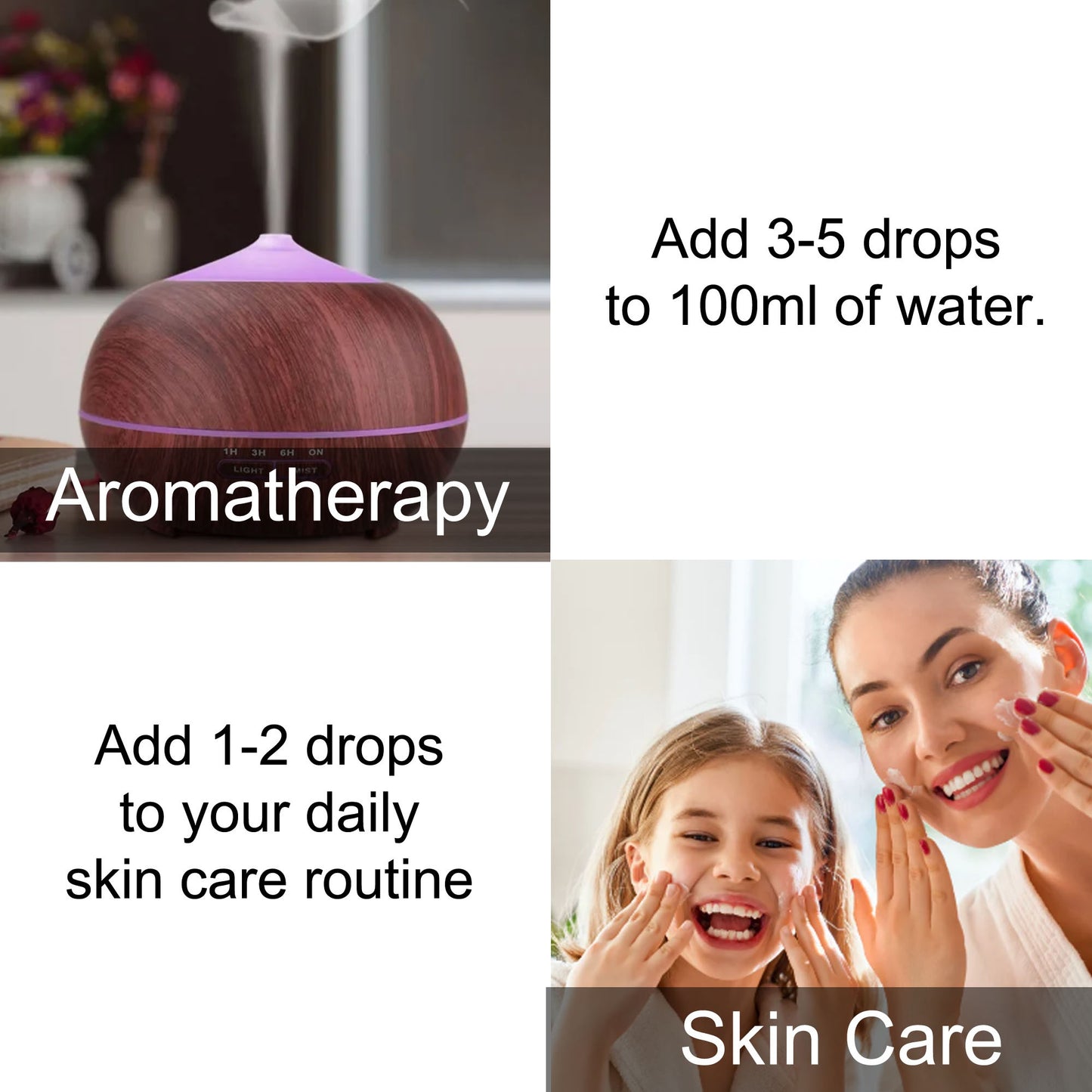
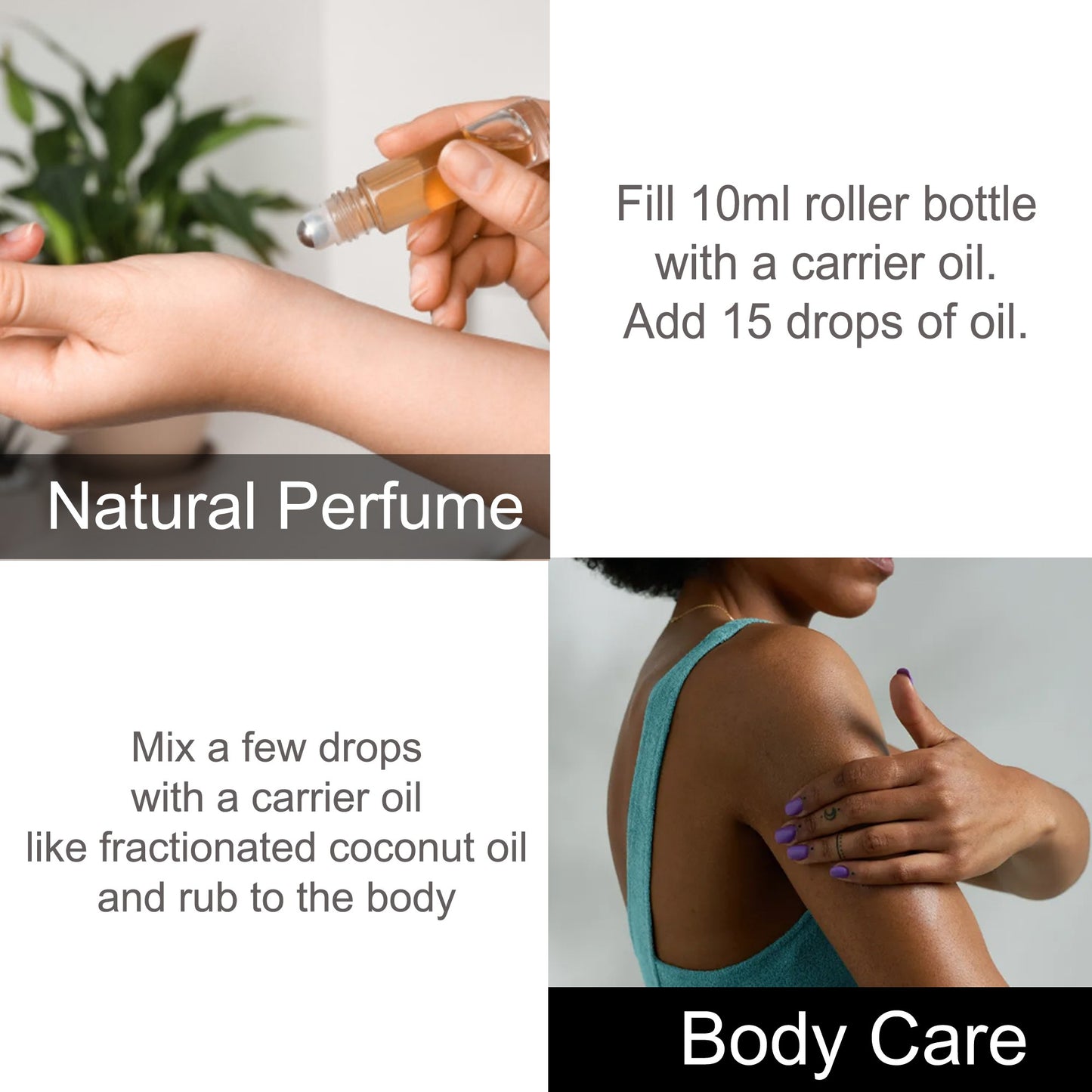
- Dilution Method: Always blend two drops of Lemon oil into a teaspoon of carrier oil prior to topical cosmetic application.
- Phototoxicity Caution: Avoid direct sunlight and UV exposure for twelve hours after applying citrus botanical oils to exposed skin.
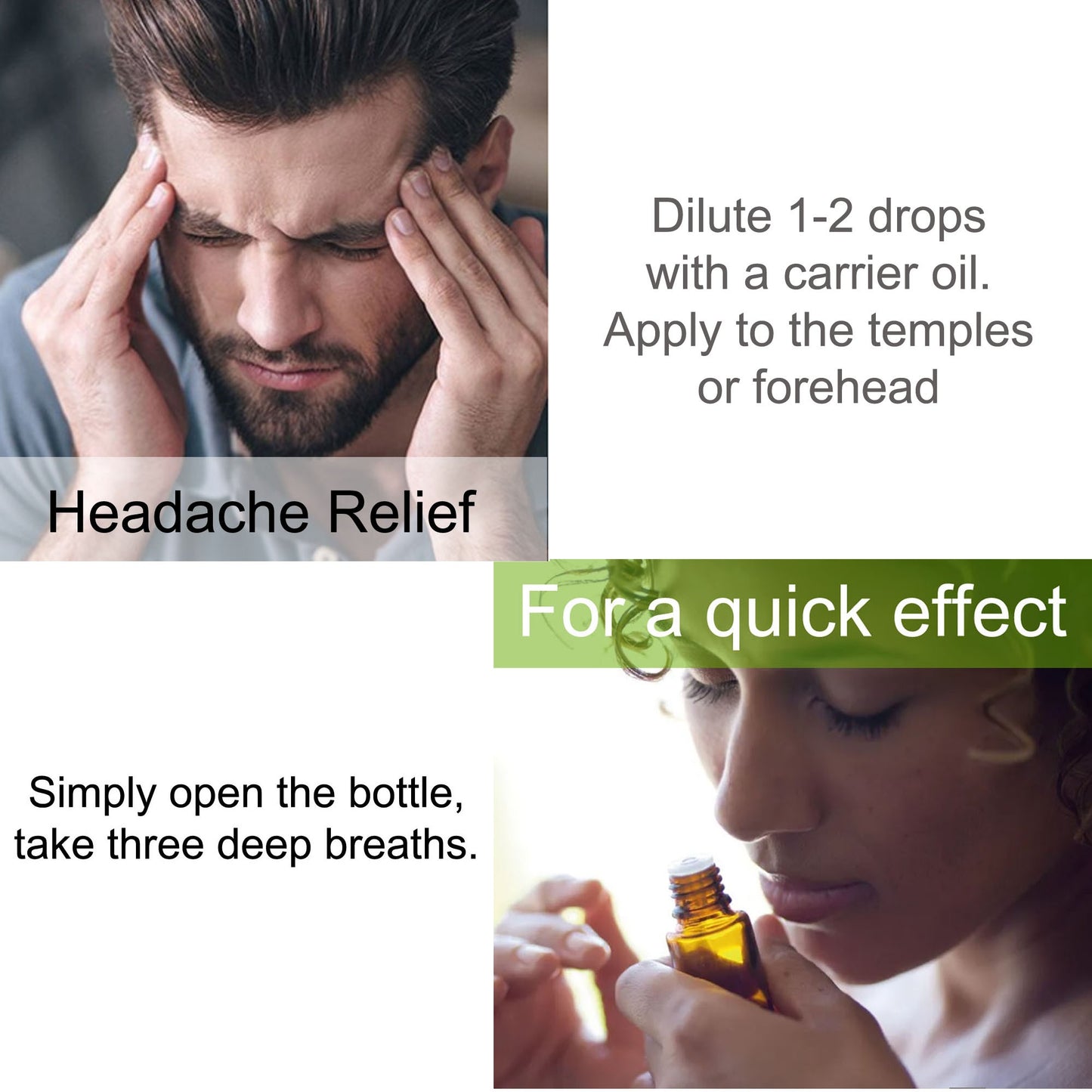
- Patch Test: Apply a small diluted amount onto your inner forearm and observe for twenty-four hours to verify sensitivity.


Cold-pressed from the fresh fruit peel of Citrus limon, a plant member of the Rutaceae family originating in Asia, Lemon oil offers concentrated botanical properties. Because raw citrus extracts contain potent organic compounds, applying them undiluted can cause rapid surface irritation and sensitivity. Proper dilution ensures that the delicate epidermal layer remains protected while absorbing beneficial plant properties.
Cosmetic practitioners across Australia emphasize that raw citrus essences require protective lipid bases to buffer their active constituents. Phototoxic reactions can occur when sun-exposed skin encounters undiluted cold-pressed fruit oils. Blending the extract into a moisturizing plant oil allows for safe daily integration into your skincare routine.
Performing a patch test before regular application is essential for personal cutaneous safety. Mix one drop of the extract with a half-teaspoon of plant oil and apply it to a small patch of skin on your inner arm. If no redness or itching occurs after twenty-four hours, the blend is generally safe for broader cosmetic use.
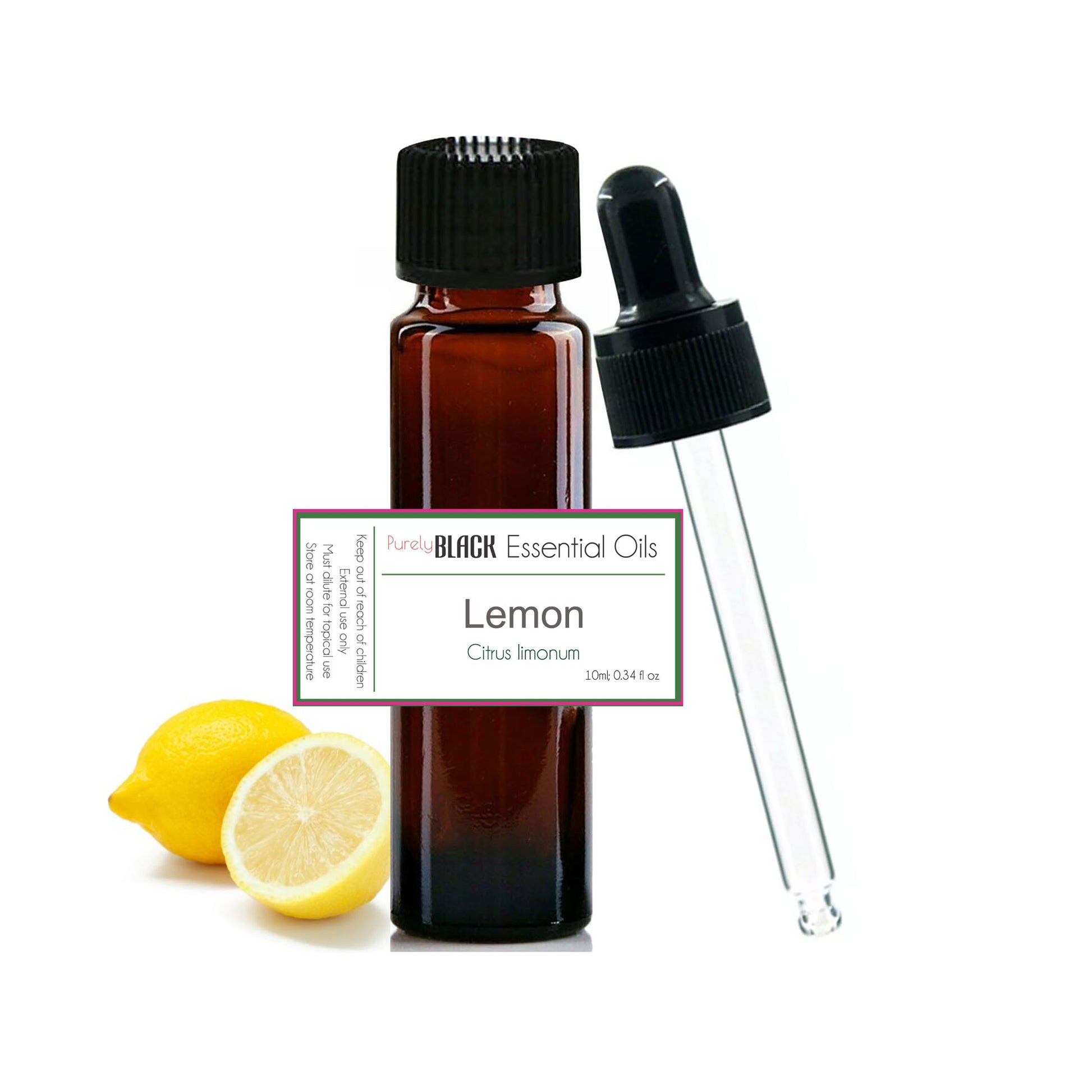
purelyBlack's pure lemon oil is available as a 100% pure essential oil, dispatched from Sydney.
What To Use Lemon Oil On?
Lemon oil is used on oily skin zones, targeted cosmetic blemishes, weathered heels, rough cuticles, and dull complexion areas.
When applied with proper botanical dilution, Lemon oil serves as an effective clarifying agent for congested facial regions. It is especially beneficial for the T-zone, where excess sebum accumulates throughout the day. Incorporating a diluted drop into your evening facial oil helps clarify congested pores and supports a healthy complexion.
Beyond facial skincare, many people target rough body zones like hardened elbows, knees, and calloused heels. Massaging a diluted blend into dry fingernail cuticles helps soften stubborn skin while restoring natural lustre. The botanical properties of Lemon also make it a popular addition to targeted nighttime cosmetic applications.
Scalp routines also benefit from the astringent qualities of cold-pressed citrus extracts. Adding a single diluted drop to your regular shampoo helps remove stubborn product build-up and revitalizes tired scalp skin. Always ensure the formulation is thoroughly rinsed to keep skin comfortable and balanced.
Body scrubs formulated with sea salt, fine sugar, and nourishing plant lipids provide an invigorating exfoliation experience. Blending citrus extracts into these homemade body polishes helps slough away dead skin cells while leaving behind a refreshing clean scent. Use these exfoliation treatments once or twice a week for smooth, supple skin texture.


Can You Put Lemon Oil Directly On Your Skin?
No, putting neat Lemon essential oil directly on your skin causes irritation and phototoxicity, so it requires prior proper carrier dilution.
- Barrier Protection: Pure citrus extracts disrupt the natural skin barrier when applied neat, causing discomfort and redness.
- Sun Sensitivity: Undiluted cold-pressed citrus oil reacts strongly with ultraviolet radiation, increasing the risk of cutaneous blistering.
- Safe Application: Mixing botanical extracts into nourishing lipid oils prevents adverse skin responses while delivering essential hydration.
Applying neat Lemon essential oil directly to dermal tissue triggers immediate chemical sensitivity because of its concentrated terpene profile. Cold-pressed fruit peels contain naturally occurring furanocoumarins, which make human skin highly susceptible to severe sun damage. When ultraviolet light hits skin coated in neat citrus extract, phototoxic reactions such as hyperpigmentation or chemical irritation can develop.
Scientific evaluation shows that cold-pressed Lemon essential oil contains high concentrations of volatile monoterpenes, with limonene accounting for 60% to 70% of its chemical composition, as documented in this published phytochemical study. Other significant constituents include beta-pinene and gamma-terpinene, which give the extract its crisp aroma and astringent profile. Buffering these potent molecules within a neutral carrier oil slows volatile evaporation and protects sensitive skin layers.
If you accidentally spill neat citrus extract on exposed skin, immediately wash the area with mild soap and warm water. Applying a plain vegetable oil to the area can also help dissolve and lift the concentrated essential oil from the skin surface. Avoid direct outdoor sunlight on that area for at least twelve to twenty-four hours following exposure.
Those with sensitive or reactive skin conditions should exercise additional caution when handling concentrated botanicals. Diluting essential oils down to a 0.5% to 1% concentration significantly reduces the likelihood of adverse cutaneous reactions. Taking preventive safety measures ensures a comforting cosmetic experience without compromising the natural skin barrier.
Does Lemon Oil Need A Carrier Oil?
Yes, Lemon essential oil strictly requires a carrier oil to minimize skin sensitivity, prevent phototoxic reaction, and safely enhance topical absorption.
| Carrier Oil | Best Skin Type | Recommended Dilution Ratio |
|---|---|---|
| Fractionated Coconut Oil | All skin types & body care | 2% (12 drops per 30ml) |
| Jojoba Seed Oil | Oily, combination & cosmetic zones | 1% (6 drops per 30ml) |
| Rosehip Seed Oil | Mature & dull complexions | 1% (6 drops per 30ml) |
| Argan Kernel Oil | Dry & weathered skin | 2% (12 drops per 30ml) |
Using a carrier oil is mandatory whenever you prepare Lemon for topical application. Carrier oils act as a lipid base that dilutes concentrated plant extracts, ensuring uniform distribution across the skin without clogging pores. They also slow down the rapid rate of evaporation typical of light citrus top notes, allowing beneficial nutrients to absorb steadily.
For general body application, maintain a standard 2% dilution ratio, which equals twelve drops of essential oil per thirty milliliters of carrier oil. For delicate facial skin, lower the concentration to a 1% dilution ratio, using six drops per thirty milliliters. This conservative ratio provides optimal botanical comfort while minimizing any possibility of dermal irritation.
Selecting the right carrier depends heavily on your specific cosmetic goals and skin texture. Lightweight lipid oils like jojoba match natural human sebum closely, making them ideal for facial blends. Richer oils provide deeper hydration for dry areas like feet and hands, creating a protective barrier that seals in moisture.
Proper storage of your diluted cosmetic mixtures is equally crucial for maintaining efficacy and freshness. Store your botanical oil blends in dark glass bottles away from direct light and heat sources to prevent premature oxidation. Oxidized citrus oils are significantly more likely to trigger skin sensitization, so fresh preparations are always recommended.
What Is Essential Lemon Oil Used For?
Essential Lemon oil is widely used for clarifying facial skin, brightening dull complexions, freshening household surfaces, and encouraging an uplifting ambiance.
In daily beauty routines, Lemon is celebrated for its ability to refine texture and brighten appearance. Adding a diluted blend to your nighttime skincare ritual promotes a luminous glow while balancing excess dermal oiliness. Many users find that applying citrus-infused botanical oils provides aromatic comfort and revitalizes tired skin after a long day.
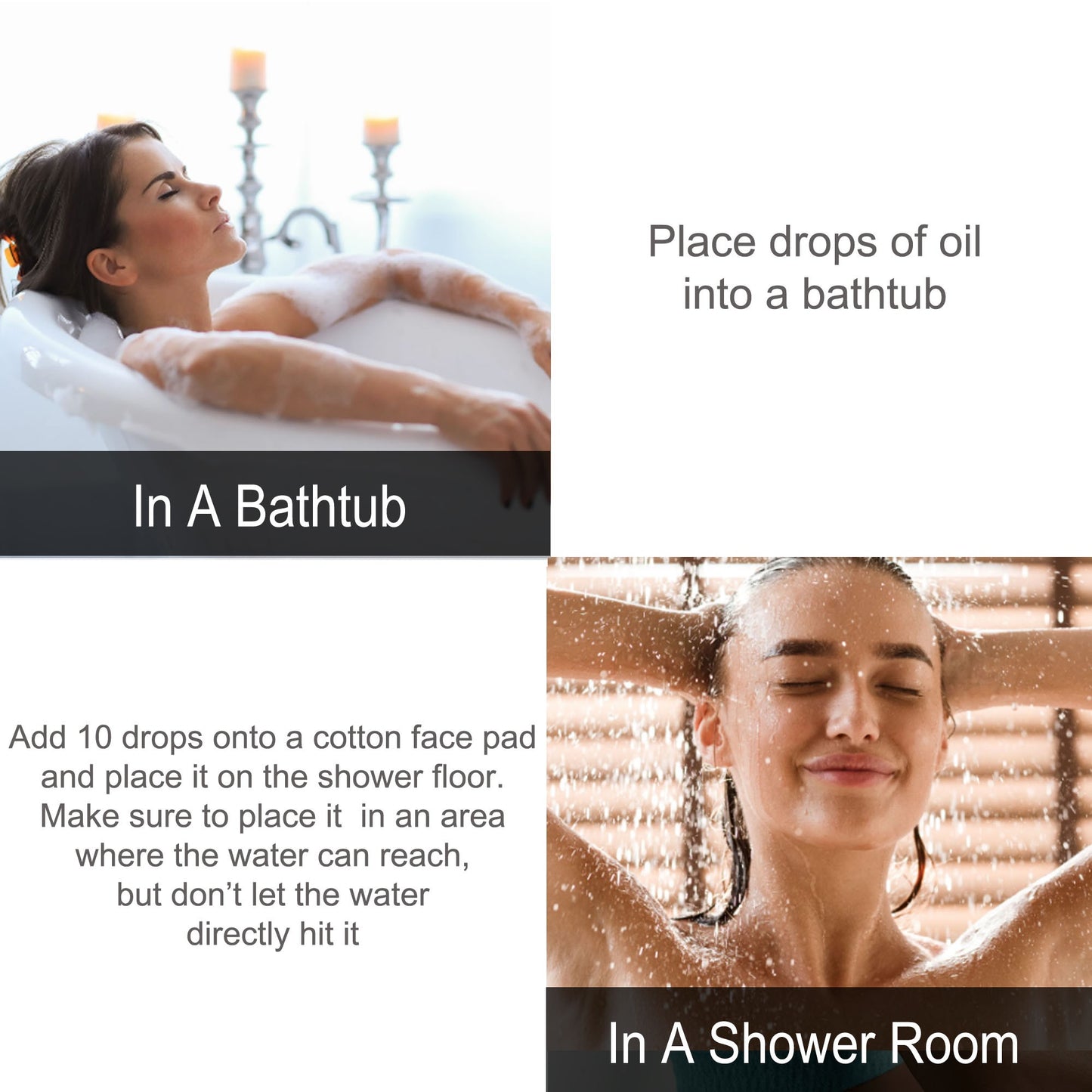
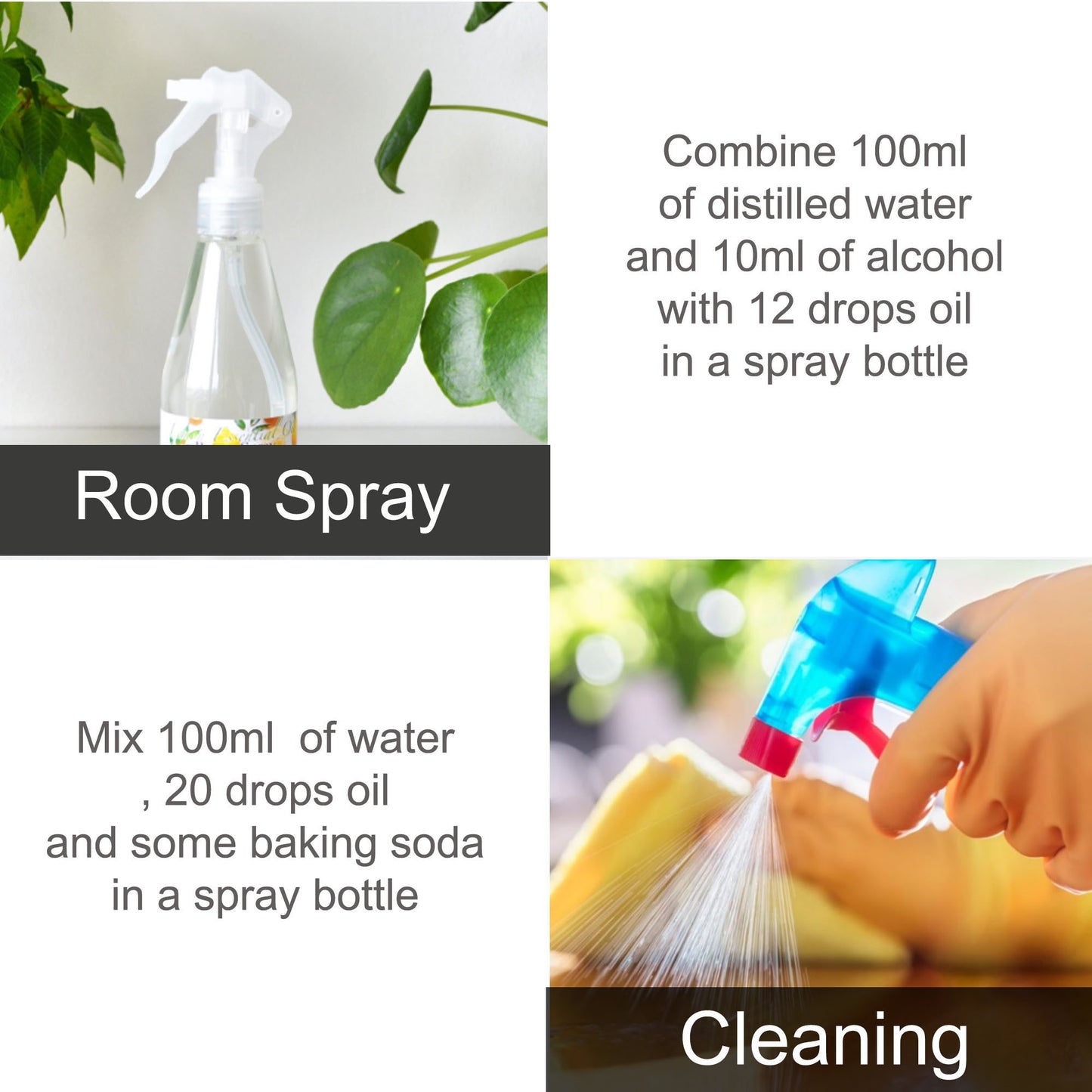
Beyond personal care, citrus extracts are favored for household aromatic applications and DIY beauty formulations. From hand scrubs to evening body oils, its clean scent creates a spa-like environment in any home across Australia. Practising consistent safe dilution habits allows you to enjoy these versatile benefits every day.
Combining citrus extracts with floral or herbal plant oils creates balanced personal fragrance blends. Pairing it with sweet floral notes like honeysuckle or grounding woody aromas like vetiver provides a complex, pleasant scent profile. Always maintain total essential oil concentrations below 2% across all blended ingredients for safe topical wear.
To explore similar profiles, discover these pure purelyBlack creations: Mandarin Oil, Bergamot Oil, and Organic Rosewater — each dispatched from Sydney.
Related Reading
For more on lemon oil, see our companion guides: How to Use Lemon Oil to Repel Bugs and Diffusing Lemon Essential Oil in Your Home.
About the Author
Written by H.R. Kim
Founder at purelyBlack — an Australian-owned perfumery and botanical studio based in Sydney. H.R. specialises in scent profiling and natural ingredient sourcing, meticulously balancing premium fragrance oils and 100% pure essential oils to create elevated aromatic experiences.
Last updated: August 2026
Disclaimer: purelyBlack essential oils are for external use and aromatherapy purposes only. They are not intended to diagnose, treat, cure, or prevent any disease. Always dilute with a carrier oil before topical application and consult a healthcare professional if pregnant or under medical supervision.
