



How to Repel Flies with Citronella Oil
Does Citronella Oil Repel Flies?
Yes, Citronella essential oil effectively repels flies by masking environmental scents and disrupting their navigation systems, creating an uninviting space for insects.
- Aromatic Masking: It conceals food odours and attractants that naturally draw pest species into outdoor and indoor living spaces.
- Natural Barrier: Vaporised plant compounds interfere with insect olfactory receptors to establish a clean, non-toxic territorial boundary.
- Versatile Application: Diffuse the extract around dining areas or blend into sprays to keep flying pests away during warm seasons.


During warm Australian summer months, outdoor gatherings and alfresco meals frequently attract houseflies and bush flies searching for organic matter. Diffusing Citronella oil into the surrounding air creates an aromatic atmosphere that deters these unwelcomed flying insects naturally. Instead of relying on synthetic chemical sprays, homeowners prefer plant-based extracts to maintain outdoor comfort.
Extracted from the fresh long blades of Cymbopogon winterianus, a perennial aromatic grass in the Poaceae botanical family, Citronella essential oil is produced through steam distillation. This gentle thermal process preserves the plant's volatile monoterpenes, which evaporate quickly into the atmosphere to form a protective aromatic screen. Using natural botanical extracts provides a refreshing, lemony ambiance across verandas and entertaining areas.
When used in patio diffusers, the uplifting citrus fragrance actively masks human scent trails and food aromas over several hours. This continuous evaporation ensures flies remain at a distance, allowing family members to enjoy outdoor dining without constant disturbance.
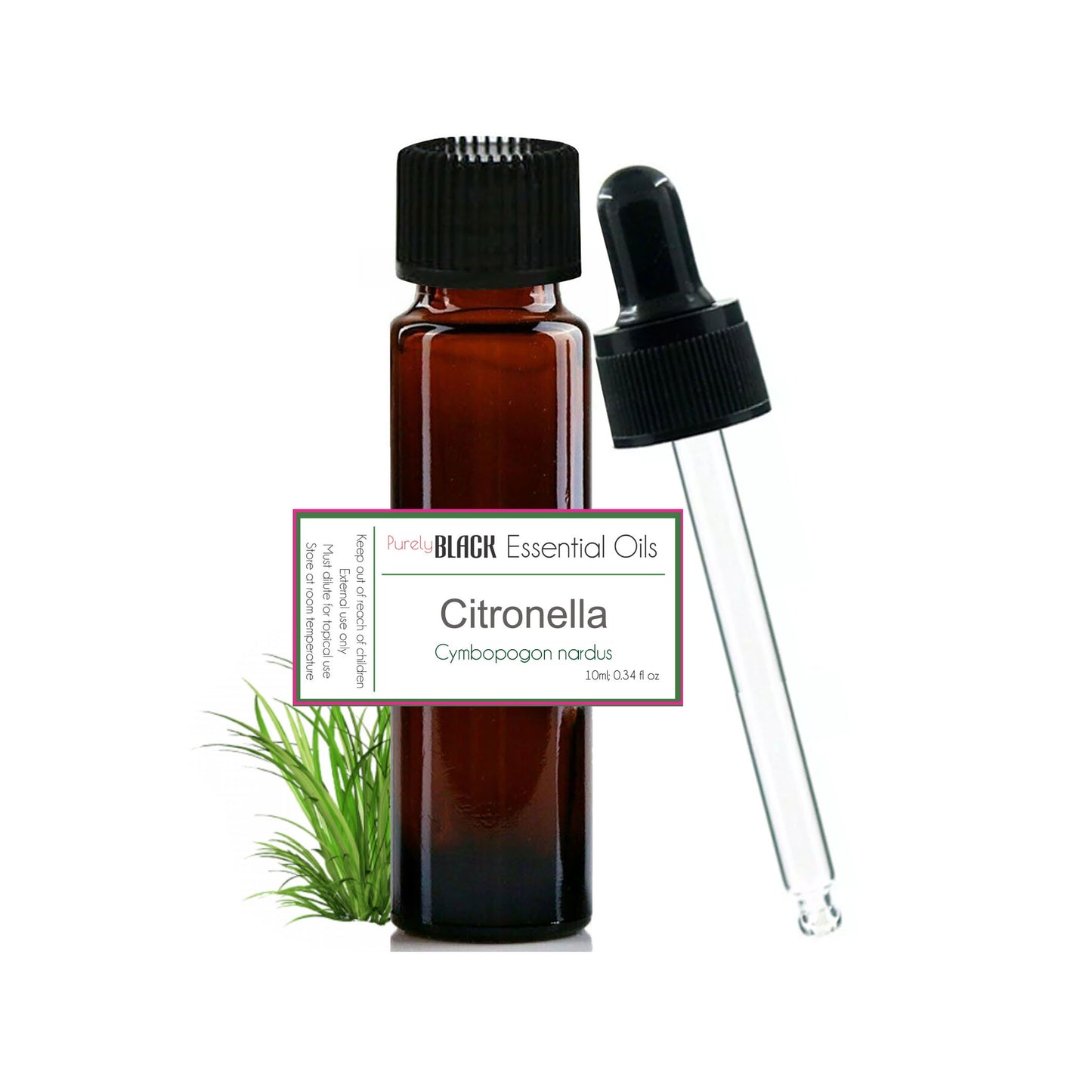
purelyBlack's pure citronella oil is available as a 100% pure essential oil, dispatched from Sydney.
What Smell Do Flies Absolutely Hate?
Flies absolutely hate strong, volatile botanical scents like Citronella, peppermint, eucalyptus, and clove, which overpower their highly delicate olfactory senses.
Flies possess extremely sensitive sensory organs located on their antennae and palps that guide them toward decomposing food, garbage, and damp areas. Potent plant aromatics flood these delicate sensory pathways, making it difficult for insects to locate host attractants. Combining distinct herbal extracts creates a complex scent profile that offers heightened outdoor protection.
Apart from citrus grass extracts, flying insects show a strong aversion to sharp herbal, spicy, and woody aromas. Concentrated botanical oils containing menthol, eugenol, and cineole act as natural deterrents when dispersed into outdoor air spaces. Integrating these varied aromas into household cleaning routines keeps common flies away from kitchen counters and outdoor tables.
| Botanical Extract | Key Volatile Compounds | Primary Outdoor Application |
|---|---|---|
| Citronella Oil | Citronellal, Geraniol, Citronellol | Patio diffusers, outdoor candle burners, and room sprays |
| Peppermint Oil | Menthol, Menthone | Window sill sprays and doorway barriers |
| Clove Oil | Eugenol, Eugenyl Acetate | Perimeter wipes and heavy-duty outdoor diffusers |
| Eucalyptus Oil | 1,8-Cineole, Alpha-Terpineol | Veranda misting sprays and patio diffusers |
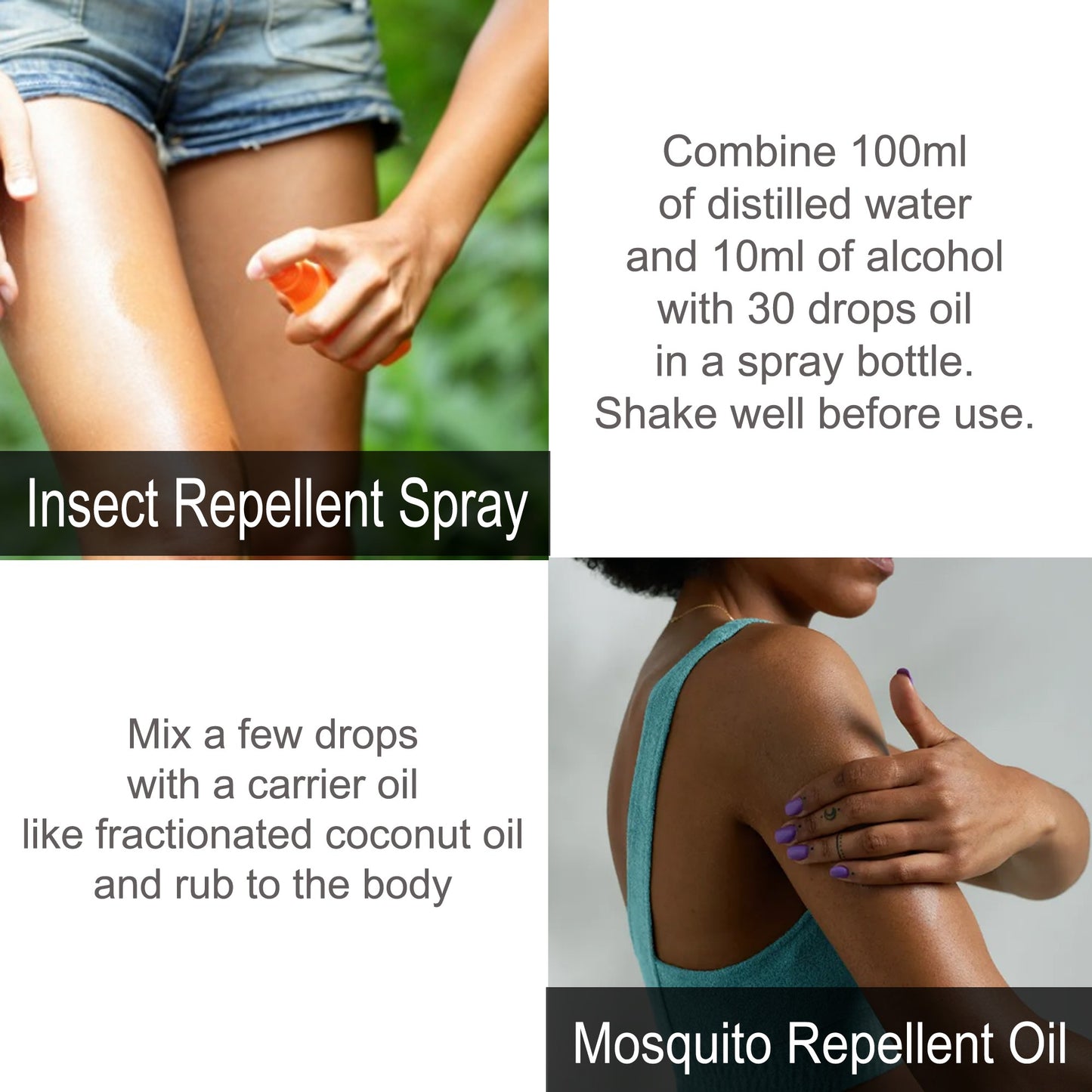
To craft a functional surface wipe for outdoor furniture, combine ten drops of Citronella essential oil with Organic Witch Hazel Extract and distilled water in a spray bottle. For personal topical applications to keep bugs at bay during evening walks, dilute the extract into Fractionated Coconut Oil before applying to exposed arms or pulse points. Subtle woody notes like Rosewood or dry green aromas like Petitgrain can also be blended into diffusers to add depth to your outdoor scent profile.


Why Do Flies Hate Citronella?
Flies hate Citronella because its concentrated terpene constituents overload their olfactory receptors, confusing their navigation and blocking target food attractants.
- Olfactory Confusion: High terpene concentrations scramble insect sensory inputs, preventing them from locating hosts or damp food sources.
- Vapour Density: Vaporised monoterpenes create an unbearable atmospheric environment that drives flying pests to seek clearer air spaces elsewhere.
- Scent Masking: Active botanical molecules conceal human skin emissions and food scents that normally lure flies into domestic settings.
The deterrent capability of Citronella oil stems from its unique phytochemical constitution. Detailed chemical analysis shows the primary active constituents include citronellal (30–45%), geraniol (20–25%), and citronellol (10–15%), as verified by peer-reviewed constituent analysis. These natural monoterpenes and aldehydes evaporate readily at ambient temperatures, releasing crisp citrus notes into the surrounding air.
When flies enter an area saturated with vaporised Citronella, the volatile monoterpenes trigger sensory overload in the insect's peripheral nervous system. This intense olfactory stimulation masks carbon dioxide emissions, sweat markers, and food odours. Unable to orient themselves toward potential food sources, the insects flee the treated perimeter in search of untreated environments.
Furthermore, geraniol and citronellal act as physical irritants to insect sensilla receptors, causing flying pests to alter their flight path immediately. Unlike synthetic chemicals that rely on toxic pathways, botanical monoterpenes provide a clean mechanism that deters pests without harming surrounding garden ecosystems.
What Is The Best Essential Oil To Get Rid Of Flies?
Citronella oil is widely considered the best essential oil to get rid of flies due to its potent aromatic masking capabilities.
While individual botanical extracts offer distinct benefits, Citronella remains the gold standard in plant-based insect management across Australia. Its high concentration of aldehyde compounds provides immediate atmospheric coverage, making it far more dynamic than milder herbal extracts. Pairing it with complementary oils enhances its longevity and scent diffusion in open-air spaces.
For maximum efficacy around alfresco dining tables or outdoor kitchens, waterless ultrasonic diffusers or ceramic oil burners offer continuous diffusion. Adding a few drops of pure Citronella oil to outdoor candles or wooden patio decking can also help establish a protective perimeter. The distinct citrus scent creates an invigorating environment for guests while efficiently keeping flying pests away.
Comparing different natural options highlights why citrus-grass oils remain top choices for Australian homes during fly season. While lavender and tea tree provide soothing aromas, their volatile repelling compounds break down faster under direct sunlight. Citronella maintains stable evaporation rates, making it highly reliable for sustained outdoor protection during warm afternoon hours.
How to Make a DIY Citronella Fly Spray
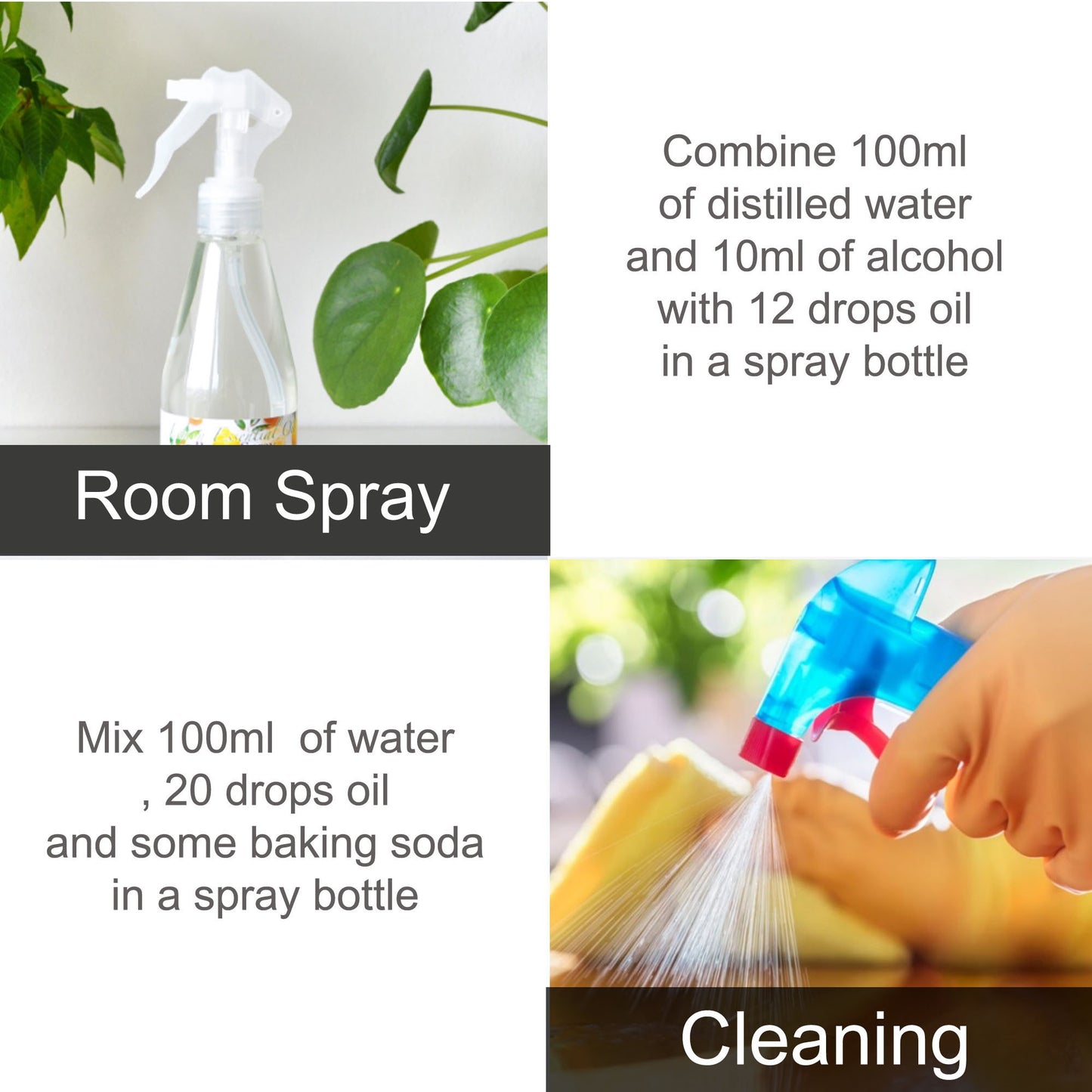
Creating your own natural room spray is a quick and economical way to keep flies away from outdoor entertaining zones.
- Prepare the Base: Pour 100 ml of distilled water and 30 ml of Witch Hazel into a clean glass spray bottle.
- Add Essential Oils: Add 20 drops of Citronella oil along with 10 drops of Peppermint or Eucalyptus oil.
- Shake and Apply: Shake vigorously before each use, then mist liberally around outdoor doorways, window screens, and patio seating.
What Smell Do All Bugs Hate The Most?
Most bugs hate concentrated pungent citrus and herbal scents, with Citronella oil remaining the premier choice for outdoor pest management.
Insects rely heavily on olfactory cues to find food, mates, and suitable nesting sites. Highly concentrated plant essences containing terpenes like geraniol, eugenol, and menthol create an uninhabitable environment for a broad spectrum of pests, including mosquitoes, gnats, and flies. Using these extracts regularly around building entry points effectively deters garden insects from migrating indoors.
Combining multiple high-terpene extracts creates a synergy that pests find impossible to navigate through. Spraying natural botanical solutions along window sills, door frames, and outdoor entertainment zones establishes a comprehensive barrier against crawling and flying insects alike.
When diffusing or spraying botanical oils around the home, always observe fundamental safety precautions. Never apply undiluted essential oils directly to sensitive skin, and ensure proper ventilation when diffusing in enclosed rooms. Storing your essential oils in dark glass bottles away from direct sunlight preserves their volatile aromatic compounds for long-term household use.
To explore similar profiles, discover these pure purelyBlack creations: Rose Geranium Oil, Niaouli Oil, and Tangerine Oil — each dispatched from Sydney.
Related Reading
For more on citronella oil, see our companion guides: Using Citronella Essential Oil as a Natural Mosquito Repellent. How to Safely Use Citronella Oil at Home.
About the Author
Written by H.R. Kim
Founder at purelyBlack — an Australian-owned perfumery and botanical studio based in Sydney. H.R. specialises in scent profiling and natural ingredient sourcing, meticulously balancing premium fragrance oils and 100% pure essential oils to create elevated aromatic experiences.
Last updated: August 2026
Disclaimer: purelyBlack essential oils are for external use and aromatherapy purposes only. They are not intended to diagnose, treat, cure, or prevent any disease. Always dilute with a carrier oil before topical application and consult a healthcare professional if pregnant or under medical supervision.
