


Using Citronella Essential Oil as a Natural Mosquito Repellent
Does Citronella Essential Oil Really Repel Mosquitoes?
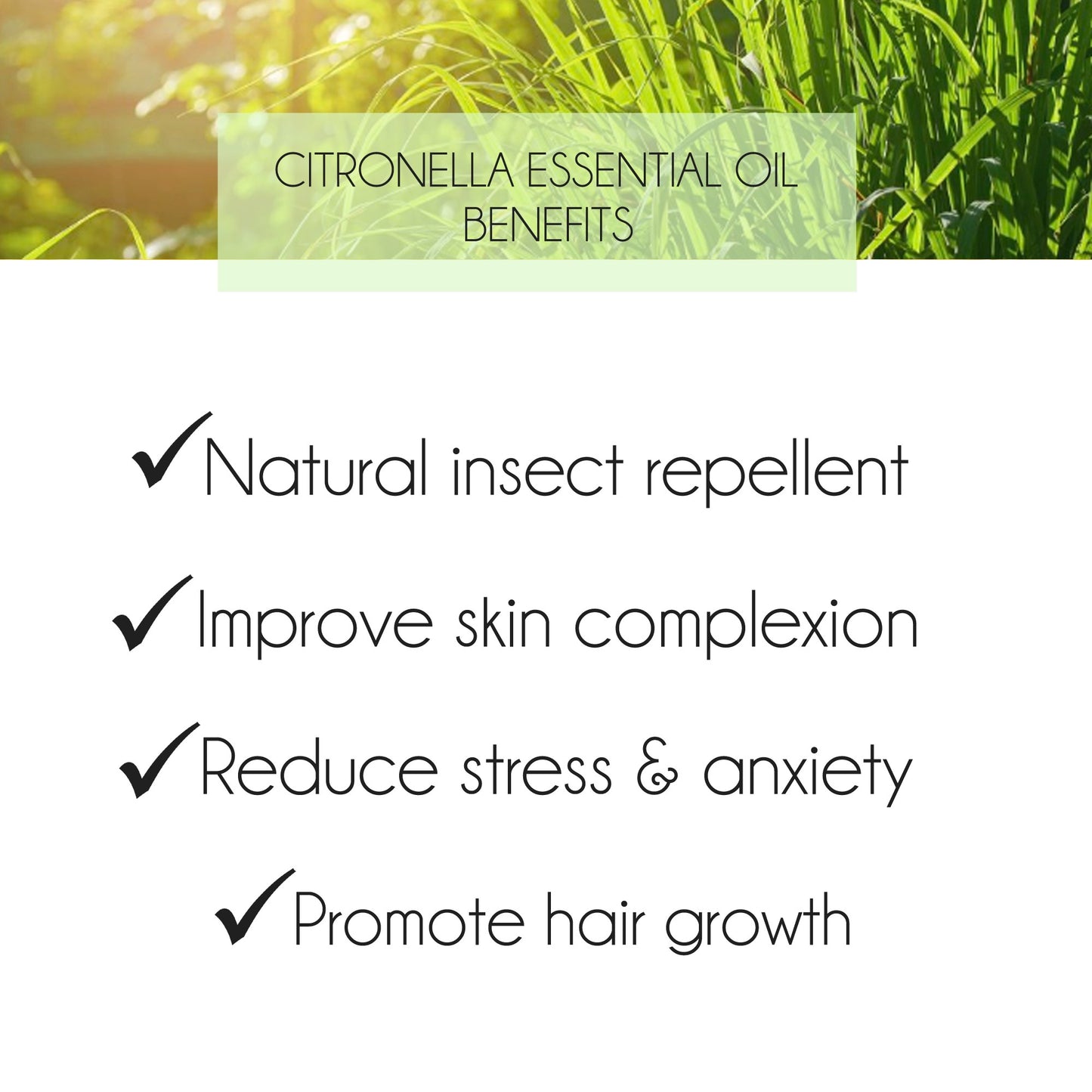
Yes, citronella oil repels mosquitoes by masking human odours that attract insects, providing an effective natural barrier for outdoor comfort.
- Scent Masking: It works by blocking carbon dioxide and lactic acid scents that mosquitoes naturally track to find hosts.
- Botanical Origin: Extracted from aromatic grasses, citronella essential oil offers a plant-based alternative to synthetic chemical insect sprays.
- Volatilization Rate: High volatility means frequent reapplication is necessary to sustain continuous outdoor protection against biting pests.


Citronella essential oil is steam distilled from the fresh long leaves of Cymbopogon winterianus, a hardy aromatic perennial grass belonging to the Poaceae family. The active volatile organic compounds in Citronella create an expansive aromatic veil when exposed to ambient air. Key chemical constituents include citronellal (30–45%), geraniol (20–25%), and citronellol (10–15%), as verified in a published phytochemical study.
Rather than acting as a nerve agent, Citronella functions primarily by concealing the chemical signals that mosquitoes rely upon to detect humans. Female mosquitoes navigate toward potential targets by tracking olfactory cues such as carbon dioxide emitted during respiration and lactic acid secreted through sweat. When Citronella oil is dispersed, its radiant citrusy profile overpowers these human scent trails, effectively confusing flying insects and causing them to disperse.
To establish a consistent defensive perimeter during evening patio gatherings, many outdoor enthusiasts distribute the vapour using patio diffusers or personal sprays. Combining proper botanical protection with protective long clothing offers a comfortable way to enjoy warm Australian evenings without chemical annoyance.
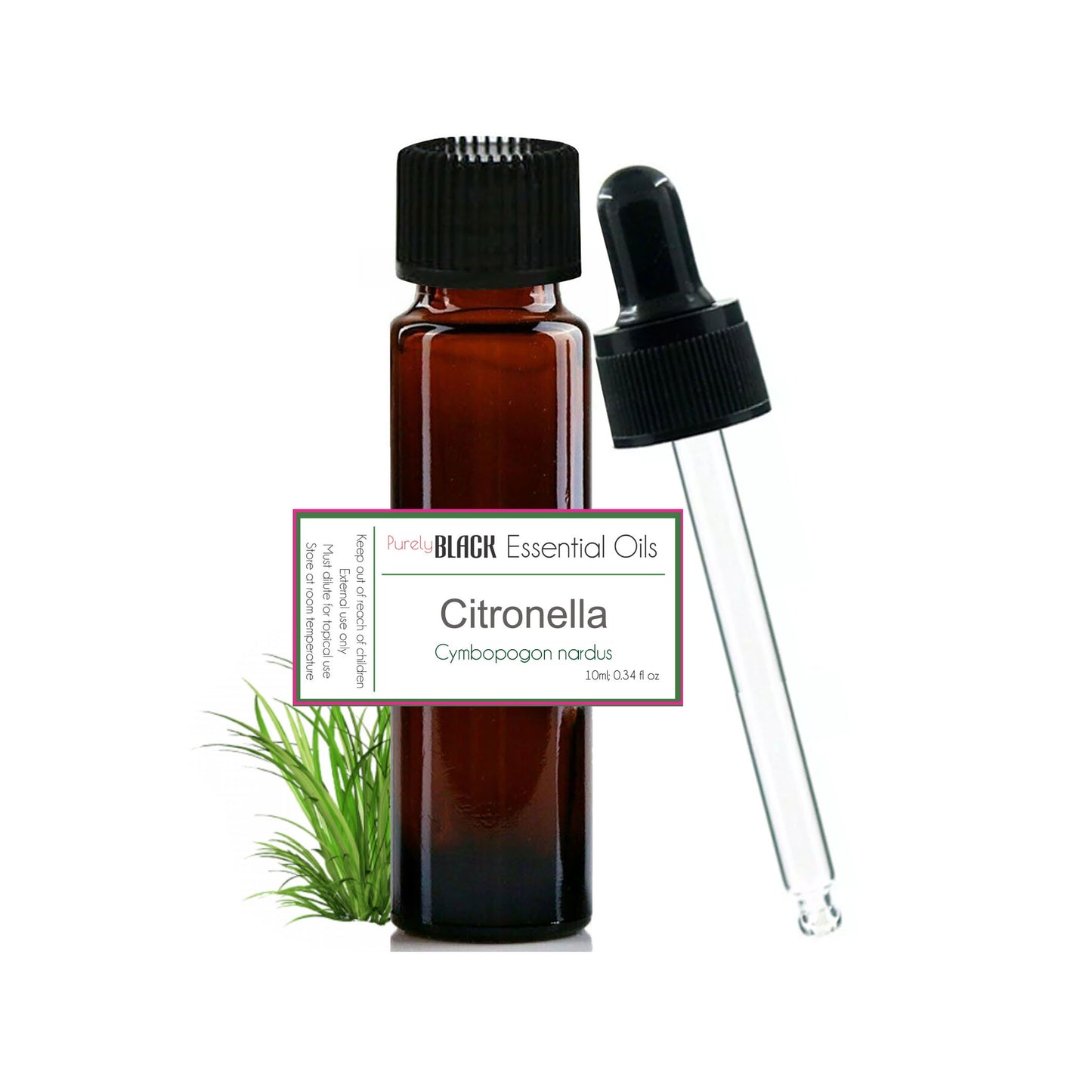
purelyBlack's pure citronella oil is available as a 100% pure essential oil, dispatched from Sydney.
What Smell Do Mosquitoes Absolutely Hate?
Mosquitoes strongly avoid volatile botanical scents like citronella, peppermint, lemongrass, eucalyptus, and lavender because these aromatic compounds disrupt their sensory organs.
| Botanical Scent | Key Active Molecule | Primary Action Mechanism | Typical Coverage Duration |
|---|---|---|---|
| Citronella Oil | Citronellal & Geraniol | Masks CO2 and lactic acid cues | 30 to 120 minutes |
| Lemongrass Oil | Citral & Neral | Blocks olfactory sensory receptors | 60 to 180 minutes |
| Peppermint Oil | Menthol | Strong sensory deterrence | 30 to 90 minutes |
| Lavender Oil | Linalool & Linalyl Acetate | Calming atmosphere, gentle barrier | 45 to 90 minutes |
Sensory Overload for Insects
Insects possess highly sensitive olfactory receptors located on their antennae and palps that guide them toward food sources and hosts. Strong essential oils release intense volatile organic compounds into the atmosphere that overwhelm these fine sensory organs. Mosquitoes actively navigate away from environments saturated with these sharp botanical molecules to preserve their navigational abilities.
Among these natural scents, Citronella oil remains the premier choice for outdoor environments due to its balanced combination of aldehyde content and rapid vaporisation rate. Incorporating complementary botanicals like Spearmint or Mandarin creates a pleasantly complex aroma while reinforcing the total aromatic volume in open air spaces.
Natural Chemical Sensory Inhibitors
Chemical constituents such as terpenes, aldehydes, and monoterpenols are concentrated heavily within aromatic plants to serve as natural protective defenses against biological threats. When these botanical extracts are diffused into outdoor ambient air, they interfere with the insect's ability to sense human warmth and moisture. This creates a peaceful outdoor environment where families can gather without continuous irritation.


How Do You Mix Citronella Essential Oil For Mosquito Repellent?
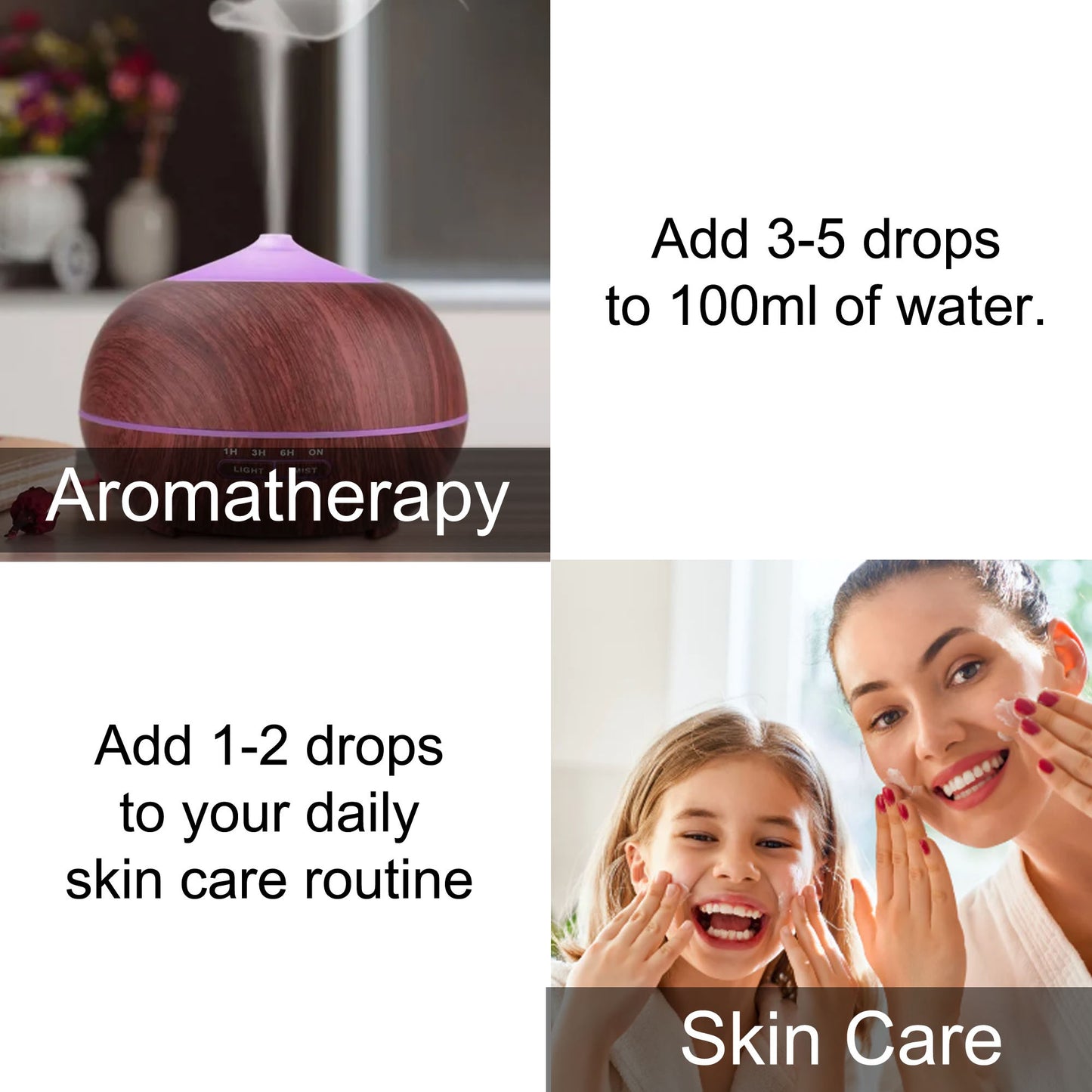
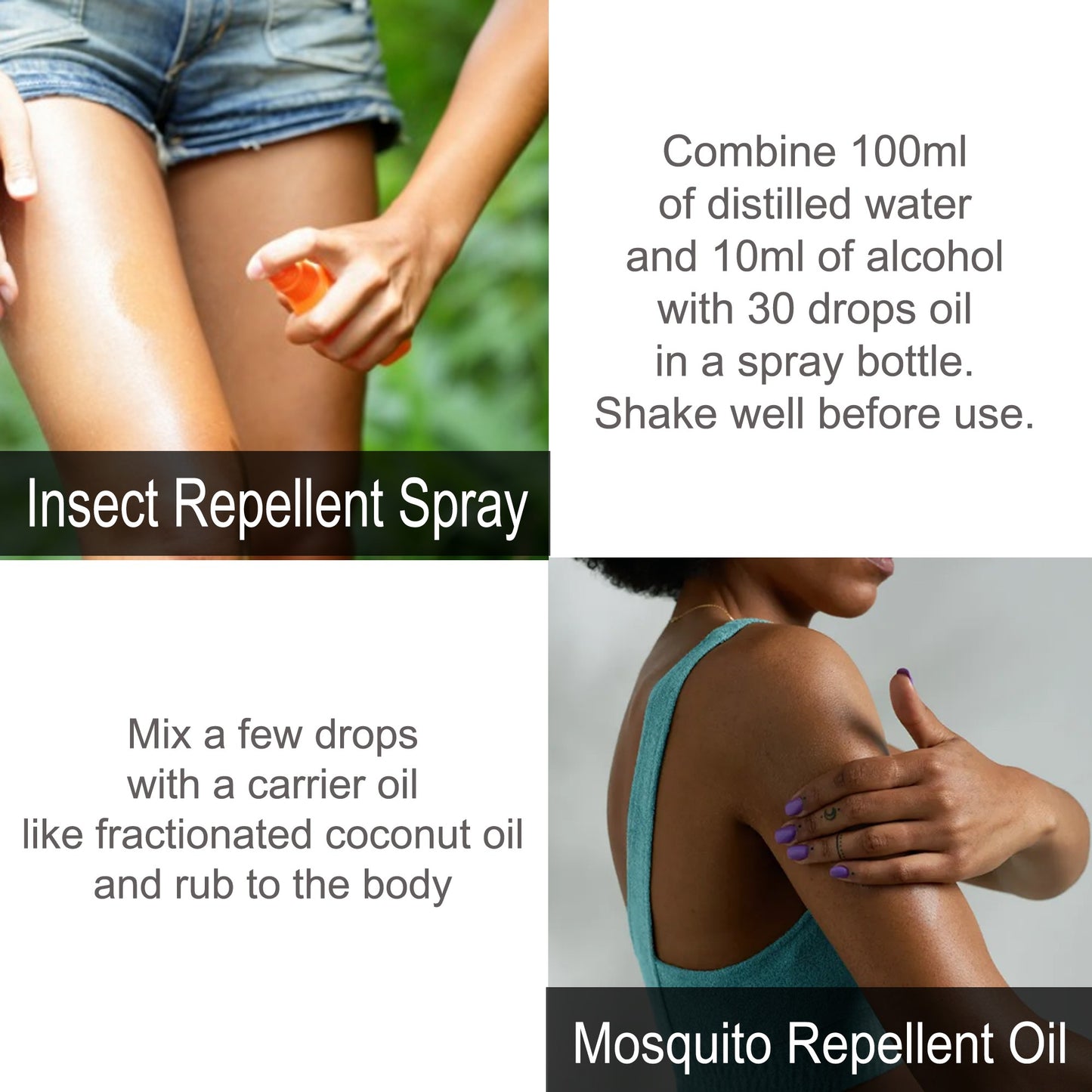
Mix citronella oil with a carrier oil at a 2% dilution rate for topical application or blend it with alcohol and water for spray.
- Topical Dilution: Combine 10 to 12 drops of Citronella oil per 30ml of carrier oil for safe skin application.
- Carrier Selection: Dilute citronella in Fractionated Coconut Oil to facilitate smooth absorption without leaving a greasy residue.
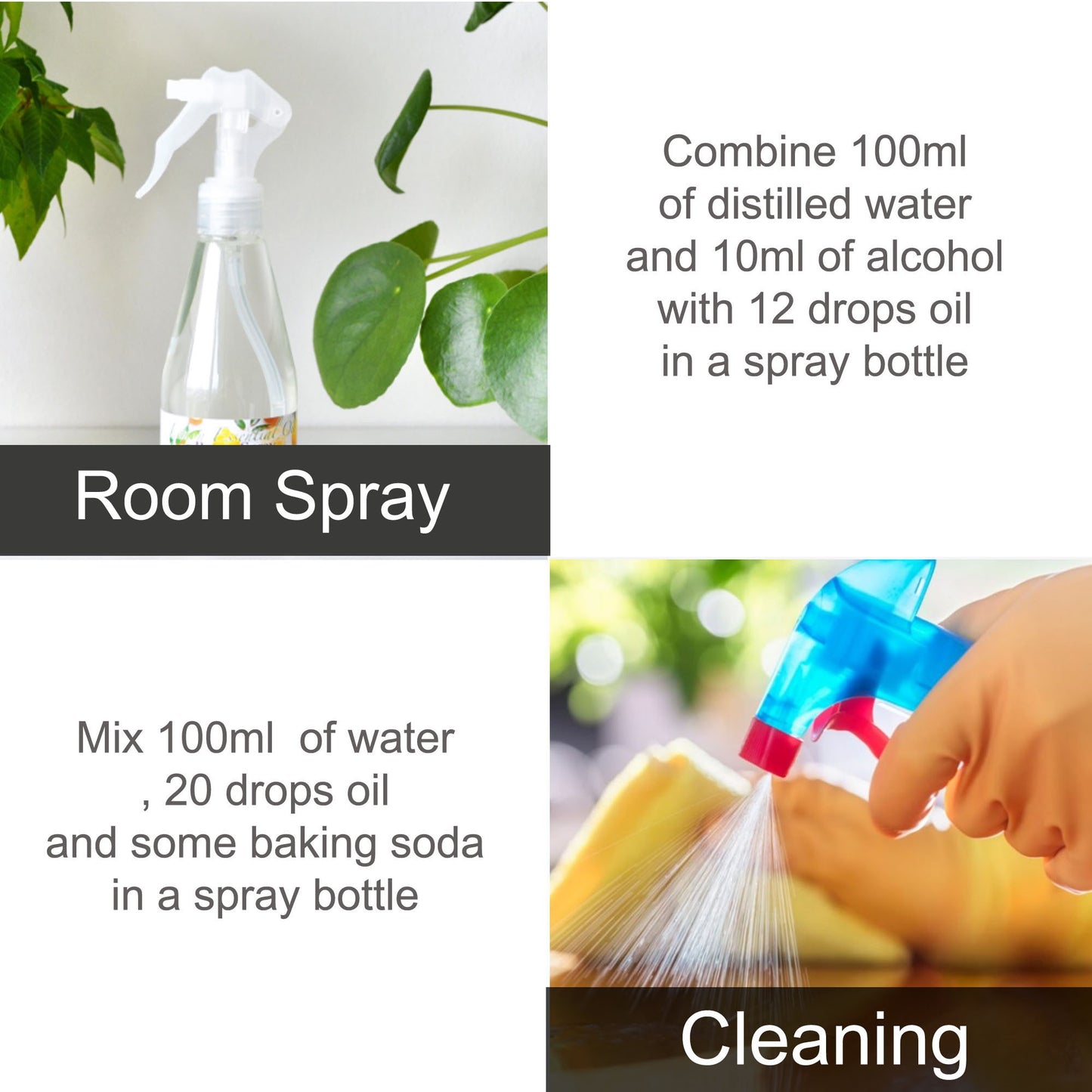
- Spray Recipe: Mix citronella essential oil with witch hazel and distilled water in a glass spray bottle for convenient misting.
Crafting Custom Topical and Room Formulations
Preparing a homemade outdoor spray is straightforward and requires minimal ingredients. To craft a lightweight body or ambient mist, combine 30ml of distilled water, 15ml of Organic Witch Hazel Extract, and 20 drops of Citronella essential oil in an amber glass misting bottle. Shake vigorously prior to each application to ensure the floating oil droplets disperse evenly throughout the liquid base.
For direct skin application, blending Citronella with plant-based carrier oils is necessary to avoid localized skin sensitivity. A standard 2% dilution—approximately 12 drops per 30ml of liquid carrier—provides aromatic comfort for healthy complexions during twilight outdoor activities. Applying this blend to ankles, wrists, and behind the neck forms a protective natural fragrance barrier.
Best Practices for Storage and Application
Essential oil mixtures should ideally be stored in dark glass containers, such as amber or cobalt blue bottles, to shield light-sensitive volatile compounds from oxidation. Store your homemade preparations in a cool, dark cupboard away from direct sunlight and heat sources to extend shelf life. Always perform a patch test on a small area of skin prior to widespread topical application.
Which Is Better For Mosquitoes, Lemongrass Or Citronella?
Both oils effectively deter mosquitoes, but lemongrass contains higher citral levels for longer residual protection, while citronella offers broader airborne masking.
Comparing Plant Chemistry and Longevity
Choosing between these two popular botanical options comes down to chemical composition and specific application needs. Lemongrass contains high concentrations of citral (a combination of geranial and neral), which evaporate slightly slower than the aldehydes present in Citronella. Consequently, lemongrass essential oil often maintains its deterrent lingering scent for a longer duration on physical surfaces.
Conversely, Citronella oil excels at rapidly saturating open outdoor spaces with an expansive aromatic canopy. Because it volatilises quickly, Citronella essential oil provides immediate and robust scent dispersion over broad areas like verandas, gardens, and campsites. Many outdoor enthusiasts combine equal parts of both oils to achieve both swift initial airborne coverage and extended lingering protection.
Aromatic Profile and Personal Preference
Scent preference also plays a major role in choosing the ideal botanical repelling agent for your household. Lemongrass presents a sharp, sweet citrus aroma reminiscent of fresh lemon peel, whereas Citronella offers a greener, slightly woodier herbal citrus fragrance. Combining pure Citronella oil with complementary herbaceous accents creates a balanced outdoor aroma that enhances any outdoor seating area.
How Long Does Citronella Last?
Citronella repellent typically lasts between thirty minutes to two hours depending on formulation, environmental airflow, humidity levels, and application method.
Maximizing Evaporation Timelines
The active lifespan of any essential oil depends largely on ambient temperature, wind movement, and base formulation. Pure unformulated Citronella oil evaporates rapidly when exposed to direct sun and breeze, often losing maximum potency within thirty to forty-five minutes. However, anchoring the volatile molecules inside fixed lipid carriers significantly slows down vaporisation, extending outdoor comfort for up to two hours.
To maintain continuous protection during extended outdoor stays in Australia, regular reapplication is recommended. Diffusing pure Citronella oil in ultra-sonic outdoor diffusers or refreshing liquid body sprays every hour ensures uninterrupted aromatic coverage against annoying pests.
Fixatives and Carrier Synergy
Incorporating natural fixatives like Peru Balsam Oil or heavy base carriers can substantially retard the rate of aromatic loss. These heavier viscous substances hold volatile top notes in place, allowing the lemony scents of Citronella to release gradually into the surrounding breeze. Using well-balanced DIY recipes helps maximize the efficiency of your plant-based outdoor care products.
To explore similar profiles, discover these pure purelyBlack creations: Rosemary Essential Oil, May Chang Oil, and Nutmeg Oil — each dispatched from Sydney.
Browse our complete range of Pure Essential Oil Singles and discover premium Pure Essential Oils Australia wide.
Related Reading
For more on citronella oil, see our companion guides: How to Repel Flies with Citronella Oil. How to Safely Use Citronella Oil at Home.
About the Author
Written by H.R. Kim
Founder at purelyBlack — an Australian-owned perfumery and botanical studio based in Sydney. H.R. specialises in scent profiling and natural ingredient sourcing, meticulously balancing premium fragrance oils and 100% pure essential oils to create elevated aromatic experiences.
Last updated: August 2026
Disclaimer: purelyBlack essential oils are for external use and aromatherapy purposes only. They are not intended to diagnose, treat, cure, or prevent any disease. Always dilute with a carrier oil before topical application and consult a healthcare professional if pregnant or under medical supervision.
