


What Are the Side Effects of Cardamom Oil? Safety Guide
What are the potential side effects of cardamom oil?
Cardamom oil side effects primarily include localised skin redness, contact dermatitis from undiluted use, and respiratory irritation if inhaled excessively.
- Cutaneous Sensitisation: Applying undiluted cardamom oil can provoke stinging, inflammation, or allergic contact rash on vulnerable skin.
- Mucous Membrane Irritation: Direct exposure of eyes, inner ears, or broken skin to aromatic vapours causes intense burning.
- Respiratory Overstimulation: Inhaling concentrated 1,8-cineole rich vapours in unventilated rooms may induce transient dizziness or coughing.


Cardamom oil is steam-distilled from the crushed seeds of Elettaria cardamomum, a perennial botanical belonging to the Zingiberaceae plant family. The oil owes its warming, spicy profile to prominent active terpenes that require mindful handling during everyday use.
According to a published phytochemical study, the primary chemical constituents are alpha-terpinyl acetate (35–45%) and 1,8-cineole (25–35%). While these natural compounds provide aromatic comfort, high concentrations of 1,8-cineole can irritate mucous membranes if used carelessly.
Chemical Profile and Skin Reactivity
Cardamom essential oil is generally well-tolerated by healthy adults when correctly blended with carrier mediums. However, direct dermal contact with neat oil poses a significant risk of acute chemical irritation.
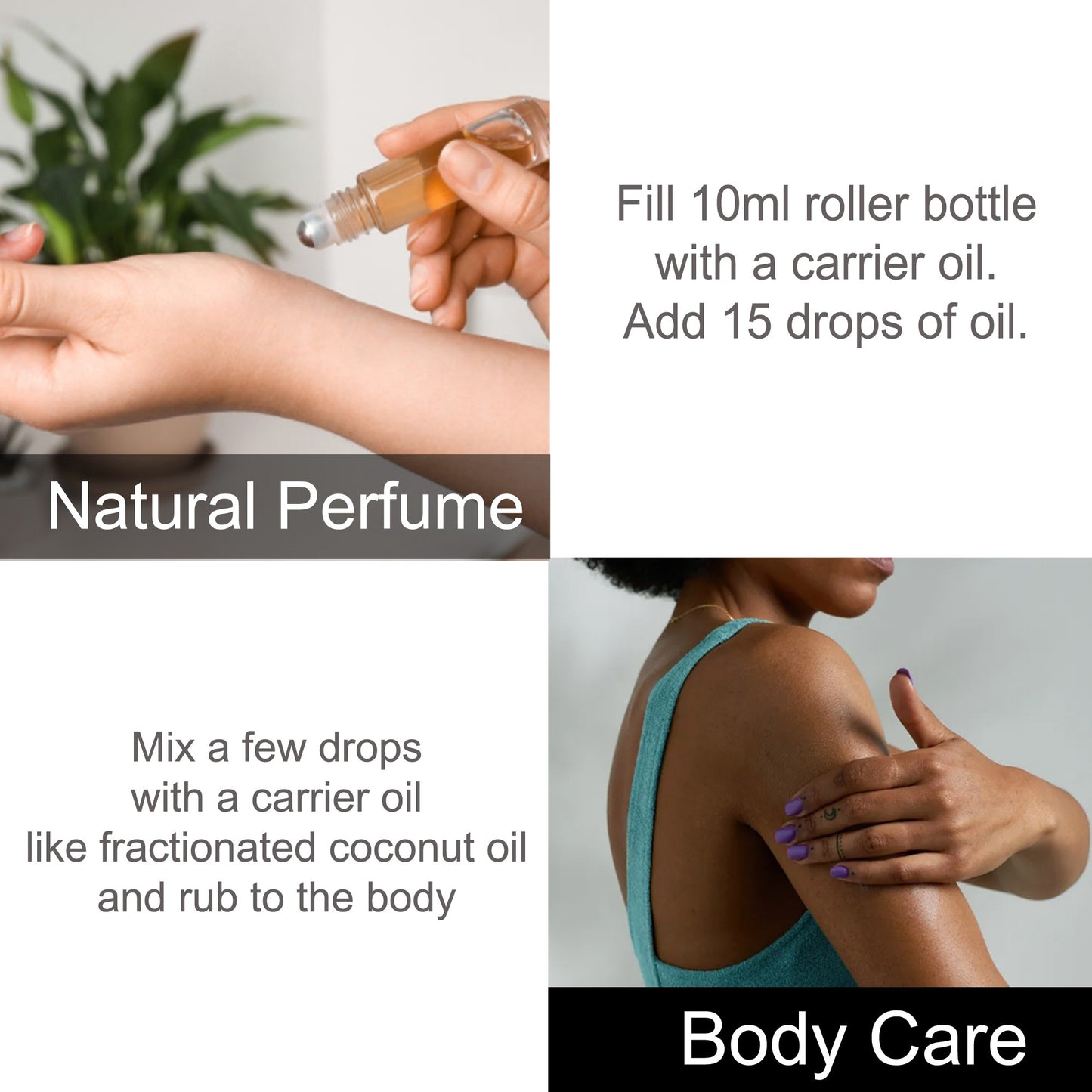
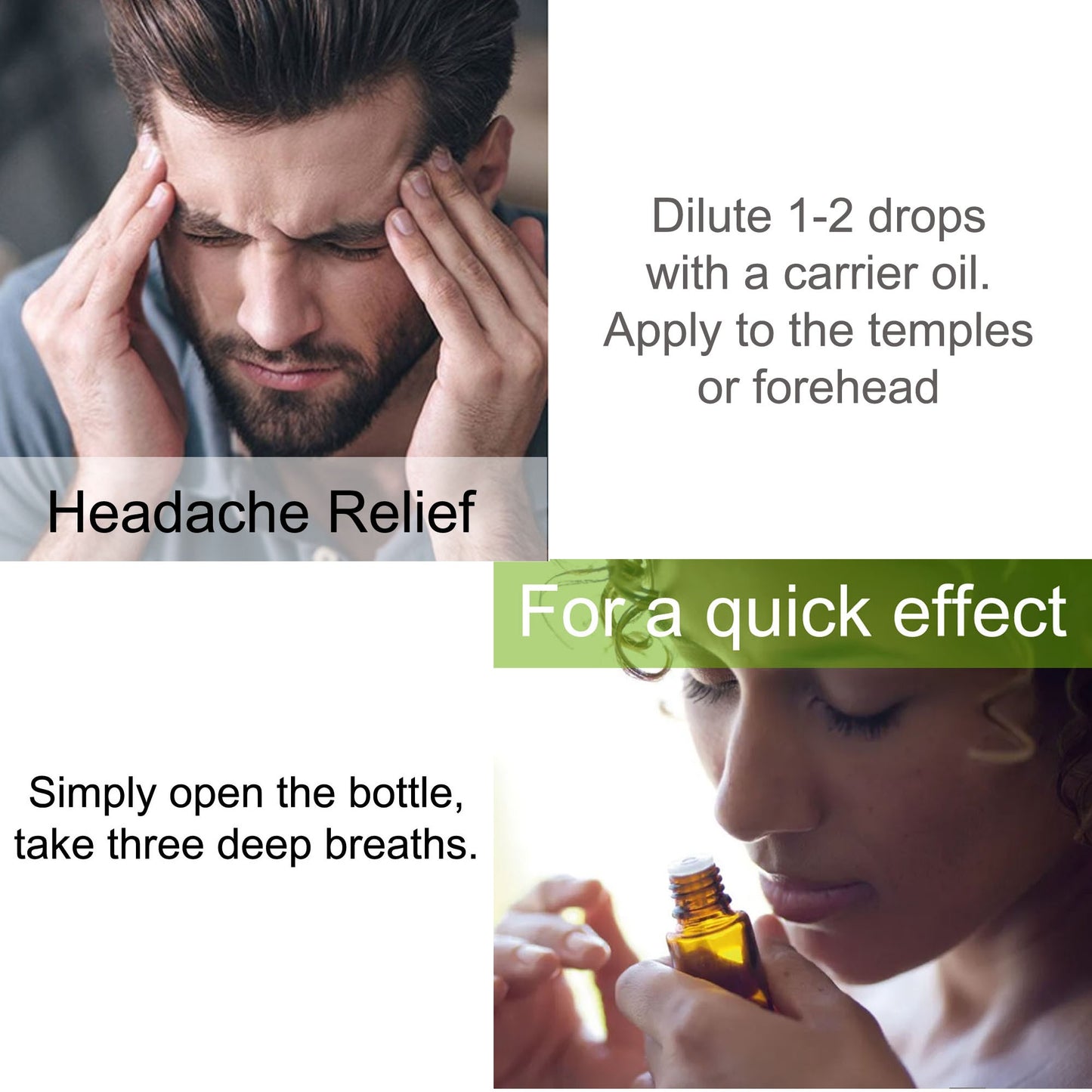
When preparing topical blends, always dilute the oil into a gentle base such as Fractionated Coconut Oil prior to application. Blending with soothing botanicals like plain text thyme or mandarin can also create balanced aromatic mixtures without overwhelming sensitive skin.
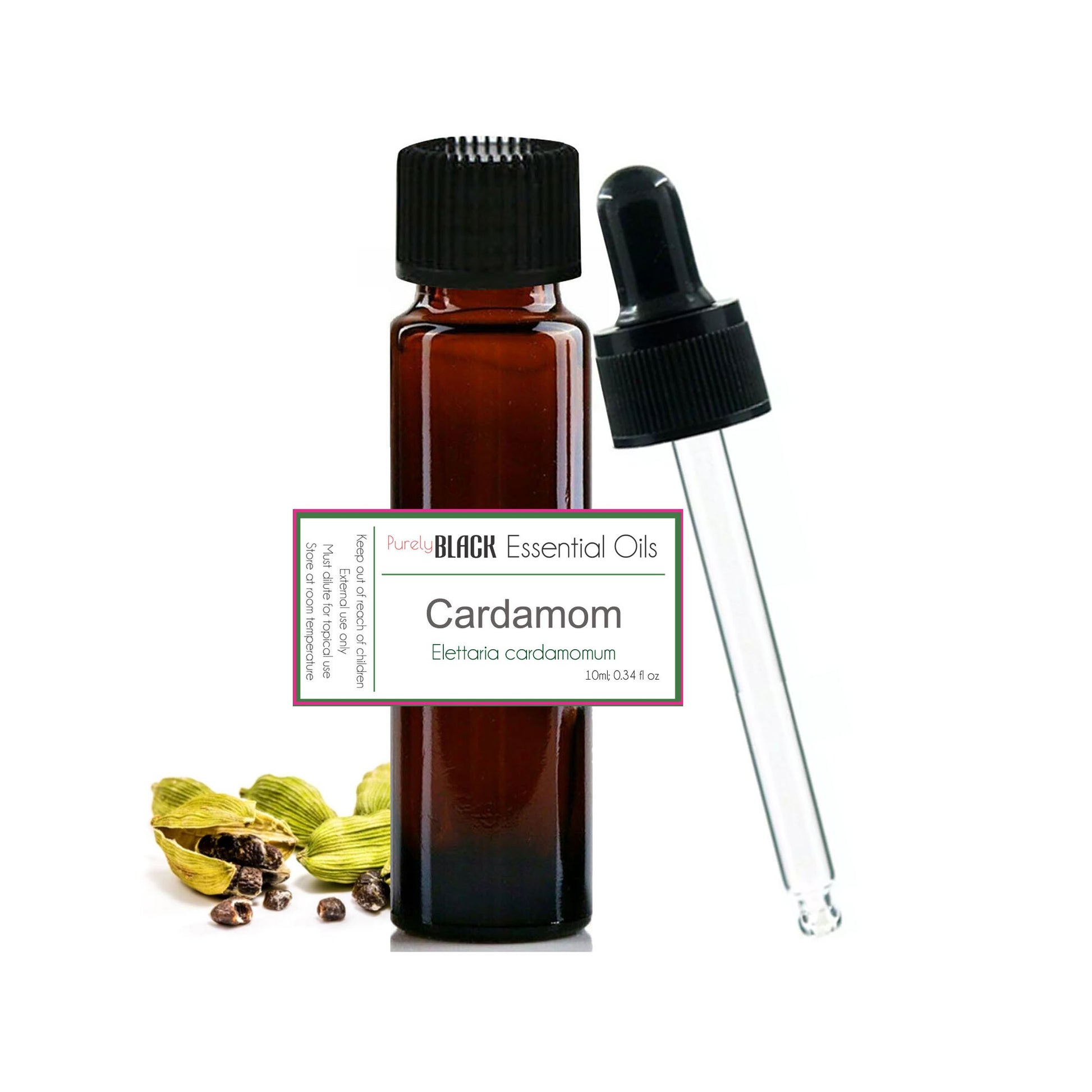
purelyBlack's pure cardamom oil is available as a 100% pure essential oil, dispatched from Sydney.
Who should not use cardamom oil?
Infants, young children under six years old, pregnant women without guidance, and individuals with severe respiratory sensitivities should avoid it.
Young children possess delicate respiratory systems and thinner dermal barriers, making them especially vulnerable to high-cineole botanicals. The 1,8-cineole content in Cardamom can trigger sudden reflex spasms in the glottis or bronchial tract of young children.
Expectant and nursing mothers should avoid unguided topical or diffused exposure due to limited clinical data regarding uterine tone and hormonal pathways. Consulting an experienced healthcare practitioner ensures maternal and infant safety before introducing concentrated botanical extracts.
Safety Considerations and Guidelines
Individuals diagnosed with hypersensitive skin or spice allergies should also refrain from applying Cardamom topical formulations without prior patch testing. Compromised skin barriers allow rapid absorption of aromatic compounds, increasing the likelihood of inflammatory flares.
The following safety guide outlines recommended precautions for different demographic groups when using this botanical extract.
| User Group | Safety Status | Precautionary Guideline |
|---|---|---|
| Infants & Toddlers (0–2 yrs) | Strictly Avoid | Never apply topically or diffuse near breathing spaces due to respiratory spasm risks. |
| Children (2–6 yrs) | Avoid Direct Use | Avoid direct chest application; choose milder botanical alternatives for diffusion. |
| Pregnant & Nursing Women | Professional Guidance | Consult an accredited health professional prior to introducing topical or diffuser blends. |
| Asthmatics & Sensitive Airway | High Caution | Diffuse only in low concentrations within well-ventilated spaces for brief periods. |
| Healthy Adults | Generally Safe | Dilute to 1–2% in carrier oil for massage or diffuse in short cycles. |


Does cardamom oil affect blood pressure?
No clinical evidence confirms cardamom oil alters blood pressure directly, though its calming aroma supports general relaxation during stressful moments.
- Aromatic Relaxation: Inhaling diffused cardamom vapours promotes a tranquil atmosphere that helps ease nervous tension in daily living.
- Non-Systemic Impact: Topical aromatherapy application provides localized warmth without exerting documented systemic cardiovascular effects in clinical settings.
- Medical Non-Interference: Aromatherapy should never replace prescribed hypertensive medications or professional medical monitoring for cardiovascular conditions.
Cardamom oil has traditionally been appreciated in botanical practice for its warming and grounding aromatic qualities. When experiencing moments of heightened daily pressure, many people turn to aromatic diffusion to encourage emotional equilibrium.
Diffusing Cardamom alongside grounding oils like plain text vetiver or fennel helps create a restful home ambience. These complementary scents promote evening unwind rituals without interfering with bodily autonomic regulation.
Cardiovascular Considerations in Aromatherapy
While experimental animal studies on cardamom spice seeds suggest circulatory influence, concentrated essential oils act primarily via olfactory pathways. Diffusing essential oils does not deliver pharmacological doses to vascular tissues.
Individuals managing diagnosed hypertension or hypotension must maintain their prescribed medical protocols. Botanical oils serve as complementary sensory tools to foster relaxation, rather than corrective therapeutic agents for blood pressure regulation.
Who should avoid cardamom oil?
People with acute asthma, reactive airway conditions, gallstone complications, or diagnosed dermal allergies to Zingiberaceae botanicals should avoid this oil.
Asthmatic individuals and those prone to bronchospasms must approach cineole-heavy essential oils with extreme care. When volatile aromatic particles enter hyper-reactive airways, they can provoke coughing fits, shortness of breath, or sudden chest tightness.
Those with active gallstones or biliary colic should also avoid intensive topical applications over the abdominal region. Botanical traditions note that stimulating spice extracts may cause discomfort in individuals suffering from obstructed bile ducts.
Managing Atopic Skin and Botanical Sensitivities
Individuals with eczema, rosacea, or atopic dermatitis must avoid applying Cardamom without prior testing. The warming nature of the monoterpenes can exacerbate facial redness and trigger stinging sensations on broken skin.
To safely determine individual skin tolerance, perform a 24-hour patch test using a 1% dilution on the inner forearm. If any pruritus, erythema, or swelling develops, discontinue use immediately and cleanse the area with plain vegetable oil.
What is the side effect of cardamom oil?
The most common side effect of cardamom oil is contact dermatitis, manifesting as cutaneous redness, burning, itching, or minor swelling.
Dermal irritation develops primarily when pure Cardamom oil is applied without adequate dilution in vegetable carrier oils. Monoterpenes can strip the lipid mantle of delicate skin, resulting in localised burning, micro-peeling, or uncomfortable dryness.
Secondary adverse reactions include olfactory overstimulation, which occurs during continuous diffusion in unventilated rooms. Prolonged inhalation of dense vapours may trigger mild headaches, nausea, or lightheadedness in sensitive individuals.
Safe Practice and Recovery Measures
If skin irritation develops from topical application, immediately apply a generous amount of plain carrier oil to dilute the residue. Water alone will not dissolve essential oils and may spread the irritating compounds across a wider surface area.
To support a healthy complexion without irritation, incorporate gentle botanical toners like Organic Rosewater or astringent Organic Witch Hazel Extract before applying diluted oils. Using intermittent diffusion cycles of thirty minutes ensures a pleasing aromatic presence without olfactory fatigue.
To explore similar profiles, discover these pure purelyBlack creations: Clary Sage Oil, Cypress Oil, and Juniper Berry Oil — each dispatched from Sydney.
Related Reading
For more on cardamom oil, see our companion guide: What Is Cardamom Essential Oil Good For? — Complete Guide.
About the Author
Written by H.R. Kim
Founder at purelyBlack — an Australian-owned perfumery and botanical studio based in Sydney. H.R. specialises in scent profiling and natural ingredient sourcing, meticulously balancing premium fragrance oils and 100% pure essential oils to create elevated aromatic experiences.
Last updated: August 2026
Disclaimer: purelyBlack essential oils are for external use and aromatherapy purposes only. They are not intended to diagnose, treat, cure, or prevent any disease. Always dilute with a carrier oil before topical application and consult a healthcare professional if pregnant or under medical supervision.
