

What Is Manuka Essential Oil? Benefits, Uses & How to Use It
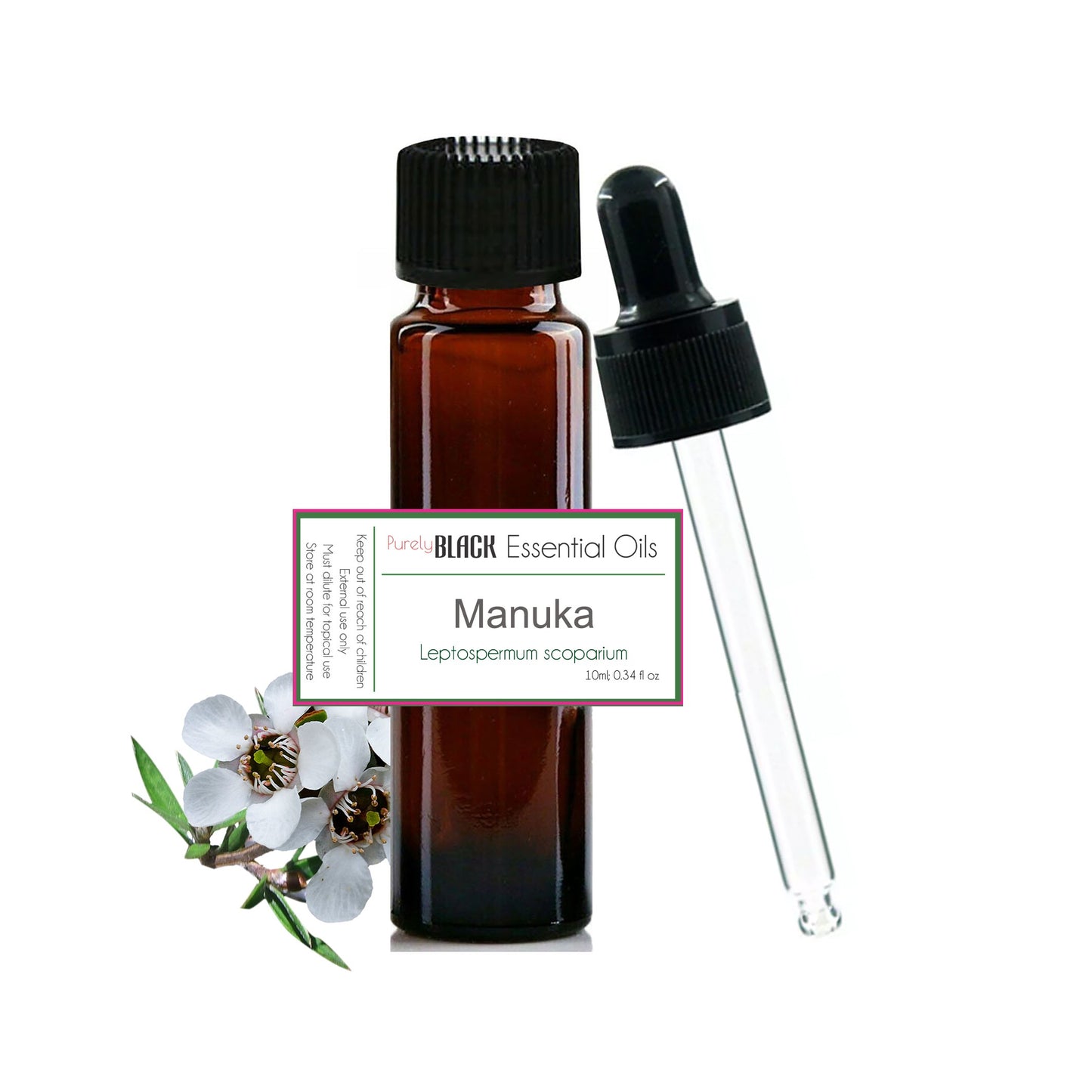
Manuka essential oil is a steam-distilled extract from the leaves and twigs of Leptospermum scoparium, a flowering shrub native to New Zealand. Distinguished by a complex herbaceous-woody aroma and a uniquely rich sesquiterpene profile — including leptospermone and trans-calamenene — it is one of the most botanically distinctive essential oils available for diffuser blending, diluted skincare, and aromatic applications.

Where Does Manuka Essential Oil Come From?
Manuka (Leptospermum scoparium) belongs to the Myrtaceae family — the same broad family as tea tree, niaouli, and cajeput. It is a hardy, flowering shrub that grows prolifically across New Zealand, where it is deeply woven into Māori culture and traditional knowledge systems.
New Zealand is the primary commercial source of manuka essential oil. Different regional growing conditions across the North and South Islands produce oils with distinct constituent profiles — particularly in the ratio of leptospermone, the compound that gives manuka oil its most distinctive aromatic character.
Manuka oil is often confused with kanuka oil (Kunzea ericoides), which grows in similar environments but has a markedly different constituent profile — predominantly α-pinene rather than sesquiterpenes. They are not interchangeable.
What Does Manuka Oil Smell Like?
Manuka oil has a complex, herbaceous-woody aroma with a distinct medicinal sharpness. It opens with a fresh, slightly camphoraceous top note, then develops into a warm, dry, earthy middle with a subtly sweet, honey-like undertone.
The dry-down is woody and grounding, longer-lasting than most herbal oils due to its high sesquiterpene content. It is noticeably different from tea tree oil — less clinical, more complex, and considerably more aromatic.
In diffuser blending, manuka adds a distinctive botanical sharpness that grounds citrus and floral blends without the harshness of eucalyptus.
What Are the Key Constituents of Manuka Essential Oil?
| Constituent | Area % | Character |
|---|---|---|
| trans-Calamenene | 13.51% | Woody, earthy sesquiterpene — key manuka marker |
| Leptospermone | 13.15% | Characteristic manuka ketone; honey-medicinal |
| δ-Cadinene | 6.70% | Woody, herbal base note |
| Cadina-3,5-diene | 7.09% | Dry, woody cadinene-type sesquiterpene |
| trans-Cadina-1,4-diene | 5.84% | Dry woody modifier |
| α-Selinene | 5.23% | Woody, herbal sesquiterpene |
| Flavesone | 4.50% | Manuka-specific diketone; aromatic marker |
| α-Cubebene | 4.67% | Earthy, spicy sesquiterpene |
| α-Copaene | 4.61% | Woody, slightly spicy |
| iso-Leptospermone | 4.08% | Structural isomer of leptospermone |
| β-Caryophyllene | 3.71% | Dry, spicy-woody |
| α-Pinene | 1.69% | Fresh, piney top note |
Leptospermone and trans-calamenene together are the botanical fingerprint of genuine Leptospermum scoparium oil — their combined presence at these levels confirms authentic New Zealand manuka, distinguishable from kanuka and other Leptospermum species.
How Is Manuka Essential Oil Extracted?
Manuka essential oil is produced by steam distillation of the fresh or lightly dried leaves and terminal twigs of Leptospermum scoparium. Unlike manuka honey — which is extracted from the flower's nectar — the essential oil comes entirely from the leaf and twig material.
The oil is pale yellow in colour, with a thin to medium consistency. Its high sesquiterpene content gives it excellent aromatic longevity compared to most herbal essential oils.
How Do You Use Manuka Oil?
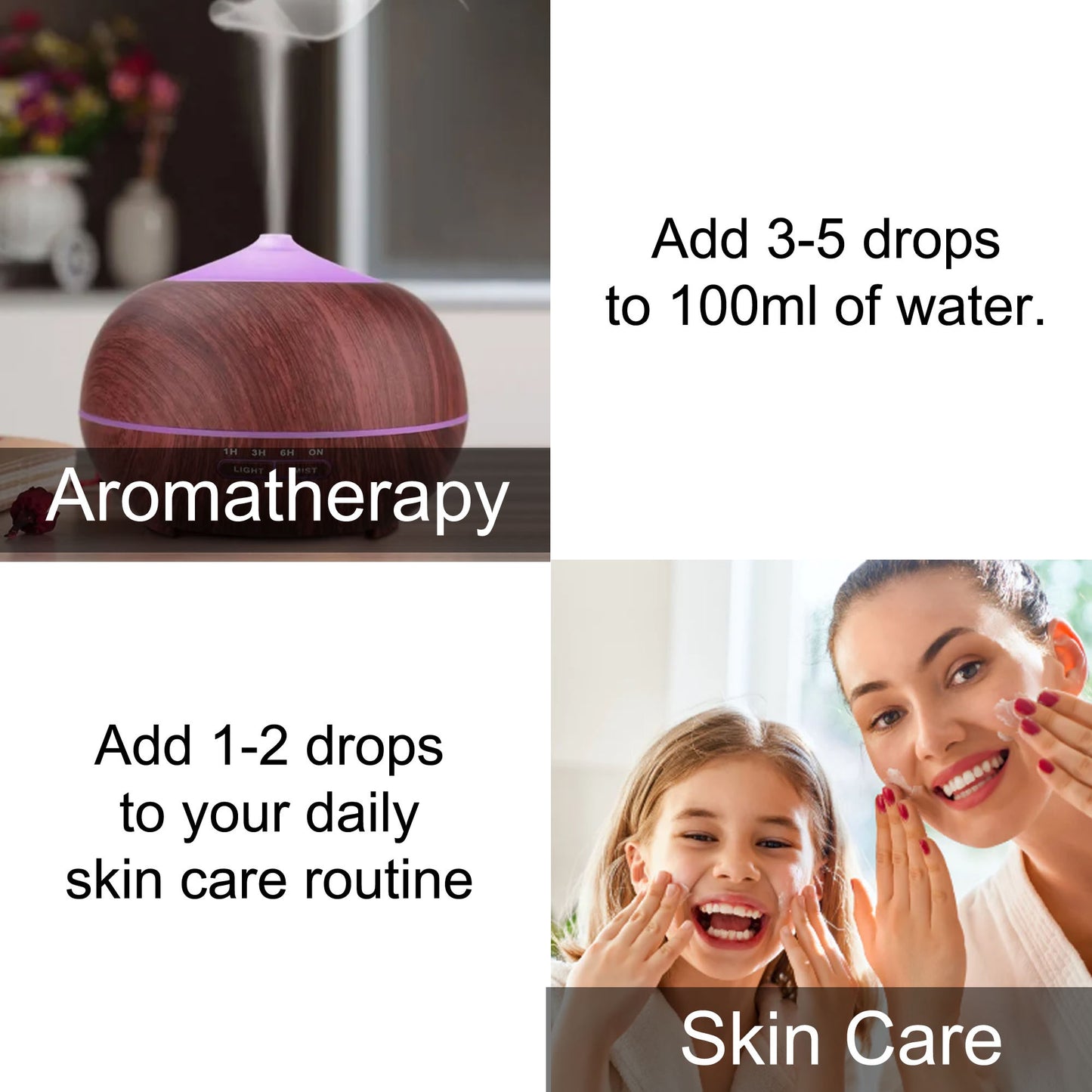
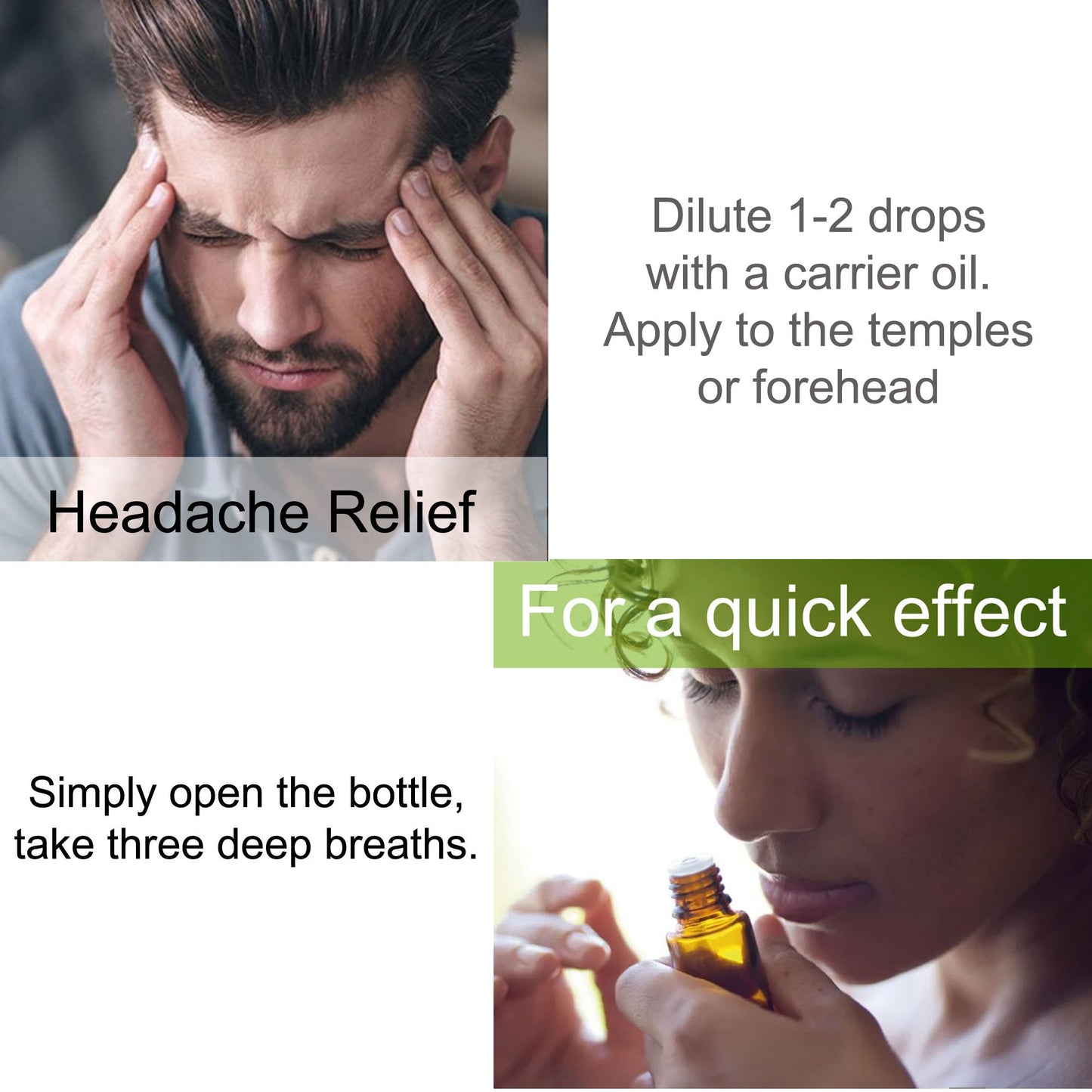
Diffuser use: Add 3–5 drops to a water-filled ultrasonic diffuser. Manuka blends well with citrus, woody, and resinous oils. Its distinctive character works best in small amounts as an accent rather than a dominant note.
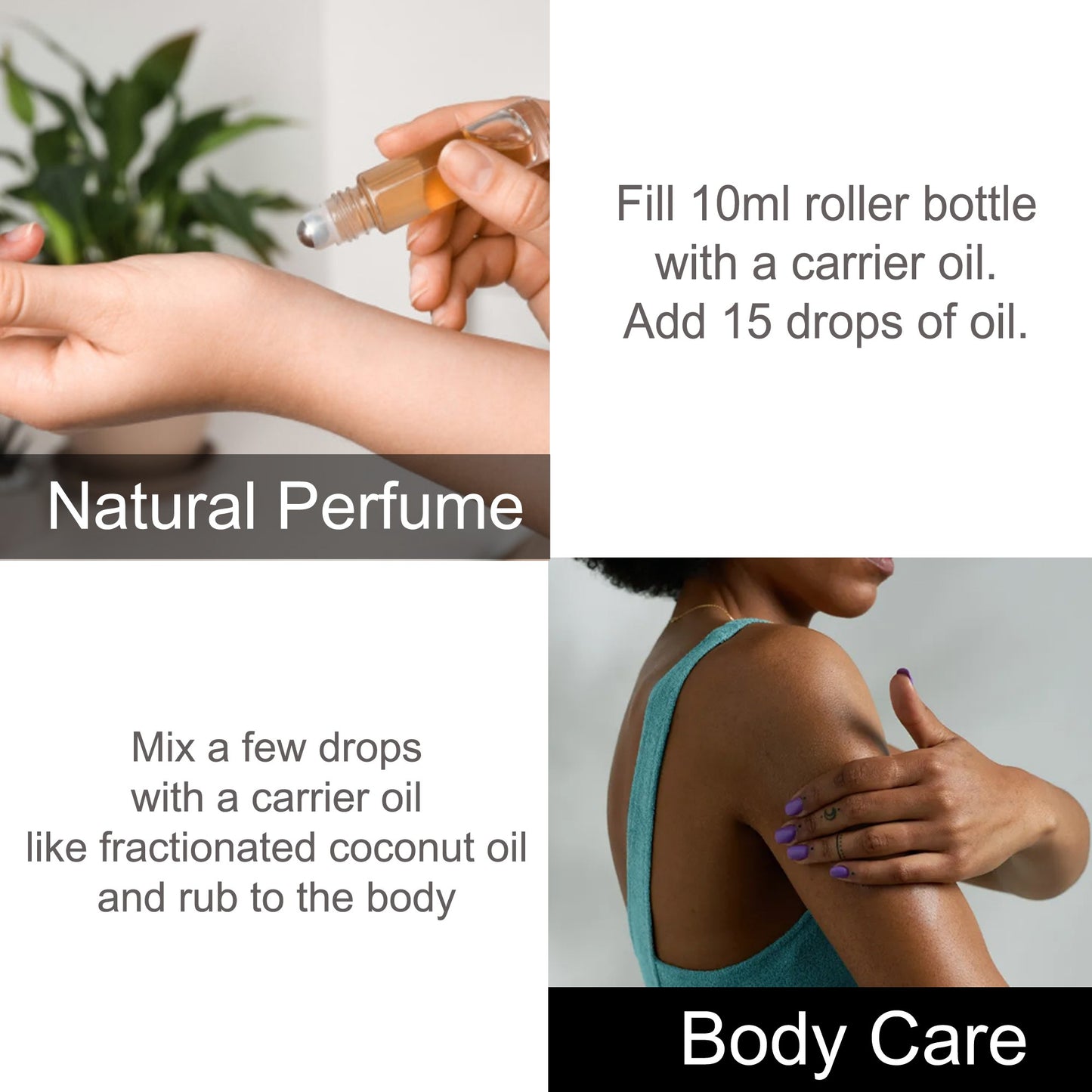
Topical use: Always dilute before applying to skin. Per NAHA guidelines, a 2% dilution is recommended for general adult use — approximately 12 drops per 30ml of fractionated coconut oil. For facial use, a 1% dilution is preferable.
Not for ingestion: For external use only.
What Does Manuka Oil Blend Well With?
| Oil | Why It Works |
|---|---|
| Lemon Myrtle | Bright citrus-herbal that lifts manuka's woody depth — a natural Antipodean pairing |
| Tea Tree | Myrtaceae family companion; manuka softens tea tree's clinical edge |
| Lavender | Softens manuka's medicinal sharpness with a familiar herbal warmth |
| Cedarwood | Dry woody base that harmonises with manuka's sesquiterpene-rich profile |
| Frankincense | Resinous depth that adds a grounding, meditative quality to manuka blends |
| Bergamot | Bright citrus top note that opens manuka's heavier woody base |
Is Manuka Essential Oil Safe?
For adults: Safe when properly diluted. Do not apply undiluted to skin.
Skin sensitivity: Manuka oil is generally well tolerated at standard dilutions. Perform a patch test before wider application, particularly for sensitive skin types.
Pregnancy and nursing: Consult a qualified healthcare practitioner before use.
Children: Not recommended for children under 2 years. For older children, reduce dilution to 0.5–1% and avoid facial application.
Species note: Ensure you are using Leptospermum scoparium (manuka) and not Kunzea ericoides (kanuka). Both are sold in Australia and New Zealand but have different constituent profiles and aromatic characters.
Storage: Store in a cool, dark location away from direct sunlight. The high sesquiterpene content gives manuka oil good shelf stability.
Where to Buy Manuka Essential Oil in Australia
purelyBlack's pure Manuka Essential Oil is steam-distilled from New Zealand Leptospermum scoparium leaves and twigs and GC/MS tested by a GMP and ISO-certified supplier laboratory. It is 100% pure, vegan, and cruelty-free — shipped from Australia.
Explore Our Manuka Oil Guides
Pure Manuka Oil for Skin Repair & Blemishes
How to dilute and apply manuka oil as part of a targeted skincare routine for blemish-prone and congested skin.
Pure Manuka Oil for Muscle Comfort
Dilution ratios and massage blend techniques using manuka oil for post-activity topical soothing routines.
Pure Manuka Oil for Outdoor Insect Protection
How to use manuka oil in DIY sprays and blends for natural outdoor aromatic protection.
Written by H.R. Kim
