

Is Helichrysum Essential Oil Safe? Side Effects and Precautions
Who should not use Helichrysum oil?
Pregnant individuals, young children, people taking blood thinners, and those with Asteraceae allergies should avoid using Helichrysum oil without professional guidance.
- Bleeding Disorders: Individuals taking anticoagulant medications should refrain from topical or aromatic application due to potential interactions.
- Pregnancy Precautions: Expectant mothers should avoid botanical extracts during early trimesters unless supervised by a healthcare practitioner.
- Asteraceae Sensitivity: Persons allergic to ragweed, daisies, or chrysanthemums may experience hypersensitivity reactions to this botanical.


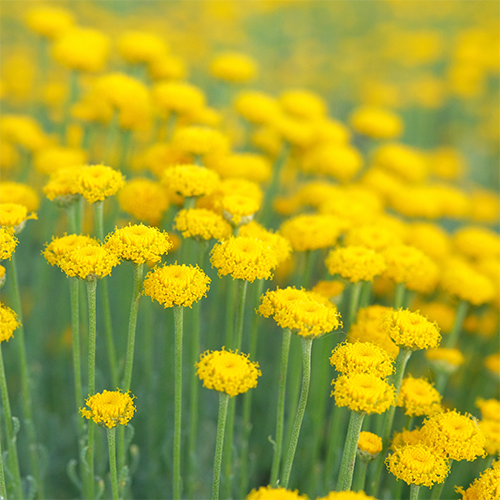
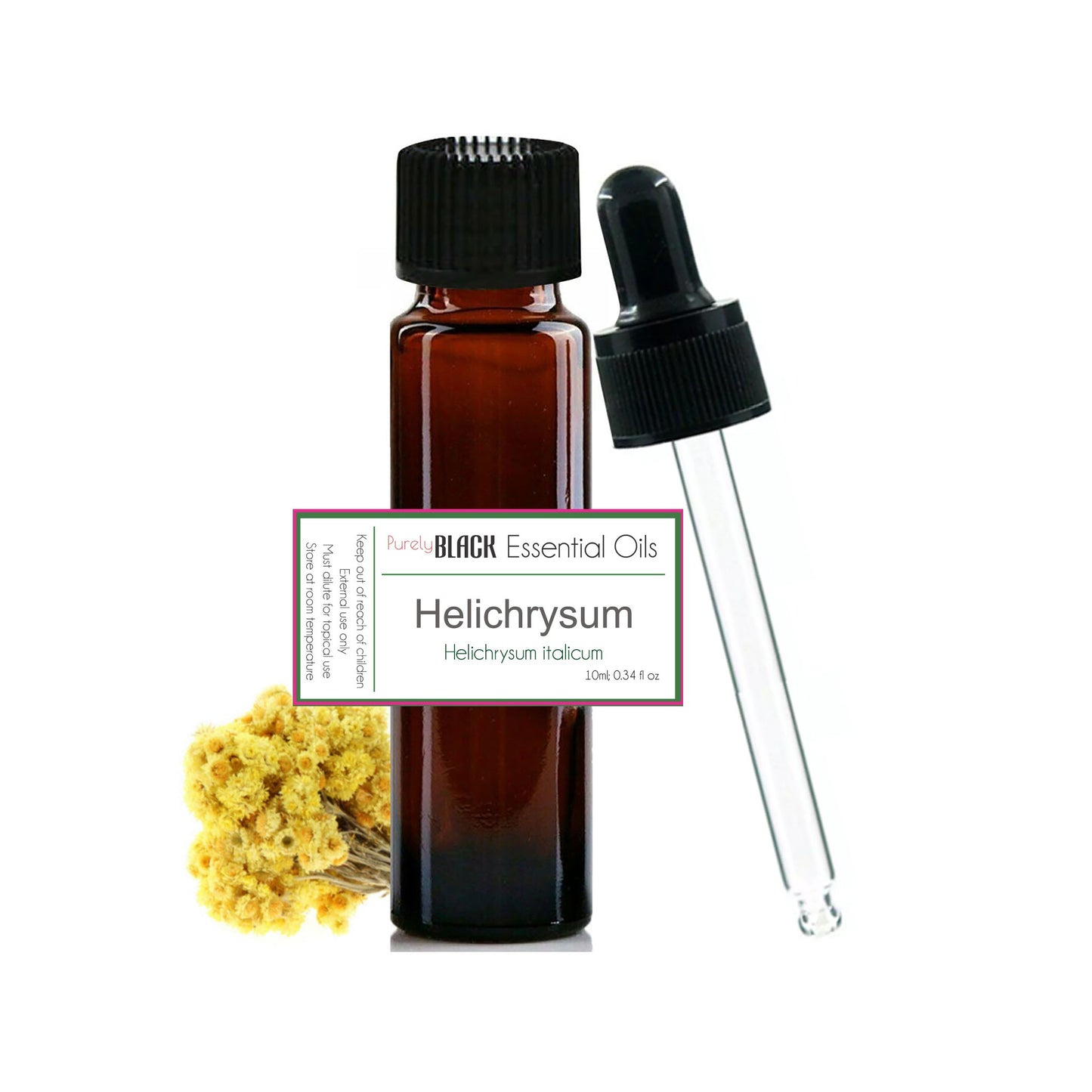
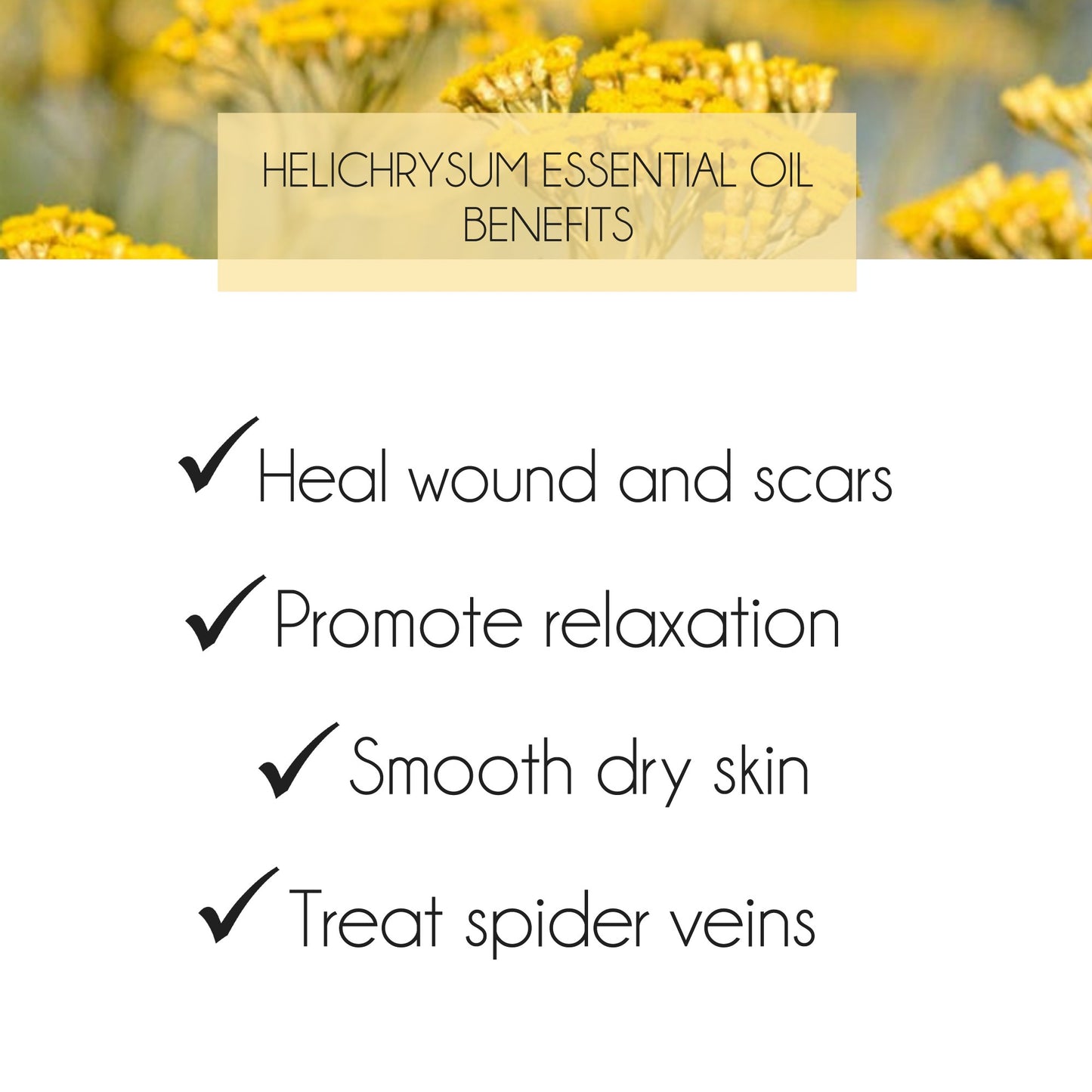
Helichrysum essential oil is distilled from the vibrant flowering tops of Helichrysum italicum, a prominent perennial shrub belonging to the Asteraceae botanical family native to the sunny Mediterranean region. While highly valued across traditional aromatherapy practices for its restoring nature, safety precautions remain essential for vulnerable groups. The extraction method involves gentle steam distillation, yielding a concentrated plant extract rich in complex volatile compounds.
Individuals who experience bleeding disorders or take prescription blood-thinning treatments must exercise extreme caution with Helichrysum oil. Specific active components within the oil can potentially influence natural coagulation dynamics when absorbed into the body. Furthermore, expectant mothers and nursing parents ought to consult a qualified health professional prior to introducing new concentrated botanicals into their self-care rituals.
Patch testing is always advised before topically applying Helichrysum to larger body areas to rule out localized skin reactivity. Place one drop of diluted oil on the inner forearm and monitor for any redness or irritation over twenty-four hours. For households in Australia seeking authentic botanical preparations, purelyBlack's pure helichrysum oil is available as a 100% pure essential oil, dispatched from Sydney.
What essential oils should you avoid on your skin?
Unrefined citrus oils causing phototoxicity, undiluted hot oils, synthetic fragrance blends, and oxidized botanical extracts should be avoided on skin.
Certain plant extracts carry a significantly higher risk of inducing epidermal discomfort or irritation when applied topically. Cold-pressed citrus oils such as bergamot, lime, and grapefruit contain furanocoumarins, which trigger phototoxic reactions when skin is exposed to direct sunlight. Hot oils like cinnamon bark, oregano, clove bud, and thyme possess strong caustic properties that easily damage delicate skin tissue if applied unrefined.
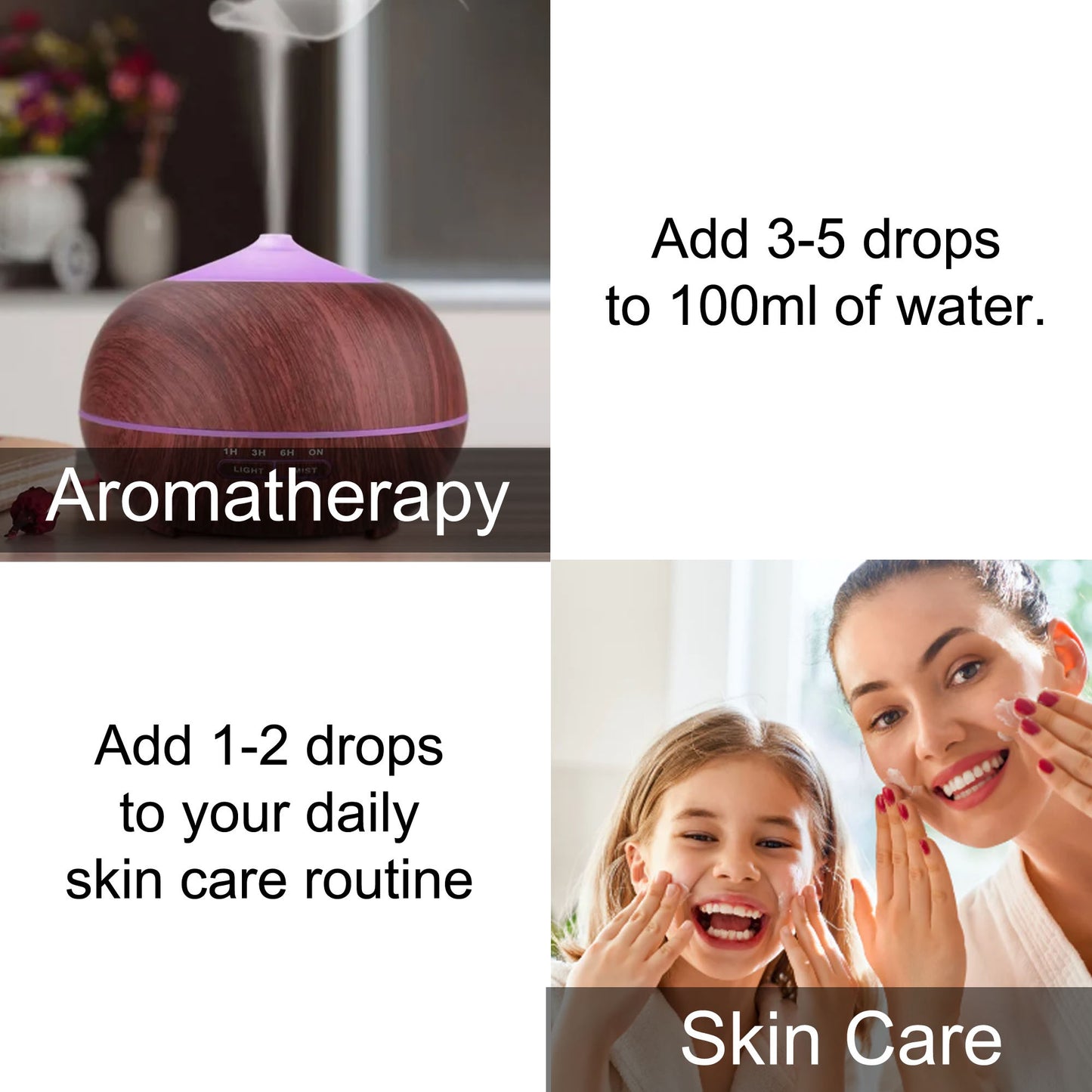
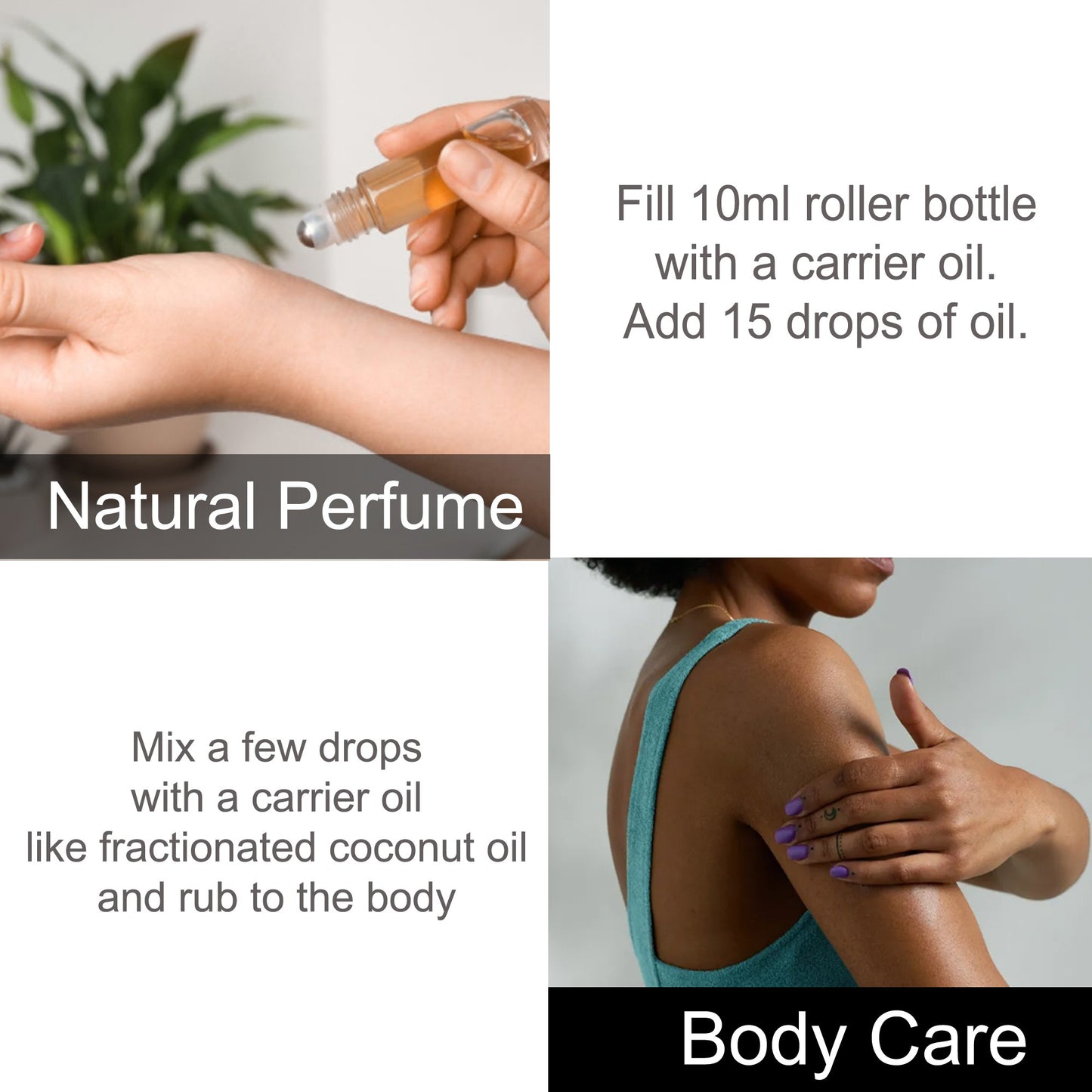
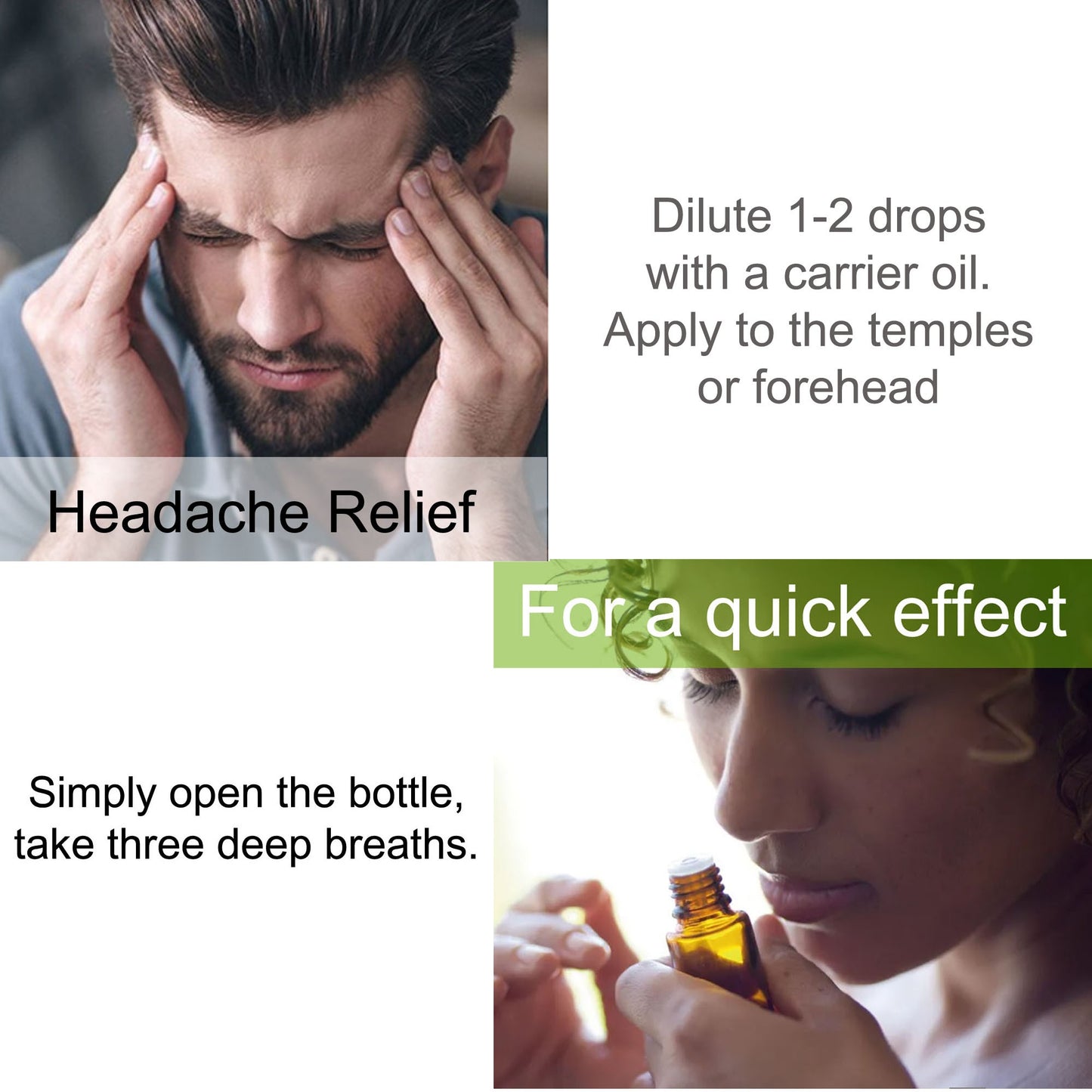
When formulating skincare blends, always combine volatile botanicals with a gentle carrier medium to ensure skin safety. Mixing two drops of Helichrysum oil into ten millilitres of Fractionated Coconut Oil creates a balanced 1% dilution ideal for facial application. Avoid using aged or improperly stored oils, as oxidation alters their chemical structure and vastly increases the likelihood of dermal allergic sensitization.
| Oil Category | Example Botanicals | Primary Topical Safety Risk | Safety Protocol |
|---|---|---|---|
| Phototoxic Oils | Bergamot, Cold-Pressed Grapefruit, Lime | Severe sun sensitivity and skin discolouration | Avoid sunlight for 12 hours after application |
| Hot Oils | Cinnamon Bark, Oregano, Clove Bud | Chemical burns and severe skin irritation | Dilute to 0.5% or lower in carrier oils |
| High-Allergenic Oils | Ylang Ylang, Jasmine, Unrefined Massoia Bark | Contact allergy and localized dermatitis | Perform a 24-hour skin patch test prior to use |
| Gentle Restorative Oils | Helichrysum, Rose, Frankincense, Chamomile | Mild irritation if applied completely raw | Always dilute to 1–2% before skin exposure |
Maintaining safe dilution practices ensures that botanical applications remain comforting rather than irritating to the dermal barrier. Utilizing stable carrier media protects delicate facial complexions while preserving the subtle aromatic qualities of your preferred aromatic blends. Store all botanical formulations in amber glass bottles away from direct light to prevent atmospheric degradation.


Can Helichrysum cause high blood pressure?
When experiencing blood pressure fluctuations, many people examine botanical safety profiles, though current evidence shows no direct link to hypertension.
- Cardiovascular Effects: Research currently shows no elevated hypertensive response associated with inhalation or topical use of Helichrysum.
- Anticoagulant Properties: Active compounds may interact with blood clotting mechanisms rather than direct arterial vascular pressure levels.
- Dilution Guidelines: Always blend concentrated botanical compounds into neutral carrier oils to minimise potential systemic physiological stress.
A subtle relationship exists between volatile organic compounds and human physiological responses during aromatherapy sessions. Phytochemical analysis reveals that Helichrysum contains approximately 25–35% neryl acetate alongside 10–15% diketones (triketones), according to a published phytochemical study. These natural constituents contribute significantly to its comforting aromatic qualities and complex herbaceous aroma without stimulating the sympathetic nervous system to raise blood pressure.
While Helichrysum does not cause high blood pressure, individuals managing cardiovascular conditions should monitor how their bodies react to strong aromas. Inhaling diffuse vapors generally promotes a tranquil atmosphere, encouraging relaxation and calm physiological states. If you feel lightheaded or uncomfortable while diffusing any botanical extract, simply open a window to ventilate the room with fresh air.
Sensory experiences with aromatic plants vary between individuals based on personal sensitivity and overall health status. Using gentle diffusion intervals of thirty minutes allows room occupants to enjoy aromatic comfort without overwhelming olfactory pathways. Always maintain reasonable concentration levels when diffusing oils in closed household environments.
Why do dermatologists not like essential oils?
Dermatologists caution against essential oils because undiluted volatile terpenes can cause contact dermatitis, skin barrier disruption, and allergic sensitization.
Dermatological specialists frequently observe cases of irritant contact dermatitis stemming from the improper application of pure plant essences. Concentrated terpenes easily penetrate the stratum corneum, which can disrupt the skin's protective lipid barrier when used without proper dilution. When the natural lipid moisture barrier becomes compromised, the skin turns reactive, red, and prone to transepidermal water loss.
Another concern highlighted by skincare professionals is the risk of developing delayed allergic hypersensitivity over time. Oxidized terpene compounds created when bottles are exposed to heat, light, or air act as potent haptens that trigger immune responses. To support a healthy complexion safely, always store your botanical bottles in cool, dark environments and respect strict dilution guidelines.
Many dermatologists approve of gentle botanical integration when users strictly follow low-concentration dilution standards. Combining restorative extracts with soothing ingredients creates an effective daily regimen that nurtures delicate skin without overloading epidermal tissues. Proper handling transforms potent botanical compounds into safe, nourishing elements of a skin wellness routine.
Which is better, frankincense or Helichrysum?
Neither oil is inherently superior, as Helichrysum excels at skin rejuvenation while frankincense provides exceptional grounding aroma and complexion balance.
Choosing between these two legendary botanical oils depends entirely on your specific wellness objectives and personal scent preferences. Helichrysum oil offers unmatched support for skin renewal and soothing targeted areas, making it a favorite for mature skin care routines. Conversely, frankincense provides a resinous, balsamic aroma that grounds the mind during meditation while promoting an even-toned complexion.
Many aromatherapy enthusiasts discover that blending these two complementary extracts yields synergistic aesthetic benefits. Combining equal parts of each oil diluted in a nutrient-rich carrier oil creates a luxurious nightly skin serum. Complementary floral botanicals like Rose, Jasmine, Nutmeg, or Caraway can also be layered into your natural beauty regimen for a custom aromatic experience.
Further Reading on Helichrysum Botanicals
To expand your knowledge on application techniques and restorative benefits, explore our comprehensive guides:
- What Is Helichrysum Essential Oil Good For? Complete Guide
- How to Use Helichrysum Oil for Skin, Veins and Anti-Aging
To explore similar profiles, discover these pure purelyBlack creations: Manuka Oil and Carrot Seed Oil. You may also enjoy Patchouli Oil — each dispatched from Sydney.
About the Author
Written by H.R. Kim
Founder at purelyBlack — an Australian-owned perfumery and botanical studio based in Sydney. H.R. specialises in scent profiling and natural ingredient sourcing, meticulously balancing premium fragrance oils and 100% pure essential oils to create elevated aromatic experiences.
Last updated: August 2026
Disclaimer: purelyBlack essential oils are for external use and aromatherapy purposes only. They are not intended to diagnose, treat, cure, or prevent any disease. Always dilute with a carrier oil before topical application and consult a healthcare professional if pregnant or under medical supervision.
