
How to Make Christmas Scented Candles at Home: A DIY Guide
How Do I Make Homemade Christmas Candles?
You make homemade Christmas candles by melting soy wax flakes in a double boiler, securing a wick to the base of a clean jar, stirring in your chosen Christmas scent at 85°C, and pouring the wax in once it cools to around 57°C. Letting the candle cure undisturbed for several days before the first burn allows the scent to fully bind to the wax, giving a stronger and more even fragrance throw once lit.


- Secure the metal tab of your wick to the bottom centre of a clean glass jar.
- Melt soy wax flakes in a double boiler until fully liquid and clear.
- Check the temperature — once it reaches 85°C, remove from heat and stir in your chosen Christmas scent for one to two minutes.
- Let the wax cool to around 57°C, then slowly pour it into the prepared jar.
- Hold the wick upright and centred with a clothespin or stick across the jar rim while it sets.
- Let the candle cure undisturbed for at least 3–7 days before trimming the wick and lighting it.
What Scents Make a Christmas Scent?
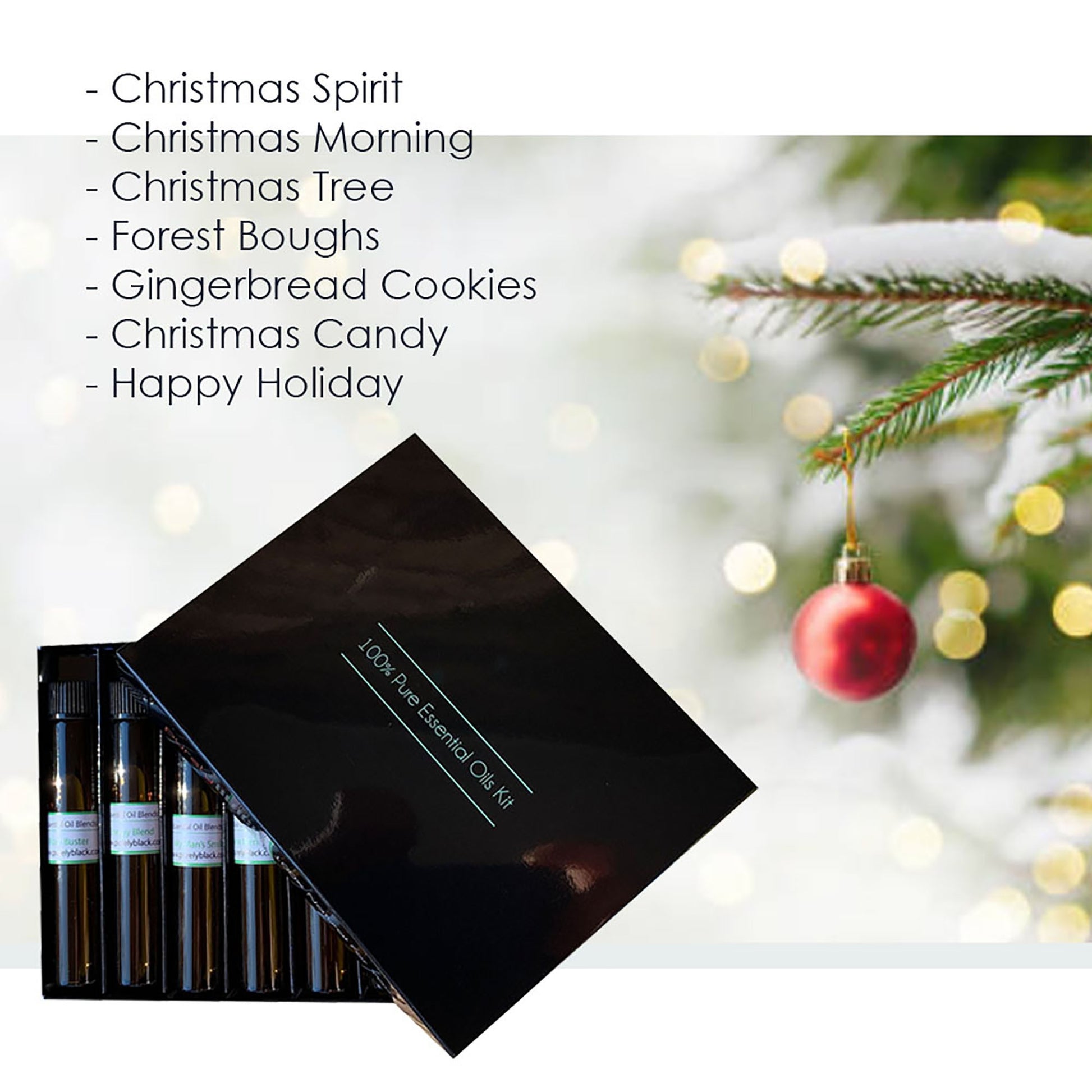
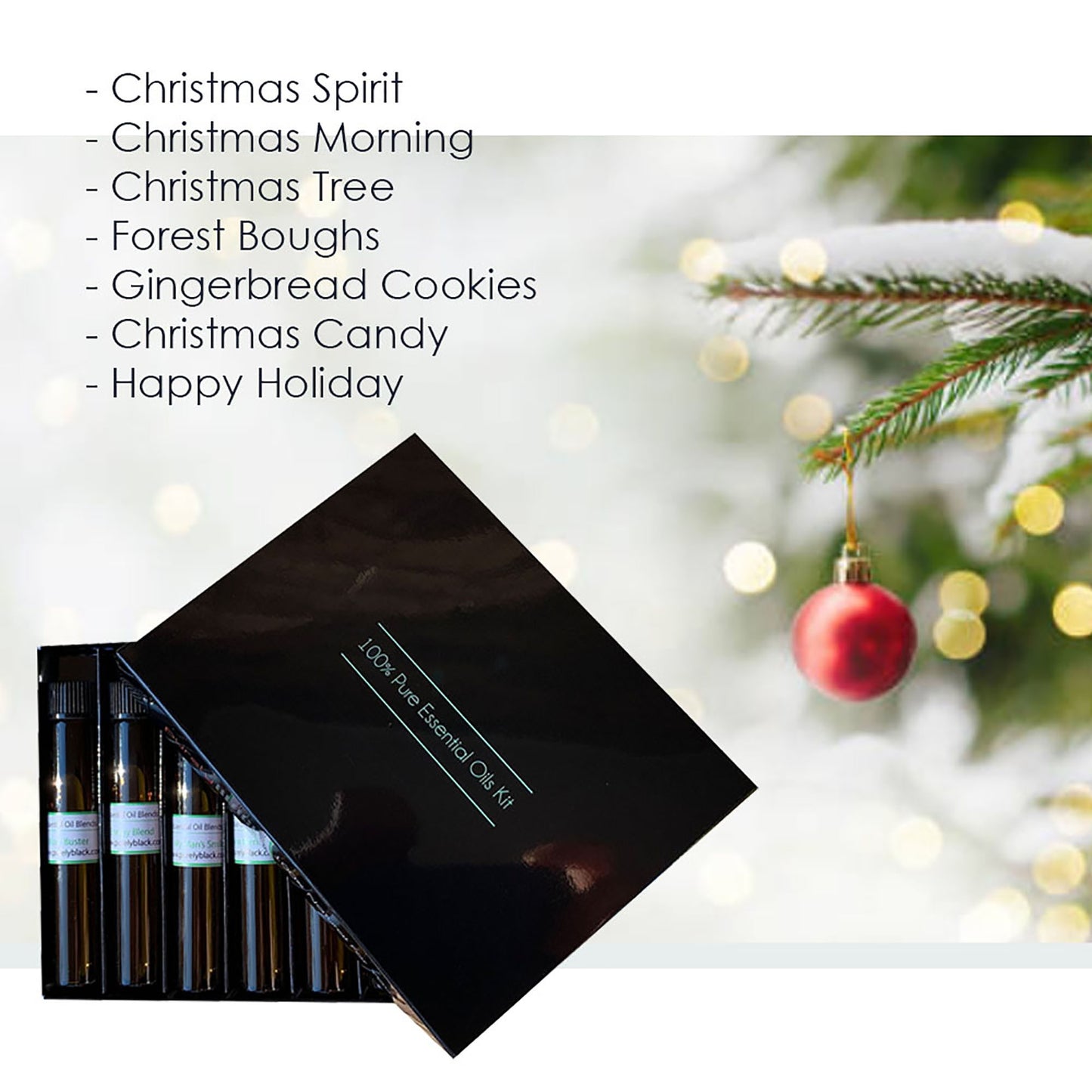
A classic Christmas scent is built from four families: evergreen (pine, Siberian fir), warm spice (cinnamon, clove, cardamom), citrus (sweet orange), and sweet baking notes (vanilla). For candle making, purelyBlack's Cinnamon Bark, Clove, Sweet Orange and Siberian Fir essential oils cover all four families and can be combined to match whichever mood you're after, from a baking-spice candle to a fresh-cut-tree scent.


Fragrance Oil vs Essential Oil for Candle Making: What's the Difference?
Fragrance oils are synthetic blends engineered specifically for candle making, giving a stronger and longer-lasting scent throw, while essential oils are 100% natural plant extracts that offer a lighter, more subtle fragrance and no aromatherapy benefit once burned. Essential oils are also more volatile under heat, meaning you generally need a higher percentage to achieve the same scent strength as a fragrance oil — this is why many home candle makers blend the two together.
Combining fragrance oil with essential oil is a common approach: the fragrance oil carries the bulk of the scent throw and heat stability, while the essential oil adds a more natural, complex aromatic layer on top. A common starting ratio is around 70% fragrance oil to 30% essential oil by total scent weight, though this can be adjusted depending on how strong you want the natural note to come through. Whichever approach you choose, always follow your wax manufacturer's recommended fragrance load — usually 6–10% of total wax weight — since excess oil can seep out and create a fire hazard.
Which Essential Oils Should Not Be Used in Candle Making?
Citrus oils like lemon and lime, along with very low flash-point oils, are generally best avoided in candle making since they can burn off quickly or fail to hold their scent under heat. Oils with a flash point above 65°C — such as cedarwood, patchouli and sandalwood — tend to hold their aromatic profile far better during burning than delicate, high-volatility citrus oils.
What Is the 3-Hour Rule for Candles?
The 3-hour rule is a burning guideline stating you should not burn a candle for more than 3 hours at a time, since this is roughly how long it takes the top wax layer to melt evenly to the edges on the first burn. Following this rule helps prevent tunnelling, keeps soot build-up on the wick to a minimum, and protects the fragrance from burning off too quickly.
What Not to Do When Making Candles?
When making candles, never melt wax directly on a stovetop burner without a double boiler, add fragrance or essential oil at the wrong temperature, or pour hot wax into untested containers like plastic cups or regular glass. Always measure your fragrance load by weight rather than guessing, stir gently but continuously for a full two minutes to bind the scent, and let the finished candle cure for at least 3–7 days before its first burn so the fragrance has time to fully set into the wax.
For more ways to bring Christmas scents into your home beyond candles, see our guides on Christmas home fragrance and Christmas essential oils.
About the Author
Written by H.R. Kim
Founder at purelyBlack — an Australian-owned perfumery and botanical studio based in Sydney. H.R. specialises in scent profiling and natural ingredient sourcing, meticulously balancing premium fragrance oils and 100% pure essential oils to create elevated aromatic experiences.
Last updated: August 2026
Disclaimer: purelyBlack essential oils are for external use and aromatherapy purposes only. They are not intended to diagnose, treat, cure, or prevent any disease. Always dilute with a carrier oil before topical application and consult a healthcare professional if pregnant or under medical supervision.
