



Are Essential Oils Safe for Babies? A Complete Australian Guide
Are Essential Oils Safe for Babies?
Essential oils should never be used on or around babies under 3 months old — for babies older than 3 months, a small number of very gentle oils are considered lower-risk when heavily diluted in a carrier oil and used with strict safety precautions, but always consult your paediatrician before introducing any essential oil around an infant.
Babies have significantly thinner, more permeable skin than adults, and their developing respiratory and nervous systems are far more sensitive to aromatic compounds. What is mild for an adult can cause serious adverse reactions in an infant — including skin irritation, respiratory distress, and nervous system effects — at concentrations that would be completely safe for adult use.
This guide covers which oils are considered lower-risk for babies over 3 months, which oils must be avoided entirely, and the specific safety guidelines that apply to diffusion and topical use around infants in Australia.
Important: This guide is for educational purposes only. Always consult your paediatrician or healthcare provider before using any essential oil around a baby or infant. purelyBlack essential oils are formulated for adult use only. These statements have not been evaluated by the Therapeutic Goods Administration (TGA).


What Essential Oils Are Safe for Babies?
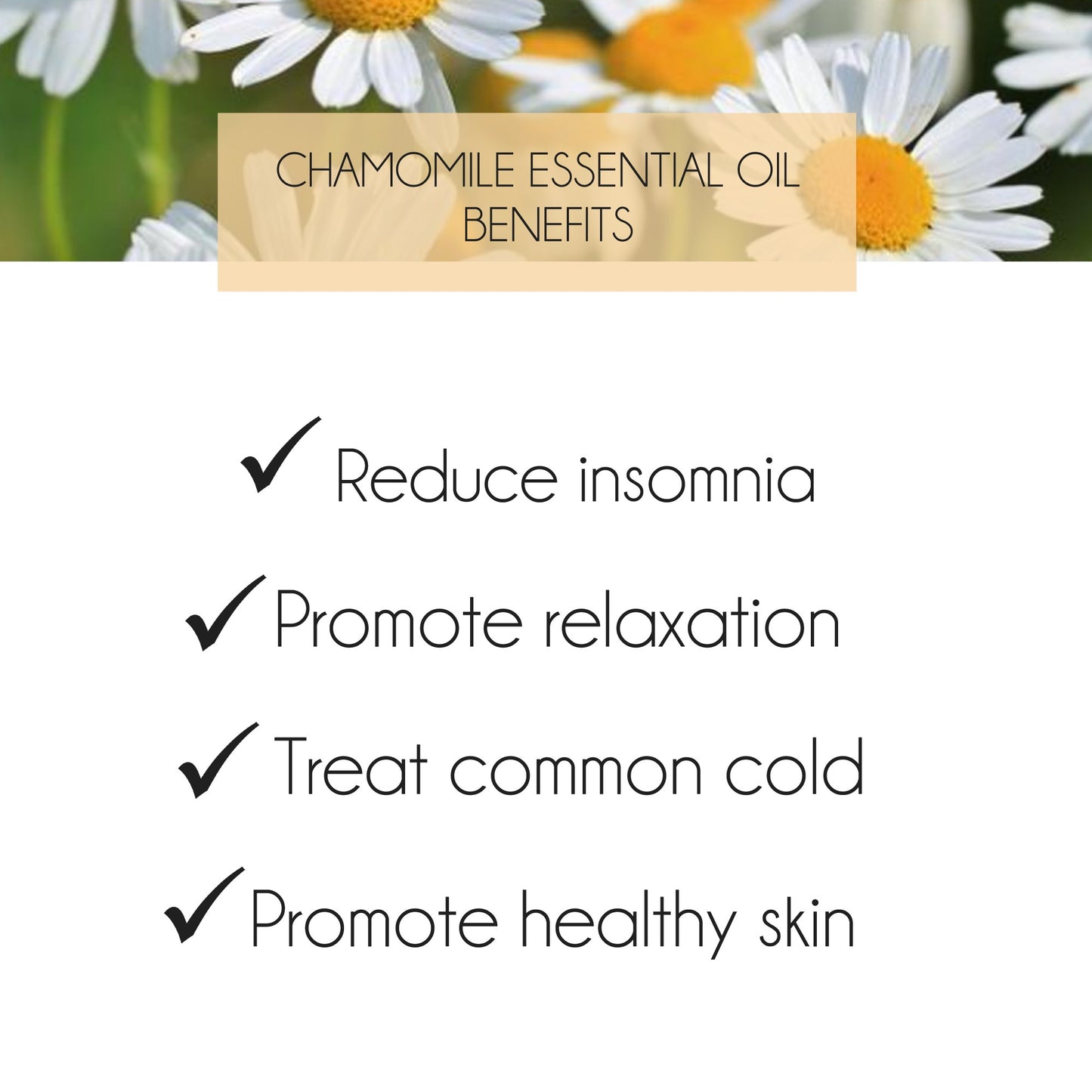
For babies over 3 months old, the essential oils most commonly considered lower-risk include lavender, Roman chamomile, frankincense, and mandarin — always diluted to 0.5% or less in a carrier oil (1 drop per tablespoon of carrier oil) and never applied near the face, eyes, nose, or mouth.
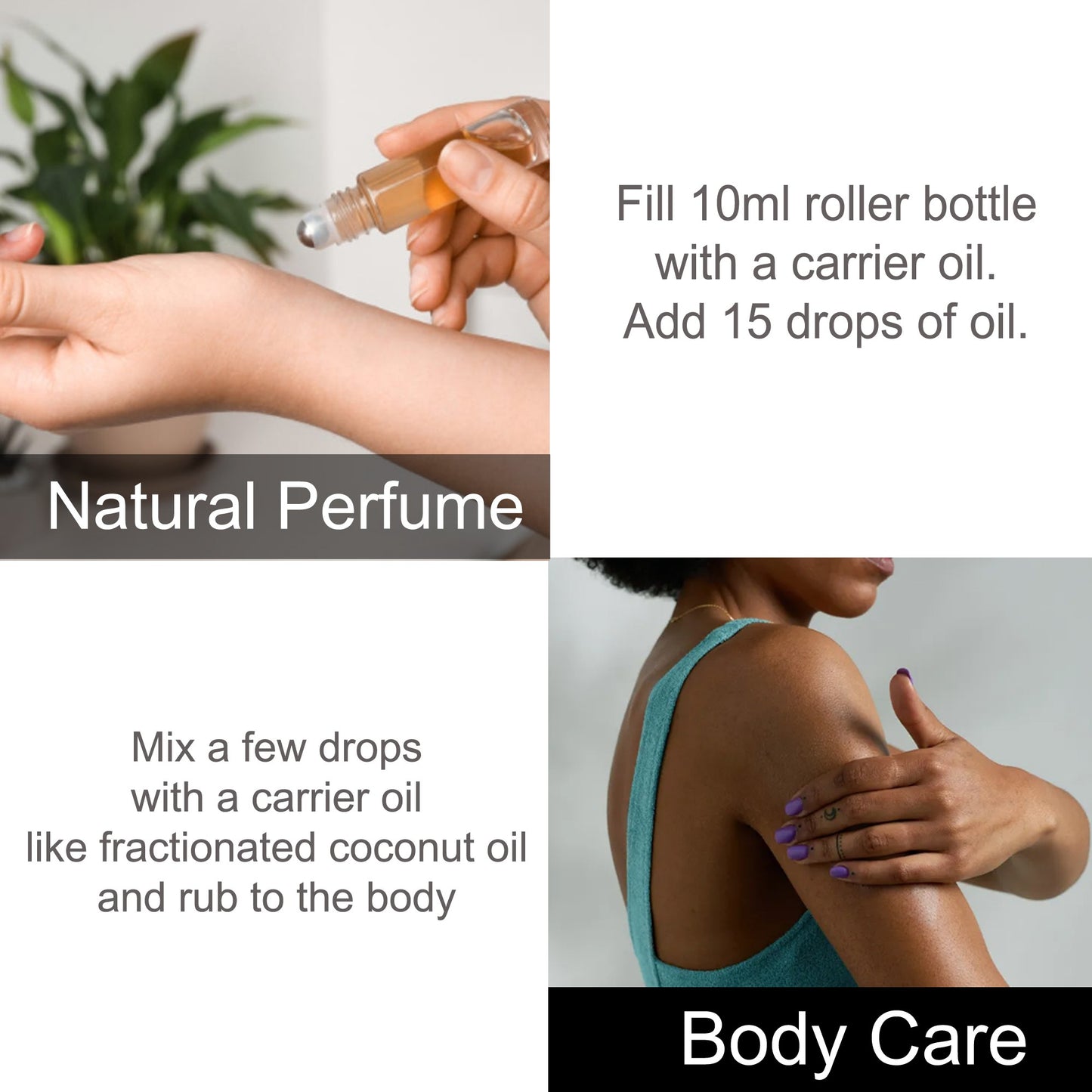
The National Association for Holistic Aromatherapy (NAHA) recommends a 0.5% dilution ratio for infant use — significantly lower than the standard adult dilution of 2%. This means 1 drop of essential oil to approximately 1 tablespoon (15ml) of carrier oil. Fractionated Coconut Oil is a lightweight, odourless carrier oil well-suited to infant skin care dilution.
| Essential Oil | Notes |
|---|---|
| Lavender | Most widely referenced lower-risk oil for babies; calming aromatic character; dilute to 0.5% for any topical use |
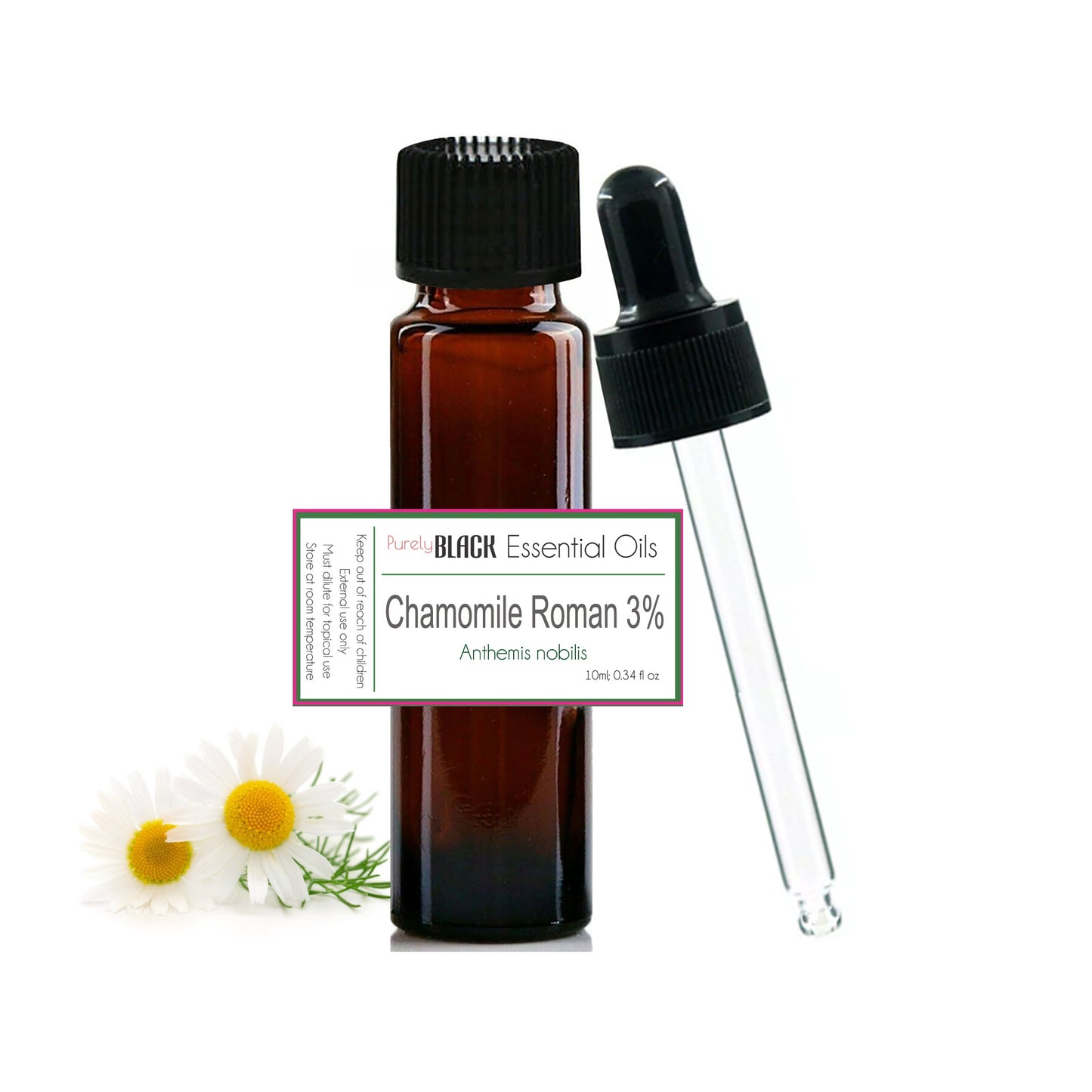
| Roman Chamomile | Gentle and soothing; lower irritation profile; aromatic diffusion or heavily diluted topical use only |
| Frankincense | Mild resinous oil; referenced in some paediatric aromatherapy contexts; aromatic diffusion only, short sessions |
| Mandarin | Sweet, gentle citrus; sometimes used in mild infant aromatherapy products; avoid direct skin application |
Always perform a patch test before any topical application — apply a small diluted amount to the baby's inner arm and wait 24 hours before wider use. Stop immediately if any redness, rash, or irritation appears.
Are Essential Oils Safe to Diffuse for Babies?
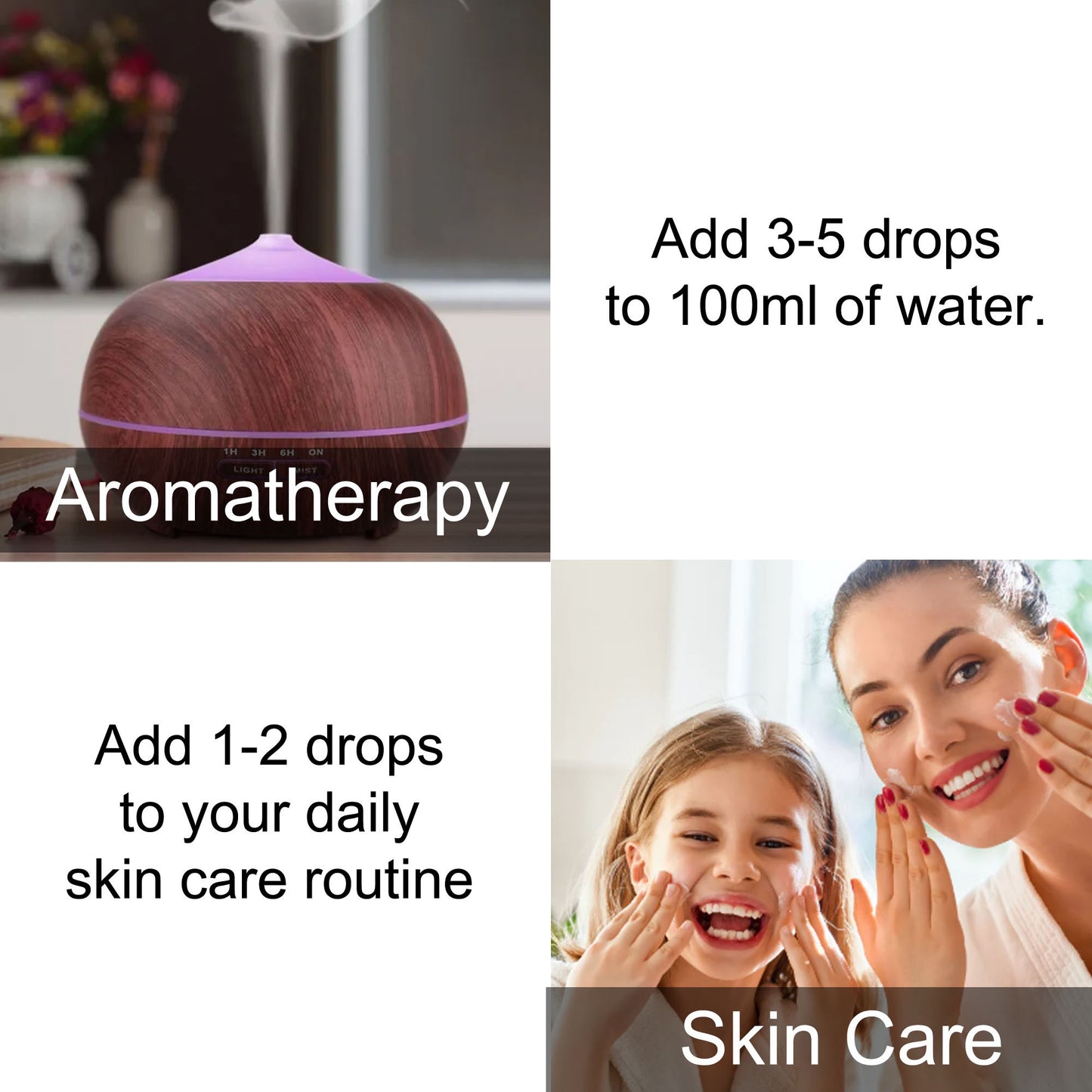
Essential oils can be diffused around babies older than 3 months with strict precautions — use only lower-risk oils at 1–2 drops maximum, diffuse for no more than 30 minutes at a time in a large well-ventilated room, place the diffuser well away from the baby's cot, and ensure the baby can always leave the space.
Diffusion is generally considered lower-risk than topical application because the aromatic compounds are dispersed in air rather than absorbed directly through the skin. However, babies' airways are significantly narrower and more sensitive than adults', making them more susceptible to respiratory irritation from diffused oils — even gentle ones.
| Rule | Why It Matters |
|---|---|
| Never use around babies under 3 months | Newborn airways and skin are too immature for any essential oil exposure — wait until at least 3 months, or 6 months for premature babies |
| Use only 1–2 drops in the diffuser | Lower concentration reduces aromatic load in the air — never use the adult-recommended amount around infants |
| Diffuse for 30 minutes maximum | Short sessions followed by at least 60 minutes off prevent cumulative aromatic exposure in the baby's breathing space |
| Place diffuser far from the cot | Keep the diffuser at the opposite end of the room from where the baby sleeps — never directly beside or above the cot |
| Always ventilate the room | Open a window or door during and after diffusion to prevent aromatic compounds from concentrating in the air |
| Ensure baby can leave the space | Never leave a baby alone in a sealed room with a diffuser running — they cannot remove themselves if the aroma becomes overwhelming |
| Monitor for signs of irritation | Coughing, sneezing, watery eyes, or fussiness during diffusion are signals to stop immediately and move the baby to fresh air |
Which Essential Oil Is Best for a Baby Room?
Lavender is the most widely referenced essential oil for a baby room — its gentle aromatic character is calming and well-tolerated by most babies over 3 months when diffused at low concentration for short sessions, making it the most commonly recommended starting point for parents exploring infant aromatherapy.
Roman chamomile is the second most commonly cited option, with a similarly gentle aromatic profile and a lower irritation potential than many other oils. For parents who find lavender too floral, frankincense offers a softer, more neutral resinous aroma that diffuses well at low concentrations.
Whichever oil is used, the baby room guidelines remain the same: 1–2 drops maximum, 30 minutes maximum diffusion time, good ventilation, and diffuser placed well away from the cot. Always start with the lowest possible concentration and observe the baby's response before continuing.
Which Oil Is Safe for a Newborn Baby?
No essential oil is considered safe for use on or around newborn babies under 3 months old — the only oil acceptable for newborn skin care is a pure, unfragranced carrier oil such as fractionated coconut oil or jojoba oil, used without any essential oil addition.
Newborn skin is significantly thinner and more permeable than adult or older infant skin, with a developing acid mantle that is not yet fully established. Essential oils — even the gentlest options — can cause skin sensitisation, allergic reactions, and systemic absorption at levels that can affect a newborn's developing nervous system.
For premature babies, the waiting period extends further — most paediatric aromatherapy guidelines recommend waiting until the baby is at least 6 months past their original due date before introducing any essential oil exposure, aromatic or topical. Always consult your neonatologist or paediatrician for guidance specific to your baby's situation.
What Essential Oils Should Never Be Used on Babies?
Peppermint, eucalyptus, and wintergreen should never be used on or around babies and young children — these oils contain menthol and cineole compounds that can cause serious respiratory distress, slowed breathing, and central nervous system effects in infants even at low concentrations.
The following oils are specifically contraindicated for use around babies and young children:
| Essential Oil | Why It Is Dangerous for Babies |
|---|---|
| Peppermint | Menthol can cause respiratory distress and slowed breathing in infants — never use on or near babies under 2 years old |
| Eucalyptus | 1,8-cineole content can cause breathing difficulties and nervous system effects in young children — avoid under 2 years old |
| Wintergreen | Methyl salicylate is highly toxic to infants — never use around babies or young children |
| Rosemary | Neurological stimulant properties; avoid around babies and young children entirely |
| Thyme | High phenol content; skin and respiratory irritant for infants |
| Clove and Cinnamon | Eugenol and cinnamaldehyde are potent skin and respiratory irritants; avoid entirely around babies |
| Oregano | High phenol content; avoid entirely around babies and young children |
If your baby has been exposed to any of these oils and shows signs of breathing difficulty, excessive coughing, lethargy, or skin irritation, contact your paediatrician or the Animal Poisons Helpline Australia immediately on 13 11 26 (Poisons Information Centre — for humans).
How to Use Essential Oils Safely Around Babies
The fundamental safety rules for essential oil use around babies are: never use any oil around babies under 3 months old, always dilute to 0.5% or less in a carrier oil for any topical application, diffuse for short sessions only with good ventilation, and consult your paediatrician before starting any aromatherapy practice around an infant.
For parents who also use essential oils around dogs or cats, separate safety considerations apply — see our guides on Are Essential Oils Safe for Dogs? and Are Essential Oils Safe for Cats? for species-specific information. If you are pregnant, see our guide on Are Essential Oils Safe During Pregnancy?
Disclaimer
This article is for general educational purposes only and does not constitute medical or paediatric advice. Always consult a qualified healthcare provider — your paediatrician, GP, or midwife — before using essential oils around a baby or infant. purelyBlack essential oils are formulated for adult aromatic and topical use only and are not intended for use on or around infants. These statements have not been evaluated by the Therapeutic Goods Administration (TGA). In the event of accidental exposure or poisoning, contact the Poisons Information Centre on 13 11 26.
About the Author
Written by H.R. Kim
Founder at purelyBlack — an Australian-owned perfumery and essential oil supplier based in Sydney. H.R. specialises in molecular ingredient chemistry and scent profiling, with a focus on pure, single-origin essential oils for aromatherapy, skin care, and natural wellness.
