



Woody Perfumes: Cedarwood, Vetiver, and Beyond
What is a woody perfume?
A woody perfume is a fragrance composition built around prominent aroma materials derived from wood, roots, bark, moss, and resinous accords.
- Core Ingredients: Common notes include cedarwood, sandalwood, vetiver, patchouli, and pine, each providing structural depth to the scent.
- Olfactory Families: Woody profiles frequently cross into aromatic, spicy, floral, and amber families to create diverse compositions.
- Base Functionality: Heavy molecular weights make woody aromatics act as natural fixatives that anchor lighter volatile top notes.
These compositions range from crisp, dry cedar notes reminiscent of fresh shavings to creamy, lactonic sandalwood textures. Modern perfumery uses both distilled timber extracts and synthesised molecules like Iso E Super to expand this traditional olfactory family.
Is woody perfume better for day or night?
Woody perfumes perform exceptionally well for both day and night wear depending on their specific secondary notes, intensity, and overall concentration.
Crisp cedar and bright vetiver blended with citrus or aromatics offer an uplifting, transparent sillage suitable for daytime office environments. Conversely, compositions anchored with dark oud, rich sandalwood, amber, or heavy resins project an enveloping warmth tailored for evening occasions.
Fragrance communities consistently describe lighter aromatic woods as daytime essentials, reserving dense balsamic blends for formal nocturnal settings.
Does woody perfume last longer?
Woody perfumes last significantly longer than citrus or floral scents because large sesquiterpene molecules evaporate at a much slower rate on skin.
- Molecular Weight: Heavy wood sesquiterpenes possess low volatility, allowing aromatic compounds to cling to cutaneous lipid layers for hours.
- Base Note Stability: Woody materials form the foundation of fragrance pyramids, resisting rapid evaporation during ambient environmental temperature shifts.
- Fixative Qualities: Woody aroma chemicals slow down the evaporation curve of more volatile top notes blended into the formula.
While fresh citrus top notes dissipate within thirty minutes, dense woody basenotes commonly endure between six to twelve hours. Applying an oil-based formulation further improves retention by minimising rapid atmospheric dispersion.
When to wear woody fragrances?
Woody fragrances can be worn year-round, excelling in autumn and winter for warmth, and during spring or summer when paired with citrus.
- Cooler Months: Rich sandalwood, patchouli, and smoky woods deliver an insulating, comforting warmth suited for crisp autumn and winter weather.
- Warmer Seasons: Green cypress, dry cedarwood, and grassy vetiver provide crisp, refreshing clarity when temperatures rise during spring and summer.
- Professional Settings: Clean woody compositions project understated sophistication, making them ideal signatures for professional workplaces and formal corporate gatherings.
Transitional seasons particularly highlight the nuanced facets of woody compositions as humidity levels shift. Selecting a balanced formulation ensures the scent remains refined rather than overwhelming in enclosed spaces.
Which Woody perfume is best?
The best woody perfume depends on personal olfactory preference, whether you prefer dry cedar, creamy sandalwood, earthy vetiver, or resinous oud accords.
- Cedar Compositions: Ideal for wearers seeking clean, dry, pencil-shaving profiles with sharpening aromatic and peppery undertones.
- Sandalwood Blends: Best for individuals who favour smooth, creamy, lactonic warmth with gentle floral or amber facets.
- Vetiver Profiles: Suited for those desiring smoky, earthy, and root-like freshness that balances damp soil with vibrant citrus.
Testing different wood profiles on pulse points reveals how personal epidermal warmth alters their projection. I've found that sampling oil concentrations offers the most authentic representation of deep resinous woods without top-heavy initial alcohol distraction.
What does a woody scent smell like?
A woody scent smells rich, earthy, dry, or balsamic, evoking natural forest environments, warm sawdust, damp roots, and polished timber resins.
The olfactory impression varies widely across plant origins; cedarwood presents a dry, pencil-shaving aroma, while vetiver introduces earthy, herbaceous, and smoky nuances. Sandalwood develops as milky and velvety, while agarwood exhibits dark, leathery, and complex balsamic undertones.
On the skin, this family evolves continuously as heart notes recede, leaving a grounding and tactile timber warmth.
Are woody scents masculine?
Woody scents are completely gender-neutral and versatile, despite historical marketing associations that frequently categorised deep forest notes as traditionally masculine fragrances.
Modern perfumery increasingly blends woody bases with delicate florals, rich vanilla, and luminous citrus to create compelling unisex profiles. While mid-century commercial branding frequently positioned cedar and oakmoss in men's colognes, contemporary scent enthusiasts evaluate fragrances based on personal resonance and ingredient interplay rather than arbitrary demographic labels. Both masculine and feminine compositions rely on foundational woods to provide structure, elegance, and longevity across all scent categories.
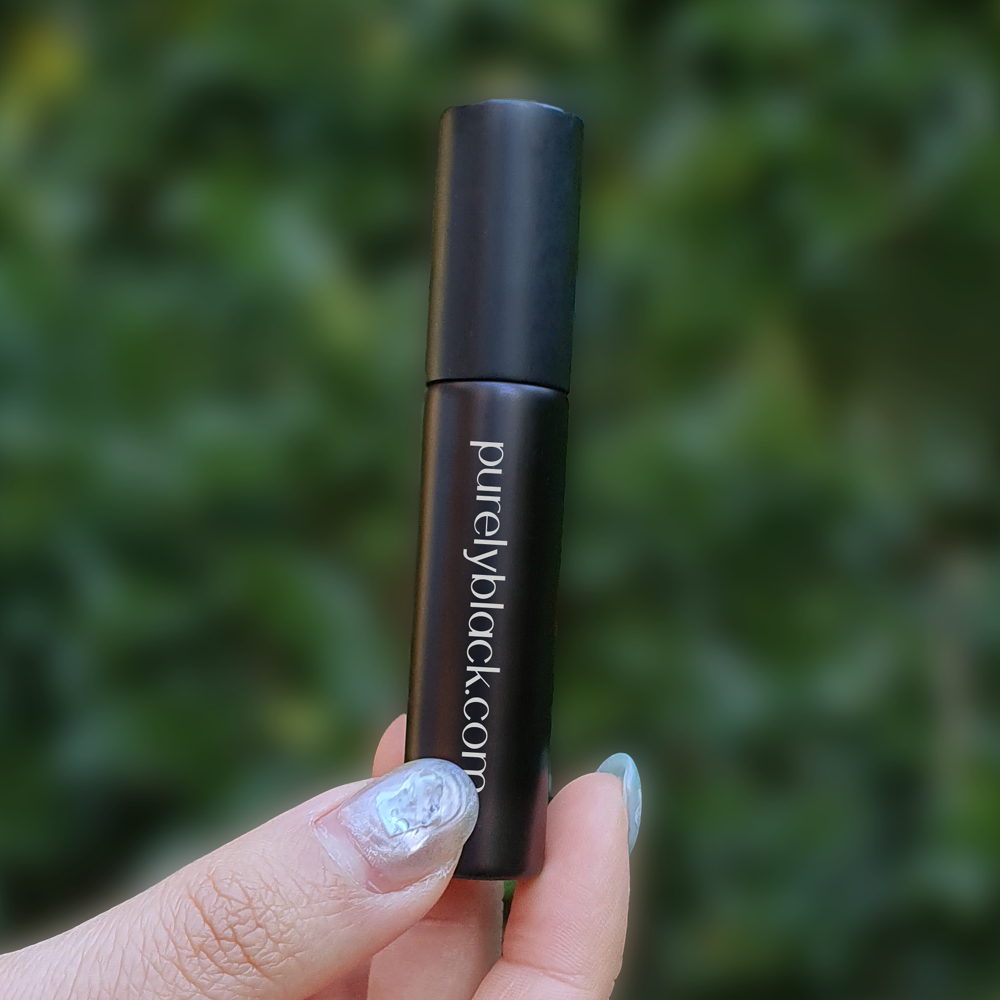
Editor's Pick: Handcrafted Woody Fragrance Oils
Experience the depth and longevity of artisanal perfume oils expertly blended with premium woody notes.
- CAMPFIRE VEIL: Woody Aromatic; an iconic blend of cedarwood, cardamom, and leather notes for a bold, smoky presence.
- TRINITY GROVE: Floral Woody Musk; an elegant composition spotlighting velvety sandalwood, cypress, and dry cedar for serene everyday warmth.
Explore Related Collections
Discover more handcrafted fragrances across our curated collections:
About the Author: Written by H.R. Kim
Founder at purelyBlack — an Australian-owned perfumery based in Sydney. H.R. specialises in molecular ingredient chemistry and scent profiling, meticulously balancing premium fragrance oils and expertly blended aroma molecules to formulate long-lasting, artisanal fragrance oils.
Last updated 23 August 2026.
