



How to Find Your Signature Scent
What is a signature scent?
A signature scent is a distinct fragrance profile that an individual wears consistently, becoming a memorable personal olfactory identifier.
- Olfactory Identity: It serves as a personal sensory marker that people immediately associate with your presence.
- Scent Consistency: Regular application builds a familiar fragrance footprint across your clothing, hair, and living spaces.
- Chemical Accord: The fragrance interacts with natural lipid layers to produce a subtly individualised variation of the formula.
Fragrance molecules evaporate at different rates based on atmospheric temperature and individual skin lipids. As top notes dissipate, underlying resinous or woody base notes anchor to the skin surface for extended wear. Fragrance communities consistently describe a true signature as a scent that feels like a natural extension of one's personal style.
Why do people have signature scents?
People maintain signature scents to establish personal identity, evoke specific emotional connections, and build a reliable sensory impression with others.
- Identity Reinforcement: A consistent aroma projects confidence and creates an unmistakable impression in personal and professional settings.
- Emotional Memory: Olfactory signals pass directly to the limbic system, triggering immediate nostalgic recall in surrounding individuals.
- Routine Simplification: Selecting one versatile daily perfume eliminates decision fatigue during morning personal grooming routines.
Olfactory adaptation occurs when wearers become desensitised to their own daily fragrance, though others continue to perceive it clearly. I've found that alternating application points helps prevent this sensory fatigue without altering the ambient trail. The subconscious link between scent and memory makes a personal fragrance a powerful non-verbal communicator.
How to make your own signature scent?
Creating a signature scent involves selecting a preferred olfactory family and layering complementary fragrance notes to build a unique profile.
- Family Selection: Identify whether amber, woody, floral, or fresh accords best match your daily environment and style.
- Strategic Layering: Combine a long-lasting base oil with lighter top-note accords to introduce dynamic depth and contrast.
- Skin Testing: Evaluate test blends on warm pulse points over eight hours to observe true dry-down transitions.
When blending, apply heavy resinous notes or sandalwood first to anchor lighter volatile citrus or floral top notes. This creates a multi-layered evaporation curve as bodily heat warms the skin throughout the day. Taking time to trial scent combinations prevents dissonant chemical clashes on the skin.
How long does a signature scent last?
A signature scent typically lasts between four to eight hours on skin, depending on concentration, molecular weight, and individual skin chemistry.
The evaporation velocity of a fragrance depends directly on the molecular structure of its constituent compounds. Heavier sesquiterpenes and synthetic musks possess lower vapor pressures, allowing them to remain bound to skin lipids far longer than monoterpenes found in citrus top notes. Hydrated skin with healthy natural sebum production significantly slows down this evaporation rate.
On the skin, applying fragrance immediately after moisturising creates an occlusive barrier that extends wear time by several hours.
What does signature scent smell like?
A signature scent smells different on everyone because personal skin chemistry, temperature, and sebum levels modify fragrance notes during wear.
While a fragrance bottle contains a fixed ratio of aromatic molecules, its true wear profile evolves upon contact with human epidermis. Skin pH, baseline temperature, and perspiration composition subtly alter the evaporation rates of specific accords, rendering a formula warmer, sweeter, or drier on different wearers. On warmer skin types, amber and spice notes bloom rapidly, while cooler skin retains crisp floral and green top notes for longer periods. Consequently, a signature scent smells distinctly personal rather than identical to the liquid inside the bottle.
What are the best perfumes for creating a signature scent?
The best perfumes for a signature scent feature versatile accord structures, high base note ratios, and adaptable skin chemistry interactions.
- Woody Musks: Cedar, amber, and musk accords provide a neutral, long-lasting foundation that blends seamlessly with skin chemistry.
- Balanced Florals: Modern rose and white floral blends offer a clean, approachable aura suitable for daytime and evening wear.
- Amber Woods: Rich vanilla, resins, and spice notes deliver warmth and depth ideal for cooler climates or formal settings.
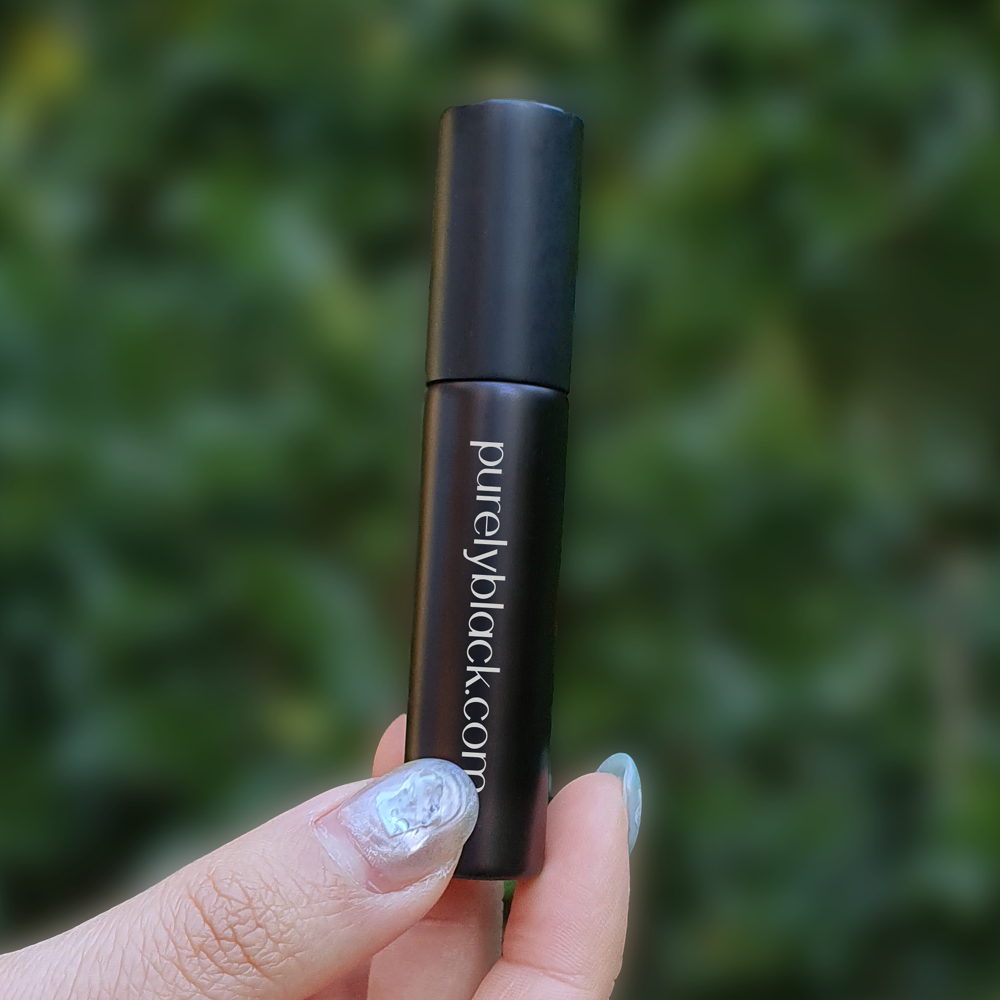
Selecting versatile fragrance profiles ensures your chosen scent transitions effortlessly across changing seasons and social environments. Concentrated oil roll-ons provide controlled application and sustained diffusion without overpowering close quarters. Evaluating how a scent settles over several hours remains the most reliable way to select your personal standard.
Editor's Pick: Signature Fragrance Oils
These highly versatile perfume oil roll-ons offer exceptional longevity and adapt beautifully to personal skin chemistry.
- CAMPFIRE VEIL: Woody Aromatic; a versatile sandalwood and cardamom blend that serves as an effortless personal signature.
- DUSTLIGHT: Woody Aromatic; an adaptable fresh woody musk with soft bergamot and amber notes for everyday wear.
Explore Related Collections
Discover our curated fragrance ranges to find your ideal personal perfume profile.
- purelyBlack Signatures | Our Best Original Perfume Oils
- Best Long-Lasting Vanilla Perfume Oils for Women
- Best Alcohol-Free Perfumes for Sensitive Skin
About the Author: Written by H.R. Kim
Founder at purelyBlack — an Australian-owned perfumery based in Sydney. H.R. specialises in molecular ingredient chemistry and scent profiling, meticulously balancing premium fragrance oils and expertly blended aroma molecules to formulate long-lasting, artisanal fragrance oils.
Last updated 14 August 2026.
