





Eau de Parfum vs Eau de Toilette: What's the Difference?
What does eau de parfum mean?
Eau de parfum refers to a fragrance concentration containing fifteen to twenty percent aromatic compounds dissolved in an alcohol or oil base.
- Concentration Level: Formulations feature higher perfume oil percentages than eau de toilette options.
- Molecular Volatility: Richer base notes evaporate slowly, allowing the scent profile to unfold over hours.
- Olfactory Depth: Heart and base elements dominate the sillage, delivering robust, lingering aromatic character.
This higher proportion of aromatic compounds alters how scent molecules interact with body temperature and ambient air. As the volatile top notes quietly dissipate, warm resins, rich florals, and heavy woods remain anchored to the skin. Consequently, this concentration creates a noticeably denser olfactory presence compared to lighter daily body mists.
How long does EDP last?
An eau de parfum typically lasts between six and eight hours on human skin due to its elevated perfume oil concentration.
- Skin Hydration: Moisturised skin retains oil-soluble fragrance molecules significantly longer than dry skin surfaces.
- Fixative Notes: Heavier ingredients like oakmoss, vanilla, and amber slow down overall formula evaporation.
- Application Points: Warm pulse areas accelerate sillage while cooler outer garments retain subtle heart notes.
I've found that ambient humidity and personal skin chemistry directly influence how long these aromatic molecules remain detectable. Essential notes like cedarwood and bergamot offer distinct rates of evaporation, shaping the scent's lifespan from sunrise to evening. Properly storing bottles away from direct sunlight preserves these volatile aromatic bonds for extended wear.
Why is eau de parfum more expensive?
Eau de parfum costs more because it contains a significantly higher percentage of pure, high-grade aromatic essence per bottle volume.
Raw aromatic extracts, natural absolute oils, and complex aroma molecules represent the most costly components of any fragrance formula. Because an eau de parfum requires up to double the raw concentrate of an eau de toilette, manufacturing costs increase proportionally. This higher density of precious raw materials creates a deeper, multi-layered scent structure that evolves gradually on the wearer.
Fragrance communities consistently describe higher-concentration formulations as offering better value per wear due to requiring fewer sprays throughout the day. Investing in a formula with substantial fixative bases ensures noticeable presence without constant reapplication.
Is eau de parfum for skin or clothes?
Eau de parfum is primarily formulated for direct skin application where body warmth activates and evolves its complex aromatic layers.
- Dermal Diffusion: Natural body heat gently warms perfume oils, releasing subtle mid and base notes evenly.
- Fabric Retention: Clothing fibres trap volatile top notes longer but prevent natural scent evolution across hours.
- Staining Risk: Concentrated perfume compounds and carrier oils can leave subtle residue on delicate fabric weaves.
Applying your chosen scent onto clean, well-hydrated skin yields the most accurate expression of the perfumer's blend. While woven fabrics hold initial top notes without alteration, skin chemistry softens sharp edges and creates a unique personal scent profile. For optimal projection without fabric damage, focus application on exposed dermal pulse areas.
Where to spray eau de parfum?
Apply eau de parfum directly onto primary body pulse points, including wrists, neck, inner elbows, and behind ears for ideal projection.
- Radial Pulse: Wrist placement allows natural arm movement to diffuse aromatic molecules into surrounding air spaces.
- Carotid Artery: Neck application leverages constant vascular warmth to steadily project heart and base notes.
- Inner Elbows: Flexing joints retain fragrance oils effectively, protecting volatile compounds from accidental rubbing.
Targeting vascular zones maximises the thermal reaction required to lift heavier base molecules off your skin. Avoid rubbing wrists together after application, as friction breaks delicate chemical bonds and prematurely collapses light top notes. A light touch at key thermal points delivers balanced sillage throughout the day.
Is eau de parfum just perfume?
Eau de parfum is a specific concentration classification, sitting below pure parfum extrait but above eau de toilette strength.
While colloquially used as a catch-all term for fine fragrance, "perfume" technically encompasses several distinct technical tiers based on aromatic concentration. Pure parfum, or extrait de parfum, represents the highest concentration tier at twenty to forty percent oil, whereas eau de parfum balances high potency with accessible daily wearability. Below eau de parfum lie eau de toilette and eau de cologne, which incorporate higher ratios of alcohol or water solvents. Understanding these industry standards helps fragrance enthusiasts select the exact balance of sillage, longevity, and warmth required for any season.
Editor's Pick: High-Concentration Daily Fragrance Oils
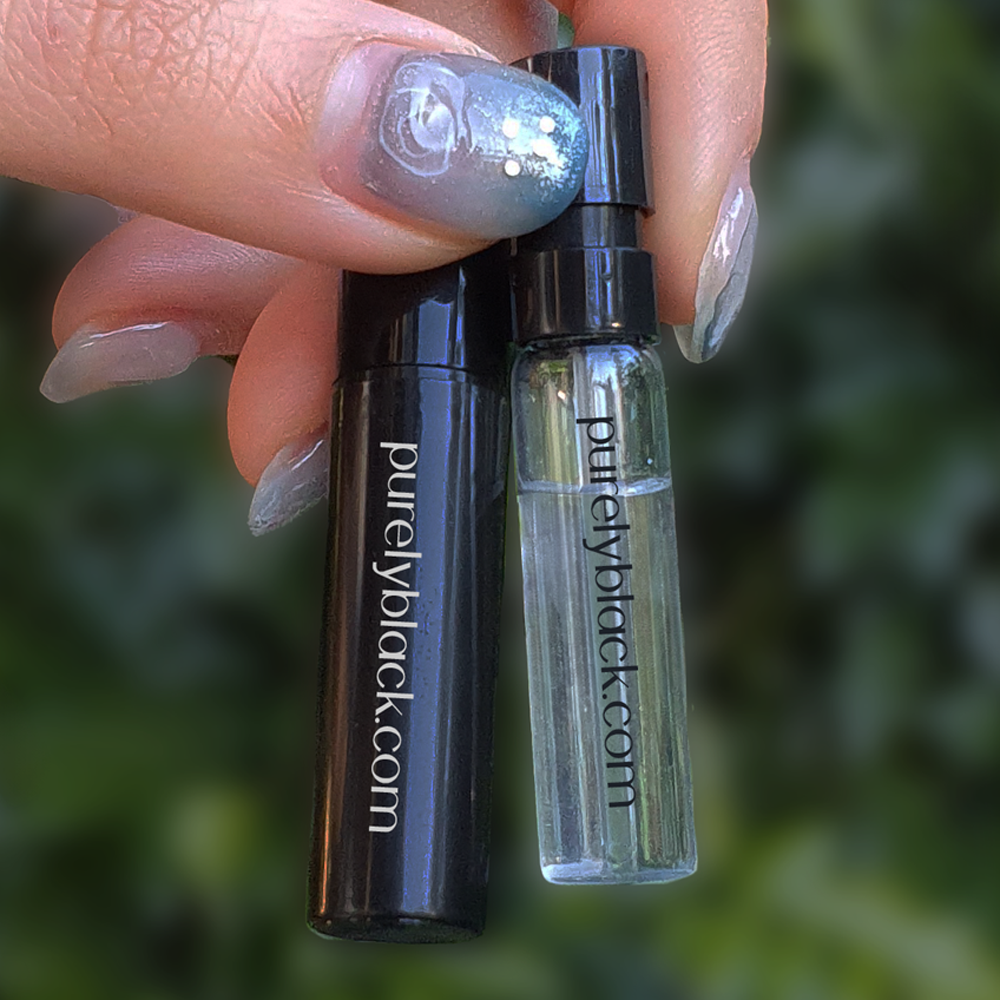
Explore purelyBlack's long-lasting perfume oil formulations designed for rich, extended daily wear on skin.
- CELESTE: Floral scent family offering elegant, long-lasting floral notes perfectly balanced for daily wear.
- GOLDEN MIRAGE: Amber Floral profile delivering decadent sillage with warm resinous depth and lingering warmth.
Explore Related Collections
Discover purelyBlack's curated ranges of artisanal perfume oils and long-lasting personal scents:
About the Author: Written by H.R. Kim
Founder at purelyBlack — an Australian-owned perfumery based in Sydney. H.R. specialises in molecular ingredient chemistry and scent profiling, meticulously balancing premium fragrance oils and expertly blended aroma molecules to formulate long-lasting, artisanal fragrance oils.
Last updated 12 August 2026.
