
Rosehip Oil vs Sea Buckthorn Oil: Which Should You Use?
Which Is Better, Rosehip Oil or Sea Buckthorn Oil?
Neither oil is universally "better" — they suit different skin goals, and many people use them together rather than choosing one.
- Rosehip oil (Rosa canina, Rosaceae family, cold-pressed from the seeds): lighter texture, rich in linoleic and linolenic fatty acids, popular for scarring and uneven tone
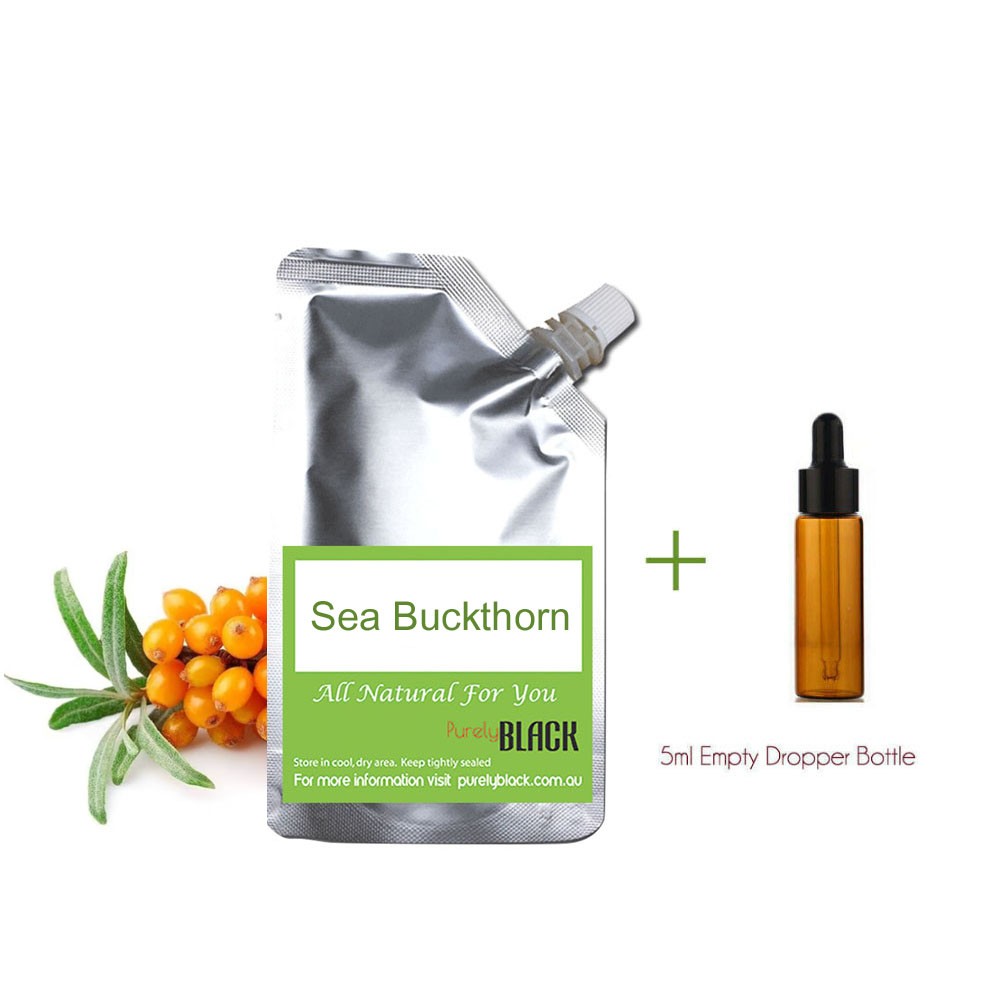
- Sea buckthorn oil (Hippophae rhamnoides, Elaeagnaceae family, cold-pressed or CO2-extracted from the berries): deeper orange-red pigment, rich in omega-7 and carotenoids, popular for nourishing dry or dull-looking skin
- Rosehip oil is generally lighter and easier to use daily on its own; sea buckthorn oil is more concentrated and usually used in smaller, diluted amounts
What Does Rosehip Oil Do for Your Skin?
Rosehip oil is a lightweight facial oil valued for its fatty acid content and its use in supporting the appearance of scars and uneven skin tone. It absorbs relatively quickly and is often used daily as part of a regular skin care routine.
Is Rosehip Oil Good for Scars?
Rosehip oil is a popular natural option for supporting the appearance of scars, though results vary and it isn't a guaranteed fix.
- Its fatty acid content may help support skin as it heals and regenerates over time
- Most commonly used on scars that are no longer fresh or open wounds
- Consistency matters — visible change, where it happens, typically takes several weeks of regular use
- Not a substitute for medical scar treatment — for significant or recent scarring, speak with a healthcare professional
How Long Does It Take to See Results With Rosehip or Sea Buckthorn Oil?
Most people notice early hydration or texture changes within 2 to 4 weeks, with more noticeable changes in tone, scarring, or fine lines typically taking 8 to 12 weeks of consistent use. Both oils work gradually, so results depend heavily on how regularly they're applied.
- 1–2 weeks: Subtle improvements in surface hydration and skin texture.
- 4–8 weeks: More visible changes in tone, softness, and the appearance of scarring or fine lines.
- 8–12 weeks: The fullest results most people report, assuming consistent, correctly-spaced use.
Consistency matters more than the amount used — applying a small amount regularly outperforms occasional heavy use of either oil.
What Not to Mix With Rosehip Oil?
Rosehip oil is generally easy to combine with other skin care products, but it's best not to layer it with strong exfoliating acids or retinoids in the same application, as this can increase irritation. If you use active ingredients like retinol or AHAs/BHAs, alternate nights or apply rosehip oil separately to avoid over-stripping the skin barrier.
Can I Use Rosehip Oil on My Face Every Day?
Yes, rosehip oil is generally suitable for daily use for most skin types, thanks to its lightweight texture. As with any new oil, patch test first and introduce it gradually if you have sensitive or reactive skin.
Who Should Avoid Rosehip or Sea Buckthorn Oil?
Rosehip oil is suitable for most people, but sea buckthorn oil needs a few more precautions, particularly for anyone on blood-thinning medication, with low blood pressure, or preparing for surgery.
- Blood thinners or bleeding disorders: Sea buckthorn may slow blood clotting, which can increase bruising or bleeding risk alongside medications such as aspirin or warfarin.
- Upcoming surgery: Stop sea buckthorn oil at least two weeks before any scheduled procedure.
- Low blood pressure or blood pressure medication: Sea buckthorn may lower blood pressure further when combined with anti-hypertensive drugs.
- Liver, pancreas, or gallbladder conditions: Both oils are generally considered gentle topically, but taken internally, sea buckthorn may add extra strain on these organs.
- Pregnancy or breastfeeding: Safety isn't well established for either oil taken internally — speak with a healthcare professional first.
These considerations mainly apply to internal or ingested use. For topical, external use on the face, always patch test first regardless of which oil you choose.
How Do You Use Sea Buckthorn Oil and Rosehip Oil Together?
Layer rosehip oil as your everyday facial oil, and use sea buckthorn oil a few times a week as a more concentrated, diluted treatment.
- Cleanse your face: start with a clean, dry face both morning and evening.
- Apply rosehip oil daily: use 2–3 drops on its own, morning or night, as your regular facial oil.
- Add sea buckthorn oil 2–3 times a week: mix 1 drop of sea buckthorn oil into your rosehip oil or a carrier oil before applying in the evening.
- Patch test both oils first: introduce one at a time so you can identify how your skin responds to each.
- Follow with sunscreen each morning: facial oils support — but don't replace — daily sun protection.
Explore purelyBlack's Pure Sea Buckthorn Oil and Rosehip Seed Oil, both shipped from Australia. For a deeper dive into each oil, see our guides on sea buckthorn oil for wrinkles and sea buckthorn oil for hair.
Safety Notes
- For external use only
- Always dilute sea buckthorn oil before applying — its pigment is strong and concentrated
- Patch test both oils before first use
- Not recommended during pregnancy or breastfeeding without guidance from a healthcare professional
- Keep out of reach of children and pets
- Store in a cool, dark place away from direct sunlight
Written by H.R. Kim, purelyBlack. Last Updated: 10 September 2026.
