
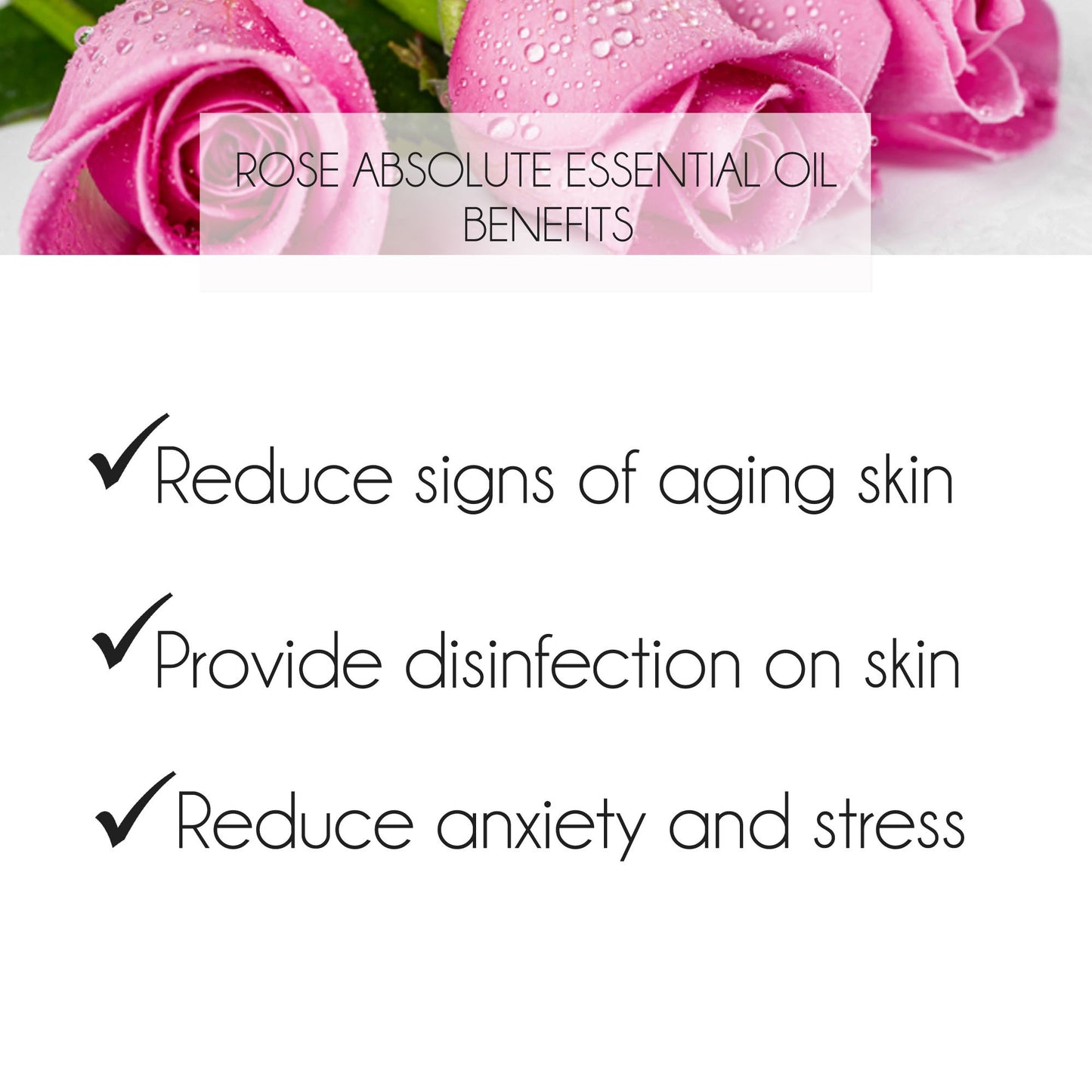
What Is Rose Essential Oil? Benefits, Uses & How to Use It
Where does rose essential oil come from?
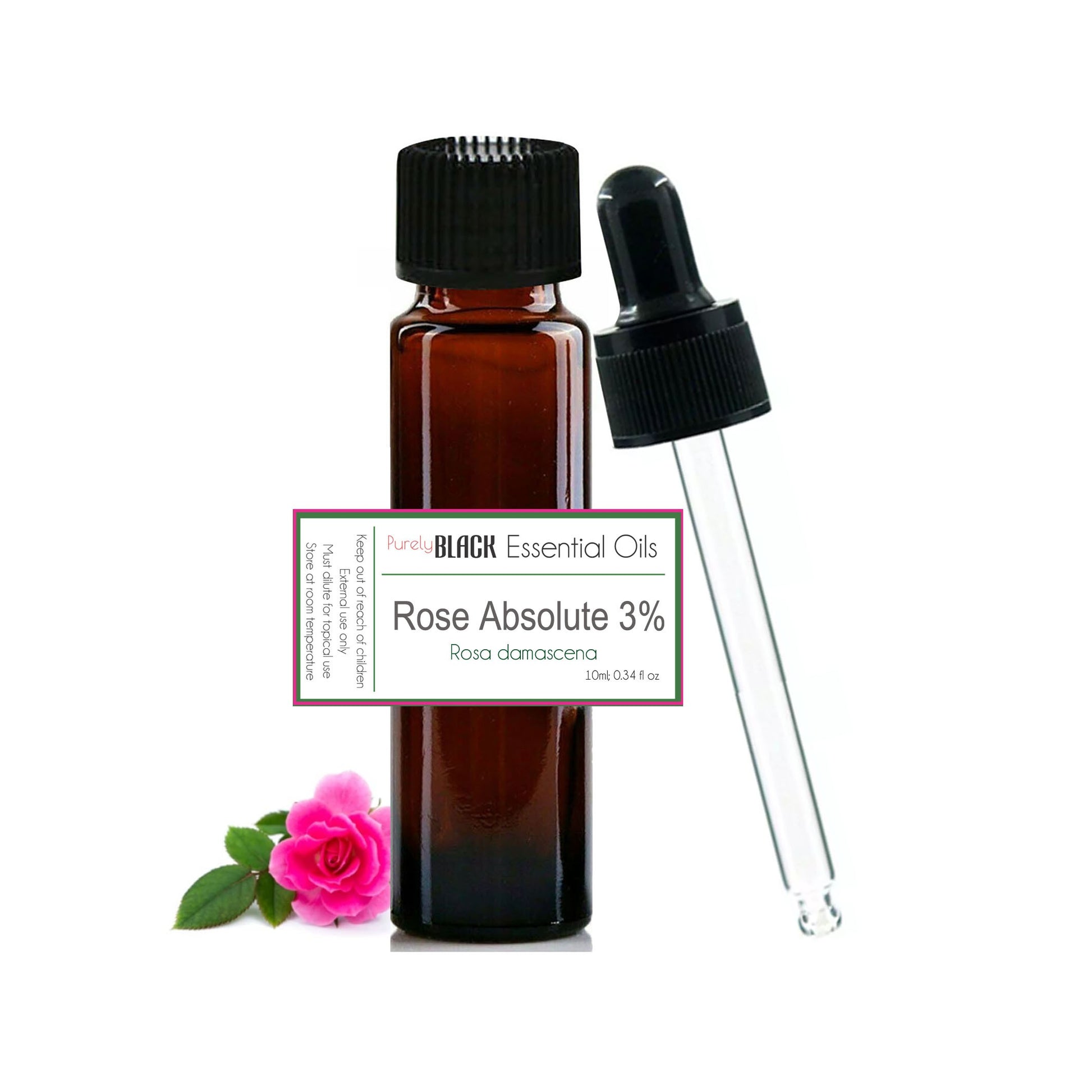
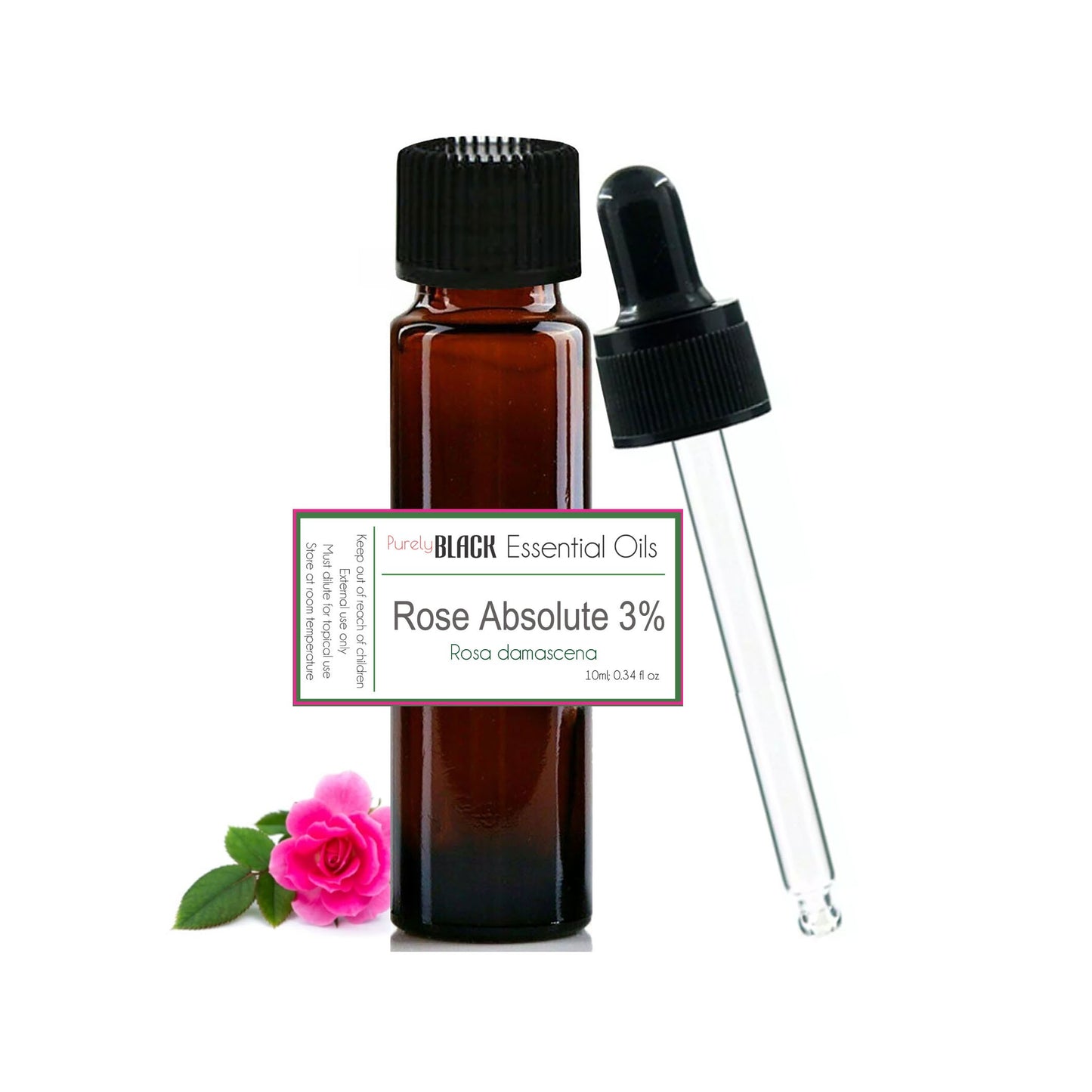
Rose essential oil is derived from the fresh petals of Rosa damascena, a deciduous shrub belonging to the Rosaceae family. Commonly known as the Damask rose, this plant is celebrated globally for its intense fragrance and complex botanical profile.
While the plant historically originated in the Middle East, today the primary geographic origins for commercial production are the Valley of the Roses in Bulgaria and select high-altitude regions in Turkey. The unique microclimate, fertile soil, and morning mist of these valleys provide the perfect conditions to produce roses with the highest oil yield and aromatic quality.
What does rose essential oil smell like?
Rose oil possesses a deep, rich, and intensely sweet floral aroma with warm, honey-like undertones and a soft, spicy nuance. Its fragrance is highly complex, slowly unfolding to reveal delicate green and earthy notes that mimic a fresh rose garden at dawn.
As a classic base note in natural perfumery, this oil has an incredibly diffusive and tenacious character that anchors lighter top notes. It brings an elegant, grounding complexity to any aromatic blend, enveloping the senses in a comforting and luxurious embrace.


What are the key constituents of rose essential oil?
The exquisite fragrance and skin-supportive properties of this oil are determined by its complex chemical profile, containing over several hundred individual compounds.
| Constituent | % Range | Character |
|---|---|---|
| Citronellol | 25% - 40% | Provides a sweet, rose-like fragrance and acts as a natural insect repellent. |
| Geraniol | 10% - 22% | Contributes a sweet, floral note and offers excellent skin-conditioning benefits. |
| Nerol | 5% - 15% | Lends a fresh, sweet, green-floral scent that aids in emotional balance. |
| Nonadecane | 5% - 12% | A natural, waxy paraffin that can cause the oil to solidify at cooler temperatures. |
| Phenylethyl Alcohol | 1% - 3% | A major aromatic component that carries a warm, honey-sweet floral nuance. |
How is rose essential oil extracted?
Rose essential oil is obtained through a delicate process of double steam distillation, which produces the highly prized essential oil often referred to as Rose Otto. The timing of the harvest is critical, as the delicate petals must be hand-picked at dawn when their essential oil content is at its peak.
The distillation process requires immense precision and a massive volume of raw plant material, with approximately four tonnes of petals needed to yield just one kilogram of oil. This labour-intensive extraction method is what makes authentic steam-distilled rose oil one of the most valuable and sought-after botanical extracts in the world.
How do you use rose essential oil?
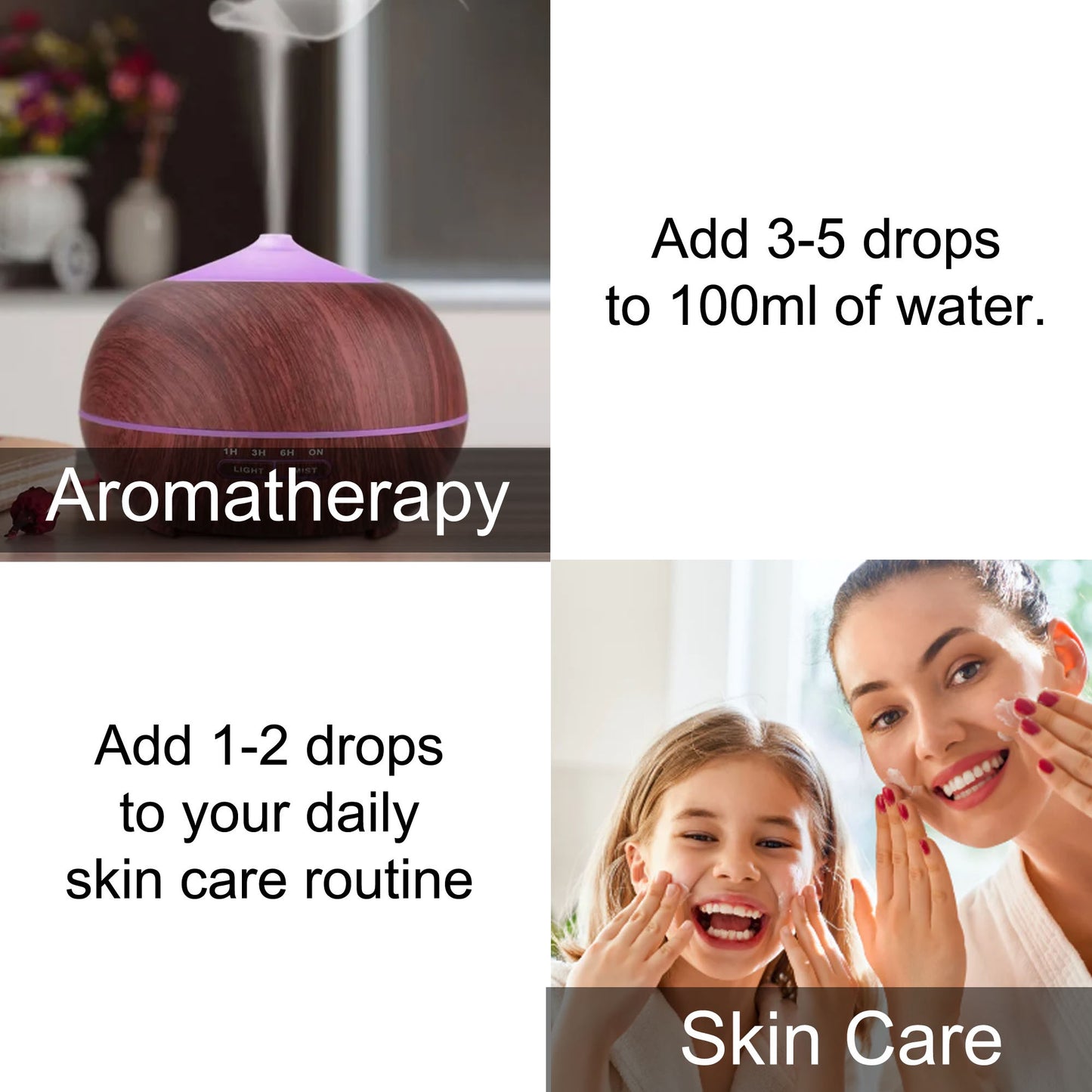
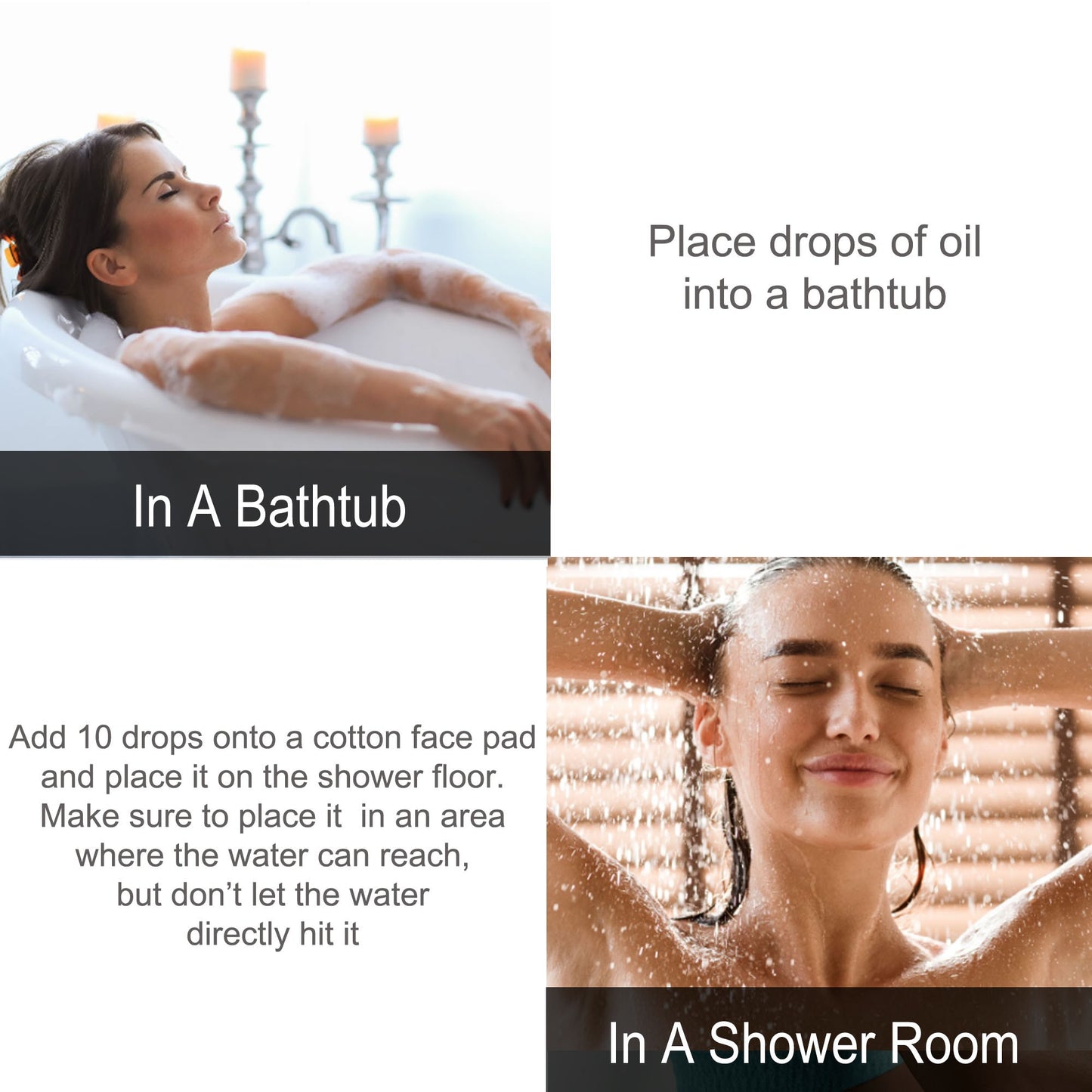
For aromatic use, add 3 to 5 drops of rose oil to your ultrasonic diffuser to fill your room with a serene, uplifting, and comforting floral mist. This is an excellent way to create a calming sanctuary in your home or workspace after a long day.
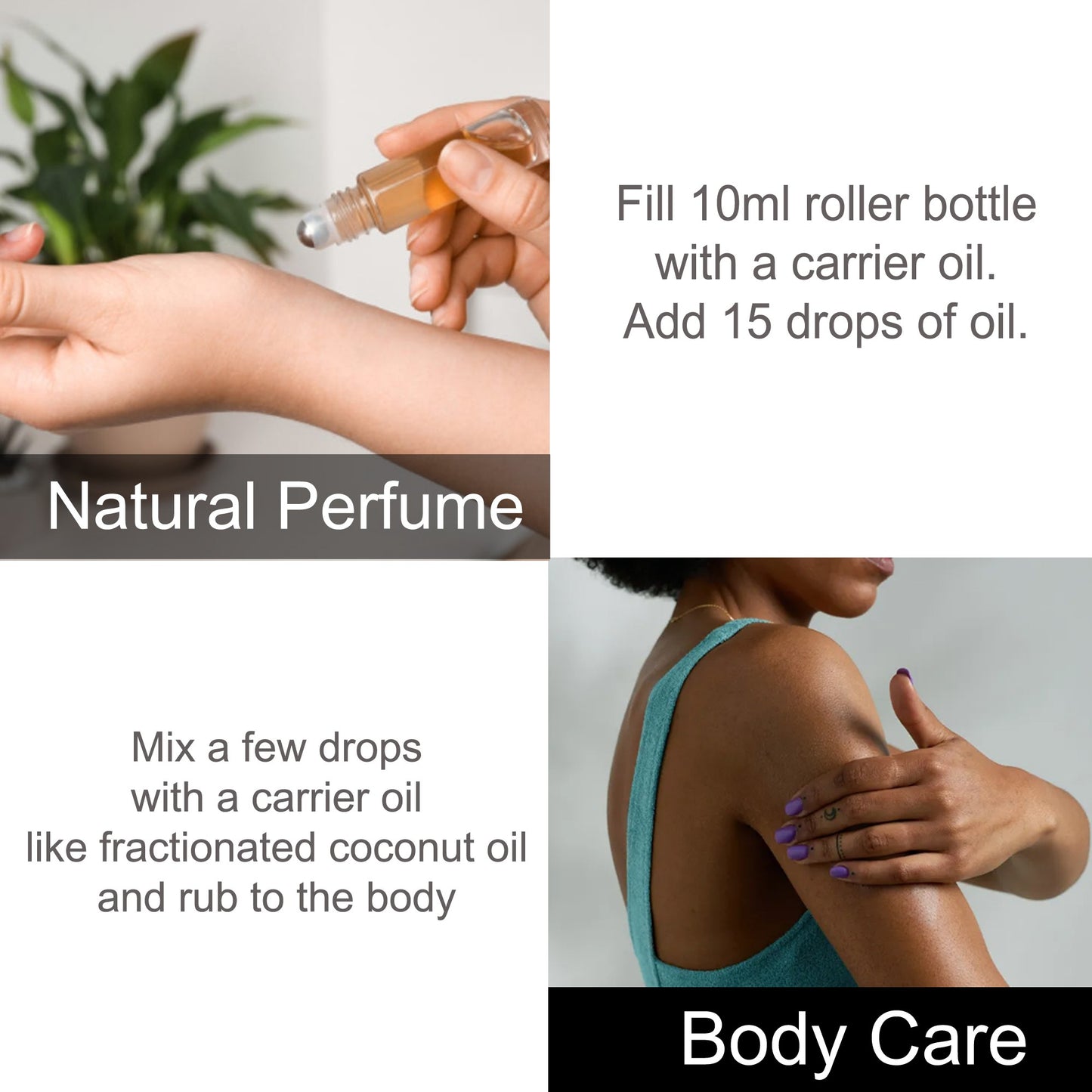
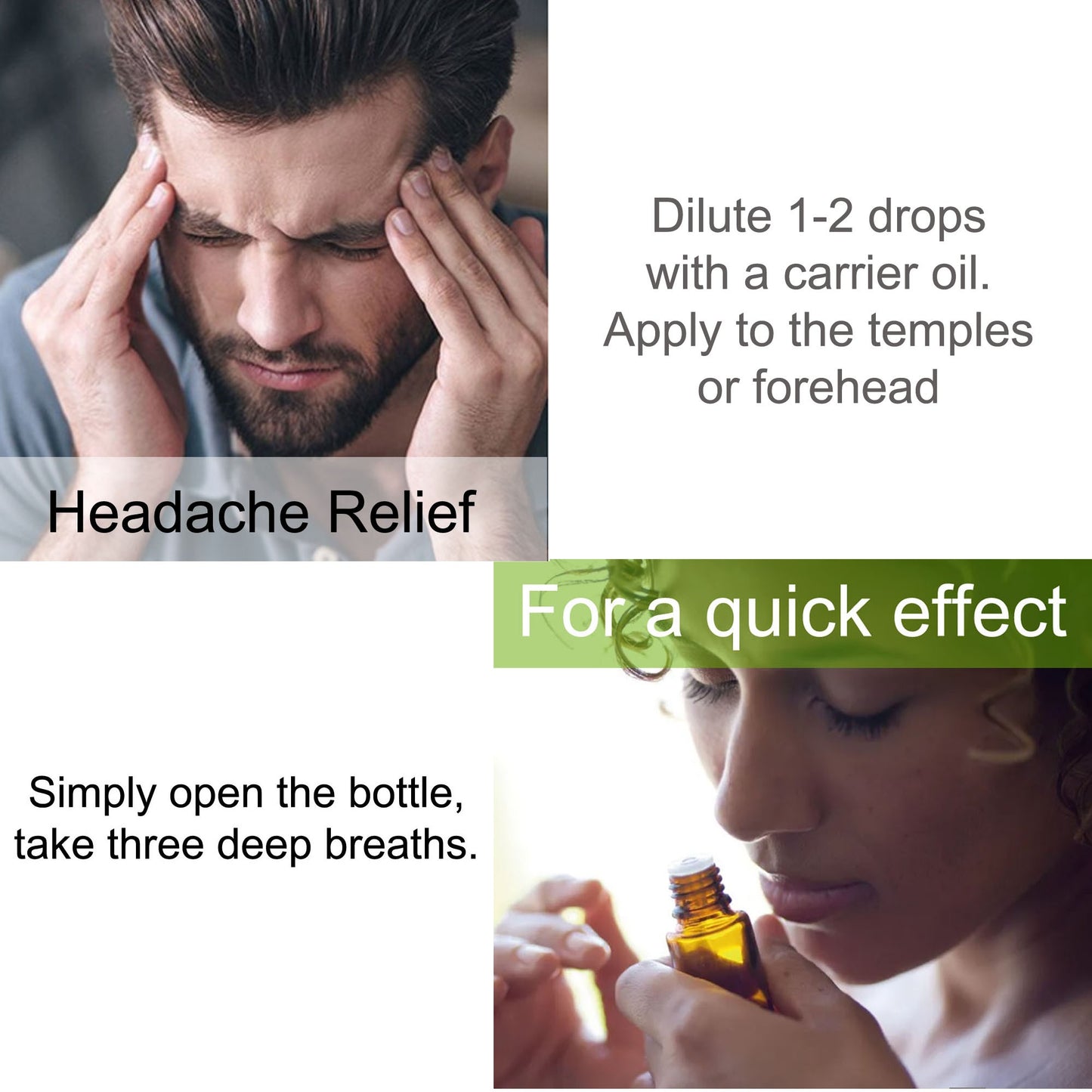
For topical application, always dilute the oil in a nourishing carrier oil, such as fractionated coconut oil, to protect the skin barrier. Following standard NAHA guidelines, a safe 1% dilution rate for facial application involves mixing 3 drops of essential oil per 30ml of fractionated coconut oil. Please note that this botanical extract is highly concentrated and must never be used for culinary or ingestion purposes.
What does rose essential oil blend well with?
- Lavender: Enhances the soothing, calming floral qualities for nighttime relaxation.
- Sandalwood: Adds a warm, woody, and grounding base that beautifully deepens the floral sweetness.
- Bergamot: Provides a bright, citrusy contrast that uplifts the rich rose notes.
- Frankincense: Creates a meditative, resinous blend that is perfect for skincare rituals.
- Jasmine: Forms a luxurious, deeply romantic, and exotic floral accord.
Is rose essential oil safe?
Rose essential oil is generally safe for topical and aromatic use when diluted properly. Because of its highly concentrated nature, a patch test is always recommended on a small area of skin before widespread topical application to rule out any sensitivities.
Avoid contact with sensitive areas such as the eyes, inner ears, and mucous membranes. If you are pregnant, nursing, or under medical supervision, consult your healthcare practitioner before introducing new essential oils into your routine. Keep the bottle out of reach of children and pets, and store it in a cool, dark place to preserve its delicate chemical structure.
Where to buy rose essential oil in Australia
When sourcing rose essential oil in Australia, purelyBlack provides premium, botanically active oils designed for optimal natural care. Our oils are meticulously sourced and rigorously tested to ensure authentic purity, offering you a luxurious and uncompromised aromatherapy experience.
Explore Our Rose Oil Guides
- Pure Rose Oil for Anti-Aging & Skin Rejuvenation: Benefits, Uses and Safety in Australia
- Pure Rose Oil for Emotional Balance & Stress Relief: Benefits, Uses and Safety in Australia
- Pure Rose Essential Oil for Natural Personal Fragrance: Benefits, Uses and Safety in Australia
Disclaimer: This information is for educational purposes only. These statements have not been evaluated by the Therapeutic Goods Administration (TGA), and this product is not intended to diagnose, treat, cure, or prevent any disease. Always consult a healthcare professional before use.
About the Author: Formulated & Written by H.R. Kim
Founder at purelyBlack — an Australian-owned botanical perfumery and essential oil supplier based in Sydney. Blending a deep knowledge of molecular ingredient chemistry with holistic aromatherapy, H.R. specialises in creating harmonious, safe, and effective essential oil blends for natural home fragrance, cosmetic balancing, and daily wellness.
