






A Guide to Safely Using Camphor Oil on Your Skin
What is the difference between camphor and camphor oil?
Camphor is a solid crystalline compound, whereas White Camphor oil is the liquid botanical extract purified through steam distillation.
- Physical State: Crystalline camphor forms solid blocks, while liquid White Camphor oil provides an easily diluted botanical fluid.
- Fractional Distillation: Vacuum fractional distillation removes toxic yellow and brown fractions, leaving light White Camphor essential oil safe for skin.
- Topical Application: Liquid White Camphor oil blends readily into carrier oils to support a healthy, balanced complexion.


White Camphor essential oil originates from the mature wood, root stumps, and branches of Cinnamomum camphora, a renowned botanical tree belonging to the Lauraceae family. During traditional processing, crude steam-distilled extract undergoes vacuum fractional distillation to separate the raw fluid into three distinct grades based on density and boiling point. The initial light fraction—known as white camphor—is rich in 1,8-cineole and alpha-pinene, while remaining entirely free from dangerous safrole compounds concentrated in heavier yellow and brown fractions.
In contrast, solid camphor consists of crystallized aromatic granules traditionally isolated for industrial or household uses. Liquid White Camphor provides skincare formulators and aromatherapy practitioners with a refined, lipophilic ingredient that integrates smoothly into vegetable oils and botanical creams. By choosing this purified clear liquid, individuals across Australia can enjoy clean aromatic comfort without exposing delicate dermal layers to toxic distillation byproducts.
Chemical Constituents of White Camphor Essential Oil
The therapeutic and aromatic character of White Camphor essential oil stems from its distinct terpene profile dominated by 1,8-cineole, alpha-pinene, and limonene. Steam distillation releases these volatile compounds from the wood matrix, producing a fresh, penetrating aroma with crisp woody undertones. Unlike industrial synthetic camphor, pure botanical extracts offer a complex, balanced chemistry that integrates harmoniously with other natural skincare ingredients.
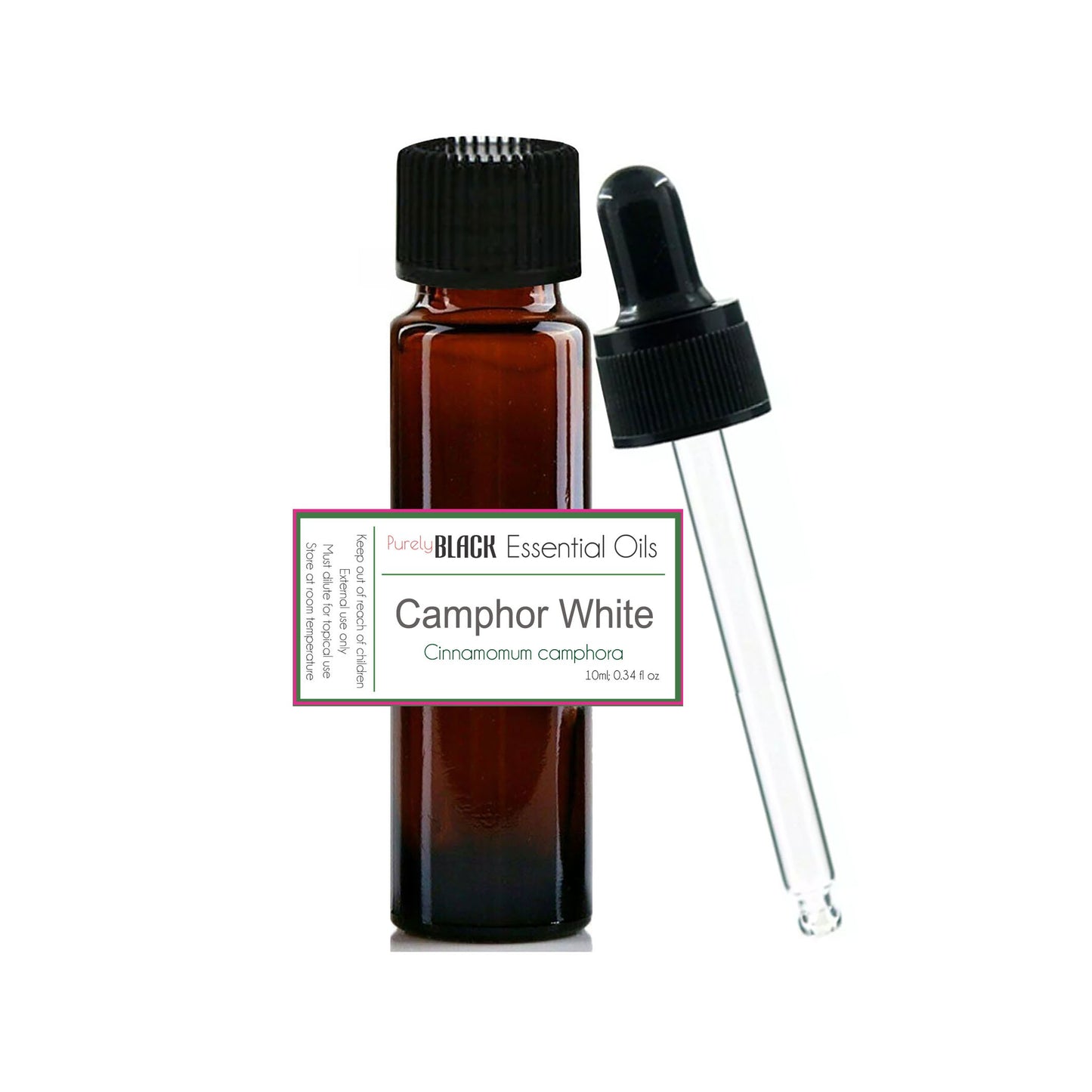
purelyBlack's pure white camphor oil is available as a 100% pure essential oil, dispatched from Sydney.
Can camphor oil be applied directly to skin?
No, White Camphor oil should never be applied directly to the skin without proper dilution in a suitable carrier oil.
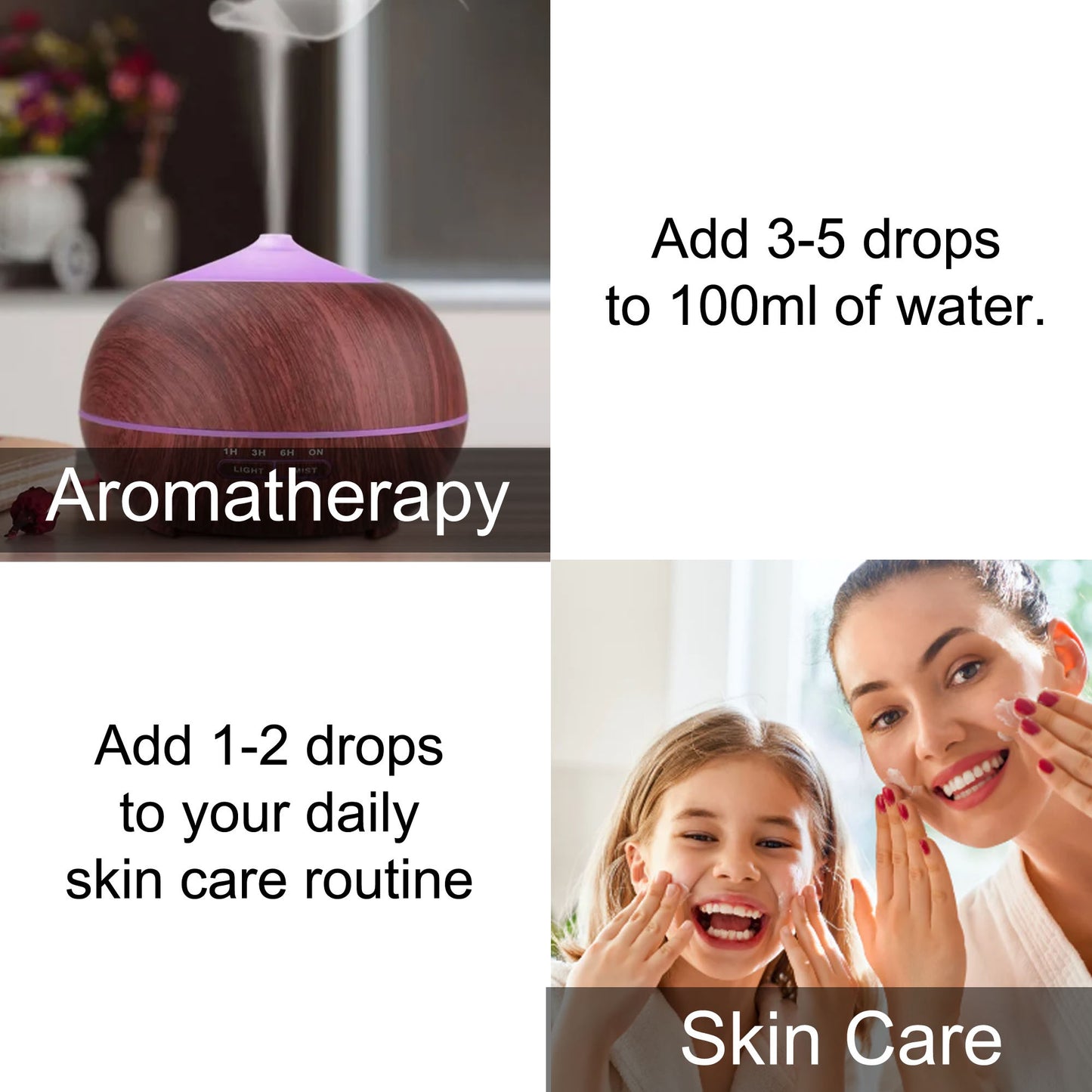
Applying undiluted White Camphor essential oil directly onto dermal tissue presents a substantial risk of localized irritation, contact dermatitis, and burning sensations due to its highly concentrated volatile constituents. To safely incorporate this potent extract into your topical regimen, you must always lower its concentration by blending it with a gentle, nourishing plant oil. For standard body application, mix one drop of White Camphor with a teaspoon of Fractionated Coconut Oil to maintain a safe two percent dilution threshold.
Before applying any newly diluted botanical mixture over larger body areas, performing a standard patch test remains an essential precautionary step. Apply two drops of your diluted preparation to a small patch of skin on your inner forearm and cover it loosely with a bandage. Monitor the area for 24 hours; if no redness, itching, or irritation develops, the diluted blend is considered safe for targeted topical application.
| Application Purpose | Recommended Concentration | Botanical Companion |
|---|---|---|
| Facial Cleansing Toner | 0.5% (1 drop per 10 mL) | Organic Witch Hazel Extract |
| Full Body Massage | 1.0% to 2.0% (3–6 drops per 10 mL) | Fractionated Coconut Oil |
| Targeted Blemish Care | 1.0% (3 drops per 10 mL) | Rose Geranium Oil in Jojoba Base |
Best Practice Methods for Safe Skin Application
To maximize dermal comfort while utilizing White Camphor, always add your chosen carrier oil to a glass container before stirring in the essential oil drops. Vegetable carriers rich in essential fatty acids—such as jojoba oil or sweet almond oil—nourish the outer cutaneous barrier while slowing down the evaporation of delicate aromatic terpenes. Applying diluted botanical mixtures after warm bathing enhances absorption while promoting a tranquil, soothing skin sensation.


Can I use camphor oil daily?
Yes, properly diluted White Camphor oil can be used daily on skin, provided no localized irritation or sensitivity develops.
- Usage Frequency: Daily topical application is suitable for normal skin types when diluted to a conservative 1% maximum concentration.
- Skin Monitoring: Continuous daily application requires regular inspection for subtle signs of dryness, redness, or cutaneous barrier disruption.
- Routine Rest: Taking periodic breaks every few weeks helps maintain skin responsiveness and prevents unnecessary sensory sensitization over time.
Integrating White Camphor into a consistent daily skincare regimen can help clarify surface oils and promote a refreshed, vitalized complexion. When experiencing occasional dullness or excessive oiliness, many individuals turn to diluted botanical blends to encourage balanced dermal texture throughout the day. Blending a single drop into hydrating bases like Organic Rosewater or light facial oils provides an invigorating, clarifying sensation during morning or evening care rituals.
However, long-term daily usage should always be tempered with careful observation of how your skin responds over time. If you experience unexpected dryness, tightness, or mild flaking, reduce application frequency to alternate days or temporarily suspend usage. Alternating active botanicals with soothing moisturizers protects your natural epidermal barrier while continuing to support a clear, healthy appearance.
Blending White Camphor with Complementary Botanicals
Combining White Camphor with synergistic essential oils allows you to tailor your daily skincare routine to specific personal needs. Blending low concentrations with floral or citrus oils helps balance its sharp, medicinal aroma while creating a well-rounded aromatic profile. Formulations featuring Pure Essential Oils Australia provide versatile options for everyday botanical care and skin maintenance.
What are the side effects of camphor essential oil?
When experiencing skin sensitivity, potential side effects of White Camphor essential oil include redness, contact dermatitis, itching, or burning sensations.
Applying high concentrations of White Camphor oil can easily overwhelm sensitive skin tissues, resulting in acute cutaneous irritation, stinging, or localized flaking. Inhaling concentrated vapors during topical application may also trigger mild dizziness, headache, or airway tickling in sensitive individuals. Furthermore, applying unrefined or heavy camphor fractions containing safrole poses severe toxic risks, which is why choosing pure White Camphor is critical.
If an adverse reaction occurs on your skin, immediately wash the affected area thoroughly with mild soap and lukewarm water. Following the wash, apply a generous amount of plain vegetable oil to help dissolve and absorb residual volatile compounds off the epidermal surface. Should symptoms like intense itching, swelling, or persistent redness continue after cleaning the area, seek appropriate medical guidance promptly.
Recognizing Dermal Sensitivity vs Irritation
Distinguishing between normal sensory cooling and acute contact sensitivity is vital when applying White Camphor topically. A mild, refreshing cooling sensation is expected due to the natural action of 1,8-cineole on sensory receptors in the skin. However, immediate burning, itching, or swelling indicates dermal irritation, requiring rapid dilution with a vegetable oil and thorough washing with cold water.
Who should not use camphor?
Pregnant or nursing women, young children, infants, and individuals with epilepsy or sensitive skin conditions should not use White Camphor.
Because White Camphor penetrates epidermal tissue rapidly, certain vulnerable groups experience a significantly elevated risk of adverse systemic or cutaneous reactions. Infants, toddlers, and young children are especially susceptible to respiratory distress and nervous system irritation from camphorated skin products or vapors. Additionally, pregnant and breastfeeding mothers must strictly avoid applying camphor essential oil to prevent active compounds from crossing placental or mammalian barriers.
Individuals diagnosed with epilepsy, asthma, or chronic skin conditions such as eczema and psoriasis should also refrain from topical application. Choosing gentler, non-irritating botanical alternatives ensures a safe and relaxing aromatherapy environment for all household members across Australia. To discover complementary botanical remedies crafted for skin balance, explore our collection of Best Essential Oils for Clear Skin And Acne.
Safe Alternatives for Sensitive Individuals
For those who cannot use White Camphor due to pregnancy, age, or medical sensitivities, gentler botanical options provide excellent alternatives. Soft floral hydrosols, gentle herbal infusions, and mild carrier oils offer restorative moisture without intense volatile terpene activity. Selecting products from purelyBlack ensures high-grade purity across all essential oils and natural botanical preparations shipped straight to your doorstep in Sydney.
To explore similar profiles, discover these pure purelyBlack creations: May Chang Oil, Juniper Berry Oil, and Rose Oil — each dispatched from Sydney.
For further botanical reading, explore our companion guides on White Camphor Oil for Muscle Relief and Joint Pain and White Camphor Oil for Respiratory Support and Sinus Relief.
About the Author
Written by H.R. Kim
Founder at purelyBlack — an Australian-owned perfumery and botanical studio based in Sydney. H.R. specialises in scent profiling and natural ingredient sourcing, meticulously balancing premium fragrance oils and 100% pure essential oils to create elevated aromatic experiences.
Last updated: August 2026
Disclaimer: purelyBlack essential oils are for external use and aromatherapy purposes only. They are not intended to diagnose, treat, cure, or prevent any disease. Always dilute with a carrier oil before topical application and consult a healthcare professional if pregnant or under medical supervision.
