

What Bugs Does Orange Oil Repel?
What bugs does orange oil repel?
Sweet Orange oil repels ants, fleas, flies, spiders, and gnats effectively due to its high concentration of natural d-limonene.
- Ant Deterrence: Disruption of trail pheromones prevents sugar and carpenter ants from invading indoor kitchen surfaces and food storage areas.
- Flea Control: Natural active compounds disrupt flea exoskeletons, making citrus sprays useful around home entryway runners and textiles.
- Spider Repelling: Aromatic volatile terpenes create an unpleasant environmental barrier that deters spiders from spinning webs in dark corners.


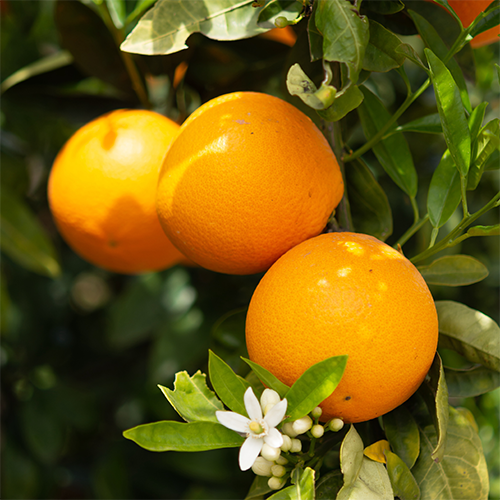
Sweet Orange oil is cold pressed from the fresh peel of Citrus sinensis, an iconic botanical species belonging to the Rutaceae family. Native to tropical regions, this fruit rind yields a vibrant essential oil rich in volatile organic compounds that naturally discourage household insects. The principal constituent d-limonene serves as an effective natural pest deterrent by disrupting insect sensory communication and protective surface coatings.
In Australian homes, crawling insects frequently cross doorways, window ledges, and floor skirtings during warmer months in search of food and water sources. Spraying diluted citrus mixtures across entry thresholds forms an aromatic repellent barrier that pests actively avoid. Combining routine domestic cleaning with botanical citrus sprays provides an easy, eco-friendly method to maintain insect-free living spaces.
In addition to deterring crawling bugs, the bright scent neutralises unpleasant household odors that might otherwise attract flies or gnats. Utilizing citrus botanical extracts provides household members with a clean environment while avoiding synthetic insecticidal sprays.
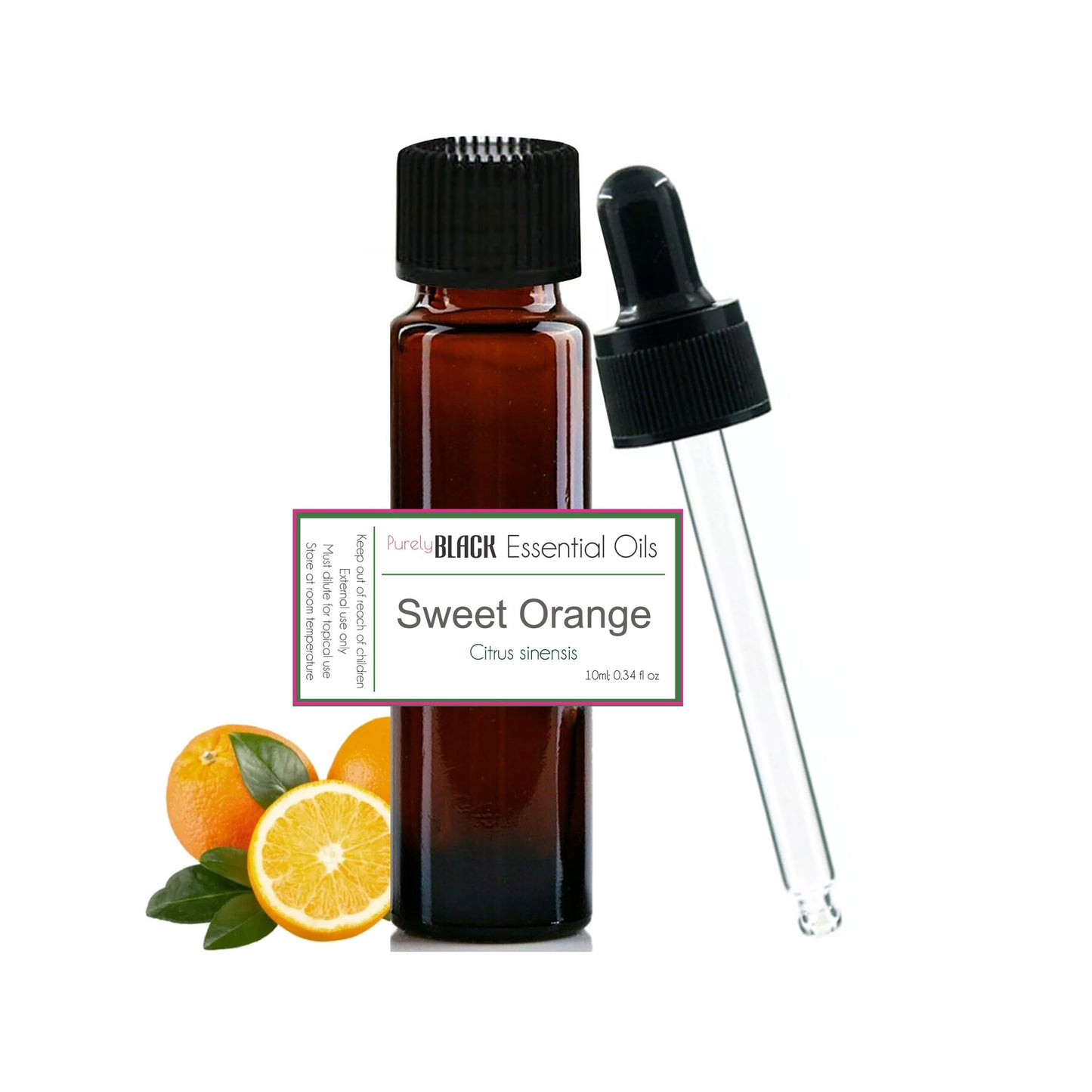
purelyBlack's pure sweet orange oil is available as a 100% pure essential oil, dispatched from Sydney.
What bugs does orange oil repel?
Sweet Orange essential oil repels mosquitoes, termites, cockroaches, silverfish, and aphids by breaking down protective waxy outer layers on insect exoskeletons.
High-grade Sweet Orange essential oil typically contains between 90% and 95% d-limonene, as confirmed in a peer-reviewed constituent analysis. This powerful monoterpene acts as a natural solvent that dissolves the lipid-based epicuticle covering soft-bodied crawling bugs and flying insects. Secondary constituents including myrcene, alpha-pinene, and linalool work synergistically to enhance the overall protective deterrent profile.
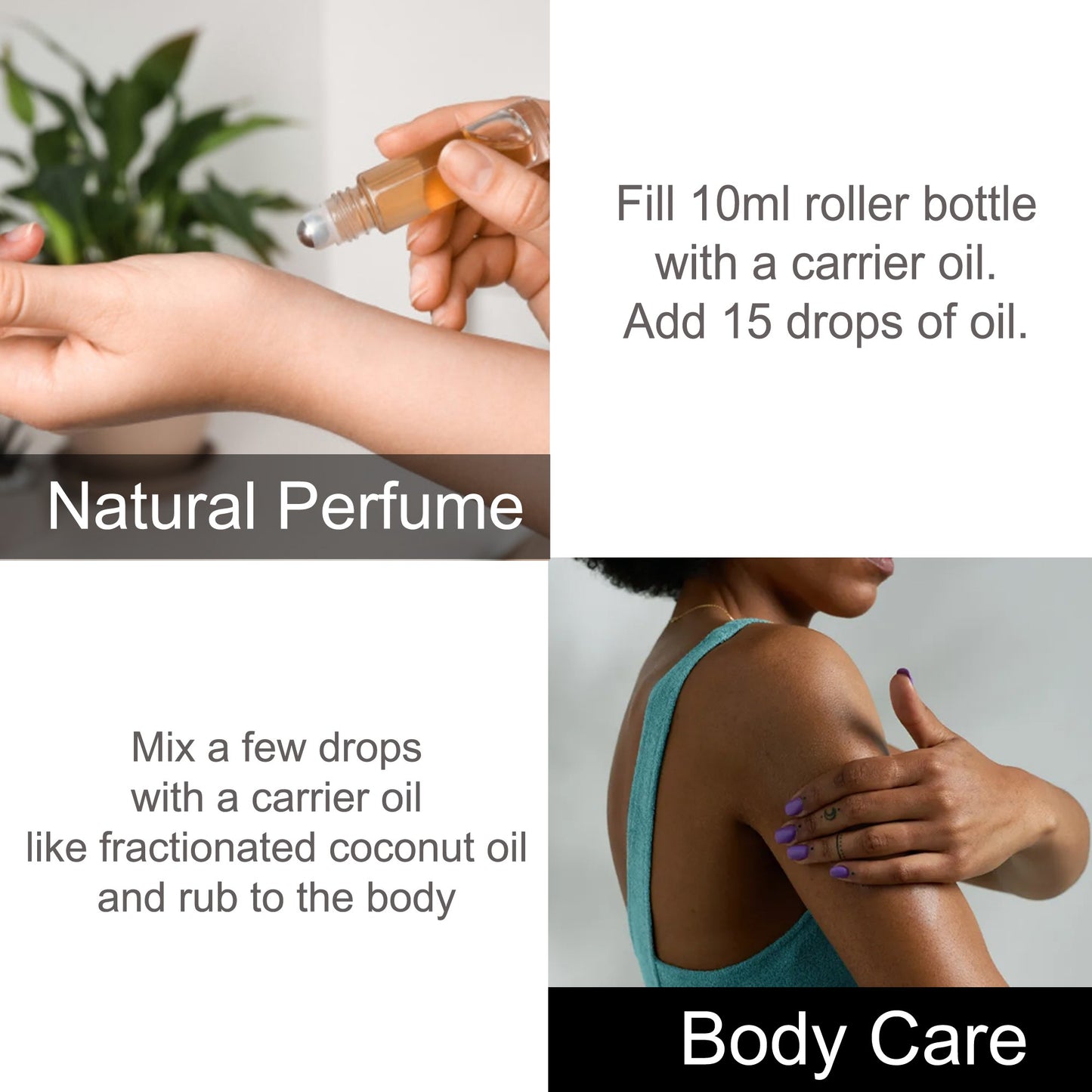
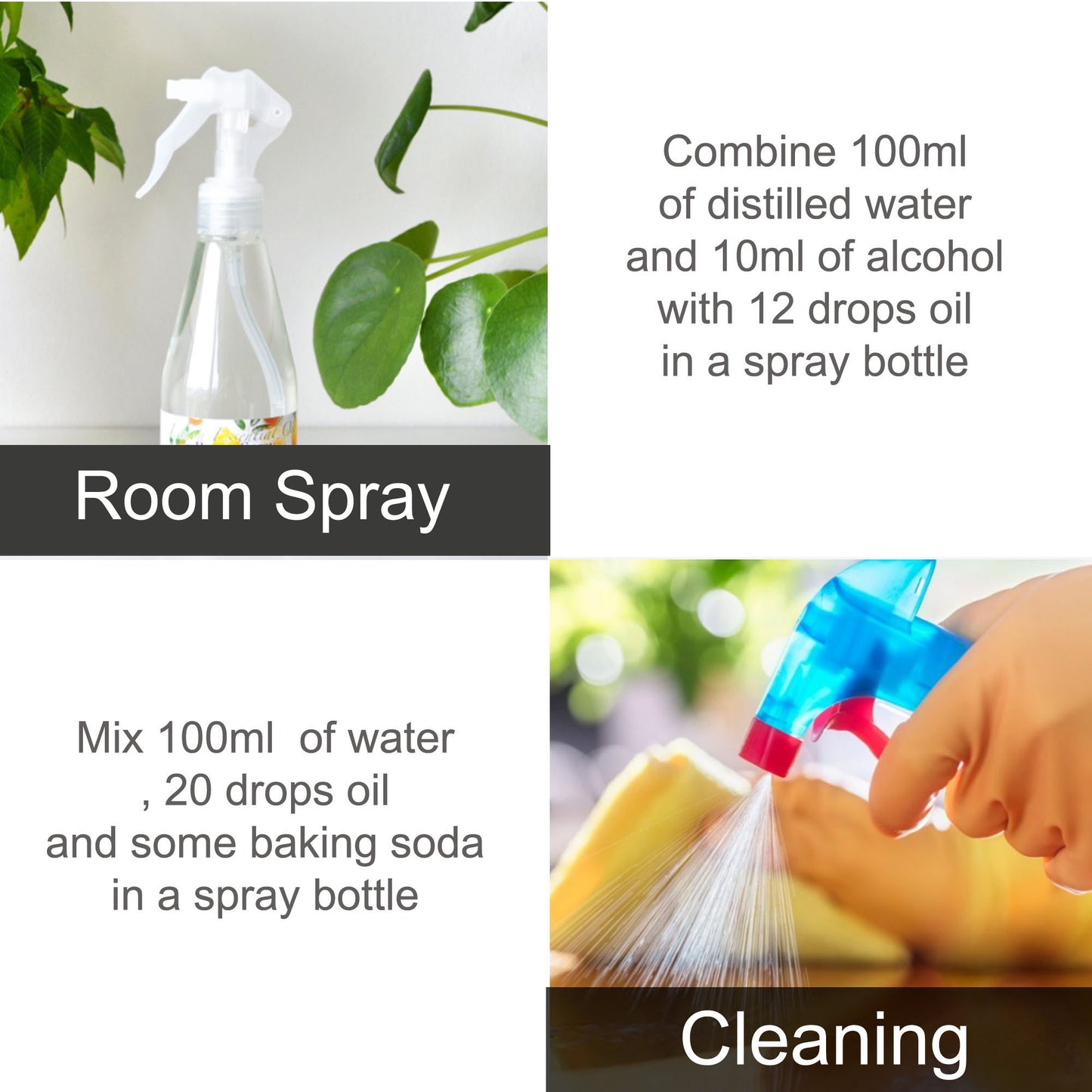
To protect outdoor entertaining spaces like verandahs, decks, and garden patios, applying citrus repellents keeps bothersome mosquitoes and midges at bay. Diluting citrus extracts with Fractionated Coconut Oil creates a smooth topical blend ideal for evening outdoor comfort. Alternatively, blending citrus oil with distilled water and Organic Witch Hazel Extract creates an effective ambient room mist for entertaining areas.
Destructive pests like subterranean termites, cockroaches, and silverfish exhibit a marked sensory aversion to concentrated citrus peel vapors. Dark cupboards, under-sink storage areas, and damp basement corners benefit greatly from routine misting with botanical citrus preparations. Regular domestic application keeps storage zones fresh while ensuring unwanted bugs do not nest in secluded areas.


How do I make my house smell like citrus?
Diffusing Sweet Orange oil, spraying citrus room mists, and wiping down countertops with diluted citrus sprays instantly fills home spaces with citrus scents.
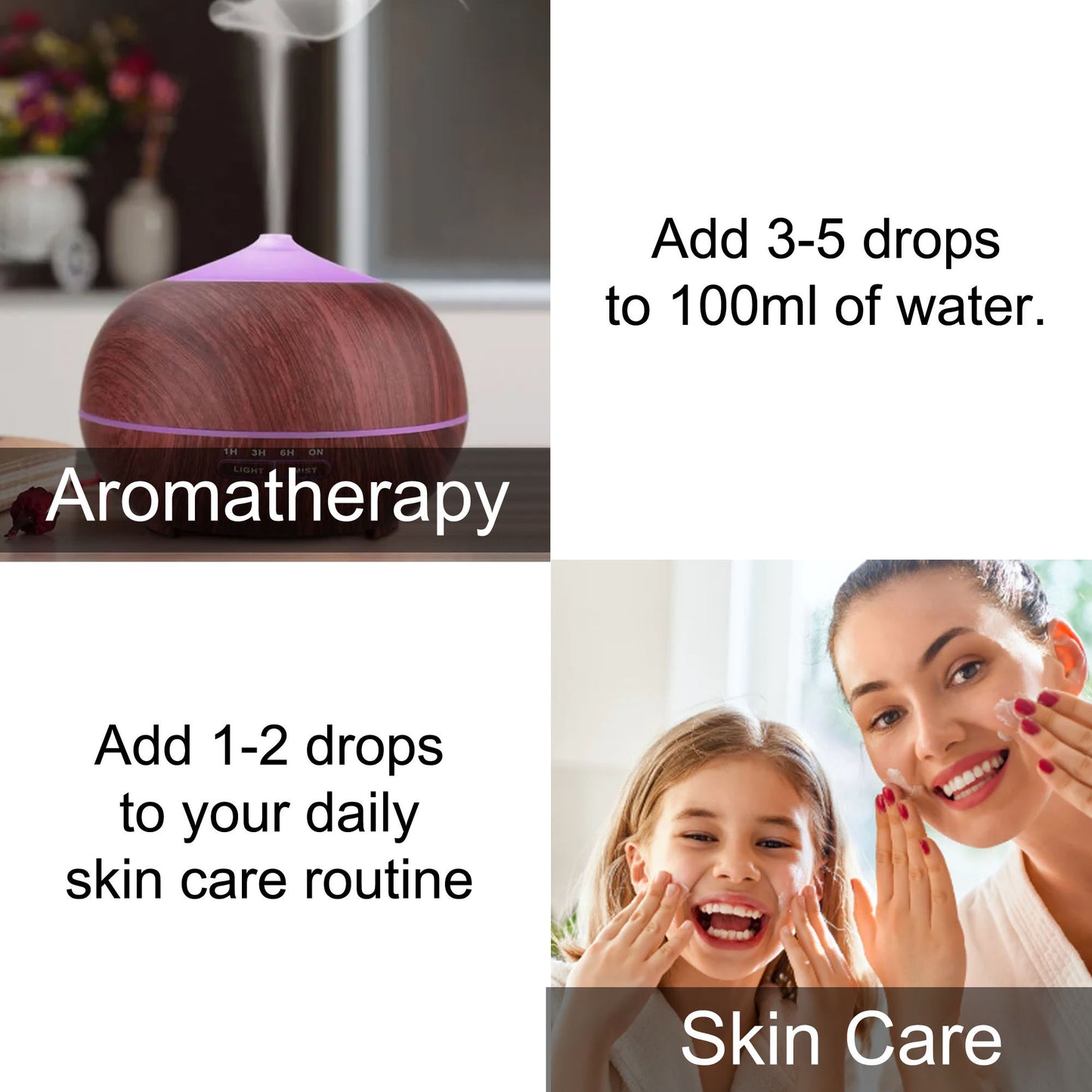
- Ultrasonic Diffusers: Adding five to eight drops of citrus oil to clean water diffuses vibrant, uplifting aromas throughout living areas.
- Surface Cleaners: Mixing citrus oil with distilled water and white vinegar creates an aromatic cleansing spray for hard kitchen benchtop surfaces.
- Cotton Balls: Placing a few drops of citrus oil on unbleached cotton balls inside linen closets maintains clean, bright scenting.
Establishing a clean and energising atmosphere across residential living spaces relies on consistent, low-concentration aromatic dispersion methods. Sweet Orange oil disperses effortlessly into indoor air, swiftly eliminating lingering cooking smells and stale indoor air. Diffusing citrus notes throughout morning hours revitalises domestic quarters with a crisp, sunshine-like fragrance profile.
Homeowners throughout Australia frequently integrate pure citrus extractions into daily floor, glass, and surface care routines. Mixing citrus oil with water and natural plant soaps yields a streak-free cleaning mist suitable for timber, tile, and stone surfaces. This natural approach leaves zero harsh chemical residues while filling hallways and living rooms with authentic citrus sweetness.
For localized odor control in footwear storage, waste bins, or laundry baskets, citrus-infused cotton pads provide continuous botanical scenting. Replacing these pads weekly ensures persistent aroma distribution across smaller enclosed residential spaces.
What essential oil smells like orange?
Blood Orange, Petitgrain, Bergamot, Mandarin, Tangerine, and Neroli essential oils offer distinct citrus aroma profiles closely resembling Sweet Orange scent.
| Botanical Oil | Aroma Profile | Primary Chemical Constituent | Aromatherapy Synergy |
|---|---|---|---|
| Blood Orange | Deep, sweet, intensely fruity citrus aroma | d-Limonene, Myrcene | Uplifting room diffusion |
| Petitgrain | Woody, green citrus with subtle bitter undertones | Linalyl acetate, Linalool | Grounding room mists |
| Bergamot | Complex, crisp floral-citrus scent balance | Limonene, Linalyl acetate | Calming ambient blends |
| Mandarin | Soft, delicate, sweet citrus candy aroma | Limonene, gamma-Terpinene | Gentle evening diffusion |
Although Sweet Orange provides the benchmark sugary citrus experience, several complementary citrus botanical distillations deliver closely related olfactory characteristics. Blood Orange presents a deeper, slightly tarter aroma due to natural anthocyanins present in the fruit pulp. Mandarin and Tangerine offer gentler, confection-like sweetness that works exceptionally well for relaxing evening diffusion blends.
Different parts of the orange tree produce distinct aromatic oils with unique fragrance profiles. Petitgrain essential oil is steam distilled from green tree leaves and tender twigs, yielding a fresh, herbaceous citrus bouquet with earthy undertones. Neroli oil is steam distilled from white orange blossoms, delivering an exquisite floral fragrance with subtle honeyed citrus accents.
Blending these citrus derivatives with complementary botanical oils creates harmonious scent profiles suitable for home perfumery and natural room freshening. Combining citrus notes with subtle spices like nutmeg or herbal notes like palmarosa generates multi-layered diffuser experiences.
Does orange oil smell good?
Yes, Sweet Orange essential oil smells delightfully good, featuring a bright, sweet, radiant, and uplifting citrus aroma that pleases most people.
The radiant fragrance of cold-pressed orange peel is one of the most universally cherished scents in aromatherapy and natural perfumery. Expressing the outer fruit pericarp captures the exact juicy sweetness of fresh oranges harvested at peak seasonal ripeness. Its bright, uplifting aromatic profile provides immediate sensory comfort, promoting a tranquil atmosphere across living spaces.
Aromatic flexibility enables Sweet Orange essential oil to blend effortlessly across diverse fragrance families. Combining citrus top notes with rich floral options like Geranium Oil creates uplifting, sophisticated room spray formulas. Earthy base notes such as Sandalwood Oil ground the light citrus top notes, resulting in warm, enduring atmospheric scent blends.
Diffusing citrus notes during quiet evenings or busy workdays helps clear domestic air of staleness while creating a warm, hospitable environment. Most individuals find the familiar scent reassuring, making it an ideal choice for welcoming guests into the home.
Does orange oil go bad?
Yes, Sweet Orange essential oil goes bad over time due to oxidation, usually losing freshness within twelve to eighteen months after cold pressing.
Citrus essential oils contain high percentages of sensitive monoterpenes like d-limonene that readily interact with environmental oxygen. Exposure to ambient air, heat, and ultraviolet light accelerates oxidation, altering the oil's chemical composition and crisp olfactory notes. Oxidised citrus oils lose their vibrant top notes and can lead to skin irritation if applied topically.
Maximising the freshness and shelf life of pure Sweet Orange oil requires careful storage practices. Keep amber glass bottles tightly capped in a cool, dark cabinet away from direct sunlight and heat sources. Storing opened citrus oil bottles inside a dedicated domestic refrigerator significantly slows oxidative breakdown and preserves volatile aromatic terpenes.
If an essential oil develops a cloudy consistency, sharp resinous odor, or altered viscosity, it should no longer be used for topical applications. However, slightly aged citrus oils can still be repurposed for non-sensitive outdoor cleaning mists or bug-deterrent perimeter sprays.
To explore similar profiles, discover these pure purelyBlack creations: Clary Sage Oil, Jasmine Oil, and Ylang Ylang Oil — each dispatched from Sydney.
Related Guides & Aromatherapy Insights
To learn more about using citrus botanical extractions for home care and personal wellness, explore our comprehensive guides:
- What Is Orange Essential Oil Good For? Complete Guide
- Can You Put Orange Essential Oil Directly on Skin?
- Brighten Your Day with Pure Sweet Orange Essential Oil in Australia
About the Author
Written by H.R. Kim
Founder at purelyBlack — an Australian-owned perfumery and botanical studio based in Sydney. H.R. specialises in scent profiling and natural ingredient sourcing, meticulously balancing premium fragrance oils and 100% pure essential oils to create elevated aromatic experiences.
Last updated: August 2026
Disclaimer: purelyBlack essential oils are for external use and aromatherapy purposes only. They are not intended to diagnose, treat, cure, or prevent any disease. Always dilute with a carrier oil before topical application and consult a healthcare professional if pregnant or under medical supervision.
